Key Takeaways
-
A permanent retainer is a thin wire bonded to the back of your teeth that works 24/7 to prevent tooth relapse, making it ideal for patients who struggle with remembering removable retainers or had significant crowding before treatment.
-
Proper daily cleaning around the permanent retainer using floss threaders, super floss, or interdental brushes is essential to prevent gum irritation, cavities, and tartar buildup that can develop due to food and plaque accumulation.
-
Fixed retainers have a 25-29% failure risk and can become loose, bent, or break over time; contact your orthodontist immediately if you notice a poking feeling, visible gaps, tooth movement, or looseness rather than attempting home repairs.
-
Most orthodontists recommend pairing a permanent retainer with a removable retainer for complete protection, since the fixed wire typically covers only the front six teeth while your back teeth need additional retention support.
-
Research shows no direct link between how long a retainer has been in place and failure risk, but teeth can shift throughout life due to natural aging and gum changes, making regular orthodontic checkups essential indefinitely.
-
Your orthodontist will determine if a permanent retainer is right for you based on your crowding severity, gum health, ability to maintain removable retainers, relapse risk factors, and personal comfort preferences.
Congratulations! Your braces are finally off, and your new smile is ready to shine. But before you get too excited, there’s one more important step: keeping those teeth exactly where they belong. That’s where a permanent retainer comes in, and yes, it’s just as important as the braces journey you just completed. Think of it as the quiet guardian working behind the scenes to protect all that hard work.
At Brockway Orthodontics, we see this question all the time from parents, teens, and adults alike: what exactly happens after braces come off? If you’re feeling a little confused about permanent retainers, you’re not alone. This guide will walk you through everything you need to know in simple, friendly terms, so you can feel confident about protecting your smile for years to come.
What Is a Permanent Retainer After Braces?
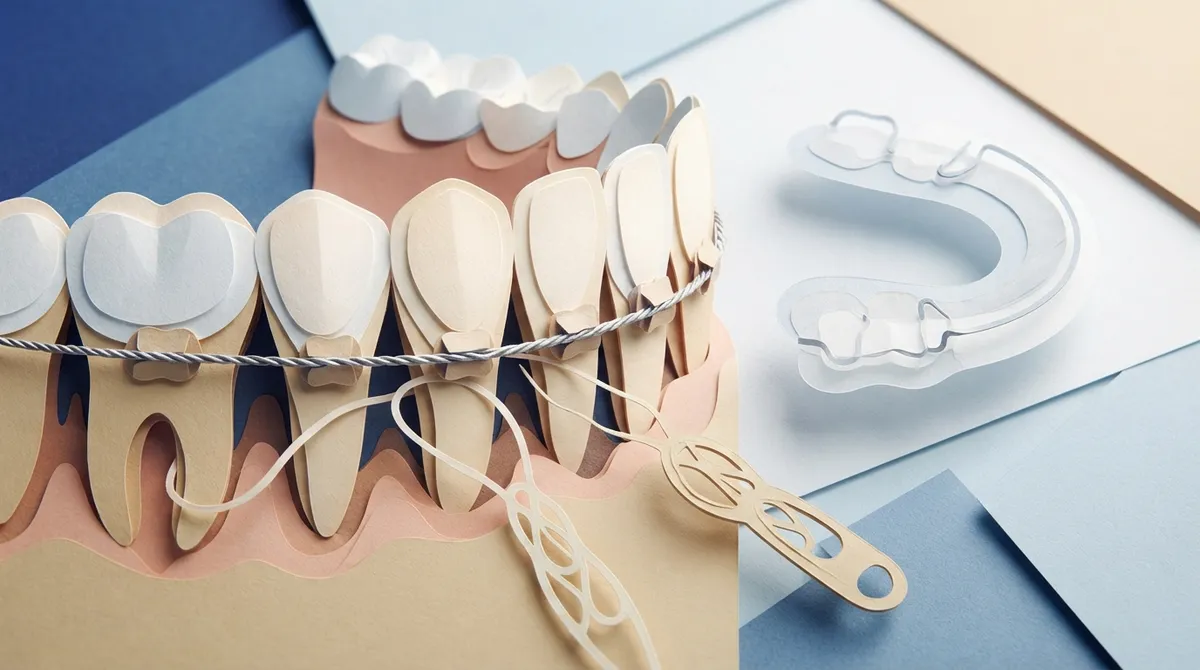
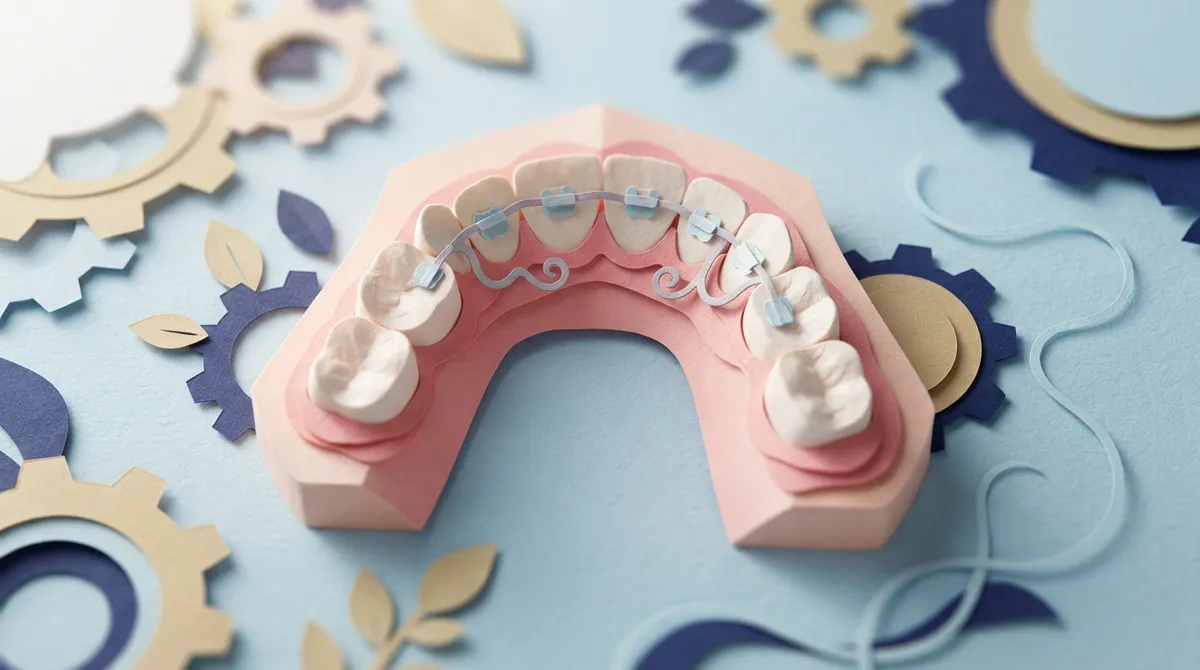
A permanent retainer after braces is a thin wire bonded to the back of your teeth. Orthodontists also call it a fixed or bonded retainer. It’s usually placed behind your lower front teeth, though sometimes it’s used on the upper front teeth too.
Unlike removable retainers you take out to eat or brush, this one stays put. It works quietly all day and night, holding your teeth in their new, straight positions. This is especially helpful if you had a lot of crowding or spacing before treatment, or if you know yourself well enough to admit that remembering to wear a removable retainer just isn’t your strong suit.
The word “permanent” can be a little misleading, though. It doesn’t mean the wire is stuck there forever with no options. Your orthodontist can remove it, adjust it, or replace it if needed. It just means it’s designed to stay in place long-term without you having to think about it every day.
Why Orthodontists Recommend Fixed Retainers
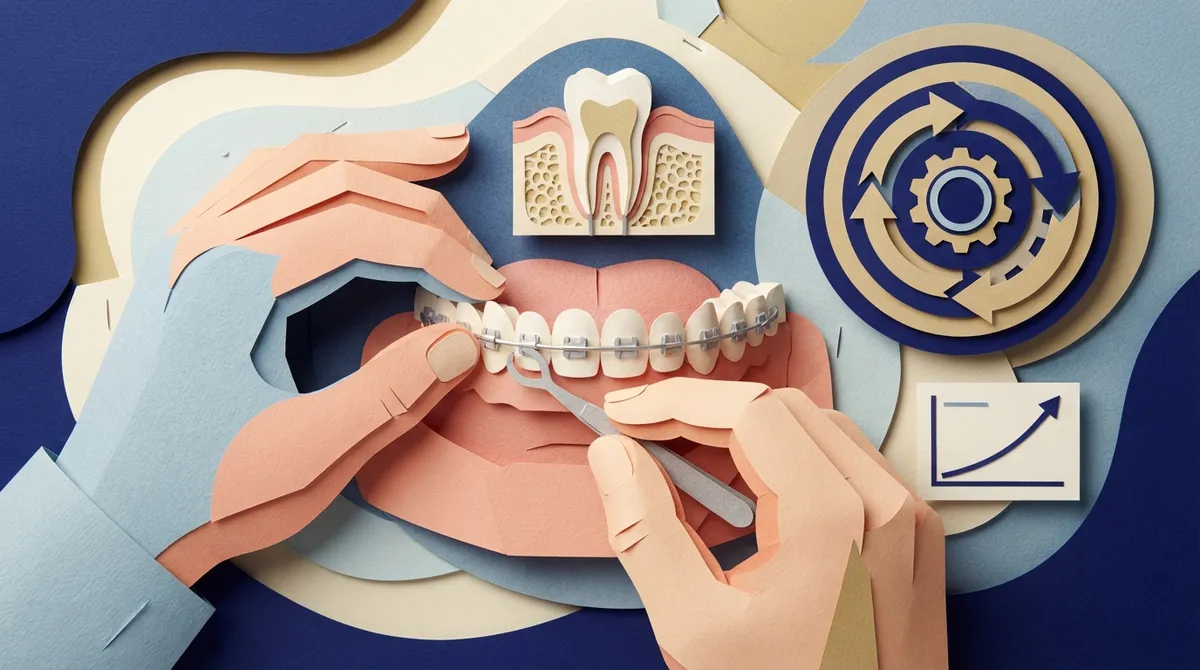
Teeth are sneaky. Even after months or years in braces, they naturally want to drift back toward their old positions. This is called relapse, and it happens because of normal forces in your mouth, gum tissue changes, and even natural aging.
A permanent retainer fights against this drift 24/7. You don’t have to remember to put it in before bed or worry about losing it during a sleepover or road trip. For patients who struggled with significant crowding or rotated teeth before treatment, this steady, constant support can make a real difference in keeping that beautiful smile intact.
Here are the biggest reasons orthodontists often suggest this option:
- It works around the clock, so there’s no risk of forgetting to wear it
- It’s a great fit for patients who had major crowding, gaps, or rotated teeth
- It removes the worry of losing a removable retainer
- It can be combined with a removable retainer for extra protection
- It offers peace of mind for busy teens and adults juggling packed schedules
The Not-So-Fun Side: Downsides to Know About
We believe in giving you the full picture, not just the highlight reel. A permanent retainer does come with some challenges you should know about before deciding if it’s right for you.
Because the wire sits behind your teeth, food and plaque can build up around it more easily. This means you’ll need to be extra diligent with your oral hygiene routine. Skipping proper cleaning can lead to problems like gum irritation, cavities, or tartar buildup near the wire.
According to a systematic review published in Progress in Orthodontics, fixed retainers bonded from canine to canine on the lower teeth have a failure risk of around 29 percent, while retainers bonded only to the canine teeth showed a slightly lower failure risk of about 25 percent. This doesn’t mean failure is common or expected, but it does mean you should stay alert for any signs of trouble, like a loose or bent wire.
| Advantages | Disadvantages |
|---|---|
| Works continuously without daily effort | Requires careful cleaning around the wire |
| No risk of losing it | Can debond or break unexpectedly |
| Great for high-relapse-risk cases | Flossing takes extra time and tools |
| Invisible to others | May need professional repair over time |
| No compliance worries | Possible gum irritation if hygiene slips |
How to Clean Around Your Permanent Retainer
Good news: cleaning a permanent retainer isn’t complicated once you get the hang of it. It just takes a little extra time compared to brushing without one. Here’s a simple step-by-step approach that works for most patients:
- Brush your teeth as usual, angling the brush to reach behind the wire
- Use a floss threader or super floss to get floss underneath the wire
- Gently guide the floss between each tooth, including around the retainer
- Try an interdental brush for spots that are hard to reach with floss
- Rinse with an antibacterial mouthwash to help reduce leftover plaque
- Check the wire in the mirror for any looseness or bending
Some patients find water flossers make this process faster and easier. Whatever tools you choose, the key is consistency. A quick daily habit prevents bigger problems down the road, and your dentist will thank you at your regular cleanings.
Signs Your Permanent Retainer Needs Attention
Even the sturdiest retainer wire can loosen, bend, or break over time. Knowing the warning signs helps you catch problems early, before they cause unwanted tooth movement.
Watch for these signals:
- A sharp or poking feeling against your tongue
- Visible gaps between the wire and your tooth
- A tooth that feels wiggly or out of place
- Noticeable shifting in your smile’s alignment
- The wire feels loose when you touch it with your tongue
If you notice any of these, don’t wait it out. Continuing to wear a distorted or partly detached wire without professional advice can actually cause new tooth movement instead of preventing it. Reach out to your orthodontic team right away so they can assess and fix the issue quickly.
Do You Still Need a Removable Retainer Too?
This is one of the most common questions we hear, and the answer is: it depends on your specific case. A fixed retainer typically covers only the front teeth, usually six teeth on the top or bottom arch. That means teeth further back, like premolars and molars, aren’t held in place by the wire.
Many orthodontists recommend pairing a fixed retainer with a removable one, especially for nighttime wear. This combination approach offers double protection: the bonded wire handles the front teeth continuously, while the removable retainer supports the rest of your bite and overall alignment.
A Cochrane review on retention methods found that there isn’t enough strong evidence to say one retention method beats all others for every patient. This is why personalized care matters so much. Your treatment plan should be built around your unique bite, your original crowding pattern, and your lifestyle habits.
How Long Does a Permanent Retainer Last?
Here’s something that might surprise you: research hasn’t found a direct link between how long a fixed retainer has been in place and its likelihood of failing. One study reported no significant connection between time and failure risk, meaning your retainer isn’t automatically more likely to break just because it’s been years since it was placed.
That said, many orthodontic professionals recommend some form of retention indefinitely. Your teeth can continue to shift due to natural aging, gum changes, and everyday chewing forces, even decades after braces come off. This is why regular checkups matter so much, even if your retainer feels perfectly fine.
During these visits, your orthodontist will check:
- Whether the bonding is still solid at each attachment point
- If the wire has shifted position or bent
- The health of your gums around the retainer
- Any early signs of teeth wanting to shift
- Whether your bite has changed since your last visit
What Happens If It Breaks or Comes Loose?
Life happens, and sometimes retainer wires bend or detach, whether from biting something hard or just normal wear over the years. If this happens to you, try to stay calm. It’s a common issue, and it’s very fixable.
Call your orthodontic office as soon as you notice a problem. Avoid poking at the wire yourself or trying to fix it with tools at home, since this can make things worse or even cause injury. Your orthodontist will examine the retainer and decide whether it needs a simple repair, a rebond, or a full replacement.
If you’re in the Clearwater area and something feels off with your retainer, our team at Brockway Orthodontics is ready to help. We understand these things can feel stressful, but a quick visit usually gets everything back on track fast.
Is a Permanent Retainer Right for You?
Choosing between a fixed and removable retainer isn’t a one-size-fits-all decision. Your orthodontist will consider several factors specific to your smile before making a recommendation.
Some things that go into this decision include:
- How much crowding or spacing you had before treatment
- Your gum and periodontal health
- Your ability to stick with a removable retainer schedule
- Your risk factors for relapse based on your bite
- Personal preferences about comfort and daily habits
The American Dental Association emphasizes that ongoing oral hygiene and regular dental visits are essential no matter which retainer type you choose. Pairing your orthodontic retention plan with consistent dental checkups gives you the best long-term results.
If you’re weighing your options, our retainer services page has more details on what we offer. We also recommend checking out our guide on how to wear a retainer after braces for additional tips on making retention part of your daily routine.
Life With Your New Smile in Clearwater
At Brockway Orthodontics, we treat entire families, from kids getting their very first set of braces to adults finally getting the smile they’ve always wanted. We know that finishing treatment is a huge milestone, and protecting that investment matters just as much as achieving it in the first place.
Dr. Brockway takes time with every patient to explain retention options clearly, so you never feel confused about what happens next. Whether you completed treatment with traditional braces, ceramic braces, or our popular Spark™ Clear Aligners, we’ll help you choose the retention plan that fits your life and your smile goals.
We also use modern technology like digital scanning to create custom-fit retainers that feel comfortable from day one. No messy molds, no guesswork, just a smooth process designed around your comfort. Check out the Florida Association of Orthodontists for more general information on orthodontic care standards across our state.
Keeping Your Smile Beautiful for Years to Come
A permanent retainer after braces isn’t just a formality, it’s an important tool for protecting the results you worked so hard to achieve. With good habits, regular checkups, and a little patience, you can enjoy a straight, healthy smile for decades.
Remember to clean around your retainer daily, watch for signs of looseness, and never skip your follow-up appointments. These simple steps make a huge difference in how well your retainer does its job over time.
If you’re ready to talk about retention options after braces, or if you’re due for a checkup on your current retainer, our friendly team is here for you. Book appointment online today and let’s make sure your smile stays exactly where you want it. You can also contact us with any questions, or visit us on Google — Brockway Orthodontics to see what our patients in Clearwater are saying about their experience with us. We can’t wait to help you protect that gorgeous new smile!
FAQs
Q: How long should a permanent retainer stay in after braces?
A: Many orthodontists recommend keeping a permanent retainer in for years, sometimes indefinitely, since teeth can shift at any age. Your orthodontist will guide you based on your specific bite and relapse risk, so regular checkups are key to knowing what’s right for you.
Q: Is a permanent retainer really permanent?
A: Not exactly! While it’s designed to stay in place long-term, your orthodontist can remove or replace it whenever needed. Think of it as long-lasting rather than truly forever.
Q: Can teeth still move with a permanent retainer?
A: Yes, unfortunately teeth can shift even with a fixed retainer, especially if the wire becomes loose, bent, or partially detached. That’s exactly why regular checkups matter so much for catching small issues before they become bigger ones.
Q: How do I clean around my permanent retainer?
A: Use a floss threader, super floss, or interdental brush to get underneath the wire daily, along with your regular brushing routine. It takes a little extra time, but it’s one of the best habits for protecting your smile long-term.
Q: What should I do if my permanent retainer breaks or feels loose?
A: Contact your orthodontic office right away instead of waiting it out or trying to fix it yourself at home. Quick attention prevents unwanted tooth movement and gets your smile back on track fast.
Our Service Area