Key Takeaways
-
Braces are significantly more effective than aligners for complex cases including severe crowding, tooth extraction cases, and major rotations, while aligners work well for mild to moderate issues requiring 20-22 hours daily wear commitment.
-
Treatment speed is comparable between braces and aligners for non-extraction cases, but braces deliver better results for extraction cases; a personalized exam with an orthodontist is essential before choosing either option.
-
Clear aligners require strict daily discipline with 20-22 hours of wear needed for success, while braces work automatically without daily decisions, making braces better for patients who struggle with consistency.
-
Patients with aligners experience better oral hygiene outcomes with lower plaque and gum inflammation compared to braces, since trays are removable for easier brushing and flossing throughout treatment.
-
Both treatments cost similarly and often qualify for partial insurance coverage; after treatment completion with either option, wearing a custom retainer consistently is critical to prevent tooth relapse and protect results.
-
Adults seeking discreet treatment benefit from nearly invisible aligners for professional settings, while teenagers and patients with complex cases should choose braces for more predictable control and automatic wear compliance.
Staring at your smile in the mirror and wondering if it’s finally time to fix those crooked teeth? You’re definitely not alone. Every week, parents, teens, and busy professionals walk into our Clearwater office asking the same big question: should I get braces or clear aligners? The good news is that both options work incredibly well, and picking the right one just comes down to your specific smile, your lifestyle, and what feels right for you. Let’s walk through this together, friend to friend.
At Brockway Orthodontics, we’ve helped countless families in the Clearwater area find their perfect fit. Whether you’re a parent trying to help your teenager feel confident before homecoming, or an adult professional ready to finally fix that bite you’ve been self-conscious about for years, this guide will help you understand your options clearly. No confusing dental jargon here, just honest, friendly advice.
What Makes Braces and Aligners Different
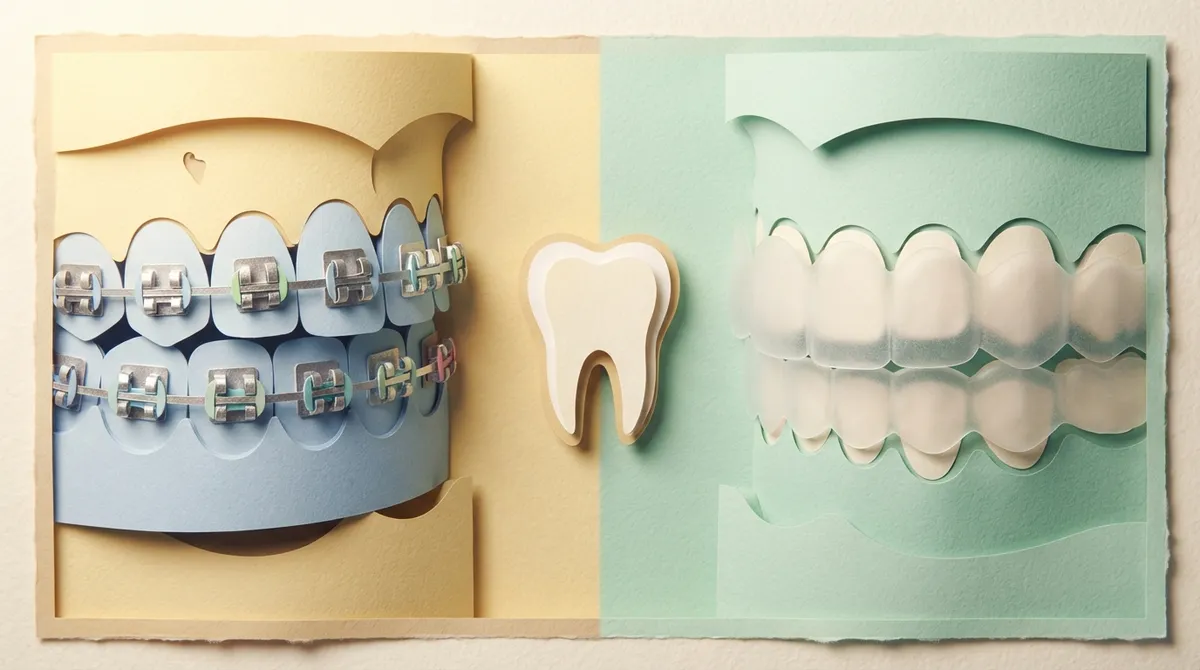
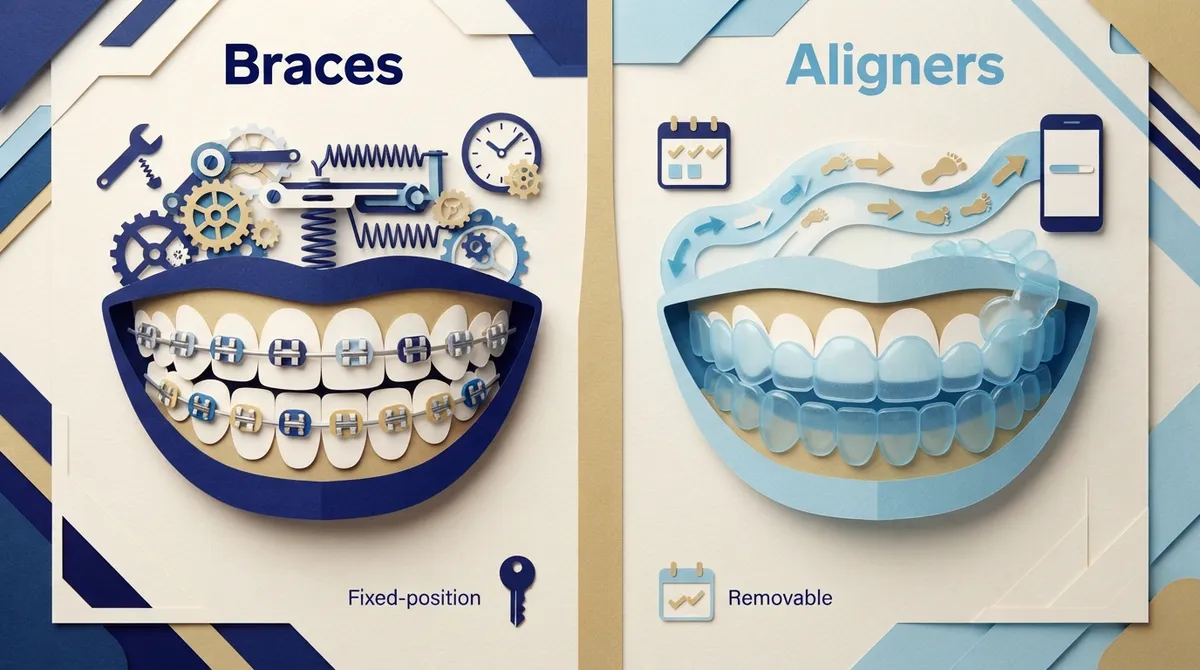
Braces and aligners both move teeth, but they go about it in completely different ways. Braces use small brackets glued to your teeth, connected by a wire. That wire gently and continuously pushes your teeth into place over time. Clear aligners work differently. They’re custom-made clear trays that you swap out every one to two weeks, each one nudging your teeth a tiny bit closer to their final position.
Think of braces as a steady, constant push, like a gentle current in a river. Aligners are more like a series of small steps, each tray guiding your teeth along a planned path. Both methods are backed by decades of orthodontic research and are considered safe, effective treatments when supervised by a trained professional. You can learn more about how traditional braces work or explore our Spark™ Clear Aligners option to see which sounds like a better fit for your life.
How Braces Work
Braces stay on your teeth the entire time you’re in treatment. Dr. Brockway and her team adjust the wires periodically to keep the pressure moving your teeth in the right direction. Because braces are fixed in place, there’s no risk of forgetting to wear them, which some patients find reassuring.
How Clear Aligners Work
Aligners are removable, which is a huge selling point for many of our patients. You take them out to eat, drink, brush, and floss, then pop them back in. For them to work their magic, though, you need to wear them about 20 to 22 hours every day. That consistency really matters.
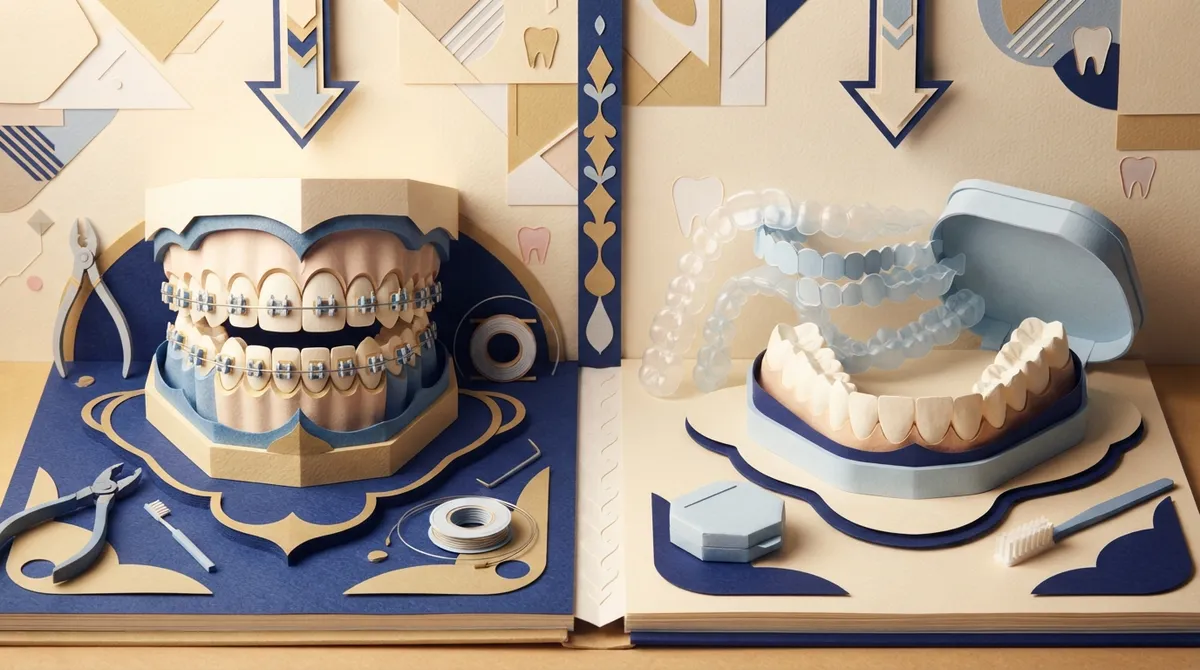
Comparing Braces and Aligners Side by Side
Sometimes seeing the differences laid out clearly makes the decision so much easier. Here’s a simple breakdown of how these two treatments stack up against each other.
| Feature | Traditional Braces | Clear Aligners |
|---|---|---|
| Visibility | Visible metal or ceramic brackets | Nearly invisible, clear trays |
| Removable | No, fixed in place | Yes, removable for eating and brushing |
| Best for complex cases | Excellent for severe crowding, rotations, and bite issues | Great for mild to moderate cases, some complex cases too |
| Daily wear commitment | Always on, no daily choice needed | 20-22 hours per day required |
| Oral hygiene | Requires extra care around brackets and wires | Easier brushing and flossing since trays come out |
| Food restrictions | Some sticky or hard foods to avoid | No food restrictions since trays are removed |
Which Treatment Works Faster
This is one of the most common questions we hear, and the honest answer is: it depends. A 2019 review found aligners sometimes finished treatment about 6 months faster than braces on average. But more recent research tells a more balanced story. A 2024 systematic review looking at mild to moderate crowding found no real difference in treatment time between the two options.
A larger 2025 review of over 1,000 patients found something interesting. For non-extraction cases, braces and aligners performed similarly in both speed and quality. But for cases requiring tooth extraction, braces tended to deliver better results. This is exactly why a thorough exam with an experienced orthodontist matters so much before choosing your path.
Steps to Determine Your Treatment Timeline
- Schedule a comprehensive orthodontic exam with digital imaging and X-rays.
- Discuss your specific bite issues, crowding, or spacing concerns with your orthodontist.
- Review whether your case involves extractions or complex tooth movements.
- Ask about realistic timelines for both braces and aligners based on your unique smile.
- Consider your ability to commit to wearing aligners consistently, if that’s an option.
- Make your decision based on facts, not just personal preference alone.
Which Option Handles Complex Cases Better
Here’s something important to know. While clear aligners have come a long way, braces still tend to win when it comes to seriously complex orthodontic problems. Braces provide more predictable control for situations like severe crowding, major tooth rotations, extraction cases, and tricky bite corrections involving the jaw.
A 2024 review found that fixed braces generally performed better for certain tricky movements, including torque control and posterior tooth positioning. That doesn’t mean aligners can’t handle plenty of moderate to advanced cases these days, because they absolutely can. It simply means your orthodontist needs to evaluate your specific situation before recommending one path over the other.
- Severe crowding often responds better to fixed braces
- Significant tooth rotations may require the precision of brackets and wires
- Extraction cases tend to see better results with traditional braces
- Root positioning and vertical bite issues often need brace-level control
- Mild to moderate spacing and crowding work well with either option
- Some complex cases can still be treated with aligners using attachments and refinement trays
Comfort, Lifestyle, and Everyday Life
Let’s talk about real life for a second. If you’re a teenager heading into a busy school year full of photos, sports, and social events, the appearance of your treatment matters. If you’re a working professional attending client meetings, discretion might be your top priority. And if you’re a parent managing three kids’ schedules, ease of care could be what tips the scale.
Comfort Considerations
Braces can cause some soreness after adjustments, and the brackets may irritate your cheeks at first. Most patients adjust within a week or two. Aligners are generally smoother against the gums since there’s no metal, but new trays can feel tight for the first day or so as they start their work.
Lifestyle Fit
Aligners offer flexibility since you remove them for meals and special occasions. But that freedom comes with responsibility. If you forget to put them back in, your treatment can slow down or shift off track. Braces remove that daily decision entirely since they’re always doing their job.
Oral Hygiene and Gum Health
Keeping your mouth healthy during treatment is a big deal, and it’s something we talk about with every patient at our Clearwater practice. A 2024 meta-analysis found that patients using clear aligners tended to have lower plaque, gum inflammation, and bleeding scores compared to those with braces. This makes sense since aligners come out for brushing and flossing.
That said, the certainty of this evidence is still considered low, so it shouldn’t be the only factor in your decision. Braces can absolutely support excellent oral health too, it just takes a bit more diligence with brushing techniques and possibly a water flosser. The American Dental Association offers helpful guidance on keeping your teeth and gums healthy no matter which appliance you choose.
Tips for Keeping Your Smile Healthy During Treatment
- Brush after every meal, especially with braces, to avoid food buildup around brackets.
- Floss daily using floss threaders or a water flosser if you have braces.
- Remove aligners before eating or drinking anything besides water.
- Clean your aligner trays daily to prevent bacteria buildup and odor.
- Schedule regular cleanings with your dentist throughout treatment.
- Attend all scheduled orthodontic appointments to catch small issues early.
What About Cost and Insurance
Cost is naturally a big factor for most families. Generally speaking, both braces and clear aligners fall within a similar price range, though this can vary based on your specific case complexity. Many dental insurance plans offer partial coverage for orthodontic treatment, and our team is happy to walk you through your financing and insurance options during your visit.
We’re proud to offer Spark™ Clear Aligners as a more affordable alternative to some other aligner brands on the market, without sacrificing quality or results. We also offer traditional metal braces and ceramic braces for patients who want a more subtle, tooth-colored look. No matter your budget, our goal is to make quality orthodontic care accessible for Clearwater families.
Life After Treatment: Retainers Matter
Here’s something people often forget to ask about: what happens after your braces come off or your last aligner tray is finished? The answer is retainers, and they matter more than you might think. Teeth naturally want to shift back over time, a process called relapse.
Whether you finished treatment with braces or aligners, you’ll need to wear a custom retainer to protect your results for years to come. This is true for teens finishing their first round of treatment and adults who are getting a second chance at a straight smile after relapse. Skipping this step is one of the most common regrets we hear about from patients who didn’t stick with retainer wear.
Who Should Choose Braces
Braces might be your best bet if you’re dealing with significant crowding, need teeth extracted as part of your plan, or have a complex bite issue involving your jaw. They’re also a solid choice if you know you might struggle with the discipline required for aligners, since braces don’t require you to remember anything daily.
- Patients with severe crowding or spacing issues
- Kids and teens who may lose or forget removable trays
- Cases requiring tooth extraction or major rotations
- Patients wanting a more budget-friendly traditional option
- Anyone whose orthodontist recommends braces for the most predictable results
Who Should Choose Clear Aligners
Aligners tend to shine for patients with mild to moderate crowding or spacing who want a nearly invisible treatment option. They’re popular among adult professionals who want discreet care that fits into meetings and social events without drawing attention.
- Adults who want a more discreet treatment option for work or social life
- Teens with good responsibility and follow-through habits
- Patients with mild to moderate alignment issues
- Anyone who wants the freedom to remove their appliance for special occasions
- Health-conscious patients who prioritize easier brushing and flossing access
Why a Personalized Exam Matters Most
Honestly, no article, blog post, or online quiz can replace an in-person exam with a qualified orthodontist. Your teeth, jaw, and bite are unique to you. Dr. Brockway takes the time during every first visit to review your specific needs using digital imaging and a thorough clinical exam before recommending a treatment path.
Direct-to-consumer aligner companies that skip this in-person evaluation can miss important details about your jaw growth, gum health, or bite alignment. According to the Florida Association of Orthodontists, proper diagnosis and ongoing professional supervision are essential parts of safe, effective orthodontic care. That’s exactly the kind of personalized attention you’ll find at our Clearwater practice.
Treatment Options for Every Family Member
One thing we love about our practice is treating whole families under one roof. We offer adolescent treatment for growing smiles, adult treatment for grown-up smile makeovers, and early treatment options for younger children who may benefit from getting a head start on jaw development issues.
Our full range of services covers everything from metal braces to ceramic braces to Spark™ Clear Aligners, so there’s truly something for everyone. We also love using modern technology like digital impressions and 3D imaging, which means no more messy molds and much more precise treatment planning for our patients.
Getting Started With Your Smile Journey
Choosing between braces and aligners doesn’t have to feel overwhelming. Take a deep breath. You’ve got a supportive team ready to guide you through every step of the process, answering questions along the way and making sure you feel confident in your decision.
Curious what real patients think about their experience with us? You can visit us on Google — Brockway Orthodontics to read reviews from Clearwater families just like yours. You can also follow along with smile transformations and behind-the-scenes moments on our Instagram and Facebook pages.
Ready to Take the Next Step
Whether you’re leaning toward braces, curious about clear aligners, or still on the fence, the best next move is simple. Come see us for a friendly, no-pressure consultation. We’ll answer all your questions, show you your options, and help you feel excited about your smile journey ahead. Ready to get started? Book appointment online today, or feel free to contact us with any questions you have. We can’t wait to meet you and help you love your smile.
FAQs
Q: Are braces or clear aligners more effective for straightening teeth?
A: Both work really well when used correctly! Research shows similar results for mild to moderate cases, but braces often provide more predictable control for complex issues like severe crowding or extractions. Your orthodontist can tell you which one fits your unique smile best.
Q: Which is faster, braces or clear aligners?
A: It honestly depends on your case. Some studies show aligners finishing a bit sooner for simpler cases, while others show no real difference at all. For extraction cases, braces tend to work a bit faster and more predictably.
Q: Can clear aligners treat severe crowding or bite problems?
A: Sometimes, yes! Aligners have improved a lot and can handle many moderate to complex cases these days. But for the most severe crowding or bite issues, braces usually offer more reliable control, so a proper exam is key.
Q: How many hours a day do I need to wear clear aligners?
A: You’ll want to wear your aligners about 20 to 22 hours every day for the best results. That means only taking them out to eat, drink anything besides water, and brush or floss your teeth.
Q: Do I still need a retainer after braces or aligners?
A: Yes, absolutely! No matter which treatment you choose, your teeth can shift back over time without a retainer. Wearing yours consistently is the best way to protect your beautiful new smile for years to come.
Our Service Area