Clear aligners have revolutionized orthodontic treatment for adults who want to straighten their teeth without the appearance of traditional metal braces. As an adult, you have unique considerations when it comes to orthodontic treatment—from professional appearance concerns to time constraints and lifestyle factors. Understanding how to select the right clear aligner system can make the difference between a frustrating experience and achieving the confident smile you’ve always wanted. This comprehensive guide will walk you through everything you need to know about choosing clear aligners as an adult, from understanding your treatment options to evaluating providers and maintaining your results.
The adult orthodontic market has exploded in recent years, with multiple clear aligner systems now available. According to the American Dental Association, more adults than ever are seeking orthodontic treatment, with clear aligners being the preferred choice for approximately 80% of adult patients. This shift reflects not only technological advancements but also changing attitudes about adult orthodontic care and the importance of oral health at any age.
Understanding Clear Aligner Technology for Adults

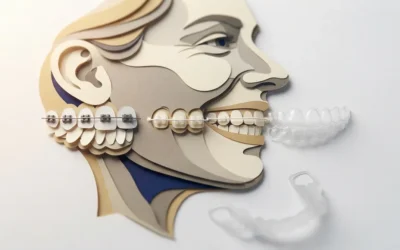
Clear aligners are custom-made, removable orthodontic devices that gradually move your teeth into their desired positions. Unlike traditional braces that use metal brackets and wires, clear aligners are made from smooth, transparent plastic that fits snugly over your teeth. The technology behind clear aligners has advanced significantly since their introduction, with modern systems using 3D imaging and computer-aided design to create precise treatment plans tailored to your specific dental structure.
The basic principle involves wearing a series of aligners, each slightly different from the last, which apply controlled force to specific teeth. You typically wear each set of aligners for one to two weeks before progressing to the next set in the series. This incremental approach allows for comfortable, predictable tooth movement that can address various orthodontic issues including crowding, spacing, overbites, underbites, and crossbites.
For adults, clear aligners offer several advantages over traditional orthodontic methods. The removable nature means you can take them out for important meetings, special occasions, or while eating your favorite foods. The transparent design makes them virtually invisible to others, addressing the aesthetic concerns that prevent many adults from seeking orthodontic treatment. Additionally, the smooth plastic eliminates the mouth irritation often associated with metal brackets and wires.
Evaluating Different Clear Aligner Systems

Not all clear aligner systems are created equal, and understanding the differences can help you make an informed decision. The market now includes several options, from well-established brands to newer competitors, each with unique features and treatment approaches. When evaluating clear aligner systems, consider factors such as treatment effectiveness, material quality, provider expertise, and cost.
Professional vs. Direct-to-Consumer Options
One of the most important distinctions in the clear aligner market is between professionally supervised treatment and direct-to-consumer (DTC) options. Professional clear aligner treatment involves working with an orthodontist or dentist who creates your treatment plan, monitors your progress through regular appointments, and makes adjustments as needed. This approach ensures that a qualified professional oversees your entire treatment journey.
Direct-to-consumer clear aligner companies offer a more convenient, lower-cost alternative that typically involves taking impressions at home and receiving aligners by mail. While these options may be appealing for their convenience and price point, they come with significant limitations. Without professional supervision, potential complications may go undetected, and complex orthodontic issues may not be addressed properly. The Florida Association of Orthodontists recommends that all orthodontic treatment be supervised by a qualified orthodontist to ensure safe, effective results.
Material Quality and Design Features
The material used in clear aligners significantly impacts comfort, effectiveness, and aesthetics. High-quality clear aligner systems use medical-grade thermoplastic materials that are both durable and transparent. Some systems feature proprietary materials designed to apply more consistent force or maintain clarity throughout the treatment period.
|
Feature |
Premium Systems |
Budget Systems |
|---|---|---|
|
Material Quality |
Medical-grade, stain-resistant thermoplastic |
Standard plastic, may discolor |
|
Customization |
Fully customized with 3D scanning |
Limited customization options |
|
Professional Supervision |
Regular orthodontist visits included |
Minimal or remote monitoring only |
|
Treatment Refinements |
Included in treatment plan |
Often cost extra |
|
Attachment Design |
Optimized for tooth movement |
Basic or no attachments |
At Brockway Orthodontics, we utilize Spark™ Clear Aligners, which feature advanced TruGEN™ material technology designed specifically for improved clarity, comfort, and stain resistance. This attention to material quality ensures that your aligners remain virtually invisible throughout your treatment while delivering consistent, effective tooth movement.
Assessing Your Candidacy for Clear Aligners

Not every adult is an ideal candidate for clear aligner treatment, and understanding your specific orthodontic needs is crucial for success. While clear aligner technology has advanced to address increasingly complex cases, certain conditions may still require traditional braces or alternative treatment approaches.
Orthodontic Issues Clear Aligners Can Address
Modern clear aligner systems can effectively treat a wide range of orthodontic issues commonly seen in adults:
-
Mild to moderate crowding: When teeth overlap or don’t have enough space to align properly
-
Spacing issues: Gaps between teeth caused by missing teeth, small teeth, or jaw discrepancies
-
Overbite: When upper front teeth overlap the lower front teeth excessively
-
Underbite: When lower teeth protrude beyond the upper teeth
-
Crossbite: When some upper teeth sit inside the lower teeth rather than outside
-
Open bite: When upper and lower teeth don’t meet when the mouth is closed
-
Relapse after previous orthodontic treatment: When teeth have shifted after braces were removed
Factors That May Affect Treatment Success
Several factors can influence whether clear aligners are the right choice for your situation. Severe crowding or spacing issues may require more aggressive treatment that traditional braces can provide more effectively. Complex bite issues involving significant jaw misalignment might need surgical intervention or comprehensive orthodontic treatment beyond what clear aligners can accomplish alone.
Your oral health status also plays a crucial role in candidacy. Active gum disease, significant tooth decay, or missing teeth may need to be addressed before beginning clear aligner treatment. Additionally, your commitment to wearing the aligners for the recommended 20-22 hours per day is essential for achieving the desired results within the projected timeframe.
Finding the Right Orthodontic Provider

Selecting an experienced orthodontic provider is just as important as choosing the right clear aligner system. Your provider’s expertise, treatment philosophy, and communication style will significantly impact your overall experience and treatment outcomes. Here’s what to look for when choosing an orthodontist for your clear aligner treatment.
Qualifications and Experience
Look for a provider who is a board-certified orthodontist with specific training and experience in clear aligner therapy. Orthodontists complete an additional two to three years of specialized education beyond dental school, focusing exclusively on tooth movement and facial development. This advanced training ensures they can identify and address complex issues that may arise during treatment.
Ask potential providers about their experience with clear aligners, including how many cases they’ve completed and their success rate with adult patients. Experienced providers will have treated a wide variety of cases and can show you before-and-after photos of patients with similar issues to yours. They should also be comfortable discussing potential challenges and how they would address them.
Technology and Treatment Planning
Advanced technology enhances the precision and effectiveness of clear aligner treatment. Look for providers who use digital scanning technology rather than traditional impressions, as this provides more accurate measurements and a more comfortable experience. 3D treatment visualization software allows you to see a preview of your expected results before beginning treatment, helping you make an informed decision.
The provider should conduct a comprehensive examination including X-rays, photographs, and a thorough assessment of your bite and jaw alignment. This information forms the foundation of your customized treatment plan. A detailed treatment plan should outline the expected duration, the specific movements planned for each tooth, and any additional procedures that may be necessary.
Understanding Treatment Timeline and Commitment
Adult clear aligner treatment typically takes between 12 to 18 months, though this varies significantly based on the complexity of your case and your compliance with wearing the aligners. Understanding what to expect throughout your treatment journey helps you prepare mentally and practically for the commitment involved.
Daily Wear Requirements
Success with clear aligners depends heavily on consistent wear. Most orthodontists recommend wearing your aligners for 20 to 22 hours per day, removing them only for eating, drinking anything other than water, and oral hygiene. This means you’ll need to plan your daily routine around your aligner wear schedule, which can require some lifestyle adjustments initially.
Many adults find that the removable nature of clear aligners is both an advantage and a challenge. While you can remove them for special occasions or important meetings, the temptation to leave them out for extended periods can delay your treatment progress. Each hour the aligners aren’t in your mouth is an hour your teeth aren’t moving toward their ideal positions.
Appointment Schedule and Monitoring
With professional clear aligner treatment, you’ll typically have appointments every six to eight weeks to monitor your progress and receive your next sets of aligners. These appointments are usually shorter than traditional braces adjustments, often lasting just 15-20 minutes. Your orthodontist will check that your teeth are tracking properly with the treatment plan and address any concerns you may have.
Some practices now offer virtual monitoring options that allow you to check in remotely between appointments using smartphone photos or specialized apps. This can reduce the number of in-office visits required while still maintaining professional oversight of your treatment. However, periodic in-person appointments remain important for ensuring everything is progressing as planned.
Cost Considerations and Investment Value
Clear aligner treatment represents a significant financial investment, with costs typically ranging from $3,000 to $8,000 depending on the complexity of your case, your location, and the specific aligner system used. Understanding the factors that influence cost and exploring available payment options helps you make an informed financial decision.
Factors That Influence Treatment Cost
Several factors affect the total cost of clear aligner treatment. Case complexity is the primary determinant—more extensive tooth movement requires more aligners and a longer treatment time, increasing the overall cost. The provider’s experience and location also impact pricing, with specialists in urban areas typically charging more than those in rural locations.
The specific clear aligner system used can influence cost as well. Premium systems with advanced features, superior materials, and comprehensive professional support may cost more than budget alternatives. However, the additional investment often translates to better results, more comfortable treatment, and greater long-term satisfaction.
|
Treatment Complexity |
Typical Cost Range |
Treatment Duration |
|---|---|---|
|
Minor corrections (spacing/mild crowding) |
$3,000 – $4,500 |
6-12 months |
|
Moderate alignment issues |
$4,500 – $6,000 |
12-18 months |
|
Complex cases (bite correction, significant crowding) |
$6,000 – $8,000 |
18-24 months |
Insurance and Payment Options
Many dental insurance plans now include orthodontic coverage for adults, though the extent of coverage varies widely. Typical plans cover $1,000 to $2,000 of orthodontic treatment, which can significantly reduce your out-of-pocket expense. Check with your insurance provider to understand your specific benefits and any restrictions on adult orthodontic coverage.
Most orthodontic practices offer flexible payment plans that allow you to spread the cost over the duration of your treatment. These plans often require a down payment followed by monthly installments, making treatment more accessible without the need for outside financing. Some practices also offer discounts for paying in full upfront or for family members receiving simultaneous treatment.
Third-party financing options through companies like CareCredit provide another avenue for managing treatment costs. These healthcare-specific credit lines often offer promotional periods with low or no interest, making them an attractive option for those who qualify. Compare the terms of different financing options carefully to find the arrangement that best fits your budget.
Maximizing Treatment Success and Compliance
Getting the best results from your clear aligner treatment requires active participation and adherence to your orthodontist’s instructions. While the technology does much of the work, your commitment to proper wear, oral hygiene, and following guidelines significantly impacts your outcome.
Proper Aligner Care and Maintenance
Keeping your aligners clean is essential for both oral health and maintaining their transparency. Rinse your aligners with lukewarm water each time you remove them to prevent saliva and plaque buildup. Clean them at least twice daily using a soft toothbrush and clear, antibacterial soap or specialized aligner cleaning products. Avoid using toothpaste, which can be abrasive and cause cloudiness.
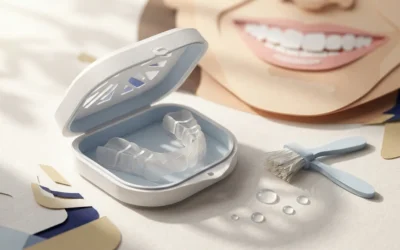
Never use hot water on your aligners, as heat can warp the plastic and compromise the fit. When your aligners aren’t in your mouth, store them in their protective case to prevent damage or loss. Many adults find it helpful to keep multiple cases—one at home, one at work, and one in their car—to ensure they always have a safe place to store their aligners during meals.
Managing Discomfort and Adjusting to Treatment
Some discomfort is normal, especially when you switch to a new set of aligners. This pressure sensation indicates that your teeth are moving as planned. The discomfort typically lasts for a few days after changing aligners and can be managed with over-the-counter pain relievers if needed. Starting each new aligner set before bed allows you to sleep through the initial adjustment period.
Your speech may be slightly affected when you first begin wearing aligners, but most adults adapt within a few days. Practicing speaking, reading aloud, or having conversations while wearing your aligners helps accelerate this adjustment. If you have a lisp that persists beyond the first week, consult your orthodontist to ensure proper fit.
Tracking Your Progress
Taking regular progress photos helps you see the gradual changes that might not be apparent day-to-day. Many adults find this visual documentation motivating during the treatment process. Use the same lighting, angle, and background for consistency, and capture photos from multiple angles including front, sides, and with a smile.
Keep a treatment journal documenting your experiences, challenges, and milestones. Note when you change aligners, any discomfort levels, and observations about your progress. This record can be valuable for discussions with your orthodontist and serves as a personal chronicle of your smile transformation journey.
Lifestyle Considerations for Adult Clear Aligner Patients
Integrating clear aligner treatment into your adult lifestyle requires some planning and adjustment. Understanding how treatment affects various aspects of your daily life helps you prepare and maintain consistency throughout the process.
Dining and Social Situations
One of clear aligners’ greatest advantages is the ability to remove them while eating, allowing you to enjoy your favorite foods without restrictions. However, you’ll need to plan for the logistics of removing, storing, and cleaning your aligners during meals. Many adults keep a small kit with aligner case, travel toothbrush, toothpaste, and floss for dining out.
Social situations involving food or drinks require some consideration. You’ll need to remove your aligners for anything other than water, then brush your teeth before reinserting them. While this might seem inconvenient initially, most adults develop efficient routines that minimize disruption. Some patients find it helpful to explain their treatment to close friends and colleagues to avoid awkward moments.
Professional and Personal Life Integration
The virtually invisible nature of clear aligners makes them ideal for professional environments where appearance matters. Unlike traditional braces, clear aligners won’t affect your professional image or create concerns about looking “too young” in serious business settings. Most colleagues won’t even notice you’re undergoing orthodontic treatment unless you tell them.
For adults with active lifestyles, clear aligners offer flexibility that traditional braces cannot match. You can participate in sports, exercise, and recreational activities without worrying about mouth injuries from brackets and wires. However, it’s advisable to wear a protective mouthguard over your aligners during contact sports to protect both your teeth and your investment in treatment.
Special Occasions and Travel
Planning for special events like weddings, job interviews, or important presentations is simpler with clear aligners. While you should aim to wear them consistently, briefly removing them for significant occasions won’t derail your progress. Just be sure to make up the wear time by being extra diligent on surrounding days.
Traveling with clear aligners requires minimal preparation. Bring your current aligner set plus the previous and next sets in case of loss or damage. Pack your cleaning supplies, and if traveling internationally, consider bringing a letter from your orthodontist explaining your treatment in case airport security has questions about your aligners or carrying supplies.
Long-Term Results and Retention
Completing your clear aligner treatment is an exciting milestone, but maintaining your results requires ongoing commitment. The retention phase is crucial for ensuring your teeth remain in their new positions permanently. Understanding what happens after active treatment helps you preserve your investment and enjoy your new smile for life.
The Importance of Retention
After your teeth reach their ideal positions, they have a natural tendency to shift back toward their original locations. This is true regardless of the treatment method used. To prevent this regression, you’ll need to wear retainers as directed by your orthodontist, typically full-time for the first few months, then transitioning to nighttime-only wear.
Different types of retainers are available, including clear removable retainers similar to aligners, wire retainers (Hawley retainers), and bonded retainers that are permanently attached to the back of your teeth. Your orthodontist will recommend the best option based on your specific case. Many adults appreciate clear removable retainers for their similarity to aligners and aesthetic appeal.
Maintaining Your Results
Long-term success requires treating retention as a lifelong commitment rather than a temporary phase. Even after years of stable results, teeth can shift due to aging, wisdom teeth eruption, grinding habits, or other factors. Continuing nighttime retainer wear indefinitely provides the best insurance against unwanted tooth movement.
Regular dental checkups remain important throughout and after your orthodontic treatment. Your dentist can monitor your bite, check for any shifting, and address oral health issues before they impact your orthodontic results. Maintaining excellent oral hygiene protects both your dental health and your orthodontic investment.
Making Your Decision and Starting Treatment
Armed with comprehensive information about clear aligners, you’re now ready to take the next steps toward your smile transformation. The decision to pursue orthodontic treatment as an adult is both practical and personal, representing an investment in your oral health, appearance, and confidence.
Begin by scheduling consultations with qualified orthodontists in your area. Most practices offer complimentary initial consultations where you can discuss your concerns, learn about your treatment options, and get a sense of the provider’s approach and personality. Come prepared with questions about their experience, the specific aligner system they recommend, and what you can expect throughout treatment.
During consultations, pay attention to how thoroughly the orthodontist examines your teeth and explains your treatment options. They should take the time to understand your goals, address your concerns, and provide realistic expectations about what clear aligners can achieve for your specific situation. The right provider will make you feel heard, informed, and confident about moving forward.
Consider not just the cost but the overall value of different treatment options. The cheapest option isn’t always the best investment, especially if it compromises results or lacks professional supervision. Weigh factors like provider expertise, technology used, included services, and long-term support when making your decision. Remember that you’ll be working with this provider for many months, so comfort and trust are essential.
If you’re in the Tampa Bay area and searching for experienced, personalized orthodontic care, we invite you to explore your options at Brockway Orthodontics. Our team specializes in adult orthodontics and offers advanced services including clear aligner treatment tailored to your unique needs and lifestyle. You can learn more about our patient-centered approach and see real results from our adult patients by visiting our Google Business Profile to read reviews from our satisfied patients.
Conclusion
Choosing clear aligners as an adult is a significant decision that can transform not only your smile but also your confidence and quality of life. By understanding the technology, evaluating different systems and providers, and committing to the treatment process, you can achieve the straight, beautiful smile you’ve always wanted without the aesthetic concerns of traditional braces.
The key to success lies in selecting an experienced orthodontist who uses high-quality clear aligner systems and provides comprehensive professional supervision throughout your treatment. While direct-to-consumer options may seem appealing, the expertise and guidance of a qualified orthodontist ensure that your treatment is safe, effective, and delivers lasting results.
Remember that clear aligner treatment requires commitment—to wearing your aligners consistently, maintaining proper oral hygiene, attending regular appointments, and following through with retention. However, the relatively minor lifestyle adjustments are well worth the outcome: a confident smile that reflects your best self and supports your long-term oral health.
Your journey to a straighter smile starts with that first consultation. Don’t let concerns about appearance, time, or cost prevent you from exploring your options. Modern clear aligner technology has made adult orthodontics more accessible, comfortable, and convenient than ever before. Schedule Your Complimentary Consultation Today to discover how clear aligners can work for your unique situation and take the first step toward the smile you deserve.
FAQs
Q: How long does clear aligner treatment typically take for adults?
A: Adult clear aligner treatment typically ranges from 12 to 18 months, though this varies based on case complexity and compliance. Minor corrections may take as little as 6 months, while complex cases involving significant bite correction can extend to 24 months. Wearing your aligners for the recommended 20-22 hours daily is crucial for staying on schedule.
Q: Can I eat and drink normally with clear aligners?
A: Clear aligners must be removed before eating or drinking anything other than water. This allows you to enjoy all your favorite foods without restrictions, unlike traditional braces. However, you’ll need to brush your teeth before reinserting your aligners to maintain proper oral hygiene and prevent staining or decay.
Q: Are clear aligners less effective than traditional braces for adults?
A: Modern clear aligner systems can effectively treat most orthodontic issues that traditional braces address, including moderate crowding, spacing, and bite problems. However, extremely complex cases involving severe jaw misalignment or significant tooth rotation may still require traditional braces. A qualified orthodontist can determine which treatment method is best for your specific situation.
Q: Will wearing clear aligners affect my speech at work?
A: Most adults experience only minor, temporary speech changes when first wearing clear aligners. Any slight lisp or adjustment typically resolves within a few days as you adapt to having the aligners in your mouth. Practicing speaking and reading aloud accelerates this adaptation process, and the impact is far less noticeable than many patients initially worry about.
Q: How much do clear aligners cost for adults compared to traditional braces?
A: Clear aligner treatment for adults typically costs between $3,000 and $8,000, which is comparable to traditional braces. Factors affecting cost include case complexity, treatment duration, geographic location, and the specific aligner system used. Many dental insurance plans cover $1,000 to $2,000 of adult orthodontic treatment, and most practices offer flexible payment plans to make treatment more accessible.