Key Takeaways
-
Keep your previous aligner trays during active treatment, since they can serve as a backup if your current tray is lost or cracked.
-
Never switch trays on your own; your orthodontist decides whether to use an older tray, and how long, based on your treatment stage.
-
If a tray goes missing or breaks, call your orthodontist right away, because teeth can drift quickly without gentle pressure.
-
Clean old trays by rinsing with cool water and brushing gently, then store them dry in a labeled hard case away from heat and pets.
-
Never force, bend, cut, glue, or heat a tray to make it fit, and never skip ahead or jump back several trays without approval.
-
Old trays are a temporary bridge, not a long-term solution; a prescribed retainer is still needed to keep teeth from drifting back after treatment.
If you have ever stood over your bathroom trash can holding last month’s clear aligner, you are not alone. Tossing the old tray feels natural. It did its job, and a fresh one is waiting in the case. But is it really smart to throw it away?
The question of should you keep previous aligner trays comes up at almost every aligner appointment. The short answer is yes, in most cases. An older tray can act as a handy backup if your current one goes missing or cracks. That said, you should never swap trays on your own without guidance.
In this friendly guide, you will learn why old trays matter, how to store them safely, and what to do if something goes wrong. Whether you are a busy parent managing a teen’s treatment or an adult juggling a packed work schedule, these steps will help you stay on track and keep your smile moving in the right direction.
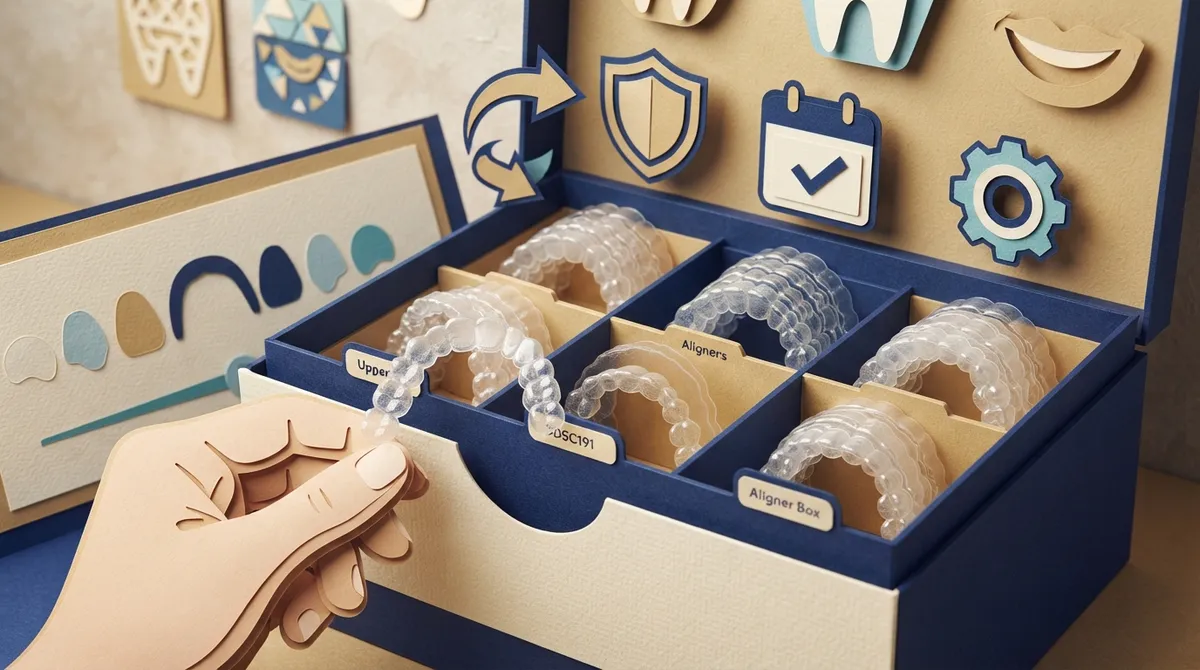
Why Keeping Old Aligner Trays Is Usually a Smart Move
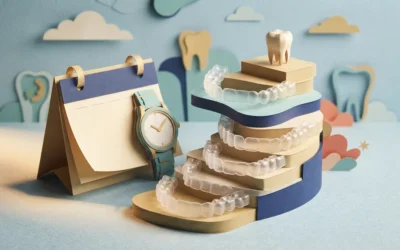
Clear aligners work in a set order. Each tray moves your teeth a tiny bit, and your orthodontist plans the whole series ahead of time. Because of that, your most recent tray still fits your teeth closely. It holds them near the spot they reached.
In general, it makes sense to keep previously worn trays during active treatment. If your current tray is lost or damaged, your orthodontist may suggest wearing your last completed tray for a short time. The right choice depends on where you are in treatment and how well the tray fits.
The British Orthodontic Society’s clear aligner fact sheet also advises patients to keep previous aligners. It describes using an earlier tray as a temporary retainer in certain situations. This is clinical guidance, and it is a good reminder that old trays have real value.
What an Old Tray Can and Cannot Do
An old tray is a helpful bridge, but it is not a magic fix. It can help hold your teeth in place while you wait for a replacement or for advice. It cannot replace a treatment plan from your orthodontist. It also cannot replace a proper retainer once your treatment ends.
| Situation | Can an Old Tray Help? | Best Next Step |
|---|---|---|
| Current tray is lost | Possibly, as a short-term backup | Call your orthodontist right away |
| Current tray is cracked or warped | Possibly, if the older tray fits well | Stop wearing the damaged tray and call |
| New tray feels too tight to seat | Sometimes, but only if advised | Do not force it; ask your orthodontist |
| Treatment just finished | Sometimes, as a temporary retainer | Follow your retainer instructions |
| Long-term teeth holding | No | Wear a prescribed retainer |
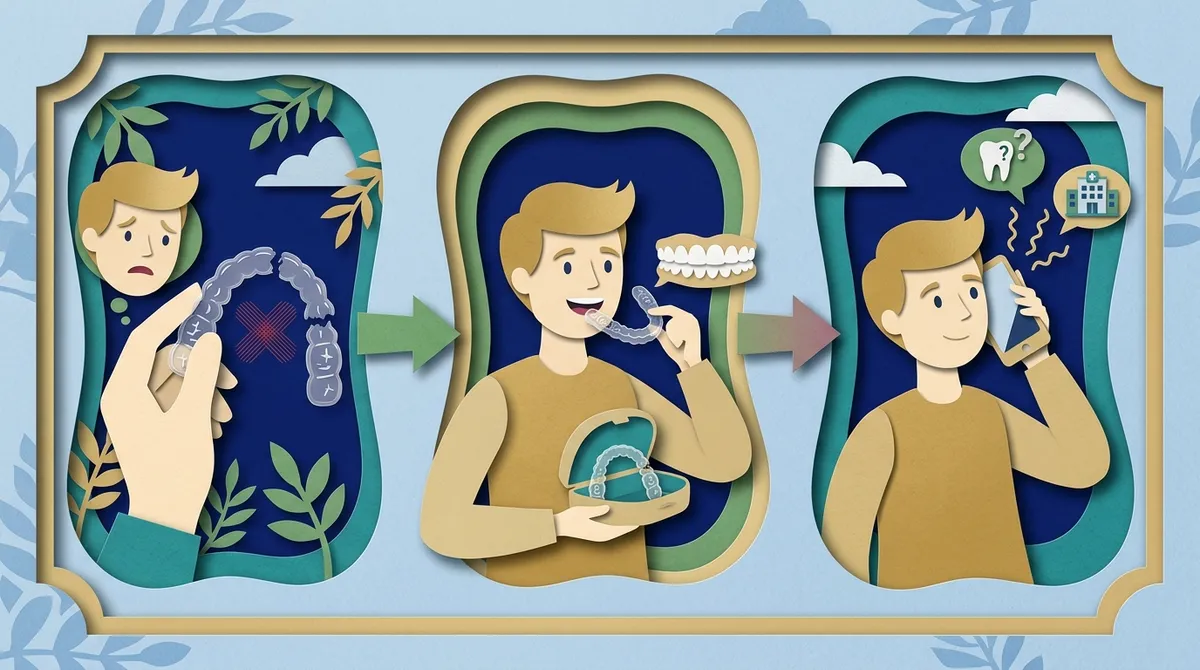
How to Handle a Lost or Damaged Tray Step by Step
Mistakes happen. Aligners get wrapped in napkins, left on lunch trays, or chewed by curious dogs. The good news is that a calm, clear plan makes the problem much easier to fix.
- Pause and do not panic. One missing tray rarely ruins treatment, especially if you act quickly.
- Search carefully. Check your case, your pockets, your car, and trash bags from the last meal.
- Call your orthodontist promptly. Tell them which tray number you lost and how long you have been without it.
- Ask about your previous tray. Your orthodontist may tell you to wear it temporarily. Let them decide based on your stage of treatment.
- Follow their instructions exactly. They may order a replacement, adjust your schedule, or ask you to visit the office.
- Keep the damaged tray if you can. Even a cracked tray can help your orthodontist see what happened.
Contacting your orthodontist early matters. The longer your teeth go without gentle pressure, the more they can drift. Quick action keeps small setbacks small.
What Not to Do When a Tray Goes Wrong
It is tempting to fix things yourself, especially when you are eager to finish treatment. Please resist that urge. Aligners are prescribed in a specific sequence, and your orthodontist planned each step carefully.
- Do not skip ahead several trays to make up for lost time.
- Do not jump back several trays without approval.
- Do not force a tray that will not seat fully on your teeth.
- Do not bend, cut, glue, or heat a tray to make it fit. Distortion changes how it works.
- Do not rely on online advice alone. Guidance can differ by provider and by case.
Think of it like following a recipe. You would not add the frosting before baking the cake. In the same way, your teeth need each tray in the right order to move safely.
How to Store Previous Aligner Trays the Right Way
Keeping old trays only helps if they stay in good shape. A warped or dirty tray will not do much good in an emergency. A little organization goes a long way.
Simple Storage Tips
- Clean each tray before storing it. Rinse with cool water and brush gently with a soft toothbrush.
- Let it dry fully. This helps prevent odor and buildup.
- Label the case or bag. Write the tray number or date on it so you never mix them up.
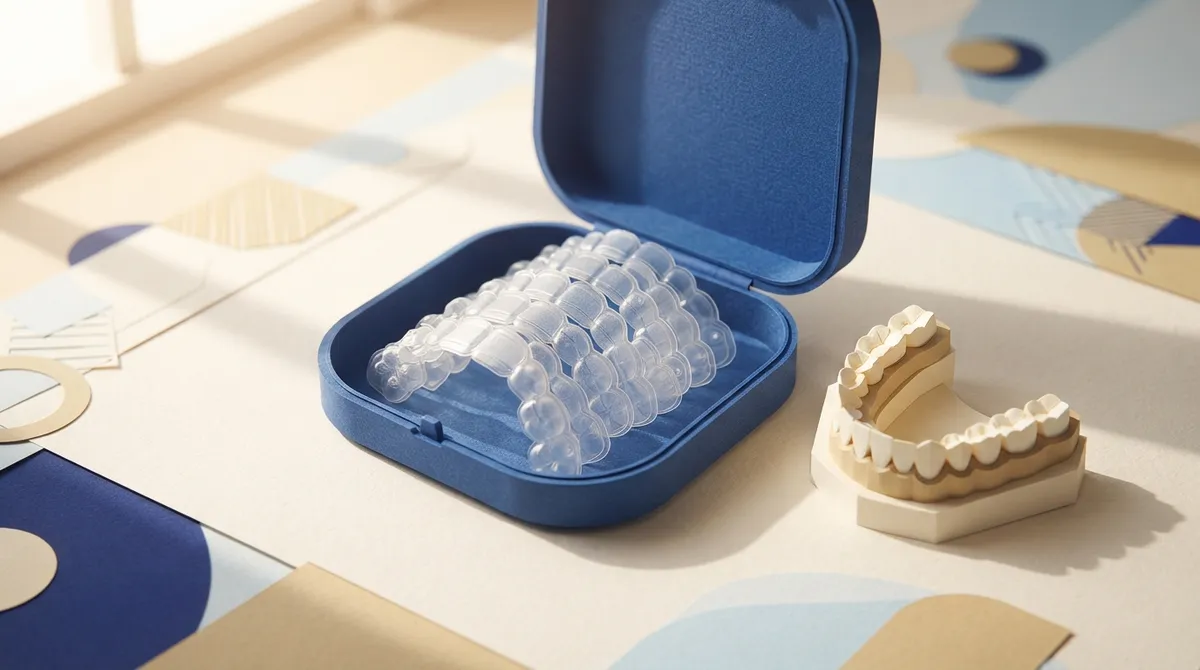
- Use a hard case. A sturdy case protects trays from crushing and keeps them clean.
- Keep them cool. Heat from a hot car or sunny window can warp plastic.
- Store them out of reach of pets. Dogs and cats love the smell of used aligners.
Many families keep one labeled bag per tray in a single drawer. Some teens like using a small zip pouch they can toss into a backpack. Choose a system that is simple enough to stick with.
Bring Your Trays to Appointments When Asked
Your orthodontist may ask you to bring your current and previous trays to a visit. This helps them check fit, track progress, and decide if any adjustments are needed. If your tray fit feels off, your older trays can show whether the issue started recently or has been building for a while.
If you are a patient of Spark™ Clear Aligners at Brockway Orthodontics, our team can walk you through exactly which trays to keep and when to bring them in. We believe you should feel informed and comfortable at every step. If you are still deciding between treatment types, our guide on clear aligners vs. braces can help.
Using Your Last Aligner as a Temporary Retainer
When active treatment ends, many people wonder what to do with their final trays. Sometimes your orthodontist will let you use the final aligner as a temporary retainer. This can protect your results while a custom retainer is being made.
Keep in mind that this is only a short-term plan. Aligner plastic is not built for long-term retention, and it can wear down or lose its shape. Your real protection comes from a prescribed retainer worn exactly as directed.
Teeth love to drift back toward their old positions. This is why retainers matter so much after treatment. If you ever need guidance on keeping your results, our post on how to wear a retainer after braces is a great place to start.
Tips for Different Patients and Families
Every patient is different, and so is every schedule. Here are a few simple ideas that fit real life.
For Parents of Kids and Teens
Young patients can be forgetful, and that is completely normal. Set up a labeled box at home for old trays, and check it together each time a new set begins. Teens benefit from a simple routine, like putting the old tray in its bag right after switching. If you are weighing options for your child, our page on adolescent treatment explains what care looks like.
For Adult Professionals
Busy workweeks make it easy to lose a tray during a lunch meeting. Keep a spare case in your desk and your car. Take a photo of your tray tracker so you always know which number you are on. Learn more about our adult treatment options if you are exploring care.
For Patients Retreating After Relapse
If your teeth have shifted after earlier treatment, you know how valuable a good retainer is. Keep every tray and every retainer from your current plan, and share them with your orthodontist. They can help you see exactly what changed and why.
When to Call Your Orthodontist Right Away
Some situations should not wait. Reach out to your orthodontist promptly if any of these happen:
- A tray is lost, cracked, or warped.
- Your new tray will not fully seat on your teeth.
- A tray feels painful or rubs sharply on your gums.
- You missed several days of wear and are unsure what to do.
- You are not sure whether to keep or toss an old tray.
It never hurts to ask. A quick call can save you weeks of delay. If you have urgent concerns, learn more about emergency vs. routine orthodontics so you know what counts as a true emergency.
Why Local, Personalized Care Makes a Difference
Advice about old trays can vary from one office to the next. Some orthodontists want you to keep every tray. Others prefer that you keep only the last few. That is why having a trusted orthodontist in your corner matters so much.
At Brockway Orthodontics, Dr. Brockway takes the time to listen to your concerns and explain your treatment in a friendly, easy-to-understand way. As a trusted orthodontist serving Clearwater, Florida, she tailors her guidance to your plan, your lifestyle, and your goals. You can meet Dr. Brockway to learn more about her approach, or visit us on Google — Brockway Orthodontics to see what our Clearwater patients say.
For general oral health information, the American Dental Association is a reliable resource. You can also find professional guidance through the Florida Association of Orthodontists.
A Simple Rule of Thumb
If you remember only one thing, remember this: keep your previous trays, store them carefully, and let your orthodontist decide when and how to use them. That small habit can protect your progress and your peace of mind.
Most orthodontic offices will give you a clear answer about how many trays to hold on to. Ask at your next visit, and write the answer down. Clear communication keeps your treatment smooth and stress free.
Conclusion: Keep Your Trays and Keep Your Smile on Track
So, should you keep previous aligner trays? In most cases, yes. They can serve as a smart backup during active treatment, and they may even help protect your results for a short time at the end. Just remember that they are a bridge, not a replacement for your orthodontist’s plan or a proper retainer.
Store them clean, labeled, and safe from heat and pets. Call your orthodontist quickly if a tray goes missing or breaks. And never force, skip, or change trays on your own.
Have questions about your aligners or want to start your own smile journey? Book your free consultation online with Brockway Orthodontics, or contact our friendly team today. We would love to help you smile with confidence!
FAQs
Q: Should I keep my old Invisalign or clear aligner trays?
A: In most cases, yes! Keeping your previous trays gives you a handy backup if your current one is lost or damaged. Just check with your orthodontist about how many to hold on to, since advice can differ from one case to another.
Q: Can I wear my previous aligner if my new one does not fit?
A: Sometimes, but only if your orthodontist says it is okay. Never force a tray that will not seat, and do not switch trays on your own. A quick call to your orthodontist will get you the right answer for your stage of treatment.
Q: What should I do if I lose or break my current aligner?
A: Stay calm and call your orthodontist right away. They may suggest wearing your last completed tray for a short time while they arrange a replacement. Acting quickly helps keep your teeth from drifting.
Q: Can I use my last aligner instead of a retainer after treatment?
A: Your orthodontist may let you use your final aligner as a temporary retainer while your custom retainer is being made. It is only a short-term solution, though. A prescribed retainer is the best way to protect your results long term.
Q: How should I store and clean old aligner trays?
A: Rinse each tray with cool water, brush it gently, and let it dry. Then store it in a labeled hard case, away from heat and pets. Never bend, cut, glue, or heat a tray, since that can change how it fits.
Our Service Area