
Key Takeaways
-
Most orthodontic insurance plans offer a one-time lifetime maximum benefit (50-60% coverage) instead of annual reset, so verify your specific limit before starting treatment to avoid surprises.
-
In-network orthodontists provide the highest benefit percentages and lower costs; confirm your orthodontist accepts your specific plan by calling the office directly, as provider networks change frequently.
-
Adult orthodontic coverage is uncommon and often excluded entirely by dental plans, while child coverage is standard, so adults should verify eligibility before committing to treatment.
-
Clear aligners like Spark™ are increasingly covered by insurance at similar rates to traditional braces, but require checking your plan details and potentially obtaining pre-authorization before starting.
-
Call your insurance company to ask about coverage percentage, lifetime maximum, waiting periods, and age restrictions, then request a written cost estimate from your orthodontist before treatment begins.
-
Medicaid coverage for orthodontics is limited to children under 21 and requires proof of medical necessity (severe bite issues), not cosmetic preference, and pre-approval is typically mandatory.
Braces and clear aligners are a big investment, so it makes sense to want some help paying for them. If you have dental insurance, the good news is that many plans do offer orthodontic benefits. But finding an orthodontist that takes insurance can feel like a puzzle if you don’t know where to start. Don’t worry, we’re here to make it simple and stress-free.
Whether you’re a parent trying to get your child into braces, an adult professional looking into clear aligners, or someone who needs a little retreatment after years without a retainer, understanding your insurance options can save you real money. In this guide, we’ll walk you through exactly how to find an orthodontist who accepts your plan, what to ask, and how to get the most value from your coverage. And if you’re in the Clearwater, Florida area, we’d love to show you how Brockway Orthodontics makes this process easy and friendly from day one.

Why Finding the Right Insurance Fit Matters
Orthodontic treatment isn’t cheap, and insurance can take a real bite out of that cost. But not every orthodontist accepts every plan. Some offices are in-network with certain insurers, while others may be out-of-network or accept a limited list of carriers. Getting this right from the start means fewer surprises later and more money staying in your pocket.
Here’s why this step matters so much:
- In-network orthodontists usually offer the highest level of benefits under your plan.
- Out-of-network care may still be partially covered, but often at a lower reimbursement rate.
- Orthodontic benefits are frequently separate from your regular dental coverage.
- Many plans have a lifetime maximum for orthodontic care instead of a yearly reset.
- Age limits and waiting periods can affect whether your treatment is covered at all.
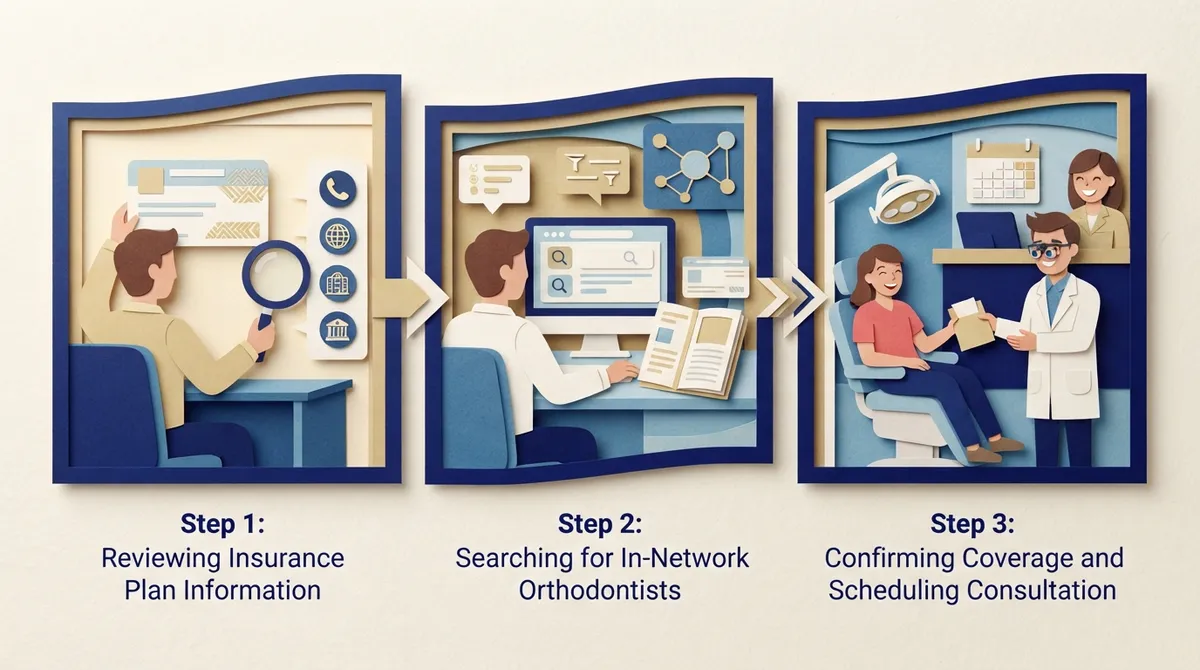
Step-by-Step: How to Find an Orthodontist That Takes Insurance
Finding the right provider doesn’t have to be overwhelming. Follow these steps to make the process smooth and simple.
- Check your insurance plan documents. Look for a section on orthodontic benefits. Not all dental plans include coverage for braces or aligners, so this is your starting point.
- Call your insurance company directly. Ask if orthodontic treatment is covered, what percentage they pay, and whether there’s a lifetime maximum benefit.
- Use your insurer’s provider directory. Most insurance companies have an online tool to search for in-network orthodontists near you.
- Contact the orthodontic office. Even if a directory lists a provider, call the office to confirm they still accept your specific plan.
- Ask about out-of-network benefits. If your preferred orthodontist isn’t in-network, ask both the office and your insurer what your out-of-pocket costs might look like.
- Schedule a consultation. Most orthodontic offices, including ours, offer a free consultation where we can review your insurance and estimate your costs.
At Brockway Orthodontics, our friendly team is happy to help you verify your benefits before you even walk through the door. You can book appointment online and we’ll take care of the insurance details together.
In-Network vs. Out-of-Network: What’s the Difference?
This is one of the most common points of confusion for patients. Let’s break it down simply.
| Feature | In-Network Orthodontist | Out-of-Network Orthodontist |
|---|---|---|
| Cost to Patient | Usually lower, set rates | Often higher, variable rates |
| Insurance Coverage Level | Highest benefit percentage | Reduced benefit percentage |
| Paperwork | Office typically files claims for you | You may need to submit claims yourself |
| Provider Choice | Limited to network list | Any licensed orthodontist |
Both options can work well, but knowing which one your orthodontist falls under helps you budget accurately. Many practices, like ours, work with a wide range of PPO plans, including Aetna, Cigna, Delta Dental, Guardian, MetLife, and United Concordia, to help make care more accessible for families.
What Orthodontic Treatments Are Typically Covered?
Insurance coverage often depends on the type of treatment and your plan’s specific rules. Here’s a general look at what’s commonly covered, at least in part.
- Traditional metal braces for children and teens
- Ceramic (clear) braces in many plans
- Clear aligner therapy, such as Spark™ Clear Aligners, depending on the plan
- Retainers following active treatment, in some cases
- Early interceptive treatment for younger children
Keep in mind that adult orthodontic coverage is less common than coverage for children. Many dental plans exclude orthodontic benefits for patients over 18, so it’s worth double-checking your plan details if you’re an adult exploring treatment for the first time or coming back for a touch-up.
Understanding Lifetime Maximums and Coverage Percentages
Orthodontic insurance works differently than general dental coverage. Instead of resetting every year, most plans offer a one-time lifetime maximum benefit for orthodontic care.
- Your plan may cover a percentage of treatment costs, often somewhere between 50% and 60%.
- This benefit usually applies once per lifetime, not annually.
- Once you hit that lifetime maximum, you’re responsible for the remaining balance.
- Some plans include waiting periods before orthodontic benefits kick in.
- Age restrictions may limit coverage to children or teens only.
This is why it helps to talk with your orthodontist’s billing team early on. At Brockway Orthodontics, we walk you through your coverage clearly, so there are no surprises when it’s time to pay. You can also learn more about financing and insurance options we offer for costs insurance doesn’t cover.
Does Insurance Cover Clear Aligners Like Spark™?
This is a question we hear all the time, especially from busy professionals and image-conscious teens. The answer depends on your specific plan, but many insurers now treat clear aligners the same way they treat traditional braces for coverage purposes.
Here’s what to check before starting treatment:
- Ask if your plan covers “orthodontic treatment” broadly, rather than just braces by name.
- Confirm whether clear aligners require pre-authorization.
- Find out if there’s a cost difference between aligners and braces under your plan.
- Ask your orthodontist’s office to submit a pre-treatment estimate to your insurer.
Our Spark™ Clear Aligners are a more budget-friendly option compared to some other clear aligner brands, and many of our patients are pleasantly surprised by how much their insurance helps cover.
What About Medicaid and State Programs?
If you or your child are covered under Medicaid or a similar state program, orthodontic coverage is possible but usually more limited. Coverage often depends on medical necessity rather than cosmetic preference, meaning severe bite issues are more likely to qualify than mild cosmetic concerns.
Here’s what typically happens with Medicaid-based orthodontic coverage:
- Coverage is usually reserved for children under 21.
- Treatment must often be classified as medically necessary.
- Not all orthodontic offices accept Medicaid, so confirm ahead of time.
- Documentation and pre-approval are usually required before treatment begins.
If you’re unsure whether your plan qualifies, give your orthodontist’s office a call. They can help you understand your options and next steps.
Questions to Ask Before Choosing an Orthodontist That Takes Insurance
Before committing to a provider, it helps to ask a few key questions. This keeps you informed and avoids billing surprises down the road.
- Are you in-network with my specific insurance plan?
- Do you accept assignment of benefits, meaning you bill insurance directly?
- What percentage of my treatment will insurance likely cover?
- Is there a lifetime maximum, and how much of it remains available to me?
- Do you offer financing for costs insurance doesn’t cover?
- Can you provide a written estimate before treatment begins?
A trustworthy orthodontic office should be happy to answer these questions clearly. If you feel rushed or confused during this conversation, that’s a sign to keep looking. According to the American Dental Association, patients should always feel comfortable asking about costs and coverage before starting treatment.
Why Local Families Trust Brockway Orthodontics
Dr. Brockway and her team understand that navigating insurance can feel confusing, especially when you’re also trying to make the best choice for your smile or your child’s smile. That’s why we take time to explain your coverage in simple terms, answer every question, and help you feel confident about your investment.
We proudly serve families throughout Clearwater and the surrounding Pinellas County area, offering everything from traditional metal braces to modern ceramic braces and clear aligner therapy. Whether you’re bringing in your child for their first visit or you’re an adult ready to finally get that confident smile, we make insurance verification part of our warm, welcoming process.
Curious what other families in our community have to say? You can visit us on Google — Brockway Orthodontics to read real reviews from patients just like you.
Tips for Making the Most of Your Orthodontic Benefits
Once you’ve found an orthodontist that takes your insurance, a little planning goes a long way. Here are some friendly tips to help you maximize your benefits.
- Start treatment before your child ages out of coverage, if age limits apply.
- Ask your orthodontist to submit pre-treatment estimates for accurate cost expectations.
- Keep copies of your insurance explanation of benefits (EOB) for your records.
- Combine insurance coverage with an in-house financing plan for any remaining balance.
- Schedule regular check-ins to track your lifetime maximum usage if you have multiple family members in treatment.
The Florida Association of Orthodontists also recommends working with a board-certified orthodontist who can properly document your treatment needs for insurance purposes, which can sometimes help with claims approval.
Bringing It All Together
Finding an orthodontist that takes insurance doesn’t have to be complicated. With a little research, a few phone calls, and the right team by your side, you can get the smile you want without breaking the bank. Remember to check your plan details, ask the right questions, and choose a practice that communicates clearly about costs.
At Brockway Orthodontics, we make this journey easier every single day for families across Clearwater, Florida. From your very first consultation to your final retainer check, we’re here to help you understand your coverage and feel good about your investment in your smile. Follow us on Instagram or Facebook to see real patient transformations and learn more about our friendly, community-focused approach.
Ready to find out what your insurance covers and start your smile journey? Contact us today, and let’s make your dream smile affordable and stress-free together.
FAQs
Q: How do I find an orthodontist that takes my insurance?
A: Start by checking your insurance plan documents for orthodontic benefits, then use your insurer’s online directory to search for in-network providers. It’s always smart to call the orthodontic office directly to confirm they still accept your specific plan, since networks can change. Our team at Brockway Orthodontics is happy to help verify your benefits before your first visit!
Q: Do all orthodontists accept PPO insurance?
A: Not every orthodontist accepts every PPO plan, but many practices, including ours, work with a wide range of popular carriers like Aetna, Cigna, Delta Dental, and MetLife. It’s always best to confirm directly with the office to make sure your specific plan is accepted before booking treatment.
Q: Does dental insurance cover braces for adults?
A: Adult orthodontic coverage is less common than coverage for children, and many dental plans exclude it entirely. That said, some plans do offer partial coverage for adults, so it’s worth checking your benefits or asking our team to help you find out.
Q: What is the difference between in-network and out-of-network orthodontists?
A: In-network orthodontists have agreed to specific rates with your insurance company, which usually means lower costs and higher coverage for you. Out-of-network providers can still be a great choice, but you may pay more out of pocket or need to submit claims yourself.
Q: Do orthodontic benefits have a lifetime maximum?
A: Yes, most orthodontic insurance benefits come with a lifetime maximum instead of resetting every year like regular dental coverage. Once you reach that maximum, usually after treatment covering about 50% to 60% of costs, you’ll be responsible for the rest, so it helps to plan ahead.
Our Service Area