Key Takeaways
-
Clear aligners are best suited to mild-to-moderate crowding, spacing, and some bite issues; severe crowding, impacted teeth, and major jaw differences often need braces or a combined plan.
-
Accuracy varies by movement: a 2024 umbrella review reported tooth-movement accuracy of roughly 55% to 82%, with rotations over 15 degrees and open or deep bite correction proving harder.
-
Aligners only work when worn consistently, so honestly assessing your daily discipline, including remembering to wear them and brushing before reinserting, is essential before choosing them.
-
Healthy gums and supporting bone must be established before any tooth movement begins, and active gum disease needs treatment first.
-
A proper in-person orthodontic exam with records like scans and 3D images is far more reliable than an online quiz or digital simulation for determining your best option.
-
Treatment can combine methods, such as braces for a difficult rotation followed by aligners to finish, so your plan can adapt as your teeth respond.
You have probably seen the ads. Clear, nearly invisible trays that promise a straighter smile with no wires and no fuss. It sounds almost too good to be true, so it is natural to wonder: can clear aligners treat every orthodontic case? The honest answer is no, but they can treat a lot more than many people think.
Whether you are a parent weighing options for your teen, a busy professional who wants a discreet fix, or an adult returning for a second round of treatment, you deserve a straight answer. The right choice depends on your teeth, your bite, your gums, and your daily habits. It does not depend on a trend.
In this friendly guide, we will walk you through how to figure out if aligners are a good match for you. You will learn which problems aligners handle well, where braces may work better, and what to ask at your visit. Let’s dive in!

The Short Answer: Aligners Are Great, but Not for Everyone
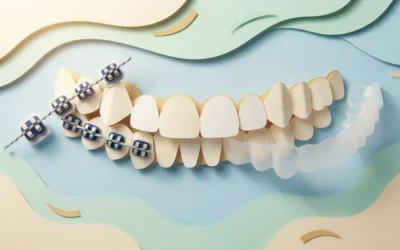
Clear aligners can predictably treat many common problems. They are especially popular for mild to moderate crowding and spacing. They can also help with some bite problems, such as certain overbites, underbites, crossbites, and open bites.
But aligners are not a universal substitute for braces. Complex tooth movements, severe bite problems, impacted teeth, and major jaw differences may be treated more predictably with fixed braces, a combined approach, or even surgery. Only an orthodontist can tell you which route fits your case after a proper exam.
Think of it like choosing shoes. Sneakers are wonderful for most days, but you would not wear them to climb a mountain. Aligners are a fantastic tool. They just are not the right tool for every job.

What the Research Says About Clear Aligners
Let’s look at what recent studies tell us, because the evidence helps set realistic expectations.
- Mild-to-moderate cases are the sweet spot. A 2025 systematic review of clear aligner treatment found that the evidence most consistently supports aligners for mild-to-moderate malocclusions. It described severe cases with impactions or major skeletal differences as limitations in the reviewed literature.
- Accuracy varies by movement. A 2024 umbrella review reported that tooth-movement accuracy for clear aligners ranged from roughly 55% to 82%, depending on the movement and the study.
- Some movements are harder. The same review found lower accuracy for rotations greater than 15 degrees, and more difficulty with open-bite and deep-bite correction.
- The evidence for complex cases is still limited. A 2025 meta-analysis looked at 21 randomized controlled trials with 970 participants. Most had unclear or high risk of bias, and the authors called for better trials, especially for complex cases.
None of this means aligners do not work. It means results depend on the case, and the best outcomes come from careful selection and planning.
Which Problems Aligners Usually Handle Well
Aligners shine when the needed tooth movements are fairly simple. Here are the issues they commonly treat.
- Mild to moderate crowding: Teeth that overlap or twist a little can often be guided into place.
- Spacing and gaps: Closing small to moderate gaps between teeth is a classic aligner job.
- Some overbites and underbites: Milder bite issues may respond well, sometimes with the help of small elastics.
- Some crossbites: Certain tooth-based crossbites can be corrected with aligners.
- Relapse after earlier treatment: If your teeth drifted after braces, a short round of aligners may bring them back.
If you want to learn more about spacing, our guide on teeth spacing causes and treatments is a helpful read. For retreatment, see our post on retainers to understand why keeping your results matters so much.
Movements and Cases That Can Be Tricky for Aligners
Some tooth movements are tougher for plastic trays to control. That does not mean they are impossible. It just means your orthodontist may need extra tools or a different plan.
Challenging Tooth Movements
- Large rotations, especially on round teeth like canines
- Pulling a tooth down or up (called extrusion)
- Moving a tooth bodily or adjusting root angle (torque)
- Getting precise back-teeth bite contacts
Tools like small tooth-colored attachments, elastics, and tiny amounts of reshaping between teeth can help in selected cases. Sometimes a mix of aligners and braces gives the best result.
Cases That May Need Braces, Surgery, or a Combined Plan
These situations often call for more control than aligners alone can provide:
- Severe crowding
- Cases that need a lot of extraction space closed
- Impacted teeth that must be guided into place
- Major jaw (skeletal) differences, which may need orthodontic and surgical teamwork
These are not hard rules. Every mouth is different, and your treatment plan should be built around your exam, not a general list. If you are curious about bite fixes with braces, see how braces fix a deep overbite.
How to Find Out if Aligners Fit Your Case: Step by Step
Ready to find your answer? Follow these steps to make a confident decision.
- Book an in-person orthodontic exam. A real exam, with the right records, beats a quick online quiz or a digital simulation alone. Your orthodontist can see what is happening below the gumline and in your bite.
- Share your goals. Tell your orthodontist what bothers you most. Is it looks, comfort, chewing, or all three? Your goals shape the plan.
- Review your records together. These may include photos, digital scans, and 3D images. Ask your orthodontist to walk you through what they see.
- Ask about all your options. A good provider will explain aligners, metal braces, ceramic braces, and any combined approach, plus the pros and limits of each.
- Talk about timing, refinements, and retention. Many aligner cases need small tweaks along the way. You will also need a retainer afterward to keep your smile in place.
- Be honest about your habits. Aligners only work if you wear them. More on that next!
Not sure what to expect at that first appointment? Check out your first visit to see how it goes.
Do You Have the Habits Aligners Require?
This one surprises many people. Even if your teeth are a perfect match for aligners, your lifestyle matters too.
Aligners are removable, which is great for eating and brushing. But that freedom comes with responsibility. Your orthodontist will give you a daily wear goal, and sticking to it is essential. Poor wear can slow your progress or hurt your final result.
Ask yourself these questions:
- Can I keep my aligners in most of the day and night?
- Will I remember to take them out for meals and put them back in?
- Am I okay with brushing after meals before putting them back?
- Do I have a safe case so I do not lose or toss them in a napkin?
If that sounds hard for your teen, or for you during a busy season of life, braces may be the easier path. They work around the clock without any effort on your part. Our guide on traditional braces vs. clear aligners breaks down this trade-off in more detail.
Gum Health Comes First
Healthy gums and strong supporting bone are the foundation of any tooth movement. Before starting aligners or braces, active gum disease needs to be treated first. If your gums or bone support are reduced, you may need coordinated care with a gum specialist and carefully controlled tooth movement.
This is especially important for health-conscious adults and anyone with a history of gum concerns. The good news is that orthodontics can often improve how teeth fit and make them easier to clean, once your gums are healthy and stable.
Aligners vs. Braces: A Quick Comparison
Here is a simple side-by-side look to help you picture the differences.
| Feature | Clear Aligners | Braces (Metal or Ceramic) |
|---|---|---|
| Best for | Mild-to-moderate crowding, spacing, and select bite issues | Wide range, including complex and severe cases |
| Appearance | Nearly invisible | Metal is visible; ceramic is less noticeable |
| Removable | Yes | No, fixed in place |
| Patient effort | High; consistent wear is a must | Lower; works around the clock |
| Complex movements | Less predictable in some cases | Greater control |
| Eating | Take out to eat | Some food restrictions apply |
Neither option is better for everyone. The best choice is the one that fits your teeth, your life, and your goals.
What About Switching Between Aligners and Braces?
Good news: you are not locked in forever. In some cases, treatment starts with one method and finishes with another. For example, braces might handle a tricky rotation first, then aligners polish the final details. Or aligners might start the work and braces step in if progress stalls.
This flexible approach is one reason a personalized plan is so valuable. Your orthodontist can adjust as your teeth respond.
Who Should Think Carefully About Aligners?
Different people have different needs. Here are a few quick notes for common groups.
- Parents of kids and teens: Growing mouths often need guidance that aligners cannot always give. Early visits can catch problems while there is still room to guide growth. Learn more about early treatment and adolescent treatment.
- Teens and young adults: Aligners can be a great fit if you are responsible with wear. Braces can be easier if remembering is tough.
- Adult professionals: Aligners are popular for their discreet look. Make sure your bite needs match what they can do. See our adult treatment options.
- Relapse patients: A short, targeted plan with aligners often works well for minor shifting, but bigger changes may need a fresh look.
Your Options at Brockway Orthodontics
At Brockway Orthodontics in Clearwater, Florida, Dr. Brockway takes the time to listen to your goals and explain your choices in plain language. We offer Spark™ Clear Aligners, which are a more affordable alternative to Invisalign, along with metal braces and ceramic (clear) braces. That means we can recommend what is truly best for you, not what is trendy.
Our practice uses modern tools like digital impressions instead of messy molds and 3D imaging to plan your care with precision. In certain cases, same-day treatments are even possible. Learn more about Dr. Brockway and see what neighbors are saying when you visit our Brockway Orthodontics location on Google.
You can also explore resources from the American Dental Association and the Florida Association of Orthodontists to learn more about oral health and choosing a qualified provider.
Conclusion: Get the Right Answer for Your Smile
So, can clear aligners treat every orthodontic case? No, but they can treat many of them, and they may be a wonderful choice for you. The key is a proper exam, honest conversation, and a plan built around your unique smile.
If you have been wondering which path is right, we would love to help you find out. Book your free consultation online and let’s talk about your goals. You can also contact us with any questions. Your best smile is closer than you think!
FAQs
Q: Can clear aligners fix severe crowding?
A: Sometimes, but severe crowding is often more predictable with braces or a combined plan. Aligners work best for mild-to-moderate crowding. Your orthodontist can look at your teeth and bite and tell you which option gives the best result.
Q: Can clear aligners treat an open bite or deep bite?
A: They can help in selected cases, but open and deep bites can be harder to correct with aligners alone. Research shows more difficulty with these bite types. Elastics, attachments, or braces may be added to get a better outcome.
Q: How many hours a day do I need to wear clear aligners?
A: Your orthodontist will give you a specific daily goal, and following it closely is a big part of your success. Aligners only work when they are in your mouth, so consistent wear keeps treatment on track. Skipping wear time can delay your results.
Q: Can I switch from braces to clear aligners during treatment?
A: In some cases, yes! Many plans combine both, such as using braces for a tricky movement and aligners to finish. Your orthodontist will tell you if a switch makes sense for your smile.
Q: When are braces or jaw surgery a better option than aligners?
A: Braces may be better for complex movements, impacted teeth, or cases needing lots of extraction space closure. Jaw surgery combined with orthodontics may be recommended for major skeletal jaw differences. A full exam will show which path fits you best.
Our Service Area