Key Takeaways
-
The American Association of Orthodontists recommends children receive their first orthodontic evaluation by age 7 to catch jaw development issues early, though most children won't need immediate braces.
-
CDC data shows untreated cavities affect 11% of kids ages 2-5 and jump to 18% for ages 6-8, highlighting the importance of continuous dental care across all age groups.
-
Modern orthodontic practices offer age-appropriate treatment options including early intervention appliances for children, clear aligners for teens and adults, and specialized approaches for adult patients with existing dental work.
-
Adult orthodontic treatment is increasingly common and viable, even with crowns, fillings, or missing teeth, though treatment may take longer due to jaw maturity and gum health considerations.
-
Multi-age dental practices that combine pediatric dentistry and orthodontics under one roof simplify care coordination for busy families by enabling seamless referrals and comprehensive smile monitoring.
-
Teeth can shift back years after initial braces if retainers aren't worn consistently, but retreatment with clear aligners or new retainers is typically faster than the original treatment.
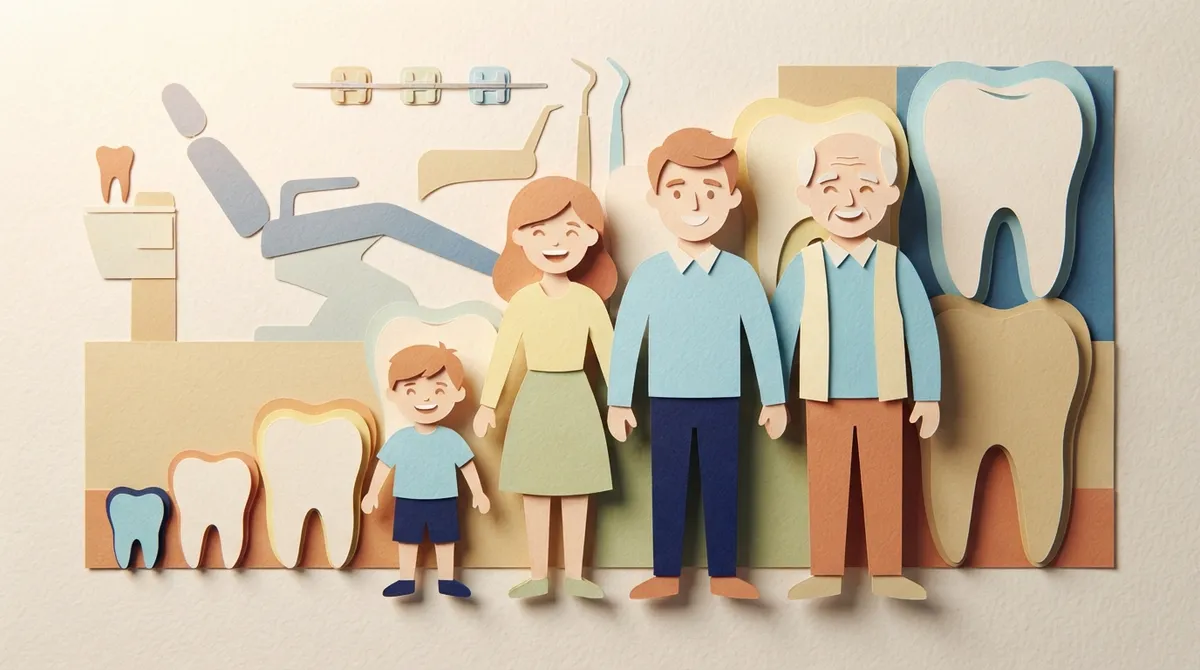
Raising a family means juggling a hundred appointments, and dental care can easily get pushed to the bottom of the list. But here’s a happy little secret: taking care of your family’s smiles doesn’t have to feel overwhelming. Whether you’re a parent wondering if your seven-year-old needs a checkup, a teenager dreaming of a graduation-ready smile, or an adult finally ready to fix that bite you’ve ignored for years, this guide walks you through it all with warmth and zero judgment.
Practices like Little Smiles Pediatric Dentistry, Orthodontics & Adult Dentistry in Yucaipa, California, have built their whole model around one simple idea: families deserve orthodontic and dental care that grows with them. From infant checkups to adult braces, having a team that understands every stage of your smile journey makes life so much easier. And if you’re in the Clearwater, Florida area, Dr. Brockway and her team bring that same family-first spirit to orthodontic care, treating patients of every age with warmth, honesty, and modern technology.

Why Age-Specific Orthodontic Care Matters So Much
Teeth and jaws change a lot over a lifetime. A five-year-old’s mouth looks nothing like a fifteen-year-old’s, and neither looks like a forty-year-old’s. That’s why good orthodontic care isn’t one-size-fits-all. It’s tailored to where you are in life.
Kids need early screenings to catch problems while their jaws are still growing. Teens often need full treatment during those big growth spurts. Adults may need a totally different approach, especially if they have fillings, crowns, or gum concerns. This is exactly why multi-age practices, whether it’s a pediatric-to-adult dental office or a dedicated orthodontic practice like Brockway Orthodontics, matter so much for busy families.
The Numbers Tell a Story
Dental health data backs this up. According to the CDC’s 2024 Oral Health Surveillance Report, about 11% of kids ages 2 to 5 already have an untreated cavity. That number jumps to nearly 18% for kids ages 6 to 8. And by age 6 to 9, about half of all kids have had decay in a baby or adult tooth at some point.
It doesn’t stop there. Roughly 10% of teens ages 12 to 19 have an untreated cavity, and about 21% of adults ages 20 to 64 do too. These stats show why ongoing dental and orthodontic care matters at every single age, not just childhood.
When Should Your Child Get Their First Orthodontic Checkup?
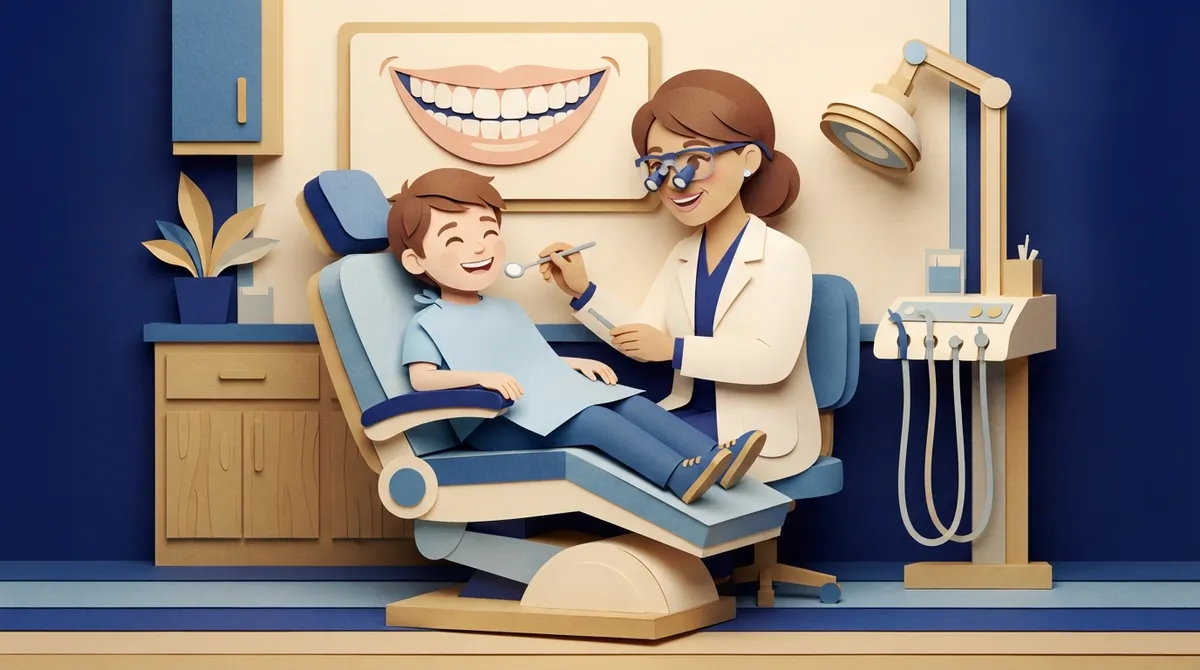
Here’s a question we hear all the time from parents: “Isn’t seven too young for an orthodontist visit?” The answer might surprise you. The American Association of Orthodontists actually recommends kids see an orthodontist by age 7.
Why so early? At this age, kids usually have a mix of baby teeth and adult teeth. This combination gives an orthodontist a clear window into how the jaw is developing. They can spot things like:
- Crowding or spacing issues before they get worse
- Crossbites or underbites forming early
- Jaw growth problems that are easier to guide while bones are still soft
- Habits like thumb-sucking that might be affecting tooth alignment
- Extra or missing teeth that need monitoring
Here’s the good news: an early checkup does not automatically mean your child needs braces right away. Most of the time, the orthodontist will simply keep an eye on things. Think of it like a well-child visit for the mouth. Our team walks families through exactly what early treatment might look like, and honestly, most kids just need a little watching and waiting.
What Happens During an Early Evaluation
Don’t worry, this isn’t a scary appointment. It’s usually quick and easy. Here’s what typically happens, step by step:
- The orthodontist takes a look at your child’s teeth, bite, and jaw growth
- X-rays or digital scans may be used to see what’s happening beneath the gums
- The team discusses any concerns, like crowding or an unusual bite pattern
- You’ll get a clear plan, whether that’s “let’s just watch this” or “let’s start early treatment”
- You leave with a timeline for follow-up visits, so nothing gets missed
If you’re curious about what a first visit really involves, our page on your first visit breaks it down step by step, so there are no surprises.
Braces and Clear Aligners for Every Age Group
One of the best parts of modern orthodontic care is choice. Nobody wants a one-size-fits-all treatment plan, and thankfully, that’s not how things work anymore.
| Age Group | Common Treatment Options | Key Considerations |
|---|---|---|
| Children (7-11) | Early intervention appliances, palatal expanders, limited braces | Focus on guiding jaw growth and creating room for adult teeth |
| Teens (12-17) | Traditional braces, ceramic braces, clear aligners | Full treatment during peak growth; social and aesthetic preferences matter |
| Adults (18+) | Clear aligners like Spark, discreet ceramic braces, traditional braces | Bone density, gum health, and existing dental work factor into planning |
For teens who want a treatment that fits their busy social calendar, our adolescent treatment options include both traditional braces and more discreet choices. And if you’re an adult who’s been putting off treatment because you didn’t want a mouth full of metal, you’ll love our Spark™ Clear Aligners, a comfortable and nearly invisible option that fits right into your professional life.
All About Braces: Metal, Ceramic, and Beyond
Traditional braces still work incredibly well, especially for more complex bite issues. They’ve also come a long way in comfort and appearance. If you want to learn more about how they work and what to expect, check out our guide on all about braces.
Some patients prefer ceramic braces because the brackets blend in with your natural tooth color. Others love clear aligners because they’re removable, which makes eating and brushing so much easier. There’s truly an option for nearly every lifestyle and budget.
Adult Orthodontics: It’s Never Too Late
We meet so many adults who assume braces are just for kids. That could not be further from the truth! In fact, adult orthodontic treatment has become incredibly common in recent years, especially as clear aligners have made the whole process more discreet.
Here’s what makes adult treatment a little different from treating kids or teens:
- Adult jaws have stopped growing, so treatment sometimes takes a bit longer
- Existing dental work like crowns or fillings needs to be factored into the plan
- Gum health plays a bigger role, since periodontal issues can affect tooth movement
- Some adults may be missing teeth, which changes how the treatment plan is built
- Lifestyle and comfort with appliance visibility often shape the final treatment choice
A thorough dental exam is always the first step before starting adult orthodontic treatment. This helps make sure your teeth, gums, and jawbone are ready and healthy enough for the journey ahead. Our adult treatment page covers everything you need to know about getting started, no matter your age or dental history.
Orthodontic Relapse: When Old Treatment Needs a Refresh
Did you have braces as a teenager but stopped wearing your retainer? You’re definitely not alone. Teeth can shift back over time, especially without consistent retainer use. The good news is that retreatment is totally possible, and often faster than your first round of treatment.
If your smile has drifted since your teenage years, it might be time to look into a new set of retainers or a short course of clear aligners to bring things back into place. Many adults find this second round of treatment even more satisfying, because they finally understand the value of sticking with retention long-term.
How Pediatric Dentistry and Orthodontics Work Together
You might be wondering: what’s the actual difference between a pediatric dentist and an orthodontist? It’s a great question, and understanding it helps you know who to call for what.
A pediatric dentist focuses on general oral health for kids. That means cleanings, cavity fillings, fluoride treatments, and helping little ones build healthy habits. An orthodontist, on the other hand, specializes specifically in how teeth and jaws align. They handle bite issues, crowding, spacing, and the appliances needed to fix them.
Practices that combine both services under one roof, like the Little Smiles model in Yucaipa, make coordination so much simpler for busy parents. Your child’s dentist can flag a bite concern, and the referral to orthodontic care happens seamlessly. While Brockway Orthodontics focuses specifically on orthodontic treatment, we work closely with families and their general dentists to make sure every part of your child’s oral health is covered.
Preventive Care Still Comes First
No matter how great your orthodontic treatment plan is, it works best when paired with solid oral hygiene. That means regular cleanings, a good brushing routine, and staying on top of cavities. The American Dental Association recommends routine dental checkups for the whole family, and this pairs perfectly with orthodontic monitoring.
Adults aren’t off the hook either. Tooth loss becomes more common with age, climbing from about 1.2% among adults 35 to 49 up to nearly 20% for adults 75 and older, according to the CDC. Keeping your teeth healthy through your orthodontic journey helps protect your smile for decades to come.
What to Expect at Your Orthodontic Consultation
Walking into a new orthodontic office can feel a little intimidating, especially if it’s your first time or your child’s first time. Here’s a simple breakdown of what usually happens:
- You’ll fill out some basic health history forms
- The team will take photos, X-rays, or digital scans of your teeth and jaw
- Dr. Brockway or a team member will review your goals and concerns with you
- You’ll get a personalized treatment plan, including timeline and cost estimates
- Questions about insurance and financing and insurance options are answered before you leave
We always make time to explain everything in plain language. No confusing jargon, just honest answers about what your smile needs. You can learn more about our approach on our services page, or explore our full list of FAQs before your visit.
Sedation and Special Considerations
Some patients, especially younger kids or those with dental anxiety, may need extra support during treatment. Practices offering sedation options, like Little Smiles does, tailor these decisions carefully based on medical history, age, and the complexity of the procedure. It’s all about making sure every patient feels safe and comfortable.
Finding the Right Orthodontic Practice for Your Family
Choosing where your family gets orthodontic care is a big decision. Here are a few things worth considering:
- Does the practice treat multiple age groups, from kids to adults?
- Do they use modern technology like digital scans instead of messy molds?
- Is the team friendly and willing to answer your questions without rushing?
- Do they offer flexible options like same-day appointments when possible?
- Can you find real reviews from other local families?
At Brockway Orthodontics, we check every one of these boxes for families across Clearwater, Florida. We use digital impressions and 3D imaging to plan treatment precisely, and in certain cases, we even offer same-day treatment starts. Dr. Brockway takes real pride in being part of the community, and it shows in how she treats every patient like family. You can learn more about her approach on our our office page.
Curious what other families think? Check out what our patients are saying, or visit us on Google — Brockway Orthodontics to read real reviews from the Clearwater community. You can also follow along with smile transformations and office updates on our Instagram and Facebook pages.
Insurance, Referrals, and Practical Questions
Before booking any appointment, it’s smart to check a few practical details. Does the practice accept your dental insurance? Do you need a referral from your regular dentist? What are the office hours?
The good news is most orthodontic practices, including ours, don’t require a referral. You can simply reach out and schedule a consultation directly. It’s also worth checking with organizations like the Florida Association of Orthodontists if you want to verify credentials or learn more about orthodontic standards in our state.
We recommend always confirming current hours, insurance participation, and provider availability directly with any office you’re considering, since these details can change from time to time.
Your Next Step Toward a Healthier Smile
Whether you’re bringing in your seven-year-old for their very first checkup, helping your teenager get ready for prom with a straighter smile, or finally treating yourself to the orthodontic care you’ve always wanted, one thing is true: you deserve a team that makes the whole process feel easy and welcoming.
Brockway Orthodontics is proud to be a trusted choice for families throughout Clearwater, Florida, offering everything from traditional braces to Spark™ Clear Aligners, all wrapped in genuine, personal care. Ready to see what’s possible for your smile? Book your appointment online today and take that first happy step toward a confident, healthy smile for your whole family.
FAQs
Q: At what age should my child have their first orthodontic evaluation?
A: The American Association of Orthodontists recommends kids get their first orthodontic checkup by age 7. Don’t worry, this doesn’t mean braces right away! It just gives the orthodontist a chance to spot any early bite or jaw concerns while there’s still time to guide growth gently.
Q: Does an orthodontic screening at age 7 mean my child needs braces immediately?
A: Not at all, and that’s actually the good news! Most kids who get an early checkup are simply put on a watch-and-wait schedule. The orthodontist keeps an eye on things and steps in with treatment only when the timing is truly right.
Q: Can adults get orthodontic treatment even with crowns, fillings, or missing teeth?
A: Absolutely! Adults with dental work can still get beautiful results with braces or clear aligners. We just take a closer look at your gum health, bone support, and existing restorations to build a treatment plan that’s safe and effective for you.
Q: What’s the difference between pediatric dentistry and orthodontic care?
A: Great question! Pediatric dentists focus on general oral health for kids, like cleanings and cavity fillings. Orthodontists specialize in aligning teeth and jaws, using braces or aligners to fix crowding, spacing, and bite issues. Many families use both together for complete care.
Q: How long does orthodontic treatment usually take?
A: It really depends on your unique smile! Treatment time is shaped by things like how much movement is needed, your age, and the type of appliance used. Many patients see great results in one to two years, and we’ll give you a personalized timeline at your consultation.
Our Service Area