Key Takeaways
-
Orthodontic relapse is common and often fixable, but a clinician-led evaluation is needed to find out how far teeth moved and why before choosing a treatment.
-
Current evidence does not show that clear aligners cause more relapse than braces; a 2025 expert consensus found similar relapse rates, though evidence quality is low.
-
Inconsistent or stopped retainer wear is one of the most common causes of relapse, so retention habits matter as much as the original treatment.
-
Bring every retainer you own, including old or ill-fitting ones, plus treatment history and honest notes on wear habits to help the evaluation.
-
Never force an old retainer that feels tight; a poor fit can press unevenly on teeth, so have it checked by your orthodontist first.
-
Retreatment timelines vary by case, and a digital treatment plan is a projection rather than a guarantee, so regular check-ins are essential.
You wore your braces. You followed the rules. Then life got busy, the retainer ended up in a drawer, and now one front tooth seems to be sneaking out of line. Sound familiar? You are far from alone, and the good news is that shifted teeth are often fixable.
A clear aligner evaluation after orthodontic relapse is the first step toward finding out what happened and what can be done about it. It is not a sales pitch. It is a careful, clinician-led check of how far your teeth moved, why they moved, and whether aligners are the right tool to bring them back.
In this friendly guide, you will learn what relapse really is, how to get ready for your visit, what an orthodontist looks at, and how to protect your smile once retreatment is done. We will also be honest about what the research does and does not tell us, because you deserve straight answers.
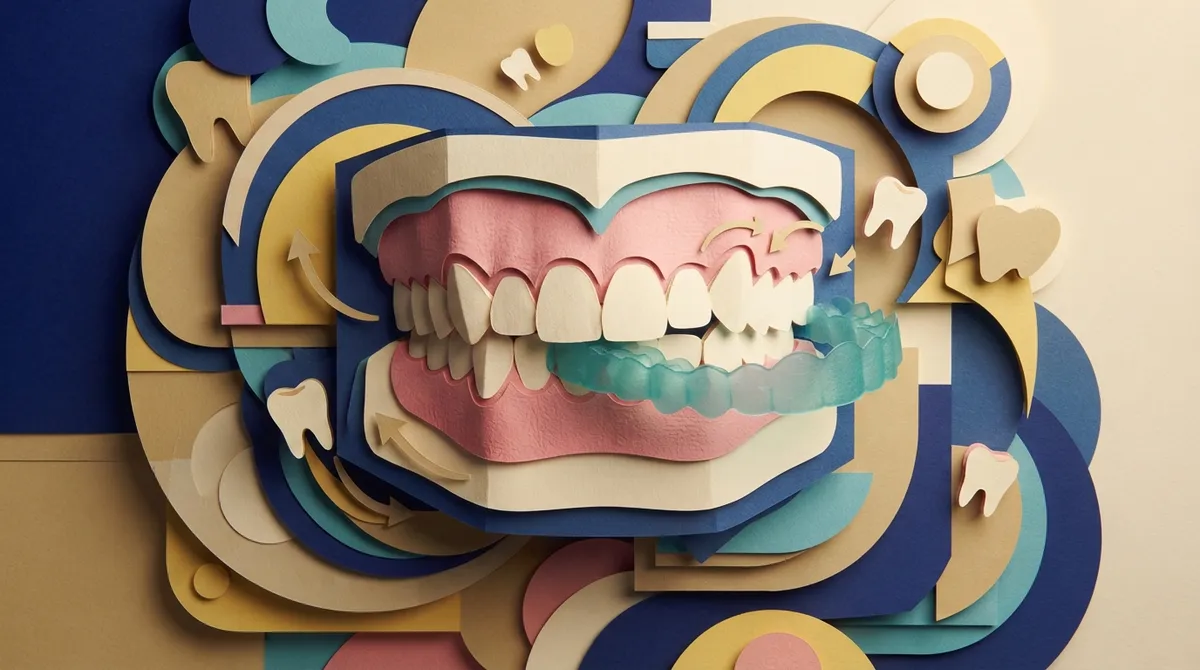
What Orthodontic Relapse Really Means
Orthodontic relapse is the return or worsening of tooth misalignment after active treatment ends. Teeth have a natural memory. The ligaments and gum fibers around them need time to settle into their new spots, and they can pull teeth back if nothing holds them in place.
Relapse can follow treatment with braces or clear aligners. Current evidence does not show that one type of appliance consistently causes more relapse than the other. In a 2025 expert consensus on clear aligner therapy, 78% of panelists agreed that relapse is similar with aligners and conventional fixed appliances. The panel also stressed that the supporting evidence is low, so this is an informed opinion rather than a settled fact.
Common Signs Your Teeth Have Shifted
- Your old retainer feels tight or no longer snaps in.
- Lower front teeth look more crowded or overlapped.
- New gaps appear between teeth that were once closed.
- Your bite feels different when you chew.
- Floss catches or shreds in spots where it used to glide.
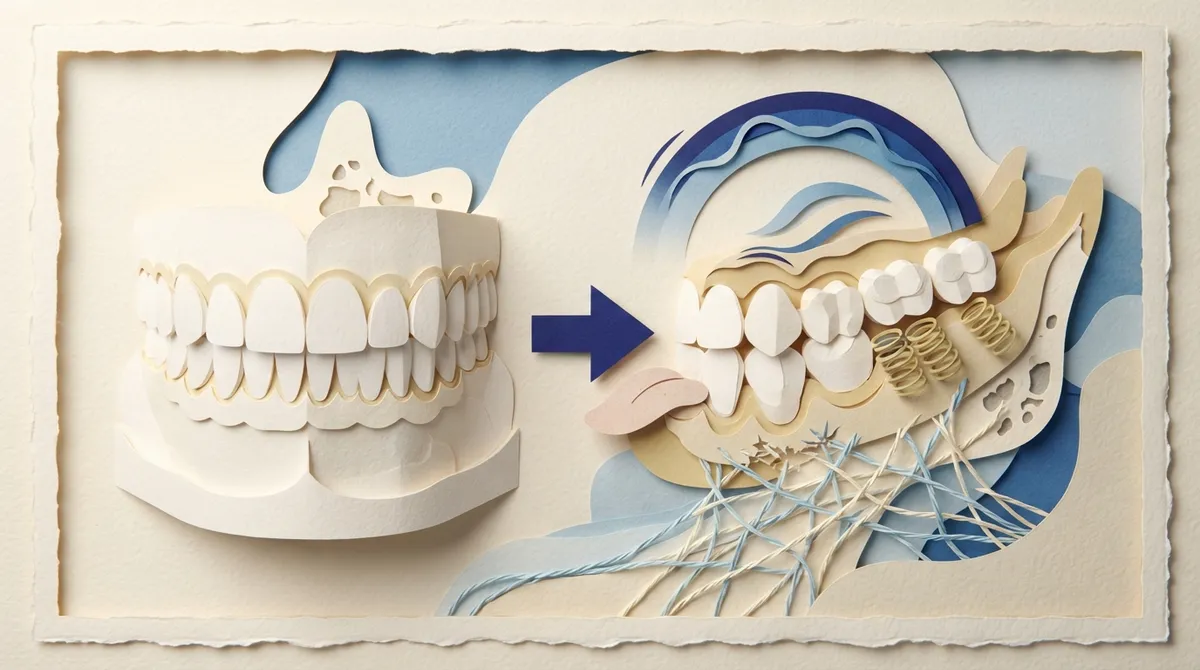
Why Teeth Move After Treatment
Knowing the cause matters, because the cause shapes the plan. If we fix the position but ignore the reason, the teeth may simply move again. Relapse may reflect several factors:
- Inconsistent or stopped retainer wear: This is one of the most common reasons.
- Incomplete gum and soft-tissue adaptation: Supporting tissues can take time to settle.
- The original problem: Some bites and tooth movements are simply more prone to shifting.
- Bite and occlusal factors: How your teeth meet can push them around over time.
- Growth and aging: Mouths keep changing throughout life.
- Habits and muscle forces: Tongue thrusting, nail biting, or clenching can nudge teeth.
A good evaluation sorts a small alignment change from something broader, such as a bite, gum, or jaw concern. That difference decides whether a simple fix will do or whether a bigger plan is needed.
How to Get Ready for Your Evaluation
A little preparation makes your visit smoother and your results better. Here is a simple checklist to follow.
- Gather your treatment history. Note when you had braces or aligners, how long they lasted, and who treated you. Old photos or records are a bonus.
- Bring your retainers. Bring every one you have, even the old, cracked, or ill-fitting ones. They help show how much movement has happened.
- Write down your retainer habits. Be honest about how often you wore them. No judgment here. It simply helps us understand the cause.
- List your goals and worries. Do you want a perfect smile, or just to stop further movement? Do you have jaw pain or chewing trouble?
- Note your health changes. Mention new medications, gum problems, dental work, or habits like grinding.
- Plan your questions. Ask about timeline, cost, and what happens afterward.
If you are new to the practice, our first visit page walks you through what to expect, and our guide on what to expect during your orthodontic exam covers the basics in more detail.
What Happens During the Evaluation
A thorough relapse evaluation is more than a quick look. It aims to establish what changed and why. Here is what it typically includes.
Your History and Goals
We start by talking. We ask about your past treatment, your retainer routine, any symptoms, and what you hope to achieve. Your story gives us clues that no scan can.
The Clinical Exam
Next comes a check of your face, mouth, teeth, and gums. We look at tooth health, gum health, and how your bite fits together. We also take photographs and measure tooth positions.
Digital Scans and Records
Current digital scans or dental models show exactly where your teeth sit today. Comparing them with older records helps us see how far things have moved.
Imaging, Only When Needed
X-rays are chosen based on clinical need and are not automatic. The 2025 expert consensus lists panoramic and cephalometric images among possible records. A 3D CBCT scan is considered only when it answers a specific diagnostic question, not as a routine scan for everyone.
| Evaluation Step | What It Tells Us | Always Needed? |
|---|---|---|
| Treatment and retainer history | Likely cause of the shift | Yes |
| Clinical and gum exam | Tooth, gum, and bite health | Yes |
| Photos and measurements | Amount and direction of movement | Yes |
| Digital scans or models | Current tooth positions | Yes |
| Panoramic or cephalometric X-ray | Roots, bone, and jaw relationships | Based on need |
| CBCT 3D scan | Answers a specific diagnostic question | Only when justified |
Are Clear Aligners a Good Fit for Relapse?
For many people, yes. Clear aligners can be an option for selected patients with mild or moderate post-treatment tooth movement. They are discreet, removable, and comfortable, which appeals to busy adults and teens alike.
Still, suitability depends on several things:
- The specific movements needed to bring teeth back
- The health of your teeth and gums
- Root and bone considerations
- Your bite
- Your ability to wear aligners as prescribed
More complex cases may call for fixed appliances, combined treatment, or another approach. That is not a failure. It is simply matching the tool to the job. If you want to explore your options, our Spark™ Clear Aligners page explains one of the options we offer, and our comparison of clear aligners vs. braces can help you weigh the choices.
Aligners vs. Braces for Relapse at a Glance
| Factor | Clear Aligners | Braces |
|---|---|---|
| Best suited for | Mild to moderate shifting | Mild to complex cases |
| Appearance | Nearly invisible | Metal or ceramic options |
| Removable | Yes, but wear time matters | No, fixed in place |
| Patient role | High, you must wear them as directed | Lower, always working |
| Complex bite or tooth movements | May be limited | Often more control |
Research on which is better for relapse is still limited. One earlier review found more relapse in aligner cases, while another meta-analysis found no difference between appliance types. That mixed picture reflects uncertainty, not a clear winner. A 2019 literature review also noted limited research on aligner effectiveness and long-term stability. In short, no single reliable relapse percentage exists, so the best choice is the one that fits your own teeth and habits.
Understanding the Digital Treatment Plan
If aligners look suitable, you will likely see a digital simulation of your planned tooth movements. It is a wonderful planning tool, and it is fun to see your future smile on screen. Just remember that it is a plan, not a guarantee.
Teeth do not always move exactly as drawn. That is why your orthodontist checks aligner fit and tooth tracking along the way. If the real movement drifts from the design, the plan can be revised, or helpful extras can be added. Regular check-ins are a key part of getting a great result.
Having a team that uses modern tools can make this smoother. At Brockway Orthodontics in Clearwater, we use digital impressions and 3D imaging so planning is precise and comfortable, with no messy molds.
What About Your Old Retainer?
It is tempting to jam in that old retainer and hope for the best. Please do not. A retainer that no longer fits well can put uneven pressure on your teeth. Likewise, do not restart old aligners on your own without professional advice.
If your retainer feels tight, stop and call. A quick check can tell us whether it is safe to use or whether you need a new one. Our retainers page covers the types we offer, and our guide on what to do if your retainer breaks is handy if yours has cracked.
How Long Will Retreatment Take?
This is the question everyone asks, and the honest answer is: it depends. No universal retreatment timeline exists. Small shifts may need less time than larger ones, and your own biology plays a role. Your orthodontist can give you an estimate after reviewing your records, and that estimate may change as treatment moves along.
Keeping Your Smile Steady After Retreatment
Retention is the heart of long-term success. Without it, teeth can shift again, and nobody wants to repeat the process. A good retention plan is personal to you.
- Choose the right retainer type. Options include removable and fixed styles, and the best choice depends on your teeth and lifestyle.
- Follow the wear schedule. Your orthodontist will tell you how often to wear it, and that schedule matters.
- Keep your follow-up visits. These check fit, alignment, bite, and oral health.
- Care for it daily. Clean your retainer and store it safely in its case.
- Replace it when needed. Retainers wear out, so ask about replacement before problems start.
Quick tip: always keep your retainer in its case, never wrapped in a napkin. Napkins end up in the trash far more often than you would think!
Who Can Benefit From a Relapse Evaluation?
Relapse touches people of every age. Adult professionals often want a quick, discreet fix without disrupting their work life. Young adults may want to look their best before a big milestone. Parents sometimes notice their teen’s teeth drifting after braces. Our pages on adult treatment and adolescent treatment show how we tailor care to each stage of life.
If you also care about gum health or have more complex dental needs, mention that at your visit. Healthy gums and bone are the foundation of safe tooth movement, and your plan should reflect that.
Ready to Take the Next Step?
Relapse is common, fixable, and nothing to be embarrassed about. The sooner you have your teeth checked, the simpler the solution often is. Whether you need a fresh retainer, a short round of aligners, or a more complete plan, a careful evaluation points you in the right direction.
Dr. Brockway takes time to listen and explain your options in plain language, so you always know what to expect. Want to see what our patients say? Visit our Brockway Orthodontics location on Google to read their stories. For general oral health guidance, the American Dental Association is a trusted resource, and you can find more about our field through the Florida Association of Orthodontists.
Ready to find out what your teeth need? Book your appointment online and let us take a look. If you have questions first, feel free to contact our friendly team. We would love to help you get your smile back on track.
FAQs
Q: Can clear aligners fix teeth that have shifted after braces?
A: Often, yes, especially for mild to moderate shifting. Whether aligners are right for you depends on the movements needed, your tooth and gum health, and your bite. An orthodontist can tell you after a proper evaluation.
Q: Do I need new X-rays or scans before clear aligner retreatment?
A: You will usually need current digital scans or models so we can see where your teeth are today. X-rays are chosen only when there is a clinical reason, and a 3D CBCT scan is used only when it answers a specific question.
Q: What should I do if my old retainer no longer fits?
A: Please do not force it in. A poorly fitting retainer can press unevenly on your teeth, so call your orthodontist. We can check your teeth and tell you whether you need a new retainer or a retreatment plan.
Q: How can I prevent my teeth from shifting again after retreatment?
A: Wear your retainer exactly as prescribed, keep your follow-up visits, and replace the retainer when it wears out. A retention plan that fits your teeth and lifestyle is the best protection for your results.
Q: Are clear aligners or braces better for correcting relapse?
A: Neither is better for everyone. Research comparing the two for relapse is still limited, so the best choice depends on how far your teeth moved, your bite, and your lifestyle. Your orthodontist will help you pick the right fit.
Our Service Area