Key Takeaways
-
Teeth naturally drift back toward old positions (relapse) because bone and gum fibers need months to stabilize after braces or aligners, so the first months are the highest-risk period.
-
Not wearing your retainer as prescribed is one of the most common and most preventable causes of shifting, so set phone reminders and follow your orthodontist's wear schedule.
-
Store your retainer in a case, rinse it daily, and keep it away from heat, since wrapping it in a napkin or leaving it in hot water are common ways retainers get lost or warped.
-
A retainer that suddenly feels tight can be an early sign that teeth have moved, but never force it into place; contact your orthodontist for an assessment instead.
-
Tooth movement continues throughout life, and aging can cause lower front teeth to crowd, which is why many orthodontists recommend long-term or even indefinite retainer wear.
-
Avoid DIY fixes like pushing teeth with your fingers or using old, ill-fitting retainers; a professional exam can determine whether a retainer adjustment or limited retreatment is needed.
You finally got your braces off or finished your last clear aligner tray. Your smile looks amazing, and you can’t stop checking the mirror. Then, a few months later, something feels a little different. Maybe your bottom teeth look a bit crowded again, or your retainer feels snug. Don’t panic! You’re not alone, and it’s something you can do something about.
Understanding why teeth may shift after orthodontic treatment is the first step to protecting the smile you worked so hard for. The good news? Once you know what causes movement, you can take simple steps to keep your results in place. This guide walks you through the main reasons teeth move, how to prevent it, and what to do if you notice changes. We’ll keep it friendly and easy, because your smile should never feel like a mystery.
Why Do Teeth Shift After Braces or Aligners?
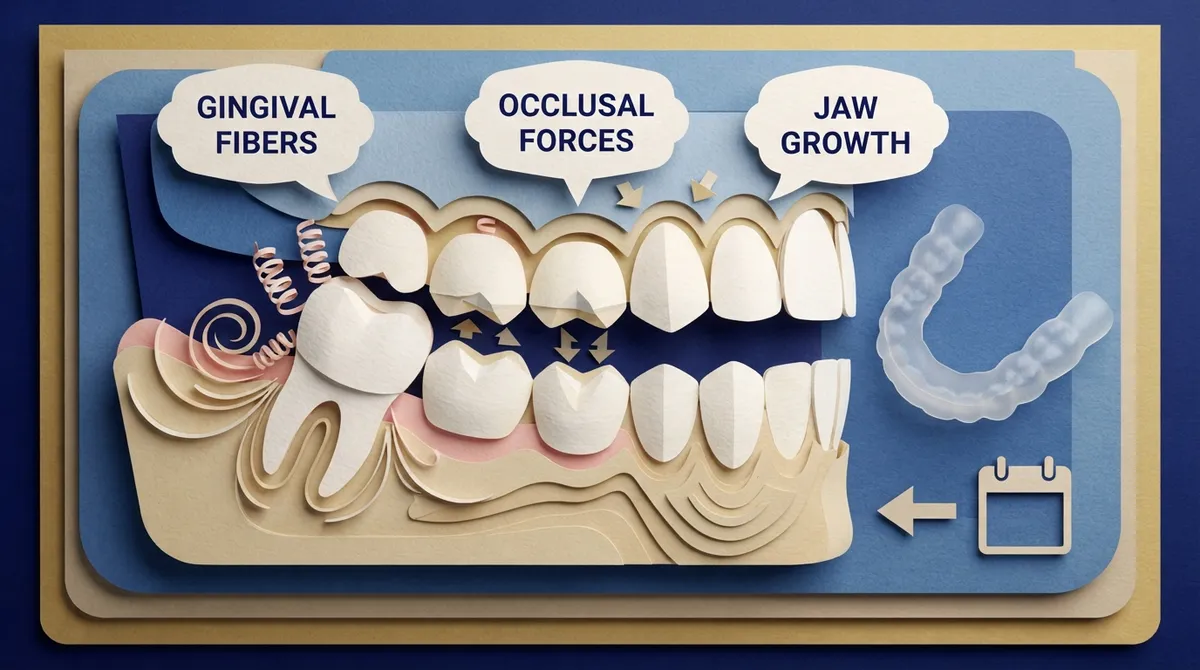
Here’s the short answer: teeth are never completely “set.” They sit in your jaw, held by bone and soft tissue, and they naturally respond to pressure. Orthodontic treatment moves them into new positions, but your body needs time to adjust to those changes.
The tendency for teeth to drift back toward their old positions is called relapse. It’s a normal part of the process, and it’s the reason retainers exist. Think of it like a freshly planted tree. It needs a stake to hold it steady while the roots settle in.
The Quick Answer for Busy Readers
Teeth may shift after orthodontic treatment for three main reasons:
- Tissues need time to adapt. The bone and gum fibers around your teeth are still settling after active movement.
- Teeth naturally want to move. Tooth movement is a lifelong process, not something that stops after treatment.
- Retainers aren’t worn as prescribed. Skipping nights or losing a retainer is a common, preventable cause.
Step 1: Understand What Happens Inside Your Mouth
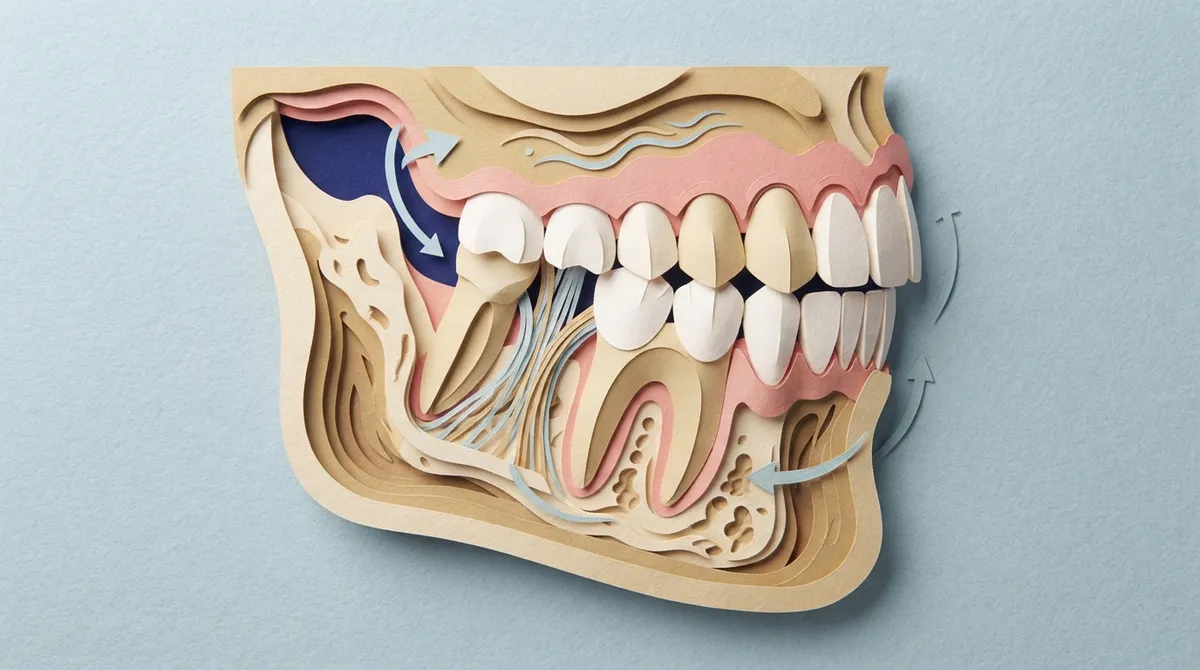
Braces and aligners work by applying gentle, steady pressure. Over time, your jawbone remodels around each tooth, allowing it to settle in a new spot. But that remodeling takes time to fully stabilize.
The fibers in your gums also have a kind of “memory.” They can pull teeth back toward where they used to be. This is why the first months after treatment are often the most important. Relapse risk is often greatest in that early period, when everything is still settling into place.
Why Movement Varies From Person to Person
No two smiles shift the same way. The amount and speed of movement can’t be predicted precisely. Several things play a role:
- The original type and severity of your misalignment
- How your body responds to tooth movement
- Growth and development, especially in younger patients
- Everyday forces on your teeth, such as habits or jaw function
This is why a personalized plan matters. At Brockway Orthodontics, Dr. Brockway takes time to understand your unique smile, so your retention plan fits you and not just a generic template.
Step 2: Know the Most Common Causes of Shifting
Let’s break down the biggest reasons teeth move after treatment. Some you can control, and some are just part of life.
| Cause | What Happens | Can You Prevent It? |
|---|---|---|
| Not wearing your retainer | Teeth drift back toward old positions | Yes, follow your schedule |
| Lost or damaged retainer | Gaps in protection let teeth move | Yes, replace it quickly |
| Natural aging changes | Teeth and jaws change over the years | Partly, with long-term retention |
| Tissue settling | Bone and gums adjust slowly | Yes, with consistent early wear |
| Original misalignment | Some bite issues are more prone to relapse | Partly, with the right plan |
| Ongoing forces on teeth | Habits and jaw function push teeth | Sometimes |
Skipping the Retainer Is the Big One
If there’s one thing to remember, it’s this: not wearing your retainer as prescribed is one of the most common and most preventable causes of shifting. It’s easy to get comfortable once the braces are off. Life gets busy, and a retainer in a case can feel like one more thing to remember.
But those little reminders matter. Wearing it consistently, especially in the early months, helps your teeth stay exactly where you want them. If you want a deeper look at keeping your results, our guide on how to wear a retainer after braces and keep your smile is a great next read.
Aging Changes Everyone’s Smile
Here’s something many people don’t realize: even with perfect treatment and perfect retainer habits, teeth can still change with age. Lower front teeth, in particular, tend to crowd a bit over time. This is a normal part of how our mouths change across a lifetime.
That’s why orthodontic organizations and clinical services commonly advise long-term retention, sometimes indefinitely. It’s not a sign that something went wrong. It’s simply how you protect your investment for years to come. Learn more about why your smile may need retainers for life.
Step 3: Choose the Right Retainer for You
Not all retainers are the same, and the best choice depends on your case. Your orthodontist will recommend the type and wear schedule that fits your needs. You can read more about our retainer options to see what’s available.
| Retainer Type | How It Works | Good to Know |
|---|---|---|
| Removable clear retainer | Fits over your teeth like a thin tray | Easy to wear; must be worn as directed |
| Hawley retainer | Wire and acrylic design that can be adjusted | Durable and long-lasting |
| Fixed (bonded) retainer | Thin wire attached behind teeth | Always working; needs careful cleaning |
Some orthodontic services describe a common schedule of nightly wear for the first year, followed by alternate nights or ongoing wear. But schedules differ from patient to patient, so your orthodontist’s instructions always come first.
Step 4: Build Daily Habits That Protect Your Smile
Keeping your teeth in place doesn’t need to be complicated. A few simple habits go a long way. Here’s an easy routine to follow:
- Wear your retainer exactly as prescribed. Set a phone reminder if it helps, especially in the first few months.
- Keep it clean. Rinse it daily and brush it gently so it stays fresh and fits well.
- Store it safely. Always use a case. Wrapping it in a napkin is a surprisingly common way retainers end up in the trash!
- Keep it away from heat. Hot water and hot cars can warp a retainer so it no longer fits.
- Keep up with checkups. Regular visits help catch small changes early.
If you ever lose or break your retainer, don’t wait. Our quick guide on what to do if your retainer breaks can help you take the right next steps.
Step 5: Recognize the Early Signs of Shifting
Catching movement early makes it much easier to fix. Keep an eye out for these signs:
- Your retainer feels tight or no longer fits comfortably
- Your teeth look more crowded or overlapped than before
- New gaps appear between your teeth
- Your bite feels different when you chew
- Your front teeth look like they’re twisting or tilting
A snug retainer can actually be a helpful early warning that teeth have moved. But here’s the important part: never force a tight retainer into place. It might feel like it will push your teeth back, but it can cause discomfort or damage without professional guidance.
Step 6: Know What to Do If Your Teeth Have Shifted
First, take a deep breath. Shifting is common, and there are good solutions. The key is to get an orthodontist’s assessment rather than trying to fix it on your own.
During an exam, your orthodontist will look at your teeth, your bite, and your retainer. Depending on how much movement has happened, options may include:
- A replacement or adjusted retainer for small changes
- Limited orthodontic retreatment, such as a short round of clear aligners
- More comprehensive treatment if movement is significant
Many adults who had braces years ago come back for a touch-up, and it’s usually much simpler than the first time. If this sounds like you, explore our adult treatment options or learn about Spark™ Clear Aligners, a comfortable and affordable way to refine your smile.
Why You Should Avoid DIY Fixes
It’s tempting to search for quick tricks online. But pushing teeth with your fingers, using old retainers that no longer fit, or trying mail-order shortcuts can do more harm than good. Teeth sit in delicate supporting tissue, and moving them the wrong way can affect your gums and bite. A professional assessment keeps your treatment safe and effective.
Tips for Different Stages of Life
The way you think about retention may change depending on your age and situation. Here’s a quick look:
- Kids and teens: Growth can change how teeth settle, so consistent retainer wear matters. Parents can help by making retainer time part of the nightly routine. See our adolescent treatment page for more.
- Young adults: Busy schedules, travel, and dorm life make retainers easy to lose. Keep a case in your bag and a backup plan ready.
- Working professionals: Nightly wear fits easily into a bedtime routine and keeps your smile looking sharp for work and social events.
- Adults retreating after relapse: It’s never too late to refresh your smile, and a personalized plan can help make results last.
Real-Life Tips From Our Orthodontic Family to Yours
At Brockway Orthodontics, we love seeing patients keep their smiles for the long haul. Here are a few friendly pointers we share with families all the time:
- Treat your retainer like your phone. If you’d panic when it’s missing, you’re giving it the right level of care!
- Bring your retainer to checkups so we can make sure it still fits well.
- Don’t wait to call if something feels off. Early fixes are usually quick and simple.
- Ask questions. There’s no such thing as a silly question when it comes to your smile.
Our modern tools, like digital impressions and 3D imaging, also make it easier to create well-fitting retainers and plan any follow-up care with precision. Curious about what to expect? Take a peek at our office or learn about your first visit.
Keeping Perspective: Shifting Is Normal, Not a Failure
If your teeth have moved a little, please don’t be hard on yourself. Tooth movement is a natural, lifelong process. It doesn’t mean your treatment failed or that you did something terribly wrong. It simply means your teeth are living, responsive parts of your body.
The goal isn’t perfection. It’s staying proactive. With the right retainer, steady habits, and a supportive orthodontic team in your corner, you can keep your smile looking and feeling great for years. For more ways to get the most from your care, check out how to get the most out of your orthodontics care.
Ready to Protect Your Smile?
Whether your braces just came off or you’ve noticed a little movement years later, we’re here to help. Dr. Brockway and our friendly team love guiding families and adults through every step, with care that feels personal and welcoming. You can also visit us on Google — Brockway Orthodontics to see what our patients say about their experience.
For general oral health guidance, the American Dental Association is a trusted resource, and the Florida Association of Orthodontists offers helpful information about orthodontic care in our state. For a deeper look at retainer types and life after braces, the American Association of Orthodontists retainer guide is also worth a read.
Noticing changes, or just want peace of mind? We’d love to see you. Book your appointment online today, or contact us with any questions. Your smile is worth protecting, and we’re happy to help you do it.
FAQs
Q: Why are my teeth shifting after braces?
A: Teeth can move after braces because the bone and tissues around them need time to settle, and teeth naturally tend to drift toward old positions. Not wearing your retainer as prescribed is a common, preventable cause. The good news is that an orthodontist can assess the movement and guide you on next steps.
Q: Can teeth move years after orthodontic treatment?
A: Yes, they can! Tooth movement is a normal lifelong process, and aging can change how your teeth and jaws line up, even after successful treatment. That’s why many orthodontists recommend long-term retainer wear to help keep your smile steady.
Q: What should I do if my retainer feels tight or no longer fits?
A: A tight retainer can be a sign your teeth have shifted, so please don’t force it into place. Give your orthodontist a call so they can check your teeth, bite, and retainer, then recommend the right fix.
Q: Do I need to wear my retainer for life?
A: Many orthodontic organizations commonly advise long-term retention, sometimes indefinitely, to help maintain alignment. The right wear schedule depends on your individual case, so follow your orthodontist’s personalized instructions.
Q: How can an orthodontist fix teeth that have shifted?
A: It depends on how much movement has happened. Options can include a replacement or adjusted retainer, a short round of limited retreatment like clear aligners, or more comprehensive treatment for bigger changes. Your orthodontist will recommend the best path after a quick exam.
Our Service Area