Key Takeaways
-
Electric toothbrushes are safe with fixed braces when used gently, and their built-in timer helps you reach a full two minutes, though research shows no clear overall advantage over manual brushes.
-
Technique matters most: place the head on the tooth before turning it on, angle bristles about 45 degrees toward the gumline, and let the brush glide rather than scrub.
-
An electric brush can't reach under the archwire or between teeth, so add interdental brushes or floss threaders to your evening routine.
-
Brush for two minutes at least twice a day with fluoride toothpaste, and brush after meals and snacks when possible, since food gets trapped easily around brackets.
-
Replace brush heads at least every three months and choose soft bristles, since worn heads and heavy pressure cause more problems than gentle use.
-
Skipping thorough cleaning can cause gum inflammation, cavities around brackets, and white spots that may become permanent after braces come off.
Getting braces is exciting. You’re on your way to a healthier, straighter smile! But those shiny brackets and wires also create lots of tiny nooks where food and plaque love to hide. That’s why so many patients ask us the same question: can electric toothbrushes and braces work well together?
The short answer is yes. An electric brush is safe with fixed braces, and many people find it easier to stay consistent with one. But here’s the honest part. It’s not magic. Research does not show a clear winner between powered and manual brushes for people in braces. What matters most is your technique, your toothpaste, and your daily habits.
In this friendly guide, you’ll learn exactly how to brush with an electric toothbrush when you have braces. We’ll cover the right brush head, step-by-step technique, and the extra tools that make a big difference. Whether you’re a teen, a parent helping your child, or an adult starting treatment, you’ll walk away with a simple plan you can follow tonight.
Can You Use an Electric Toothbrush With Braces?
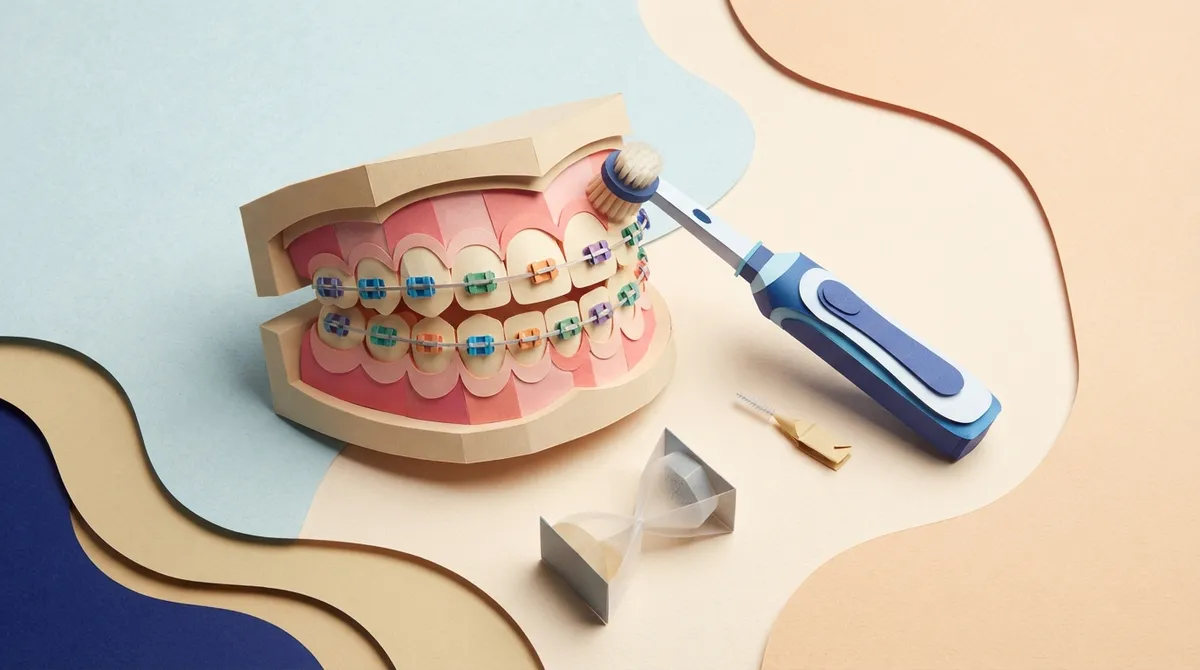
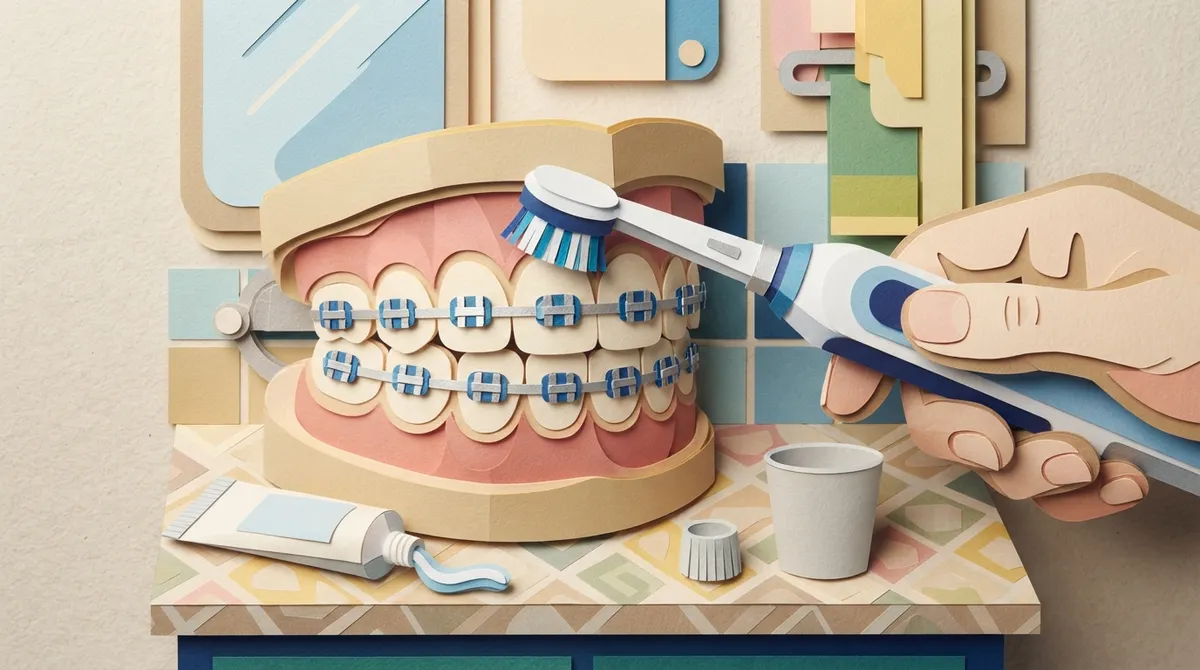
Yes, you can. Electric toothbrushes are compatible with fixed braces, and they will not loosen brackets when used gently. Always follow your orthodontist’s instructions and the brush maker’s guidance. A manual toothbrush also works well when used carefully and consistently.
Why do so many people like powered brushes? They do some of the work for you. The built-in timer helps you reach a full two minutes. The steady motion can also help if you tend to rush or scrub too hard.
That said, an electric brush can’t clean everything. It won’t reach well under the wire or between teeth. So think of it as one great tool in your toolkit, not the whole toolbox.
Are Electric Toothbrushes Better Than Manual Ones for Braces?
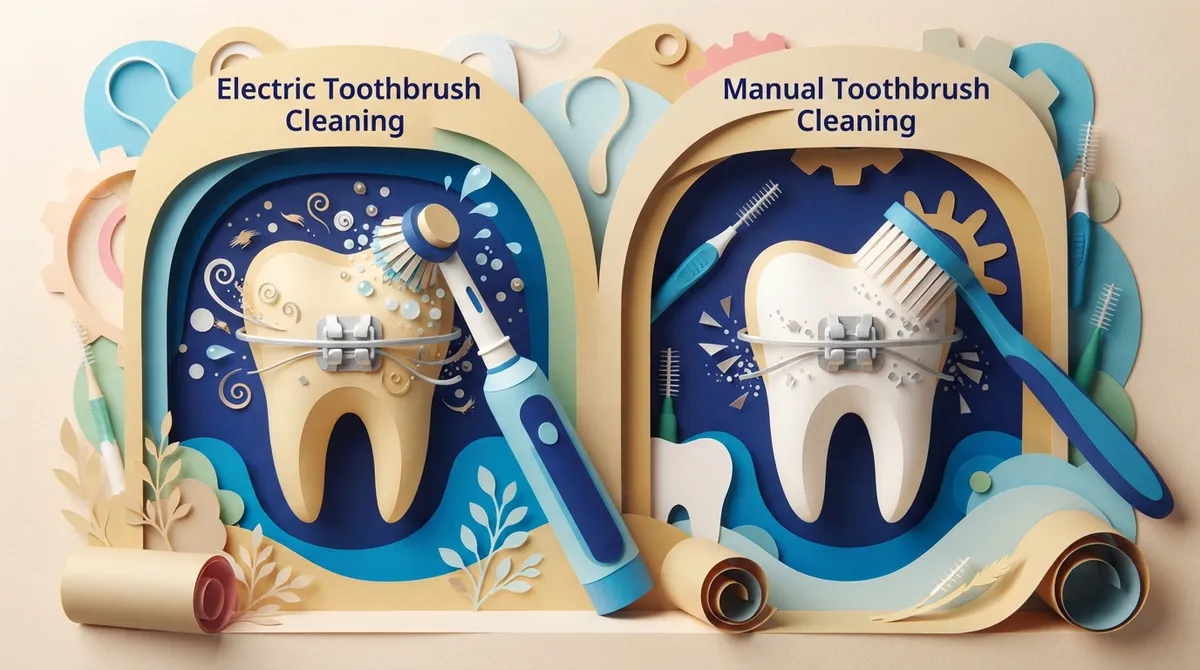
Here’s what the evidence says. A 2023 umbrella review of oral self-care for orthodontic patients found no clear overall advantage for powered brushes over manual ones. Differences in plaque and gum measures were often not statistically significant.
In other words, the best toothbrush is the one you will actually use well, every single day. Here is a quick comparison to help you decide.
| Feature | Electric Toothbrush | Manual Toothbrush |
|---|---|---|
| Built-in two-minute timer | Usually yes | No, you need a separate timer |
| Ease of use | Brush does the motion for you | Relies fully on your hand technique |
| Plaque removal with braces | No proven overall advantage | No proven overall advantage |
| Cost | Higher upfront, plus replacement heads | Low and easy to replace |
| Travel and convenience | Needs charging or batteries | Goes anywhere |
| Best for | People who rush or scrub too hard | People who prefer full control |
If you love your manual brush and use it well, keep it! If you like gadgets and want a little help with timing, an electric brush is a great pick.
Choosing the Right Electric Brush for Braces
You don’t need the fanciest model. Look for a few simple features that make life with braces easier.
- A small, round or compact head: It reaches around brackets and the back molars more easily.
- Soft bristles: They protect your gums and enamel while still cleaning well.
- A two-minute timer: This helps you brush long enough every time.
- A pressure sensor (nice to have): It warns you if you press too hard.
- Replaceable heads: You will need fresh ones often.
Some brands sell “orthodontic” heads with a V-shaped or notched design. These can be handy, but they aren’t required. A good soft, small head and careful technique go a long way.
How to Brush Around Brackets and Wires With an Electric Toothbrush
Technique is where the real magic happens. Brackets and wires trap plaque, so you need to clean each tooth with care. Let the brush do the work. You do not need to scrub.
- Add a pea-sized amount of fluoride toothpaste. Fluoride helps protect enamel around your brackets.
- Start with the brush off. Place the head on your tooth first, then turn it on. This keeps toothpaste from splattering.
- Angle toward the gumline. Tilt the bristles about 45 degrees where your gums meet your teeth. Plaque loves to build up here.
- Guide the brush slowly. Rest the head against each tooth for a few seconds. Move gently along the gumline, one tooth at a time.
- Clean above the brackets. Angle the bristles down toward the top edge of each bracket and tooth surface.
- Clean below the brackets. Now angle the bristles up to reach the surface beneath the bracket.
- Brush the brackets themselves. Hold the head flat against the front of each bracket for a moment.
- Don’t forget the inside and chewing surfaces. The backs of your teeth and the tops of your molars need love, too.
- Finish with your tongue. A quick, gentle brush helps freshen your breath.
Take your time. A thorough clean with braces often feels slower than brushing without them, and that’s perfectly normal.
How Often Should You Brush With Braces?
Plan to brush for about two minutes, at least twice a day, with fluoride toothpaste. The American Association of Orthodontists also advises two minutes each time. Many orthodontic guides add a bonus tip: brush after meals and snacks, too. Food gets stuck easily around braces, so this simple habit makes a big difference.
After brushing, spit out the extra toothpaste. If your orthodontist suggests it, skip rinsing right away so the fluoride can stay on your teeth a bit longer. When in doubt, follow the personal instructions from your treatment team.
On busy days, keep a travel brush in your bag. A quick clean after lunch beats waiting until bedtime.
Why a Toothbrush Alone Isn’t Enough
Here’s something many new patients don’t expect. Even the best brush can’t clean under the archwire or between tight teeth. That’s where a few helpful extras come in.
- Interdental brushes: These tiny brushes slip under the wire and around brackets. They are commonly recommended for orthodontic cleaning.
- Floss or floss threaders: Threaders help you slide floss under the wire to clean between teeth.
- Water flossers: Many patients find them helpful as a bonus step, though they do not replace brushing.
- Fluoride mouth rinse: Ask your orthodontist if it’s a good fit for you.
So, do you need an interdental brush if you already use an electric toothbrush? In most cases, yes. They clean spots the brush head simply can’t reach. If you want even more tips, our guide on 7 smart ways to clean teeth with braces walks through more options.
What Happens If You Skip Thorough Cleaning?
We never want to scare anyone, but it helps to know why this matters. When plaque stays around brackets, it can cause a few problems:
- Gum inflammation and bleeding: Puffy, red gums are a common sign of poor cleaning.
- Tooth decay: Cavities can form around the edges of brackets.
- White spots or brown marks: These are called demineralization, and they can be permanent once your braces come off.
The good news? These problems are very preventable. A steady routine and regular check-ups keep your smile healthy while it changes. If you want to see how this ties into your results, take a look at our post on how to clean your braces properly.
Can an Electric Toothbrush Damage Your Braces?
Not when you use it the right way. A powered brush will not pop off healthy brackets on its own. Problems usually come from pressing too hard or using a worn, frayed brush head.
Here are a few easy habits that protect your braces:
- Use light pressure and let the brush glide.
- Choose soft bristles.
- Replace the brush head at the first sign of wear, or at least every three months, as the American Association of Orthodontists advises.
- Skip very hard or abrasive toothpastes.
If a bracket ever feels loose or a wire pokes you, don’t wait. Our emergency orthodontist care in Clearwater is here for quick, friendly help.
Tips for Parents, Teens, and Adults
Every age group has its own little challenges. Here are a few ideas that work well.
For Parents of Children and Teens
Kids and teens can be rushed in the morning. An electric brush with a timer takes some of the guesswork out. Check in on their routine for the first few weeks, and try a simple sticker chart for younger kids. Wondering what else to expect? Our orthodontics for kids guide has more helpful tips.
For Teens and Young Adults
Between school, sports, and social plans, it’s easy to skip steps. Keep a small kit in your backpack with a travel brush, toothpaste, and interdental brushes. A fast clean before photos or big events keeps your smile camera-ready.
For Busy Adult Professionals
Long workdays can make midday cleaning tricky. Keep a spare brush in your desk drawer. A quick two-minute clean after lunch helps prevent plaque from sitting around all afternoon. If you’re just starting treatment, our adult treatment page shows what care can look like.
What About Clear Aligners?
If you wear clear aligners instead of braces, brushing is a little different. You remove your aligners to brush and floss, so there are no brackets to work around. You still want to brush your teeth before putting the trays back in. Interested in this option? Learn more about Spark™ Clear Aligners at Brockway Orthodontics.
A Simple Daily Routine You Can Start Tonight
Let’s put it all together. This routine is easy to remember and works with almost any treatment plan.
- Morning: Brush for two minutes with fluoride toothpaste. Clean around each bracket and along the gumline.
- After lunch or snacks: Do a quick brush, or at least rinse well if you can’t brush.
- Evening: Brush for two minutes, then use an interdental brush or floss threader to clean under the wire and between teeth.
- Weekly: Check your brush head for wear. Swap it out at least every three months.
- Every visit: Ask your orthodontist to check your cleaning. We’re always happy to show you what’s working.
Small habits add up. Before you know it, this routine will feel as automatic as washing your face.
Your Smile Deserves Great Care
Electric toothbrushes and braces can work beautifully together, especially if a timer and gentle motion help you stay consistent. Just remember that technique, fluoride, and interdental cleaning matter most. Take your time, be gentle, and don’t skip those little brushes under the wire.
At Brockway Orthodontics, Dr. Brockway and our team believe that understanding your treatment helps you feel confident every step of the way. We love teaching families simple, easy ways to keep smiles healthy during braces or aligners. Curious about your own cleaning routine? We’d be glad to take a look and answer your questions. You can also see what our patients say by visiting Brockway Orthodontics on Google.
Ready to start your smile journey with a friendly team that truly cares? Book your appointment online today, or contact us with any questions. For extra oral health guidance, the American Dental Association and the Florida Association of Orthodontists are wonderful resources, and you can follow our daily smile tips on Instagram.
FAQs
Q: Can you use an electric toothbrush with braces?
A: Yes, you can! Electric toothbrushes are safe with fixed braces when used gently, and many patients find the built-in timer helpful. Just follow your orthodontist’s advice and the brush maker’s directions.
Q: Are electric toothbrushes better than manual toothbrushes for braces?
A: Not necessarily. A 2023 umbrella review found no clear overall advantage for powered brushes over manual ones in people with fixed braces. The best brush is the one you use thoroughly and consistently.
Q: Do I need an interdental brush if I use an electric toothbrush with braces?
A: In most cases, yes. A brush head can’t reach well under the archwire or between teeth. Interdental brushes and floss threaders fill in those gaps and help keep your gums healthy.
Q: How often should I brush my teeth when I have braces?
A: Brush for about two minutes at least twice a day with fluoride toothpaste. Many orthodontic guides also suggest a quick brush after meals and snacks, since food gets trapped around brackets easily.
Q: Can an electric toothbrush loosen my brackets?
A: Not when used with light pressure. Brackets usually loosen from heavy force or hard foods, not from gentle brushing. If a bracket ever feels loose, call your orthodontist so we can take care of it.
Our Service Area