Key Takeaways
-
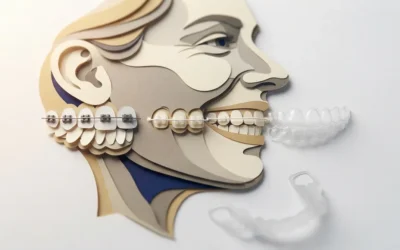
Teeth naturally drift back toward original positions after braces (called relapse); research shows relapse rates range from 10-90% depending on consistency of retainer wear, making nightly use essential for maintaining results.
-
Most patients follow a three-phase schedule: full-time wear for first 3 months, transition to nighttime-only wear, then long-term nightly or part-time maintenance, with exact timeline personalized by your orthodontist based on your bite.
-
If your retainer feels tight, hard to insert, or you notice tooth gaps forming, contact your orthodontist immediately rather than forcing it—these are signs teeth have already started shifting and require professional attention.
-
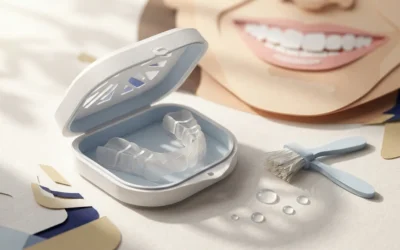
Clean retainers daily with cool water and soft brush (avoid toothpaste and hot water which warps plastic), and always store in a protective case when not worn to prevent loss, cracking, or accidental disposal.
-
Retainer wear must continue indefinitely for most patients—typically nightly long-term—because teeth can shift throughout life; this is a lifelong habit paired with regular dental checkups, not a temporary post-braces step.
-
Contact your orthodontist promptly if your retainer cracks, breaks, is lost, or stops fitting comfortably, as teeth can begin shifting within days without proper retainer use, especially in early months after braces removal.
You did it! Your braces are off, and your new smile is ready to shine. But before you toss your retention plan aside, here’s something every patient needs to know: your teeth still want to move. Retainers for teeth after braces are the final, essential step that protects all the hard work you and your orthodontist put into your smile. Skipping this step is one of the biggest regrets patients share, and we don’t want that to be you.
At Brockway Orthodontics in Clearwater, we see patients of all ages walk through our doors after finishing treatment, excited but sometimes unsure about what comes next. This guide will walk you through everything you need to know about wearing, cleaning, and caring for your retainer so your smile stays as beautiful as the day your braces came off.
Why Retainers Matter So Much After Braces
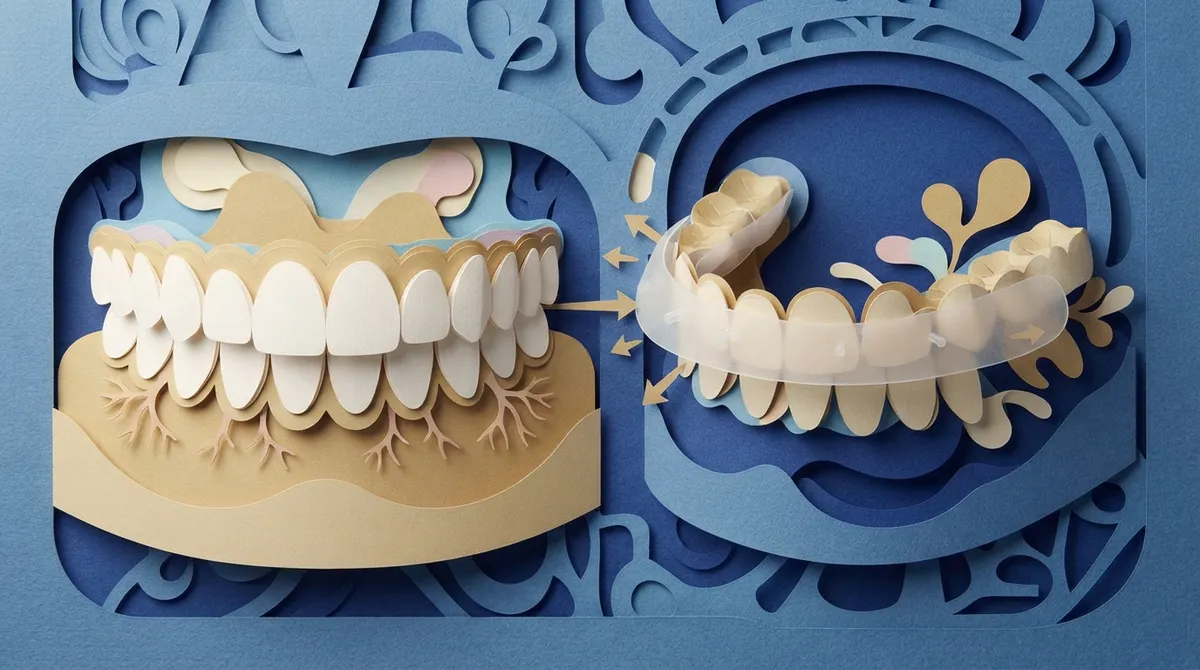
Braces and clear aligners move your teeth into their new, corrected positions. But teeth don’t just stay put on their own. They have a natural memory and tend to drift back toward where they used to be. This process is called relapse, and it’s the reason retainers exist.
Research reviewed in 2025 found relapse rates ranging widely, from about 10% up to 90%, depending on the type of bite issue and how consistently retainers were worn. That’s a huge range, and it tells us one thing clearly: wearing your retainer as directed makes a real difference in keeping your results.
Think of your retainer as insurance for your smile. You spent months, maybe years, in braces or aligners. A little nightly effort afterward protects that investment for good.
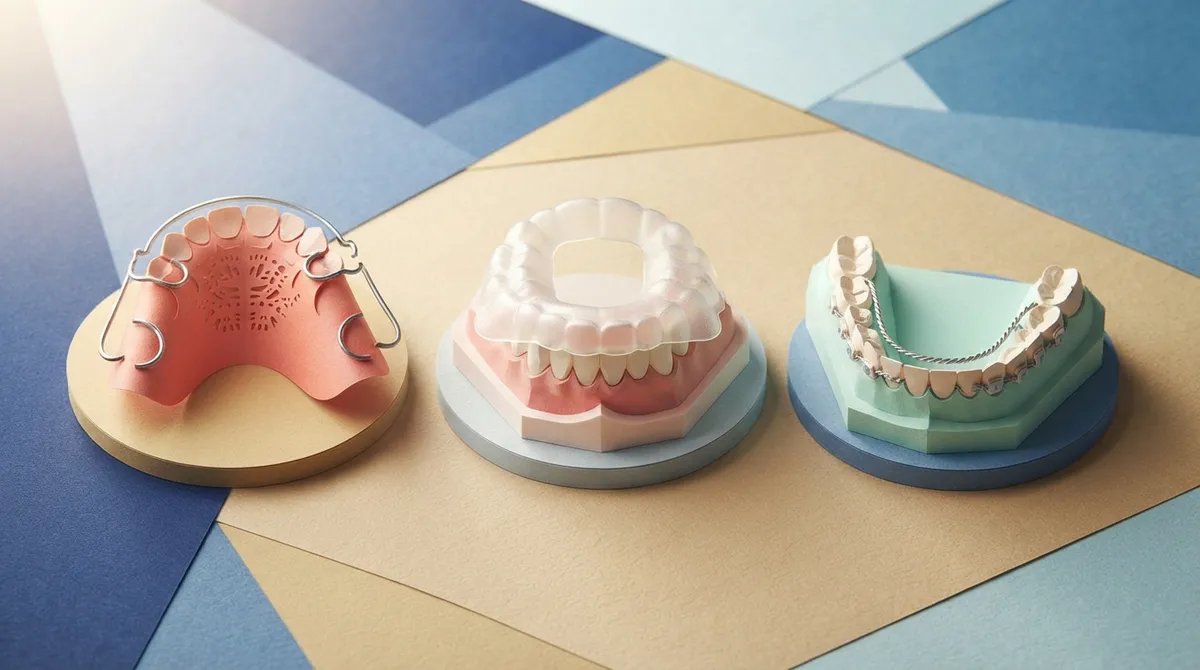
Types of Retainers You Might Wear
Not all retainers look or feel the same. Your orthodontist will recommend the type that fits your bite, lifestyle, and treatment history. Here’s a quick breakdown of the most common options.
| Retainer Type | Description | Best For |
|---|---|---|
| Hawley Retainer | Acrylic and metal wire, removable | Patients who want an adjustable, durable option |
| Clear (Essix-style) Retainer | Thin, clear plastic that covers all teeth | Patients who prefer a nearly invisible look |
| Fixed (Bonded) Retainer | Thin wire glued behind front teeth | Patients needing constant, hands-free retention |
Many patients actually use a combination, like a fixed retainer on the lower front teeth and a removable clear retainer on top. Your orthodontist will explain exactly which setup makes sense for you during your first visit or a follow-up appointment after braces come off.
How to Wear Your Retainer: A Step-by-Step Approach
Every patient’s plan looks a little different, but most retention schedules follow a similar pattern. Here’s a general step-by-step approach many orthodontists, including our team, recommend.
- Full-time wear right after braces come off. Many patients wear retainers close to full-time, removing them only to eat and brush, for the first few months.
- Transition to nighttime wear. After the initial phase, usually around three months, most people shift to wearing retainers only while sleeping.
- Long-term nightly or part-time wear. Guidance from orthodontic organizations and the NHS commonly suggests nighttime wear for at least the first 12 months, sometimes longer.
- Ongoing maintenance wear. Some patients reduce to one or two nights a week once teeth are stable, though others need nightly wear indefinitely to prevent shifting.
The exact schedule depends on your original bite, how your teeth responded to treatment, and your orthodontist’s personal protocol. That’s why it’s so important to follow the plan Dr. Brockway creates specifically for you, rather than a generic timeline you find online.
Signs Your Retainer Schedule Needs a Check-In
- Your retainer feels tight or hard to seat
- You notice a small gap or shift between teeth
- Your bite feels different when chewing
- It’s been longer than recommended since your last retainer check
If your retainer ever feels tight, don’t force it into place. This can actually be a sign that your teeth have already started moving. Call your orthodontist right away for guidance instead of pushing through discomfort.
Caring for Your Retainer the Right Way
A retainer is only helpful if it’s clean, intact, and fits properly. Good daily habits go a long way in making your retainer last and keeping your mouth healthy.
Daily Cleaning Tips
- Rinse your retainer with cool or lukewarm water after removing it
- Brush gently with a soft toothbrush, avoiding toothpaste, which can scratch clear plastic
- Use a retainer-cleaning solution occasionally, as recommended by your orthodontist
- Never use hot or boiling water, since heat can warp plastic retainers
- Avoid bleach, alcohol-based products, and harsh chemicals
The American Dental Association reminds patients that oral appliances like retainers need the same consistent care as natural teeth to prevent bacteria buildup. A quick daily rinse and brush takes less than a minute but protects your smile long term.
Caring for a Fixed Retainer
If you have a bonded wire behind your teeth, brushing takes a little extra attention. Floss threaders or small interdental brushes help you clean around the wire properly. If the wire ever feels loose or you notice it’s detached on one side, contact your orthodontist promptly. An unnoticed break can allow a single tooth to shift without you realizing it.
Storing and Protecting Your Retainer
Removable retainers should come out for eating, unless your orthodontist gives different instructions. While wearing a clear retainer, try to drink only water. This helps prevent staining, reduces decay risk, and keeps the plastic from warping.
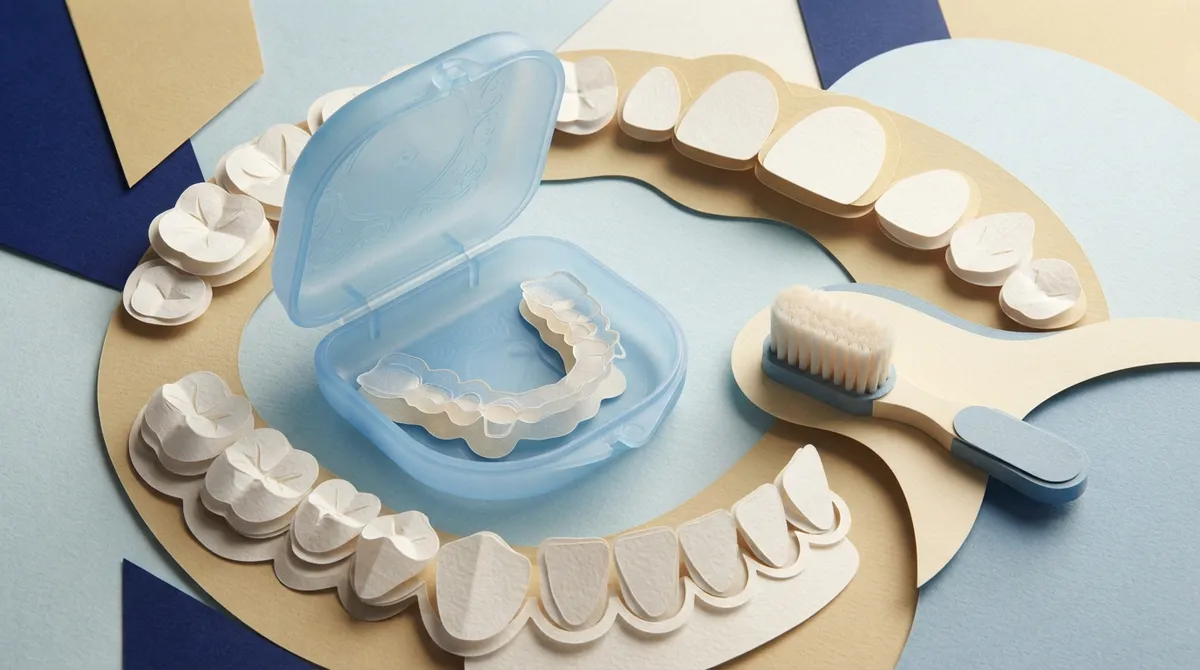
When your retainer isn’t in your mouth, it belongs in its case, not in a napkin or your pocket. Retainers left loose on a tray or tucked into a bag are among the most common items lost or accidentally thrown away. A sturdy, labeled case is a small habit that saves you a lot of hassle (and money) down the road.
What Happens If Your Retainer Breaks or Gets Lost
Life happens. Retainers crack, warp, or go missing more often than you’d think. If this happens to you, don’t panic, but don’t wait too long either. Teeth can begin shifting within days when a retainer isn’t worn as directed, especially in the early months after braces.
Contact your orthodontist promptly if your retainer is:
- Cracked or broken
- Lost or misplaced
- No longer fitting comfortably
- Causing pain or unusual pressure
Replacement costs vary depending on your provider, retainer type, and location. For example, one NHS patient guide cited a charge of about £62.70 for a lost or broken retainer, showing just how much pricing can differ by clinic and country. Our Clearwater office can walk you through financing and insurance options if you ever need a replacement.
Retainers Don’t Replace Regular Dental Care
Wearing a retainer is a great habit, but it doesn’t take the place of routine dental checkups. Keep seeing your general dentist for cleanings and exams, brush with fluoride toothpaste, and floss daily. Healthy gums and teeth support the long-term success of your orthodontic results.
The Florida Association of Orthodontists encourages patients to think of retention as part of a lifelong oral health routine, not a one-time task you finish and forget. Pairing good retainer habits with strong hygiene gives you the best shot at a smile that lasts.
Retainers for Different Life Stages
Retention looks a little different depending on who’s wearing the retainer and why.
Parents of Kids and Teens
If your child just finished adolescent treatment, consistency matters even more. Teens are busy with school, sports, and social lives, so gentle reminders and a labeled case can help retainers stay safe and in use. We often recommend parents keep a spare storage case in a backpack or gym bag just in case.
Adult Professionals
Adults juggling careers and family life appreciate how discreet clear retainers can be. Many of our adult treatment patients in Clearwater find nighttime-only wear fits easily into their routine without disrupting their day.
Orthodontic Relapse Patients
If you had braces years ago and your teeth have shifted, you’re not alone. Many adults return for retreatment after skipping retainer wear. The good news is that modern options like Spark™ Clear Aligners can often correct mild relapse discreetly, and a solid retention plan afterward helps prevent it from happening again.
How Brockway Orthodontics Supports Your Retention Journey
Dr. Brockway and her Clearwater team believe your orthodontic journey doesn’t end when your braces come off. We take time to explain your specific retainer plan, answer your questions, and check your progress at follow-up visits. Whether you’re a teen finishing treatment before graduation or an adult protecting a smile you worked hard for, we’re here for every step.
Curious what other patients say about their experience? You can visit us on Google — Brockway Orthodontics to read real reviews from families across Clearwater. You can also follow along on Instagram or connect with us on Facebook for smile tips and patient stories.
Quick Retainer Care Checklist
- Wear your retainer exactly as your orthodontist prescribes
- Remove it before eating unless told otherwise
- Rinse and brush it gently every day
- Store it in a hard case whenever it’s out of your mouth
- Avoid hot water, harsh chemicals, and bleach
- Call your orthodontist if it feels tight, cracks, or goes missing
- Keep up with regular dental cleanings and checkups
Following this simple checklist protects the results you worked so hard to achieve, whether you finished treatment last month or several years ago.
Ready to Protect Your Smile for Good?
Your retainer is the last (and easiest) step in your orthodontic journey. Don’t let a forgotten habit undo months or years of progress. If you have questions about your current retainer, need a replacement, or are curious about starting treatment with braces or clear aligners, our Clearwater team is ready to help. Book appointment online today, or feel free to contact us with any questions about keeping your smile straight for years to come.
FAQs
Q: How long do I need to wear a retainer after braces?
A: Most patients wear their retainer close to full-time for the first few months, then switch to nighttime wear for at least a year. After that, many people continue wearing it a few nights a week, sometimes indefinitely, to keep their smile in place. Your orthodontist will personalize this schedule based on your bite and treatment history.
Q: Do I have to wear my retainer forever?
A: In most cases, yes, at least on some level! Teeth can shift throughout life, so long-term or lifetime nighttime wear is often recommended to protect your results. Think of it as a small nightly habit that keeps your smile looking great for years to come.
Q: What should I do if my retainer no longer fits?
A: Don’t try to force it into place, since this could mean your teeth have already started to shift. Give your orthodontist a call right away so they can check your bite and figure out the best next step, whether that’s an adjustment or a new retainer.
Q: Can my teeth really move if I stop wearing my retainer?
A: Yes, teeth can start shifting fairly quickly once retainer wear stops, especially in the months right after braces come off. This is why sticking to your orthodontist’s retention plan matters so much for keeping your new smile.
Q: How do I clean and store my retainer safely?
A: Rinse it with cool water and brush gently with a soft toothbrush daily, and skip hot water or harsh chemicals that can warp the plastic. When it’s not in your mouth, always keep it in its protective case so it doesn’t get lost, bent, or accidentally thrown away.
Our Service Area