Key Takeaways
-
The American Association of Orthodontists recommends a first orthodontic check-up by age 7, when kids have a mix of baby and permanent teeth that reveals how the bite and jaws are developing.
-
An orthodontic evaluation is a screening and planning visit, not a commitment to braces; many children are simply monitored as they grow.
-
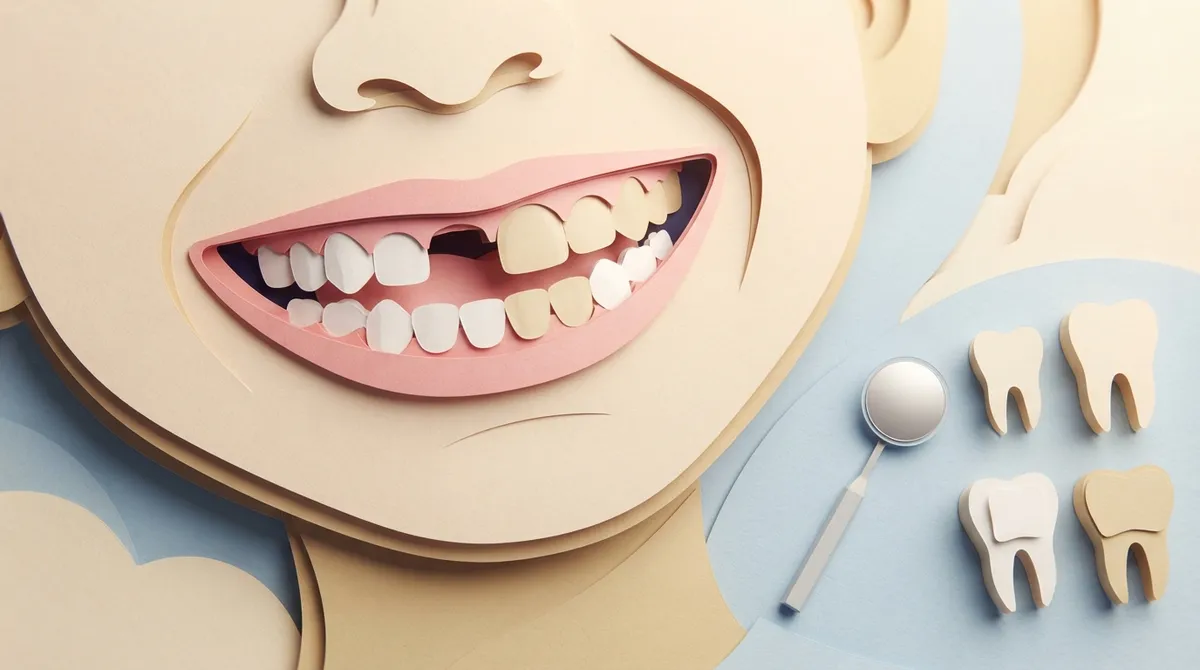
Watch for crowded or overlapping teeth, large unusual gaps, permanent teeth erupting out of position, and teeth that do not meet normally, such as an underbite, crossbite, or open bite.
-
Trouble chewing, frequent cheek or tongue biting, a jaw that shifts or clicks to one side, and lips that strain to close at rest are everyday clues worth raising with a professional.
-
Thumb sucking that continues into the school years or chronic mouth breathing can affect tooth position and bite, so discuss them with both your orthodontist and pediatrician.
-
Don't wait for age 7 if you see a noticeable underbite or crossbite, severe crowding, a shifting jaw, or ongoing chewing or speech difficulties; early attention gives more treatment options.
Every parent has been there. You glance at your child mid-laugh and notice something about their smile. Maybe a tooth is coming in sideways. Maybe their front teeth look a little crowded. And suddenly the questions start. Is that normal? Should I do something? Am I waiting too long?
Here is the good news: noticing is the first step, and you are already doing it. Knowing the signs a child may need an orthodontic evaluation helps you catch small concerns before they become bigger ones. The American Association of Orthodontists (AAO) recommends a first orthodontic check-up by age 7. But many families benefit from asking sooner if something looks off.
In this friendly guide, we will walk through the most common signs, explain what they may mean, and share what happens at a first visit. An evaluation is a screening and planning visit. It is not a promise of braces. It is simply a smart way to understand how your child’s smile is growing.
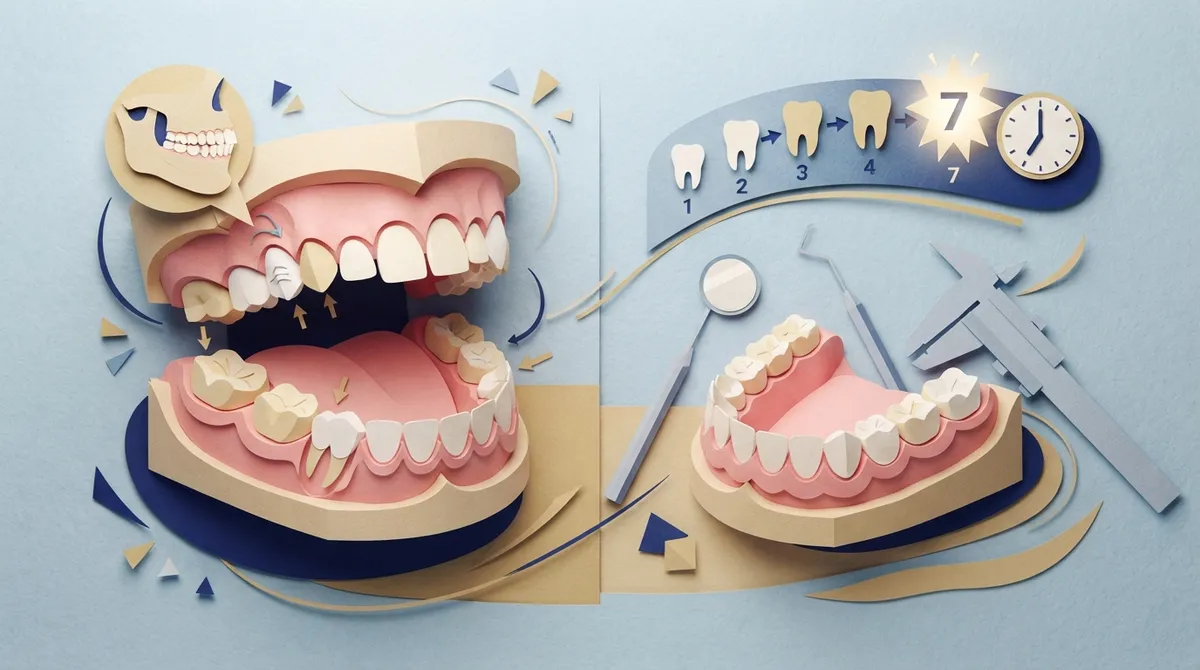
Why Does Age 7 Matter for an Orthodontic Check-Up?
By age 7, most kids have a mix of baby teeth and permanent teeth. That mix is a gold mine for an orthodontist. It shows how the teeth are lining up, how the jaws are growing, and how the upper and lower teeth fit together.
Think of it like checking a garden while the seedlings are still small. It is easier to guide growth early than to fix problems later. Early checks give your orthodontist time to watch, plan, and step in only if needed.
It is also worth knowing what an early visit does not mean. Most children seen at age 7 do not start treatment that day. Many are simply monitored as they grow. Some begin treatment later in the teen years. A smaller number benefit from early treatment when a specific problem calls for it.
If you would like to learn more about timing, you can read our guide on how to know when your child should first see an orthodontist.
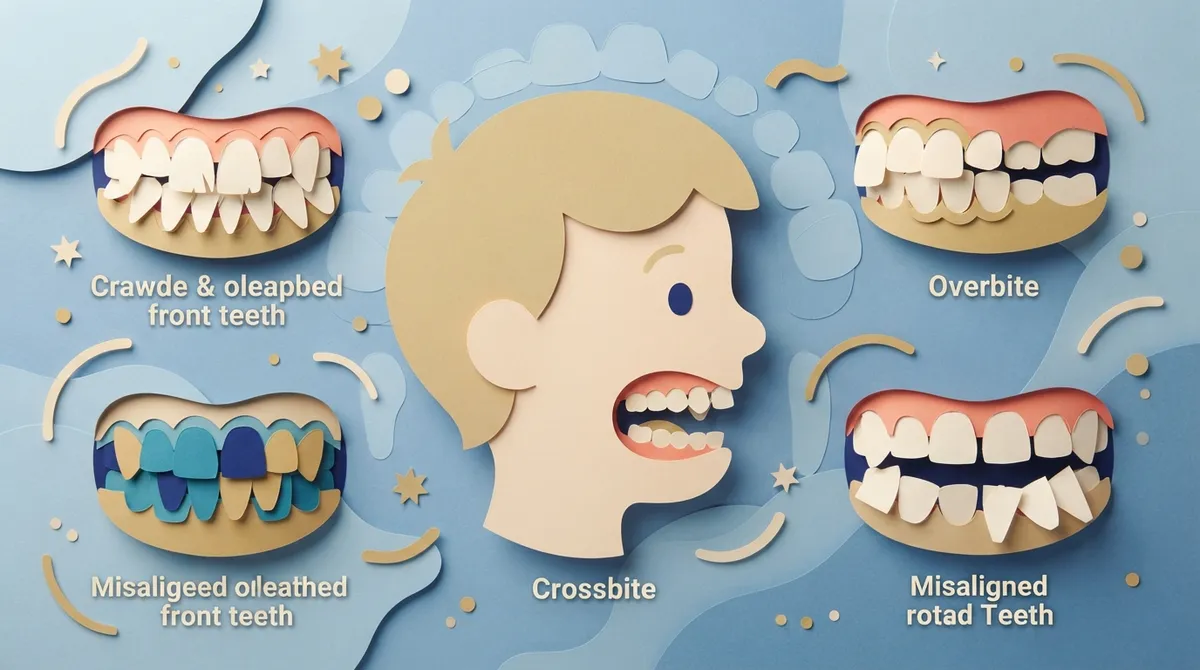
Which Tooth and Bite Signs Should Parents Watch For?
The most visible signs live right in your child’s smile. Here are the top ones to keep an eye on.
- Crowded or overlapping teeth: Teeth that twist, stack, or squeeze together may not have enough room.
- Unusually spaced teeth: Large gaps can point to a jaw or tooth size issue, though small gaps are common in growing kids.
- Permanent teeth coming in out of position: A tooth erupting behind or in front of its neighbors is worth a look.
- Teeth that do not meet normally: This can include an underbite, crossbite, open bite, or a pronounced overbite.
- Protruding front teeth: Front teeth that stick out may be more prone to injury and can affect how the lips close.
None of these signs alone gives a diagnosis. They are simply reasons to ask a professional to take a closer look.
What do bite problems look like?
Bite problems are easier to spot once you know the names. Here is a quick guide.
| Bite Issue | What You May Notice |
|---|---|
| Overbite | Upper front teeth cover much of the lower front teeth |
| Underbite | Lower front teeth sit in front of the upper teeth |
| Crossbite | Some upper teeth sit inside the lower teeth when biting down |
| Open bite | Front teeth do not touch when the back teeth are closed |
| Crowding | Teeth overlap or twist because of limited space |
If you spot any of these, you can learn more in our guides to fixing an underbite and how crossbite correction works.
Can Crowded Baby Teeth Predict Future Problems?
This is one of the most common questions parents ask. The short answer: sometimes.
Baby teeth are smaller than adult teeth. They also tend to have small gaps between them. Those gaps are actually helpful, because they leave room for larger permanent teeth to come in later.
When baby teeth look crowded, it can be a clue that the jaw may be tight on space. That does not guarantee your child will need braces. It does mean an early look can be helpful. Your orthodontist can track how the permanent teeth erupt and decide whether any action is needed.
The same goes for baby teeth that fall out very early or very late. Losing teeth too soon can let neighbors drift into the open space. Losing them too late can push permanent teeth off course. Both patterns are worth mentioning at a visit.
What Eating, Speaking, and Jaw Signs Count?
Not every sign shows up in a photo. Some show up at the dinner table or during the school day. Watch for these everyday clues:
- Trouble biting or chewing: Your child may avoid certain foods or seem to chew only on one side.
- Frequent cheek or tongue biting: This can happen when teeth do not line up the way they should.
- A jaw that shifts, clicks, or looks uneven: Notice if the jaw slides to one side when your child closes their mouth.
- Lips that do not close comfortably at rest: Your child may strain to bring the lips together.
- Teeth that meet in an unusual way: If the teeth seem to clash when the mouth closes, mention it.
These signs deserve attention, but they do not prove there is a problem on their own. Many have other causes. An orthodontist can sort out what is going on and what, if anything, to do about it.
Do Mouth Breathing and Thumb Sucking Matter?
They can. Habits that last beyond early childhood may affect how teeth and bites develop.
Thumb and finger sucking
Many babies and toddlers suck their thumbs or fingers for comfort. That is perfectly normal. But when the habit continues into the school years, it may influence tooth position or bite development. It can contribute to protruding front teeth or an open bite.
Please do not panic or scold your child if this sounds familiar. Not every child with a habit needs orthodontic treatment. A clinician can look at the habit and its effects, then offer gentle, kid-friendly ways to move forward.
Mouth breathing and snoring
If your child breathes through their mouth most of the time, snores often, or keeps their lips apart at rest, mention it at your next visit. Mouth breathing can sometimes link to how the jaw and face develop. But it can also have causes that have nothing to do with teeth, such as allergies or enlarged tonsils.
That is why it is smart to talk with both your dental team and your pediatrician. Working together, they can figure out the cause and the best next step. If airway health is on your mind, our article on airway orthodontics explains how orthodontic care can sometimes play a role.
When Should You Not Wait Until Age 7?
The age 7 guideline is a great rule of thumb, but it is not a waiting room. The AAO advises that parents should not wait for the recommended age when a concern is clear. If something catches your eye, trust your instincts and ask.
Consider booking sooner if you notice any of the following:
- A noticeable underbite or crossbite
- Teeth that look severely crowded or misplaced
- A jaw that shifts or looks uneven
- Ongoing trouble chewing or speaking
- A habit like thumb sucking that continues past the early years
- An injury or concern with protruding front teeth
Early attention gives your orthodontist more choices. In some cases, a simple early step can guide growth and make later treatment easier. You can read more about how this works in our overview of early treatment and our post on early orthodontic treatment in Clearwater.
How Common Are Orthodontic Concerns in Children?
You are far from alone. Bite and alignment concerns are very common in childhood. A historical report hosted by the CDC looked at U.S. children aged 6 to 11 and estimated that about 50.7% had an overbite and 22.4% had definite malocclusion, which means teeth that do not fit together properly. That same report noted that only about 2.5% had received orthodontic treatment.
Keep in mind that these figures come from an older report, so they should not be read as today’s exact numbers. Still, they show something helpful: lots of kids have bite concerns, and many are never evaluated. A quick check-up can bring real peace of mind.
What Happens at a First Orthodontic Evaluation?
A first visit should feel friendly and low-pressure. Here is a simple picture of what to expect.
- A conversation: The orthodontist asks about your child’s health, habits, and any concerns you have noticed.
- A gentle exam: They look at the teeth, bite, jaw, and how everything fits together.
- Records if needed: This may include photos, digital scans, or 3D images to see what is happening below the gumline.
- A clear explanation: You will hear what was found, what it means, and what the options are.
- A plan: That plan may be to watch and wait, start treatment later, or begin early treatment if a specific problem calls for it.
At your first visit with Brockway Orthodontics, you can expect a warm, welcoming experience in our Clearwater office. Dr. Brockway takes time to listen to your concerns and explain things in plain language. We use modern tools like digital impressions and 3D imaging, so there are no messy molds. That makes the visit more comfortable for kids and parents alike.
Want to feel fully prepared? Our guide on what to expect during your orthodontic exam walks through the visit step by step.
What Could Treatment Look Like If Your Child Needs It?
If your orthodontist recommends treatment, there are several modern paths. The right one depends on your child’s age, teeth, and goals.
- Early treatment: Used in select cases to guide jaw growth or fix a specific issue while a child still has baby teeth.
- Traditional metal braces: A trusted, effective option for many bite and alignment needs. Learn more in our guide to all about braces.
- Ceramic (clear) braces: Tooth-colored brackets that blend in more with the smile.
- Spark™ Clear Aligners: A nearly invisible, removable option that suits many teens. See our page on Spark™ Clear Aligners.
Older kids and teens may also be good candidates for adolescent treatment. And since orthodontic care is a family affair, we also welcome parents who are curious about adult treatment while their child is in the chair.
Will an Evaluation Mean Braces Are Coming?
Not necessarily, and this is the part many parents love to hear. An evaluation gives you information. It does not lock you into anything.
Possible outcomes include:
- Everything looks great, and your child just needs routine check-ups
- Your orthodontist wants to monitor growth and tooth eruption
- Treatment is likely later, once more permanent teeth arrive
- Early treatment is recommended for a specific concern
No matter which result you get, you leave with answers. That clarity is often the most valuable part.
Can Cost and Scheduling Stay Stress-Free?
Many families worry about cost before they even book. We understand. Our team is happy to talk about options, including financing and insurance, so you can plan with confidence. We also know busy schedules are real, and in certain cases we can offer same-day treatment to save you extra trips.
If you are still choosing a provider, our tips for choosing the right orthodontist for your family may help. Both the American Dental Association and the Florida Association of Orthodontists also offer helpful public resources for families. For extra reassurance, you can see what neighbors say by reading Brockway Orthodontics reviews on Google: Visit us on Google — Brockway Orthodontics.
Ready to Check Your Child’s Smile?
If you have noticed even one of the signs above, you are not overreacting. You are being a thoughtful parent. Crowded teeth, a shifting jaw, trouble chewing, long-lasting habits, or a bite that just looks different are all good reasons to ask. And if nothing seems wrong, a check-up around age 7 is still a smart move.
Remember, an evaluation is a friendly first step, not a commitment to treatment. At Brockway Orthodontics, Dr. Brockway and our team love helping Clearwater families feel informed, comfortable, and excited about every smile.
Ready to take the next step? Book your child’s evaluation online today, or contact us with any questions. We cannot wait to meet you!
FAQs
Q: At what age should a child first see an orthodontist?
A: The American Association of Orthodontists recommends a first check-up by age 7. At that age, kids have a mix of baby and permanent teeth, which helps the orthodontist see how the teeth and jaws are developing. If you notice a concern earlier, there is no need to wait.
Q: Does an orthodontic evaluation at age 7 mean my child will need braces?
A: Not at all! An evaluation is a screening and planning visit. Your orthodontist may suggest simply monitoring growth, starting treatment later, or beginning early treatment only if a specific problem calls for it.
Q: Can thumb sucking or mouth breathing affect my child’s teeth?
A: They can, especially if the habits continue beyond early childhood. Thumb sucking may affect tooth position or bite development, and mouth breathing may be worth discussing with both your orthodontist and pediatrician since it has many possible causes. A professional can look at your child’s situation and guide you gently.
Q: Should I see an orthodontist if my child has trouble chewing or a shifting jaw?
A: Yes, those are good reasons to schedule an evaluation. Trouble chewing, frequent cheek or tongue biting, or a jaw that clicks or shifts to one side can point to a bite concern. These signs do not confirm a diagnosis by themselves, but an orthodontist can help figure out what is going on.
Q: Can crowded baby teeth mean my child will need orthodontic treatment later?
A: Sometimes. Crowded baby teeth can hint that the jaw may be tight on space for larger permanent teeth. It is not a guarantee, but an early look lets your orthodontist track how things develop and plan ahead.
Our Service Area