Key Takeaways
-
CBCT scans should only be used when findings will change treatment planning, not routinely; digital intraoral scans are radiation-free alternatives for standard treatment planning.
-
Orthodontists follow the ALARA principle (As Low As Reasonably Achievable) by using smallest radiation doses, adjusting settings by patient age, and avoiding repeat scans whenever possible.
-
Digital intraoral scanners create accurate 3D models without radiation exposure, replacing uncomfortable traditional molds and enabling faster, more comfortable treatment planning.
-
CBCT scans are most beneficial for impacted teeth, complex jaw issues, root resorption detection, cleft palate cases, and surgical planning rather than routine orthodontic cases.
-
Most patients require only digital scans and standard X-rays; CBCT radiation doses vary widely (11-1,073 microsieverts) depending on machine, scan area, and settings used.
-
Ask your orthodontist specifically why 3D imaging is recommended, what area will be scanned, whether lower-dose alternatives exist, and verify insurance coverage before treatment begins.
Ever wonder what your orthodontist is really looking at when they take those fancy scans of your mouth? You’re not alone. Many patients walk into their first visit curious (and maybe a little nervous) about all the high-tech equipment they see. The good news is that 3D imaging has made orthodontic care more precise, more comfortable, and honestly, a lot more interesting to learn about.
At Brockway Orthodontics, we love explaining our tools in simple, friendly terms. Whether you’re a parent bringing in your seven-year-old for their first check, a teen excited about getting Spark™ Clear Aligners, or an adult professional exploring your options, understanding 3D imaging can help you feel more confident about your care. Let’s break down what a 3D imaging orthodontist really does, when this technology matters most, and what questions you should feel free to ask.
What Is 3D Imaging at an Orthodontist’s Office?
When people talk about a 3D imaging orthodontist, they usually mean one of two things: cone-beam computed tomography (CBCT) or digital intraoral scanning. These are very different tools that work in different ways.
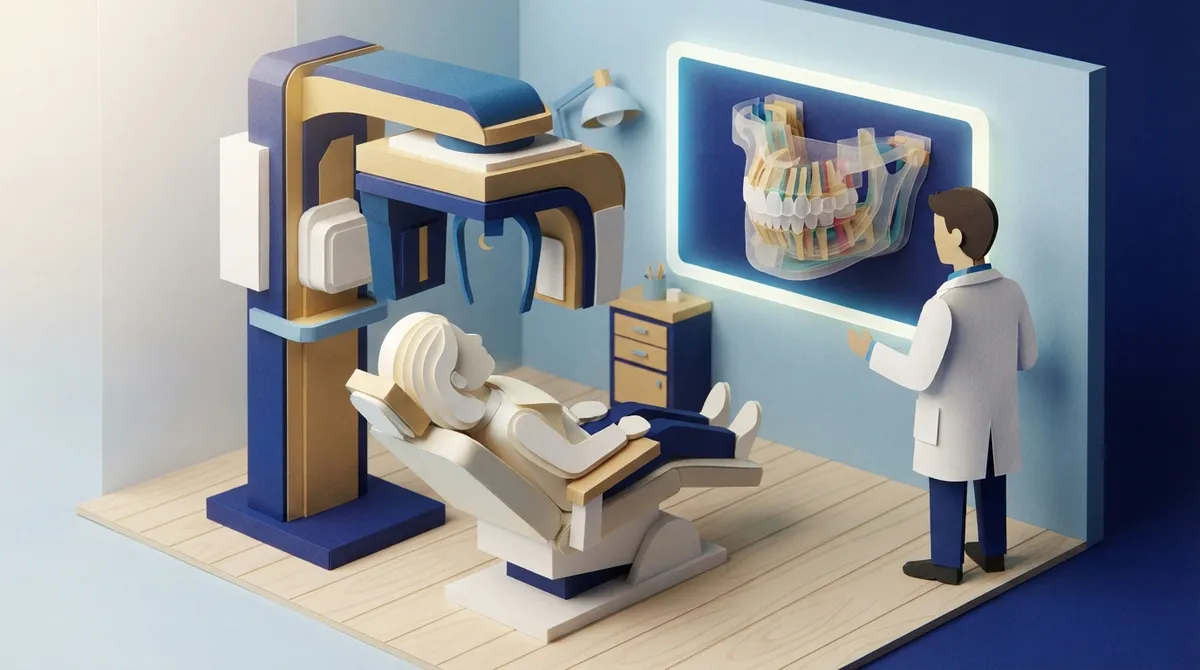
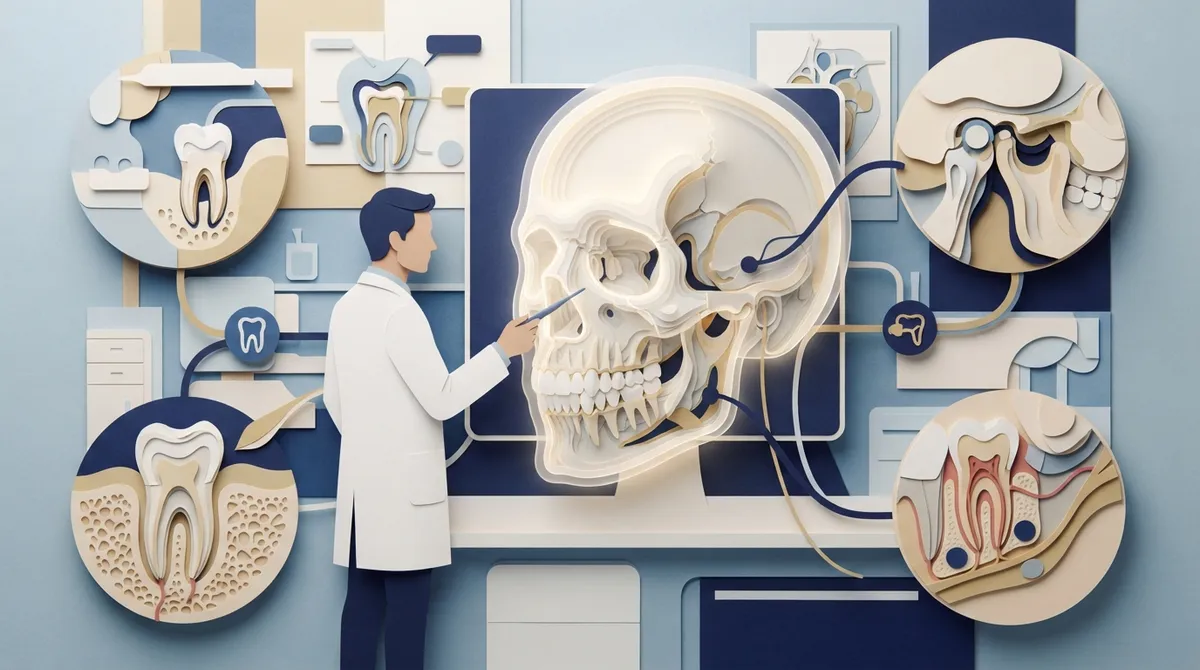
CBCT is a special type of X-ray machine. It spins around your head and takes many pictures. A computer then puts these pictures together into a 3D image. This image shows your teeth, jaw, facial bones, and even your airway in incredible detail.
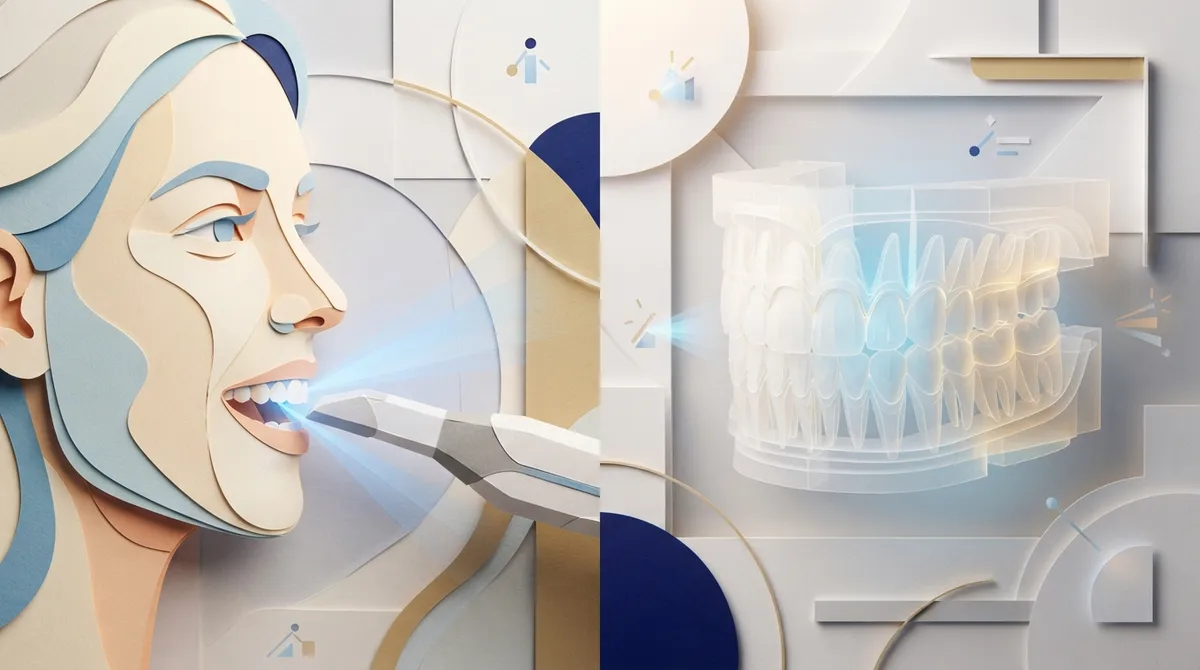
Digital intraoral scanning is different. It uses a small wand that takes optical pictures of your teeth. There’s no radiation at all. This tool is what creates those smooth, accurate 3D models used for planning braces or clear aligners.
Why This Distinction Matters
Knowing the difference helps you ask better questions at your appointment. Not every 3D image involves radiation, and not every patient needs the same type of scan. A good orthodontist will explain exactly which tool they’re using and why.
| Feature | CBCT Scan | Digital Intraoral Scan |
|---|---|---|
| Uses Radiation | Yes | No |
| Shows Bone and Jaw Structure | Yes | No |
| Used for Aligner Planning | Rarely | Commonly |
| Best For | Complex cases, impacted teeth | Routine treatment planning |
| Scan Time | Under a minute | A few minutes |
When Does Your Orthodontist Recommend a CBCT Scan?
Here’s something important to know: not every patient needs a CBCT scan. Professional guidance from groups like the American Dental Association is clear on this point. CBCT should only be used when it will actually change how your treatment is planned or carried out.
So when is this powerful tool actually helpful? Here are the most common reasons an orthodontist might order one:
- Impacted teeth. This is the most common reason for CBCT in orthodontics. It helps locate teeth that haven’t come in properly, especially canines.
- Extra or missing teeth. Sometimes kids have supernumerary (extra) teeth hiding beneath the gums. 3D imaging spots these easily.
- Root resorption. This happens when a tooth root starts to shrink or dissolve. CBCT can catch this early.
- Cleft lip or palate cases. These complex situations often need detailed bone imaging for proper planning.
- Major jaw or skeletal issues. If your bite problem involves the jawbone itself, not just the teeth, 3D imaging gives a clearer picture.
- Surgical planning. Patients who may need jaw surgery benefit greatly from precise 3D measurements.
- Placement of temporary anchorage devices. These small screws help move teeth, and 3D imaging ensures safe placement.
If your child needs early treatment or you’re wondering about adolescent treatment options, your orthodontist will decide if 3D imaging fits your specific situation.
Is 3D Imaging Safe? Let’s Talk Radiation
This is probably the question we hear most, and it’s a great one to ask. Safety should always come first, especially for kids and teens.
CBCT does use ionizing radiation, and it generally involves more radiation than a single regular dental X-ray. However, the actual dose varies a lot. It depends on the machine, the size of the area scanned, and the settings used.
Research shows that effective doses for dento-alveolar scans (just the teeth and jaw area) range from about 11 to 674 microsieverts. Full craniofacial scans, which cover more of the face, run from about 30 to 1,073 microsieverts. That’s a wide range, which is exactly why your orthodontist should tailor each scan carefully.
The ALARA Principle
Orthodontists follow a rule called ALARA, which stands for “As Low As Reasonably Achievable.” This means using the smallest amount of radiation needed to get a clear, useful picture. Here’s how a responsible orthodontic office puts ALARA into practice:
- Choosing the smallest field of view that still answers the clinical question
- Adjusting machine settings based on the patient’s age and size
- Avoiding repeat scans whenever possible
- Using lead aprons and thyroid collars for extra protection
- Keeping equipment properly calibrated and maintained
- Choosing non-radiation options like digital scans when they work just as well
Children and teens deserve extra caution because their bodies are still developing. A caring practice will always consider age before recommending any imaging that involves radiation.
Digital Intraoral Scanning: The Radiation-Free 3D Option
Not all 3D imaging involves X-rays. Digital intraoral scanners are one of the best advances in modern orthodontic care. These handheld wands take hundreds of pictures per second as they move around your mouth, building a detailed 3D model without any radiation exposure.
This technology has replaced the old-fashioned goopy molds many of us remember (or dread) from childhood. No more holding your breath while a tray of putty sits in your mouth for what feels like forever!
What Digital Scans Are Used For
- Creating accurate models for planning braces or clear aligners
- Tracking how your teeth move throughout treatment
- Designing custom retainers after treatment ends
- Showing patients a visual preview of their treatment plan
- Comparing progress at different appointments
Professional guidelines actually caution against using CBCT just to make digital models. If a regular optical scan can do the job, that’s the safer and smarter choice. This is exactly the kind of thoughtful decision-making you should expect from your orthodontic team.
How 3D Imaging Helps With Common Orthodontic Concerns
Beyond the technical details, let’s talk about how this technology actually helps real patients like you and your family.
For Parents of Young Patients
If your child has a tooth that hasn’t come in on schedule, 3D imaging can show exactly where it’s hiding and which direction it’s pointing. This helps your orthodontist create a plan to guide it into place, sometimes avoiding the need for surgery altogether.
For Teens Preparing for Big Moments
Many teens want straighter teeth before graduation, prom, or other milestones. Digital scans make the whole planning process faster and more comfortable, so treatment can start without unnecessary delays.
For Adults Considering Retreatment
If you had braces years ago and your teeth have shifted back, 3D imaging can help your orthodontist understand exactly what changed. This is especially helpful for planning a treatment that addresses the root cause of the relapse, not just the surface symptoms.
For Patients With Complex Dental Needs
People dealing with gum health concerns, bone loss, or previous jaw surgery often benefit from the added detail that CBCT provides. It helps your orthodontist coordinate care safely with other dental specialists.
Common Orthodontic Situations and Their Imaging Needs
| Situation | Typical Imaging Approach |
|---|---|
| Routine braces or aligner treatment | Digital intraoral scan, standard 2D X-rays |
| Impacted canine tooth | CBCT scan for precise location |
| Jaw surgery planning | CBCT scan with detailed bone measurements |
| Simple crowding or spacing | Digital scan, no CBCT needed |
| Suspected root resorption | CBCT scan to assess root condition |
Questions to Ask Your Orthodontist About 3D Imaging
Being an informed patient (or parent) is one of the best things you can do for your care. Don’t be shy about asking questions. A good orthodontic team will welcome them.
- Why do you recommend 3D imaging for my specific case?
- Is there a lower-dose or radiation-free option that would work just as well?
- What exact area will be scanned?
- How will these results change my treatment plan?
- Who will review the images for anything unexpected?
- How much will this cost, and does my insurance cover it?
At your first visit, our team walks you through every step, so you always know what’s happening and why.
Cost and Insurance Considerations
The cost of 3D imaging varies depending on the type of scan and your location. Digital intraoral scans are often included as part of your overall treatment planning fee. CBCT scans may involve a separate cost, though many dental insurance plans cover them when medically necessary.
Here’s a simple checklist to help you understand your coverage before treatment begins:
- Ask your orthodontic office if imaging costs are bundled into your treatment fee
- Contact your insurance provider to confirm CBCT coverage
- Request a written cost estimate before any scan is performed
- Ask about financing and insurance options if out-of-pocket costs apply
Our team is always happy to walk through the numbers with you so there are no surprises.
Why Technology Choice Matters for Your Comfort
We know that going to the orthodontist isn’t always at the top of anyone’s favorite-things list. That’s why we’ve invested in modern tools that make appointments faster, more comfortable, and more accurate. Digital scanning alone has saved countless patients from the dreaded goopy molds of the past.
For families in Clearwater, having access to advanced orthodontic services close to home means less stress and more convenience. You shouldn’t have to travel far to get precise, thoughtful care backed by the latest technology.
Groups like the Florida Association of Orthodontists continue to support responsible use of imaging technology across the state, helping practices like ours stay current with best practices and safety standards.
What Makes Brockway Orthodontics Different
Dr. Brockway believes that understanding your treatment is just as important as the treatment itself. That’s why our team takes time to explain every scan, every tool, and every step of your journey in simple, friendly language.
We proudly serve families throughout Clearwater with a full range of treatments, including traditional metal braces, ceramic braces, and Spark™ Clear Aligners, a more affordable alternative to other clear aligner brands. Whether you’re exploring options for your child, yourself, or considering adult treatment after years of wondering “what if,” we’re here to make the process feel simple and supportive.
Curious what other patients have to say? You can visit us on Google — Brockway Orthodontics to read real reviews from our community. You can also follow along on Instagram or connect with us on Facebook for smile transformations and helpful tips.
Ready to See Your Smile in 3D?
Understanding your orthodontic care shouldn’t feel complicated or intimidating. With the right technology and a team who genuinely cares, your journey to a healthier, straighter smile can feel exciting instead of stressful. Whether you need advanced imaging for a complex case or a simple digital scan to start your treatment, Brockway Orthodontics is here to guide you every step of the way.
Ready to see what modern orthodontic technology can do for your smile? Book your appointment online today and discover the Brockway Orthodontics difference. Have questions first? Feel free to get in touch with our team anytime.
FAQs
Q: Does every orthodontic patient need a 3D CBCT scan?
A: Nope, not at all! Most patients do just fine with a simple digital scan and regular X-rays. CBCT is usually saved for trickier cases, like impacted teeth or jaw surgery planning, where the extra detail really makes a difference.
Q: Is 3D dental imaging safe for kids and teens?
A: Yes, when it’s used thoughtfully. Orthodontists follow safety guidelines called ALARA, which means using the lowest amount of radiation needed. Many young patients only need radiation-free digital scans anyway, so safety is always a top priority for our littlest smiles.
Q: What’s the difference between a CBCT scan and a digital intraoral scan?
A: Great question! A CBCT scan uses X-rays to show your teeth, jaw, and bone in 3D. A digital intraoral scan uses light, not radiation, to create a 3D model of just your teeth. Both are helpful, just for different reasons.
Q: Can 3D imaging really find impacted teeth or root resorption?
A: Absolutely, this is actually one of the most common reasons orthodontists use CBCT. It gives a clear, detailed view that regular X-rays simply can’t provide, helping catch these issues early.
Q: How much does 3D orthodontic imaging cost, and is it covered by insurance?
A: Costs vary depending on the type of scan and your treatment plan. Digital scans are often included in your overall fee, while CBCT may have a separate cost. Many insurance plans help cover it when it’s medically necessary, so it’s always worth asking our team to check your benefits.
Our Service Area