Key Takeaways
-
An overbite is the vertical overlap of upper front teeth over lower front teeth; a small overlap is normal and healthy, while a much deeper overlap is called a deep bite.
-
There is no single agreed-upon normal overbite measurement; typical ranges cited are about 1–3 mm or 2–4 mm, so orthodontists evaluate the whole bite rather than one number.
-
Overbite (vertical overlap) and overjet (horizontal forward projection) are different measurements, and you can have one, the other, or both.
-
Deep overbites are common, and causes often include genetics, tooth position, childhood habits like thumb-sucking, tongue thrusting, and teeth grinding.
-
A deep overbite may cause tooth wear, gum irritation, or chewing difficulty, but effects vary, and jaw pain can have other causes, so a professional exam is recommended.
-
Treatment depends on age and severity: braces, clear aligners, growth-guidance appliances for children, retainers to hold results, and jaw surgery only in rare severe adult cases.
Ever looked in the mirror and noticed that your upper front teeth hang down over your lower ones? Or maybe your child’s dentist mentioned the word “overbite” at a checkup, and you nodded along without being totally sure what it meant. Good news: you are in great company, and this is one of the most common bite questions orthodontists hear.
So, what is an overbite? Put simply, it is the way your upper front teeth overlap your lower front teeth when your back teeth are closed together. A little overlap is perfectly normal. It is only when the overlap gets too deep that it may need a closer look.
In this friendly guide, we will walk through what an overbite is, how it differs from an overjet, what causes it, and how it is treated at any age. Whether you are a parent, a teen, or an adult thinking about treatment, you will leave with clear answers and a calm, confident game plan.
What Is an Overbite? A Simple Definition
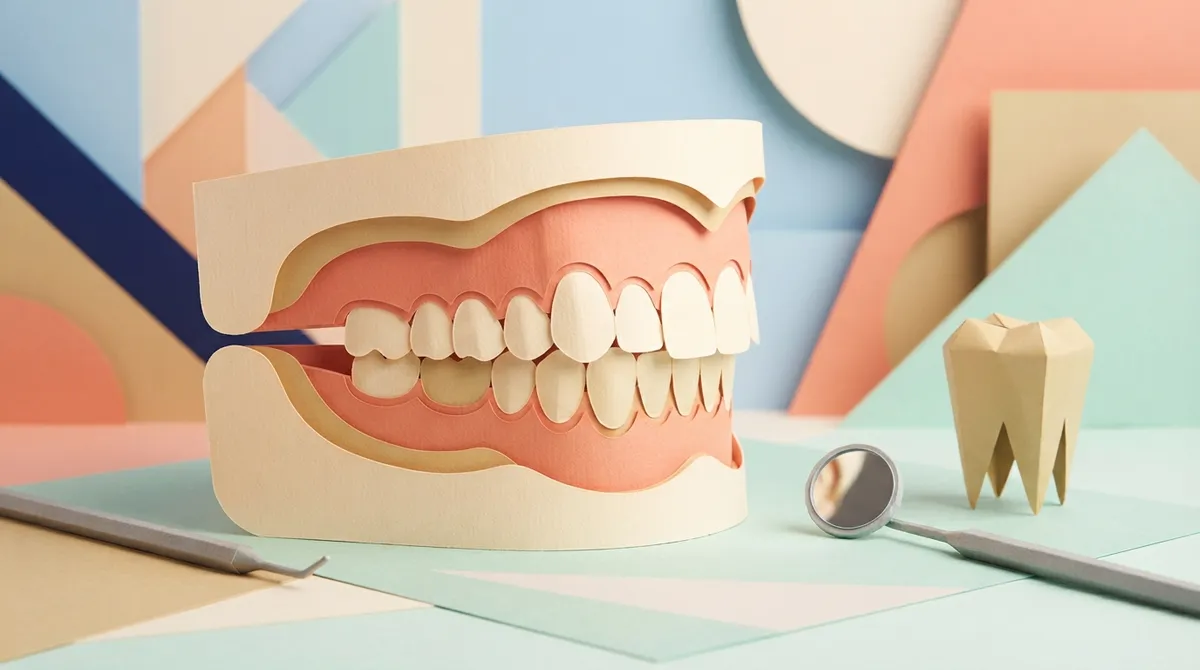
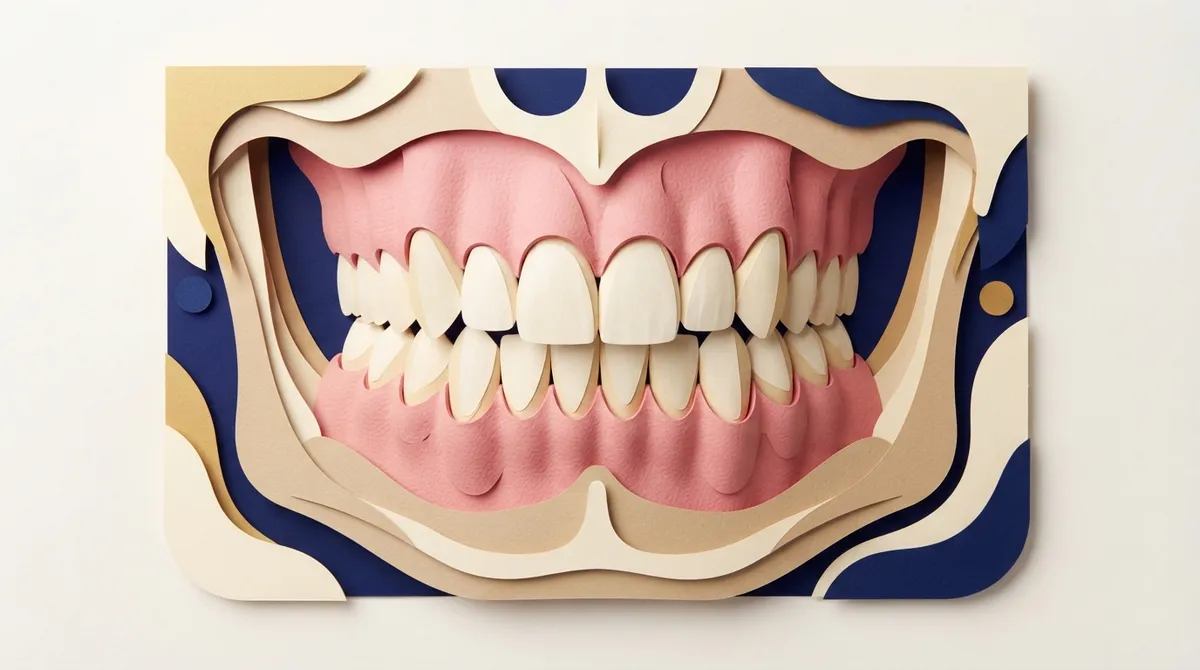
An overbite is the vertical overlap of your upper front teeth over your lower front teeth. Picture your top teeth as a little roof sitting over your bottom teeth. When you bite down, a small part of the lower teeth should be tucked behind the top ones.
That small overlap is healthy. It helps your teeth work together when you bite and chew. When the overlap is much larger than usual, it is often called a deep bite or deep overbite.
Here is the quick takeaway: having an overbite does not mean something is wrong. Almost everyone has some. The question is how much, and whether it causes any trouble.
What Does an Overbite Look Like?
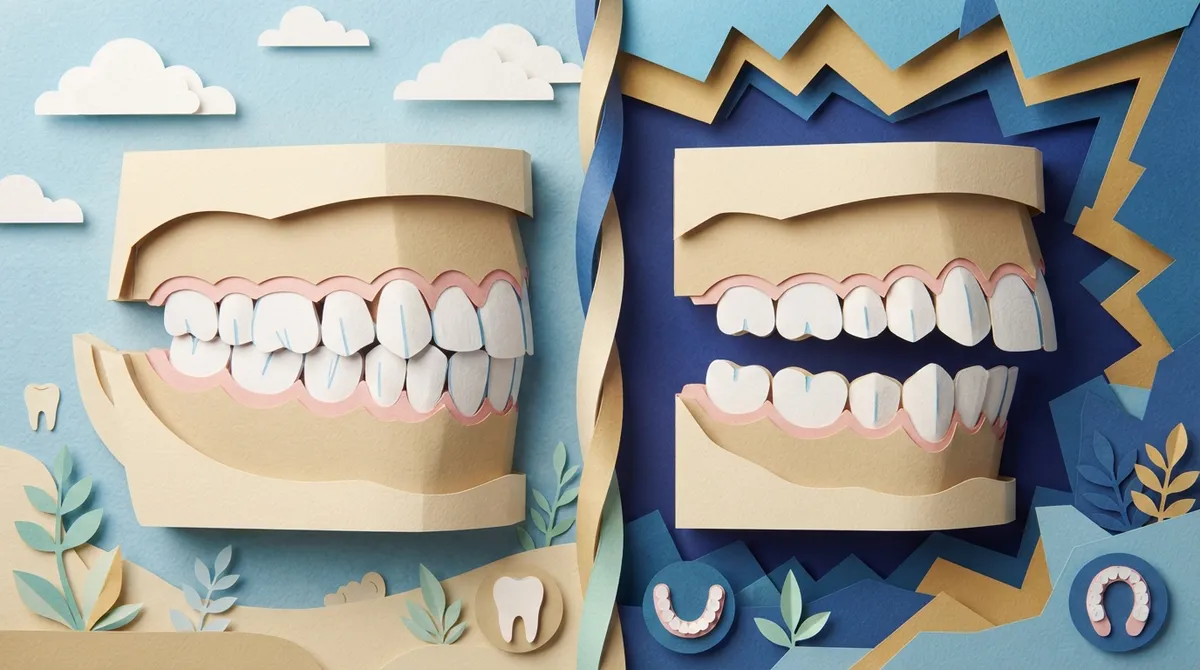
In a normal bite, the top front teeth cover a small slice of the lower front teeth. In a deep overbite, the top teeth may cover most of the lower teeth. In some cases, you can barely see the bottom front teeth at all when you smile or bite down.
Overbite vs. Overjet: What Is the Difference?
These two words get mixed up all the time. They sound alike, but they describe different things.
- Overbite: how much the upper front teeth overlap the lower front teeth vertically (up and down).
- Overjet: how far the upper front teeth stick out horizontally in front of the lower teeth (forward and back).
You can have one without the other, or both at once. For example, someone might have a deep overbite with a normal overjet. Someone else might have teeth that stick out a lot but with only a small vertical overlap. An orthodontist checks both to understand your full bite picture.
| Feature | Overbite | Overjet |
|---|---|---|
| Direction | Vertical (up and down) | Horizontal (front to back) |
| What it measures | How much top teeth cover bottom teeth | How far top teeth project past bottom teeth |
| Normal range | About 1–3 mm (some references say 2–4 mm) | Small gap between the top and bottom front teeth |
| Common name when excessive | Deep bite | Protruding or “stick-out” front teeth |
How Much Overbite Is Normal?
Here is something that surprises many people: there is no single number that every dentist and researcher agrees on. Many sources describe a typical overbite as roughly 1–3 millimeters. Some clinical references use about 2–4 millimeters as a healthy range.
Deep bite cutoffs vary too. Many sources use more than 3–4 mm, or they describe how much of the lower front teeth is covered. Because of this, your orthodontist looks at more than a single number. They consider how your teeth and jaws fit together, your age, your symptoms, and how your bite works in real life.
How Common Are Overbites?
Deep overbites are quite common, though the exact numbers depend on how each study defines the problem. Here is a snapshot of what recent research has found:
- A 2024 systematic review of malocclusion traits in baby teeth reported deep overbite in about 23.79% of children studied.
- A 2025 study of children aged 10–12 found deep bite in about 22.6%, using an overbite above 4 mm as the cutoff.
- A 2012 systematic review noted that a large U.S. study found an overbite of 5 mm or more in roughly 15%–20% of people.
- A 2023 review of deep bite described estimates ranging widely, from about 8.4% to 51.5%.
Why such a wide range? Different studies use different cutoffs, age groups, and measuring methods. So please treat these as helpful clues rather than one universal number. The big message is simple: if you have a deep overbite, you are far from alone.
What Causes an Overbite?
Overbites do not usually have just one cause. They often come from a mix of things, and many of them are out of your control. Here are the most common contributors:
- Genetics: Jaw size, jaw shape, and tooth position can run in families. If a parent has a deep bite, a child may too.
- Tooth position: Front teeth that tip inward or sit too high can increase the vertical overlap.
- Childhood habits: Long-term thumb-sucking or pacifier use can affect how the teeth and bite develop.
- Tongue thrusting: Pushing the tongue against the front teeth when swallowing may contribute to dental changes.
- Tooth grinding: Grinding can wear teeth over time and may play a role in bite changes.
Parents, here is a reassuring note: a habit like thumb-sucking is incredibly common in little ones, and it is not a parenting failure. If you are worried, an early check can give you peace of mind. Our early treatment page explains how timing can help growing smiles.
Can an Overbite Cause Problems?
Sometimes yes, sometimes no. Many people with a mild overbite never have any trouble at all. But a pronounced deep bite can occasionally lead to issues. These effects are not guaranteed, and each person is different.
Possible Effects of a Deep Overbite
- Lower teeth touching the roof of the mouth or the gums behind the upper teeth
- Extra wear on the front teeth
- Gum irritation or soreness
- Difficulty biting or chewing certain foods
It is worth knowing that jaw pain or headaches can have many causes, so an overbite is not automatically the culprit. That is exactly why a professional exam matters. An orthodontist can tell you whether your bite is playing a role or whether something else is going on.
How Do Orthodontists Diagnose an Overbite?
Good news: finding out about your bite is usually quick and painless. Here is what typically happens during an exam:
- A visual check: Your orthodontist looks at how your upper and lower teeth fit together when you bite down.
- Measuring the overlap: They gauge the vertical overlap (overbite) and the horizontal gap (overjet).
- Checking your jaws: They look at how your upper and lower jaws line up and whether growth is still happening.
- Records or X-rays when needed: Photos, digital scans, or X-rays can help show tooth and jaw relationships in more detail.
- Talking with you: They ask about symptoms, habits, and your goals for your smile.
The most important thing to remember is that the importance of an overbite depends on how severe it is, what caused it, your age, and how it affects your daily function. It is not just about looks. If you want to know what to expect, our first visit page walks you through the whole process.
How Is an Overbite Corrected?
Treatment is never one-size-fits-all. Your plan depends on your age, the cause of the overbite, and how deep it is. Here are the most common options.
Braces
Traditional braces are a trusted way to guide teeth into better positions and reduce a deep overlap. They work well for kids, teens, and adults. Curious about the details? Take a look at our guide on how braces fix a deep overbite, or explore all about braces.
Clear Aligners
For many mild to moderate cases, clear aligners can be a comfortable and discreet choice. They are popular with teens and busy adults who want a more low-key look. Brockway Orthodontics offers Spark™ Clear Aligners, a more affordable alternative to Invisalign, along with metal braces and ceramic (clear) braces.
Growth-Guidance Appliances
For growing children, an orthodontist may sometimes use special appliances to guide jaw growth while it is still happening. This is one reason many experts encourage an early check-up, so your child’s smile can get a helpful head start.
Jaw Surgery for Severe Cases
In selected severe cases, especially in adults with a major skeletal jaw difference, orthodontics may be combined with corrective jaw surgery. This is not common, and many people never need it. Your orthodontist will tell you honestly if it could apply to you.
Retainers After Treatment
Once your teeth are in their new spots, retainers help keep them there. Think of them as the “hold steady” step that protects all the hard work you put in.
| Treatment Option | Best For | Key Benefit |
|---|---|---|
| Metal or ceramic braces | Kids, teens, and adults with moderate to deep bites | Precise control of tooth movement |
| Clear aligners | Teens and adults with mild to moderate cases | Discreet and removable |
| Growth-guidance appliances | Growing children | Works with natural jaw growth |
| Orthodontics plus jaw surgery | Adults with severe skeletal differences | Corrects the underlying jaw relationship |
Overbite Care for Every Age
One of the best parts of modern orthodontics is that there is a path for nearly everyone.
- Kids (ages 7–12): An early look can spot bite issues while the jaws are still growing. Visit our guide on orthodontics for kids for helpful tips.
- Teens: Many teens choose braces or aligners ahead of big milestones like graduation. Learn more about adolescent treatment.
- Adults: It is never too late. Busy professionals often pick discreet options that fit their schedules. See our adult treatment options.
- Retreatment patients: If your overbite crept back after earlier braces, you can absolutely get a fresh start. Relapse is more common than people think, and it is very fixable.
If you are weighing your choices, our comparison of clear aligners vs. braces can help you feel more sure about your next step.
Why Fixing an Overbite Can Be Worth It
People choose treatment for many different reasons. Some want a more confident smile. Others want a bite that feels more comfortable and works better. Often, it is a bit of both.
Straighter, better-aligned teeth can also be easier to keep clean, which is great for long-term gum and tooth health. And let us be honest: feeling good about your smile can make a big difference in how you show up every day.
What to Do If You Think You Have an Overbite
Here is a simple plan to get started:
- Check your bite: Gently bite down and look in the mirror. Notice how much of your lower teeth you can see.
- Make a note of symptoms: Jot down any tooth wear, gum soreness, chewing trouble, or jaw discomfort.
- Skip the DIY fixes: Teeth should only be moved under professional guidance.
- Book an exam: An orthodontist can measure your bite and explain your options clearly.
- Ask about cost and timing: A good practice will go over fees and payment choices up front. Our page on financing and insurance is a helpful place to start.
Meet Your Clearwater Overbite Experts
At Brockway Orthodontics, we love helping families in and around Clearwater, Florida find a bite that feels great and a smile they are proud of. Dr. Brockway takes the time to listen to your concerns, explain things in plain language, and build a plan that fits your life. Our team uses modern tools like digital impressions and 3D imaging, so your care is comfortable and precise, and in some cases same-day treatment may be possible.
You can learn more about how we care for patients by exploring our services. We are also proud members of the orthodontic community, and you can find more professional resources through the Florida Association of Orthodontists and the American Dental Association. Want to hear from real patients? Visit our Brockway Orthodontics location on Google to see what neighbors in Clearwater are saying.
Final Thoughts: Your Overbite Is Nothing to Stress About
An overbite is simply the way your top front teeth overlap your bottom front teeth. A little is normal and healthy. A deeper overlap, often called a deep bite, may be worth checking, especially if it causes wear, gum irritation, or chewing trouble.
The best next step is a friendly, no-pressure look from a professional. With braces, clear aligners, growth-guidance appliances, and retainers, there is a solution for nearly every age and every budget.
Ready to find out where your bite stands? Book your appointment online or contact our team with any questions. We cannot wait to meet you and help you smile with confidence in 2026 and beyond!
FAQs
Q: What is an overbite, and what does it look like?
A: An overbite is the vertical overlap of your upper front teeth over your lower front teeth when your back teeth are closed. A small overlap is normal, but when the top teeth cover most of the bottom teeth, it is called a deep bite. Don’t worry, it is very common and very treatable!
Q: What is the difference between an overbite and an overjet?
A: An overbite is how much your top teeth overlap your bottom teeth up and down. An overjet is how far your top teeth stick out in front of your bottom teeth, front to back. You can have one, the other, or both, and your orthodontist checks for each.
Q: How much overbite is normal?
A: Many sources describe a typical overbite as about 1–3 mm, while some clinical references use about 2–4 mm. There is no single cutoff that everyone uses, so your orthodontist looks at your whole bite, not just one number.
Q: Can adults fix an overbite, or is it too late?
A: It is never too late! Adults can correct an overbite with braces or clear aligners, depending on the case. Only in selected severe jaw cases is surgery combined with orthodontics, and many adults never need it.
Q: Can an overbite cause tooth wear or jaw pain?
A: A deep overbite can sometimes lead to tooth wear, gum irritation, or chewing trouble, but these effects are not guaranteed. Jaw pain can also come from other causes, so a professional exam is the best way to find out what is really going on.
Our Service Area