Key Takeaways
-
Teeth can start shifting within weeks after a permanent retainer breaks, so contact your orthodontist within 24-48 hours rather than waiting to prevent costly relapse and potential need for retreatment.
-
Cover any sharp or poking wire with orthodontic wax immediately and avoid hard, sticky, or chewy foods, but never attempt to remove, cut, or reglue the wire yourself as this causes additional damage.
-
Fixed retainer failure is common with a 35% overall failure rate, affecting about 25% within the first year and nearly 50% by six years, so periodic professional monitoring is essential even years after placement.
-
Most broken retainers can be simply rebonded if caught early, but delayed treatment may require replacing the wire, switching to removable retainers, or using aligners to correct tooth movement, increasing overall costs.
-
Aggressive flossing, grinding teeth at night, and biting hard foods like ice and candy are primary causes of retainer failure, so use a floss threader, wear a nightguard, and modify eating habits to extend retainer lifespan.
-
Regular dental cleanings and visual checks catch loose or failing retainers before complete breaks occur, and gentle hygiene techniques using floss threaders or water flossers prevent damage during daily oral care.
You’re brushing your teeth when your tongue brushes across something odd behind your bottom teeth. A wire is poking loose. Your stomach drops a little. Sound familiar? A broken permanent retainer is one of the most common orthodontic hiccups out there, and if it just happened to you, take a breath. You are not alone, and this is very fixable.
At Brockway Orthodontics in Clearwater, we see this situation often, and we promise it’s rarely a big scary emergency. But it does need attention soon, because teeth can start to drift once that little wire loses its grip. In this guide, we’ll walk through what causes a broken permanent retainer, how to handle it in the moment, and what your orthodontist will likely do to fix it. Think of this as your friendly, no-panic roadmap.
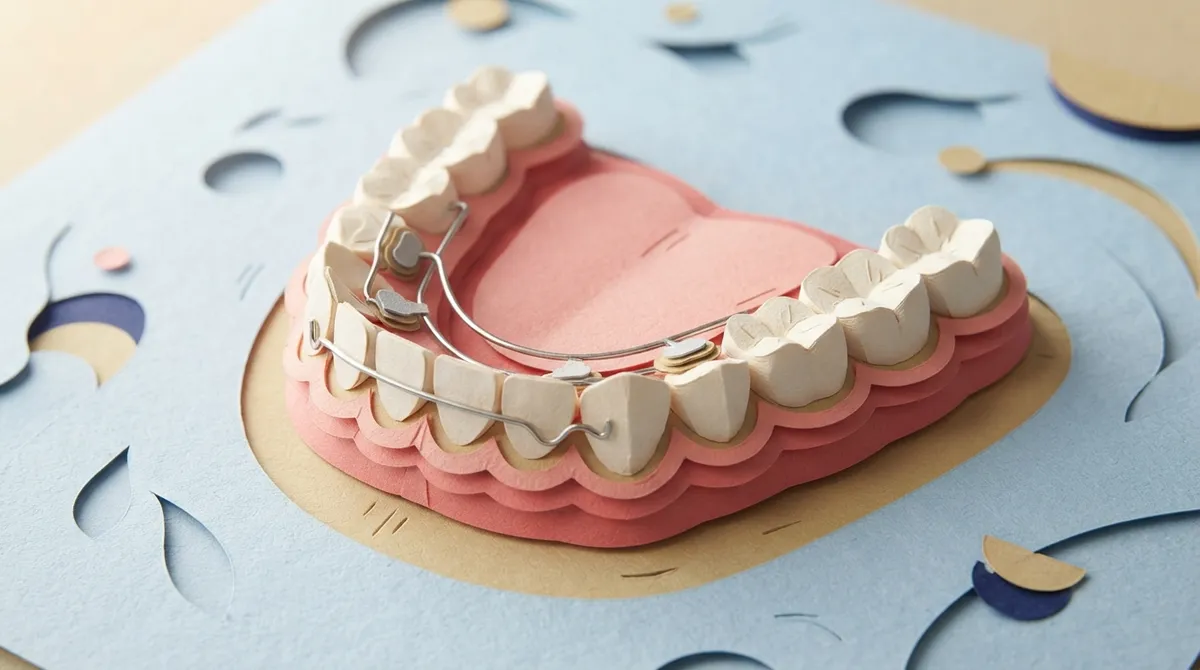
What Exactly Is a Permanent Retainer?
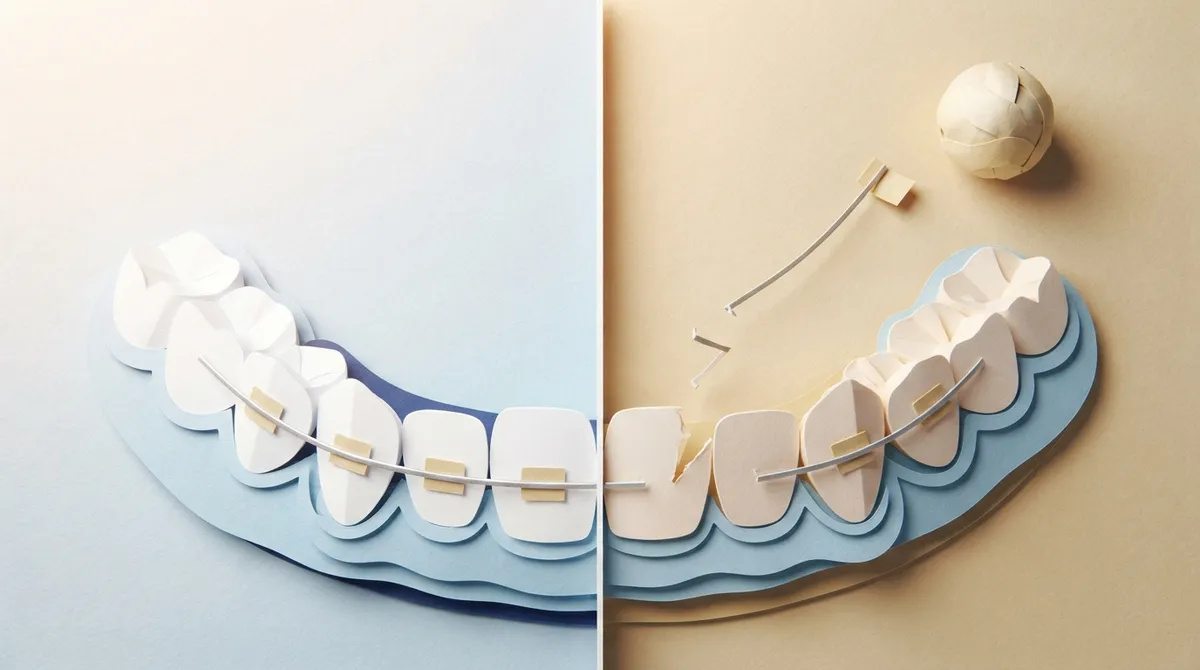
A permanent retainer, sometimes called a bonded or fixed retainer, is a thin wire glued to the back of your teeth. It usually sits behind your top or bottom front teeth. Unlike a removable retainer you take out to eat, this one stays put around the clock, quietly holding your smile in its new, straight position after braces or clear aligners.
These retainers work great for a long time, but they aren’t invincible. Studies show fixed retainer failure is actually pretty common. A 2023 review found the overall failure rate hovers around 35%, and that risk climbs the longer you’ve had the retainer. Early on, about 25% of retainers show some kind of failure within the first year. By six years, nearly half have experienced an issue. That doesn’t mean yours is doomed. It just means you’re in good company if something goes wrong eventually.
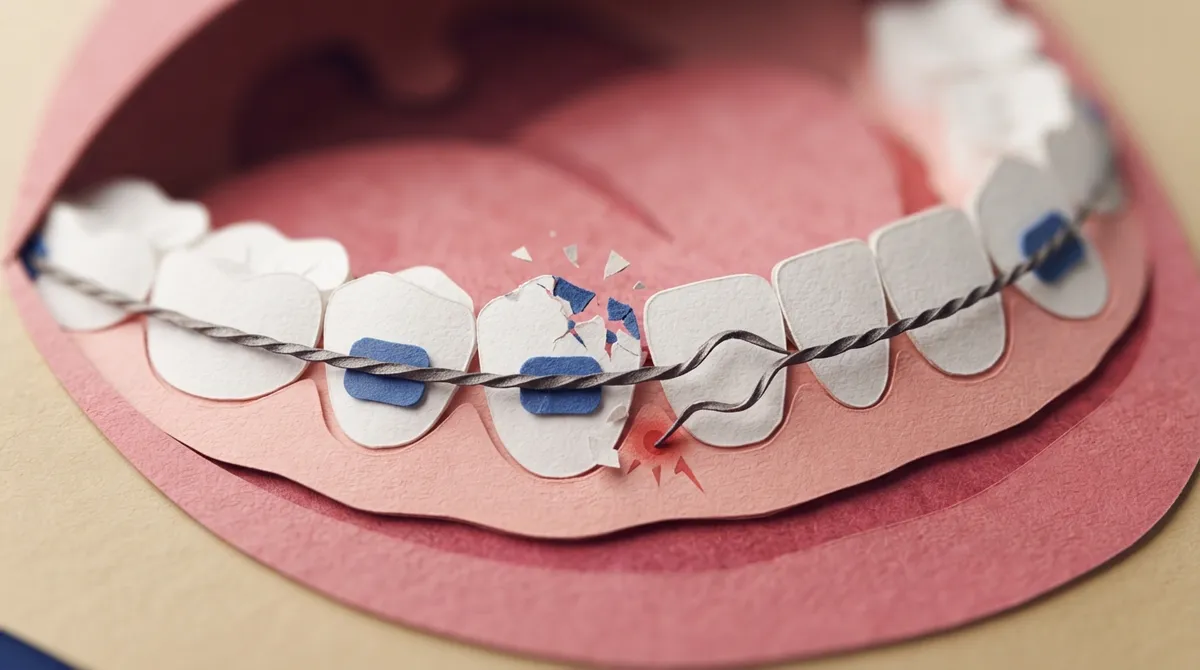
Signs Your Permanent Retainer Might Be Broken
Sometimes a break is obvious. Other times it’s sneaky. Here are the most common signs patients notice:
- A wire that wiggles or moves when your tongue touches it
- A sharp or poking end that irritates your cheek or tongue
- Floss that keeps shredding or getting stuck in one spot
- One tooth feeling like it’s rotating or shifting slightly
- A small chip of bonding material missing from a tooth
- A visible gap where the wire used to be bonded
If you notice any of these, don’t panic, but don’t ignore it either. The sooner it’s looked at, the easier it usually is to fix.
Why Do Permanent Retainers Break?
There are several usual suspects when a bonded retainer fails. Understanding the cause can help you prevent a repeat next time.
- Adhesive failure. This is actually the most common cause. The bonding material holding the wire to your tooth simply lets go over time, especially with wear and tear from biting.
- Biting hard or sticky foods. Ice, hard candy, bagels, or caramel can put a lot of stress on that wire and bonding.
- Grinding your teeth at night. Constant pressure from grinding can loosen or distort the wire.
- Flossing too aggressively. Snapping floss in and out instead of gently sliding it can pop the wire loose.
- Dental trauma. A bump to the mouth during sports or a fall can dislodge the retainer instantly.
- Normal aging of the material. Like anything in your mouth, wires and adhesives don’t last forever.
A 2021 systematic review noted that no particular wire design has been proven to guarantee long-term stability, so even the best retainer can eventually need attention. That’s simply part of having a fixed retainer, and it’s nothing to feel embarrassed about.
Is a Broken Permanent Retainer a Dental Emergency?
Good news first: in most cases, this is not a true emergency. You won’t need to rush to an urgent care center in the middle of the night. However, it is something you should treat as urgent and get checked within a day or two, not weeks.
Here’s why timing matters. Once the wire loses its hold, the teeth it was supporting are no longer locked in place. They can start shifting, sometimes within just a few weeks. This is especially true if you finished braces or aligner treatment recently, since teeth tend to be more prone to movement early in the retention phase.
| Situation | How Urgent? | What to Do |
|---|---|---|
| Wire loose but not poking | Moderate | Call within 24-48 hours |
| Sharp wire poking cheek or tongue | Higher | Cover with wax, call same day |
| Wire completely detached, no injury | Moderate | Schedule an appointment soon |
| Severe pain, swelling, or swallowed piece | High | Seek immediate care |
If you ever swallow or inhale a piece of wire, or if you have significant pain, bleeding, or swelling, that’s when you should seek immediate medical or dental attention. Outside of those situations, a broken permanent retainer is usually a “call soon” problem, not a “drop everything” one.
What to Do Right Away If Your Retainer Breaks
Here’s your step-by-step plan for the moment you discover the problem:
- Stay calm. This happens to plenty of people, and it’s very treatable.
- Do not try to remove, cut, or bend the wire yourself. This can cause more damage or even push the wire into an uncomfortable spot.
- Do not attempt to reglue it with any household adhesive. Dental bonding requires special materials and proper conditions.
- Cover any sharp or poking area with orthodontic wax. This protects your cheek and tongue until you’re seen.
- Call your orthodontist’s office promptly. Explain what you’re feeling and ask how soon you can be seen.
- Avoid hard, sticky, or chewy foods until the retainer is repaired, to prevent further loosening.
If you have a removable retainer as backup and it still fits comfortably without forcing it over the loose wire, your orthodontist may advise wearing it temporarily. Never force a retainer over a shifted or distorted wire, though, as this can cause discomfort or additional movement.
How Orthodontists Repair a Broken Permanent Retainer
Once you’re in the chair, your orthodontist will take a look and figure out the best path forward. Treatment usually falls into one of these categories:
- Rebonding the existing wire. If the wire itself is in good shape, it can often be recleaned and rebonded to the tooth.
- Replacing the retainer with a new fixed wire. If the old wire is distorted or fractured, a fresh one is custom-fit and bonded in place.
- Switching to a removable retainer. Sometimes the fixed wire is removed entirely, and a custom removable retainer takes over full-time duty.
- Limited retreatment. If teeth have already shifted noticeably, your orthodontist may recommend a short round of aligners or braces to nudge things back before placing a new retainer.
Our team at Brockway Orthodontics’ retainer care page walks through these options in more detail, so you know exactly what to expect before you even sit down in the chair.
Broken Permanent Retainer Repair Costs
Cost varies depending on what’s needed. A simple rebonding is generally the most affordable fix, while replacing the retainer or addressing shifted teeth costs more. Many practices, including ours, offer flexible ways to make this affordable. If you’re worried about cost, ask your orthodontist about financing and insurance options before your visit so you know what to expect.
How to Prevent a Broken Permanent Retainer
While no retainer lasts forever, there are smart habits that help yours go the distance:
- Avoid biting into hard foods like ice, whole apples, or hard candy with your front teeth
- Skip overly sticky treats like caramel and taffy that tug on the wire
- Floss gently, sliding the floss in from the side using a threader or floss pick instead of snapping it down
- Wear a nightguard if you grind your teeth
- Keep up with regular dental cleanings so your dentist can spot early wire problems
- Continue wearing your prescribed removable retainer as directed, even with a fixed wire in place
According to the American Dental Association, consistent oral hygiene and regular professional checkups are key to catching small orthodontic issues before they become bigger ones. The same logic applies here. A quick look at your retainer during a routine cleaning can catch a loose spot before it turns into a full break.
Why Long-Term Monitoring Matters
Fixed retainers are a “set it and mostly forget it” tool, but not completely. Research summarized by the Florida Association of Orthodontists and other professional groups highlights that fixed retainer failure risk grows over time, so periodic checks matter. A pooled analysis found failure prevalence around 35% for upper retainers and 28% for lower ones, though these numbers vary widely between studies and don’t predict any one person’s outcome.
The takeaway? Don’t assume your retainer is “done” just because you haven’t thought about it in years. Regular visits, whether for your first orthodontic visit or a years-later checkup, help make sure your retainer is still doing its job quietly and effectively.
Cleaning Around Your Permanent Retainer
Good hygiene around a fixed retainer takes a little extra care, but it’s totally manageable once it becomes routine.
- Use a floss threader or orthodontic floss pick to get under the wire each night
- Consider a water flosser for an easier daily routine
- Brush gently right along the wire, angling your brush to reach both above and below it
- Rinse with an antimicrobial mouthwash if recommended by your dentist
- Schedule regular dental cleanings so a professional can check the area you might miss
If flossing around your retainer has become a struggle, or you notice bleeding gums near the wire, mention it at your next visit. It could be an early sign the wire needs attention.
When Relapse Has Already Started
Sometimes patients don’t catch a broken retainer right away, and by the time they notice, a tooth has visibly shifted or rotated. This is more common than you’d think, and it’s completely treatable. Depending on how much movement occurred, your orthodontist might recommend a short course of clear aligners to gently guide the tooth back into place before placing a fresh retainer. If you’re in this boat, our Spark™ Clear Aligners option is often a discreet, comfortable way to correct minor relapse without going back into full metal braces.
We also work with adult patients navigating relapse all the time. If you had braces years ago and things have quietly drifted since your retainer broke, you’re in good company, and it’s never too late to get your smile back on track with adult treatment options designed around your busy schedule.
Why Choose Brockway Orthodontics for Retainer Repairs
Dr. Brockway and our Clearwater team treat every retainer repair with the same care and attention we give full treatment plans. We use modern digital imaging to assess your bite and retainer fit precisely, so we get it right the first time. We also know life is busy, which is why we offer same-day appointments for many retainer issues whenever possible.
Curious what other patients say about their experience? Take a moment to visit us on Google — Brockway Orthodontics and read real reviews from families across Clearwater. You can also connect with us on Facebook or follow along on Instagram for smile tips and updates from our office.
Your Next Step
A broken permanent retainer isn’t the end of the world, but it does deserve prompt attention. The good news is you have options, and a quick visit can usually get things back on track before any real shifting happens. If you’re dealing with a loose wire, a poking end, or you’re just not sure whether something feels off, don’t wait it out.
Ready to get it checked? Book appointment online with our Clearwater team today, or feel free to contact us with any questions about your retainer. We’re here to help you keep that smile you worked so hard for, and we genuinely enjoy being part of your smile journey.
FAQs
Q: What should I do if my permanent retainer breaks?
A: First, don’t panic! Avoid touching, cutting, or trying to reglue the wire yourself. Cover any sharp spot with orthodontic wax and call your orthodontist to schedule a repair as soon as you can.
Q: Can a broken permanent retainer move my teeth?
A: Yes, it can, especially if it’s left unfixed for a while. Once the wire loses its grip, teeth can start shifting, so it’s best to get it checked within a day or two rather than waiting it out.
Q: How urgent is a loose or detached bonded retainer?
A: It’s generally not a true emergency, but it is time-sensitive. Think of it as a ‘call this week, not this year’ kind of problem, unless there’s pain, swelling, or a swallowed piece, which needs immediate care.
Q: Can a permanent retainer be repaired, or does it need to be replaced?
A: It depends on the damage. Sometimes the same wire can simply be rebonded, while other times a fresh wire or even a removable retainer is the better long-term solution. Your orthodontist will guide you through the best option.
Q: How can I prevent my permanent retainer from breaking again?
A: Avoid hard or sticky foods, floss gently with a threader instead of snapping it in, and wear a nightguard if you grind your teeth. Regular dental checkups also help catch small issues before they become bigger ones.
Our Service Area