Key Takeaways
-
Initial soreness after getting braces is normal and usually fades within 3-5 days; manage it with soft foods, salt water rinses, orthodontic wax, and over-the-counter pain relievers.
-
Most patients wear braces for 12-24 months, but treatment time varies based on bite complexity, age, appliance type, and how well you follow instructions like wearing rubber bands and attending appointments.
-
Avoid hard, sticky, crunchy, or chewy foods like popcorn, hard candy, ice cubes, and gum, but you can still enjoy most foods by cutting them into smaller pieces instead of biting directly into them.
-
Brush after every meal with fluoride toothpaste and use floss threaders or interdental brushes to clean around brackets and wires, as plaque hides more easily with braces.
-
After braces are removed, you must wear retainers as instructed to prevent teeth from shifting back, as this is one of the biggest mistakes patients make after treatment.
-
Regular adjustment visits every 4-12 weeks (typically 6-8 weeks) are quick 20-30 minute appointments where your orthodontist tracks progress and makes adjustments to keep teeth moving correctly.
Getting braces is a big step, and it’s totally normal to feel a mix of excitement and nerves. Maybe you’re a parent watching your child head into their first orthodontic appointment. Maybe you’re an adult finally deciding to fix that smile you’ve been self-conscious about for years. Whatever brought you here, we want you to feel calm, informed, and even a little excited about what’s ahead.
At Brockway Orthodontics, we’ve walked hundreds of patients through this exact journey. From nervous teens to busy professionals to parents bringing in their kiddos for the first time, we’ve seen it all. This guide breaks down exactly what to expect with braces, from your first consultation to the day you get them removed. Let’s take the mystery out of the process together.
Your First Orthodontic Consultation
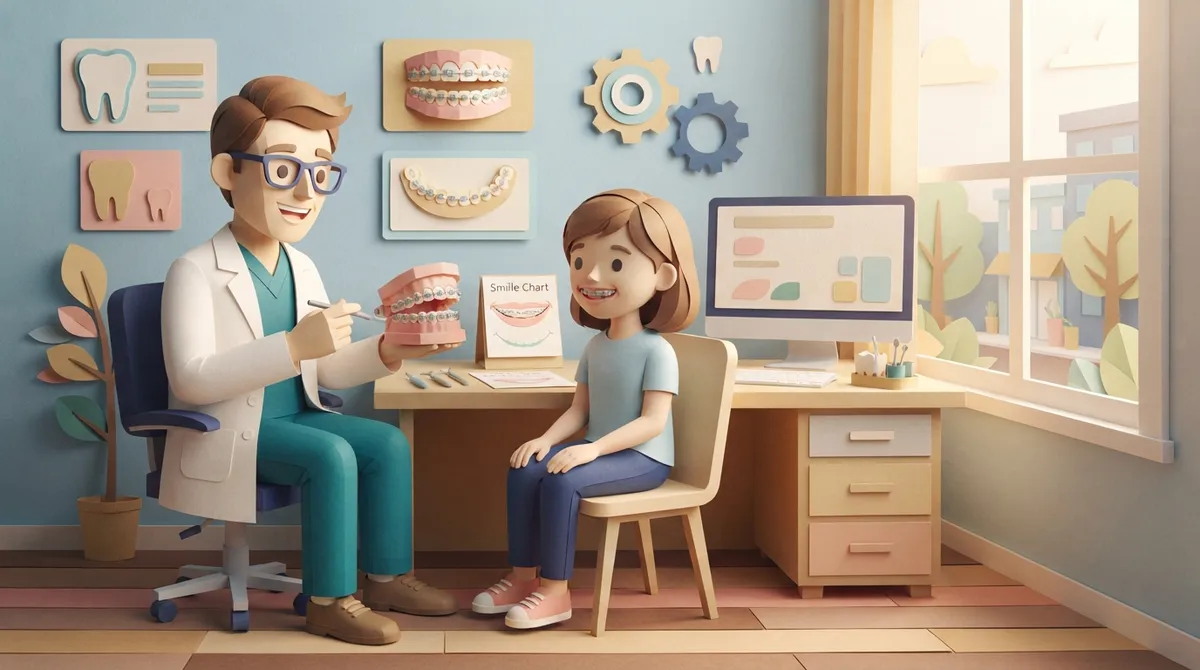
Before any brackets or wires touch your teeth, you’ll sit down for a consultation. This is where Dr. Brockway gets to know you and your smile goals. She’ll look at your teeth and bite, take some measurements or digital scans, and talk through your options.
This visit isn’t scary or rushed. It’s a conversation. You’ll learn how long your treatment might take and what type of braces fits your lifestyle best. If you’re curious about what happens during this appointment, check out our page on your first visit for more details.
Every mouth is different, so your treatment plan will be made just for you. Some patients need simple adjustments. Others have more complex bite issues that take extra planning. Either way, you’ll leave that first visit with a clear roadmap.
What Happens During the Exam
- A visual check of your teeth and gums
- Digital X-rays or 3D scans to see what’s happening below the surface
- A discussion of your treatment options, including traditional braces or Spark™ Clear Aligners
- An estimate of how long treatment will likely take
- Time for your questions, big or small
Getting Your Braces Put On
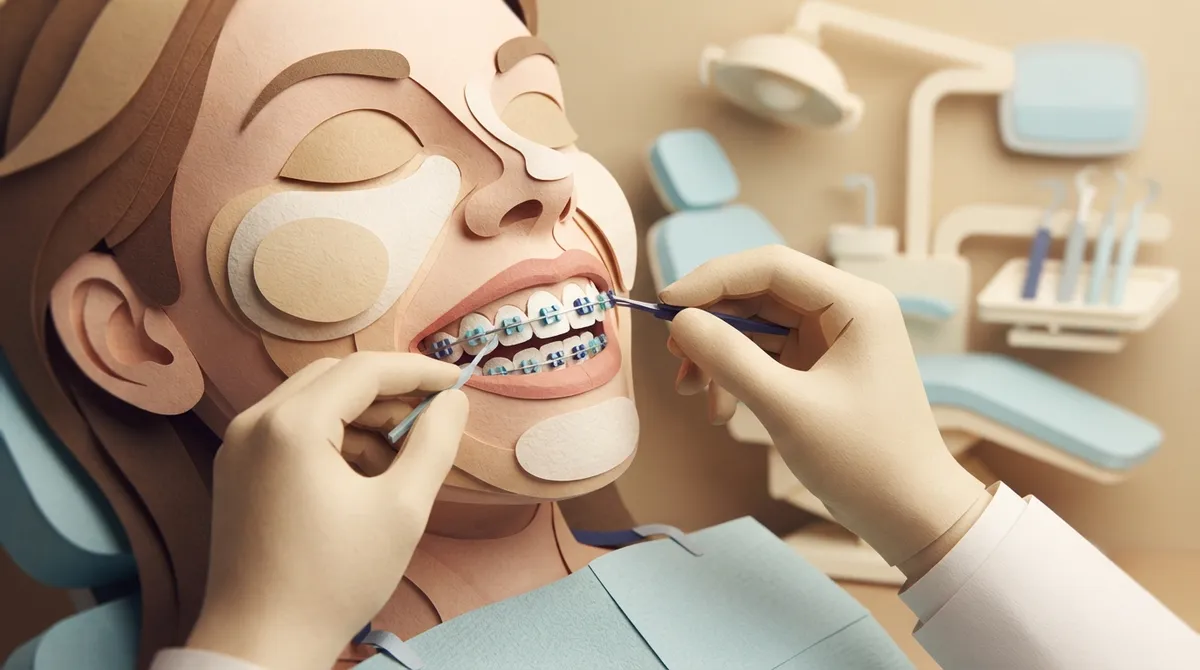
Here’s some good news: putting braces on doesn’t hurt. The process is painless because the orthodontist is simply bonding brackets to your teeth and threading a wire through them. You might feel some pressure, but no pain during the appointment itself.
The soreness usually shows up later, a few hours after you leave the office. Your teeth are starting to shift, and that can feel tender or achy for a few days. This is completely normal and a sign that your treatment is working.
Tips for Handling Initial Soreness
- Stick to soft foods like yogurt, mashed potatoes, and soup for the first few days
- Rinse with warm salt water to soothe your gums
- Use orthodontic wax on any spots where brackets rub against your cheeks
- Take an over-the-counter pain reliever if needed, following label directions
- Give it time. Most soreness fades within three to five days
If pain feels severe or doesn’t improve, don’t just push through it. Reach out to your orthodontist. Persistent pain is worth checking on, even if it’s probably nothing serious.
Your Regular Adjustment Visits
Once your braces are on, you’ll come back for regular check-ups. These visits let your orthodontist track your progress and make small adjustments to keep your teeth moving in the right direction.
According to the American Association of Orthodontists, most patients return every 4 to 12 weeks depending on their treatment stage. Many offices, including ours, schedule these visits around every 6 to 8 weeks, which matches guidance from the NHS as well.
| Visit Type | Typical Frequency | What Happens |
|---|---|---|
| Initial Consultation | One-time | Exam, scans, treatment planning |
| Bonding Appointment | One-time | Braces are placed on teeth |
| Adjustment Visits | Every 4-12 weeks | Wire changes, tightening, progress checks |
| Final Visit | One-time | Braces removed, retainer fitted |
These appointments are usually quick, often 20 to 30 minutes. You might feel a little tenderness afterward, similar to what you felt when your braces were first put on. It usually fades within a day or two.
How Long Will You Wear Braces?
This is one of the most common questions we hear, and the honest answer is: it depends. Treatment time varies based on how complex your bite issue is, your age, the type of appliance you’re using, and how well you follow instructions.
That said, most patients wear braces for about 12 to 24 months. Simpler cases might wrap up faster. More complex bite or alignment problems can take a bit longer. Our adolescent treatment and adult treatment pages go into more detail on what timelines look like for different age groups.
Your cooperation matters too. Wearing rubber bands as instructed, showing up for appointments, and taking care of your braces all help keep your treatment on schedule.
Eating and Oral Hygiene With Braces
This part takes some getting used to, but it becomes second nature pretty quickly. Braces require a bit more attention when it comes to brushing, flossing, and choosing foods.
Foods to Avoid
Hard, sticky, crunchy, or chewy foods are the enemy of brackets and wires. Here’s a quick list of foods that tend to cause trouble:
- Popcorn and nuts
- Hard candy and caramel
- Ice cubes
- Chewy bagels or crusty bread
- Corn on the cob (cut it off first!)
- Sticky gum
You don’t have to give up everything fun. Just cut foods into smaller pieces instead of biting directly into them, and limit sugary snacks and drinks that can lead to cavities around your brackets.
Brushing and Flossing Tips
Plaque loves to hide around brackets and wires, so daily cleaning matters more than ever. Here’s how to stay on top of it:
- Brush after every meal with a fluoride toothpaste
- Angle your brush to clean around each bracket and along the gumline
- Use floss threaders or interdental brushes to get between wires
- Keep up with regular dental check-ups, not just orthodontist visits
The American Dental Association recommends brushing twice daily and flossing once a day, and this becomes even more important with braces in the picture. Skipping oral hygiene can lead to decay or gum irritation that nobody wants.
Handling Braces Emergencies
Every once in a while, something might feel off. A bracket comes loose. A wire pokes your cheek. Don’t panic. These things happen, and they’re usually easy fixes.
Orthodontic wax can temporarily cover a sharp spot until you can get in for a repair. But wax is just a band-aid solution. It doesn’t replace a proper fix from your orthodontist’s office. If something feels seriously wrong or painful, give your orthodontist a call rather than waiting it out.
Our team at Brockway Orthodontics is always ready to help with quick fixes, so don’t hesitate to reach out if something feels off between visits.
Life After Braces: Retainers
The day your braces come off is a big milestone. But your journey doesn’t stop there. Your teeth have moved into their new positions, and they need a little encouragement to stay put.
That’s where retainers come in. Dr. Brockway will explain exactly how often you need to wear yours and for how long. Some patients wear retainers full-time at first, then switch to nighttime wear only. Long-term retention is often needed to keep your smile looking its best for years to come.
Skipping retainer wear is one of the biggest mistakes patients make after finishing treatment. Teeth can shift back surprisingly fast without that support, so stick with the plan your orthodontist gives you.
Why Choose Brockway Orthodontics for Your Braces Journey
Dr. Brockway isn’t just skilled and experienced. She genuinely cares about each patient’s journey, taking time to listen to your goals and answer your questions along the way. Our Clearwater, Florida practice welcomes patients of every age, whether you’re bringing in your seven-year-old for an early treatment evaluation or you’re an adult professional ready for a straighter smile.
We use modern technology like digital impressions and 3D imaging to make your experience more comfortable and your treatment plan more precise. And for those with busy schedules, we sometimes offer same-day treatment options so you can get started without multiple extra visits.
Curious about all your options? We offer traditional metal braces, ceramic (clear) braces, and Spark™ Clear Aligners, which give patients a more affordable alternative to other clear aligner brands. Check out our full list of services to see what fits your smile goals best.
Many of our patients also appreciate a relaxing self-care routine alongside their orthodontic journey. If you’re local to the Tampa Bay area, Mobile Area Massage of Tampa Bay offers convenient services that pair nicely with taking care of yourself during treatment.
Bringing It All Together
Braces are a journey, not just a single appointment. From that first consultation to your last retainer check, every step is designed to give you a smile you’ll love. Yes, there might be a little soreness here and there. Yes, you’ll need to be more careful about what you eat and how you brush. But the payoff, a confident, healthy smile, is absolutely worth it.
If you want to learn more about credentialed care in our field, the Florida Association of Orthodontists is a great resource for finding qualified specialists across the state. And if you’d like to see what real patients say about their experience with us, feel free to visit us on Google — Brockway Orthodontics reviews page.
Ready to start your own braces journey? Our team would love to walk you through your options and answer any questions you have. You can also follow along with patient stories and smile transformations on our Instagram and Facebook pages, or connect with us on LinkedIn.
Whether you’re a parent exploring options for your child, a teen dreaming of a picture-perfect smile for graduation, or an adult ready to finally invest in your confidence, we’re here for you. Book your appointment online today, or get in touch with our team to ask any questions before you get started. Your best smile is waiting, and we can’t wait to help you get there.
FAQs
Q: How long does it take to get used to braces?
A: Most people adjust within a week or two! The first few days are the toughest as your mouth gets used to the new hardware, but soreness fades fast. Before you know it, you’ll barely notice they’re there.
Q: Do braces hurt when they are first put on or adjusted?
A: Putting braces on doesn’t hurt at all, it’s a painless process. You might feel some tenderness a few hours later as your teeth start shifting, but this usually settles down within a few days.
Q: How long do you have to wear braces?
A: Most patients wear braces for about 12 to 24 months, though it really depends on your specific case. Simpler alignment issues might wrap up quicker, while more complex bites can take a bit longer.
Q: What foods should you avoid while wearing braces?
A: Steer clear of hard, sticky, crunchy, or chewy foods like popcorn, hard candy, and ice cubes. These can break brackets or bend wires, so it’s best to enjoy them again after your braces come off!
Q: What should you do if a bracket comes loose or a wire is poking?
A: Don’t stress! Cover the sharp spot with orthodontic wax for temporary relief, then give your orthodontist a call to schedule a quick repair. It’s a common hiccup and an easy fix.
Our Service Area