
Key Takeaways
-
The American Association of Orthodontists recommends a first orthodontic checkup by age 7, even with baby teeth still present, to catch developing bite and jaw issues early when intervention is most effective.
-
Most children begin comprehensive braces treatment around ages 12-13 once permanent teeth are in place, but timing varies individually based on jaw growth and specific bite issues.
-
Adults can pursue orthodontic treatment at any age if teeth and gums are healthy; modern options like clear aligners offer discreet, budget-friendly alternatives to traditional braces.
-
Watch for early warning signs like crowded teeth, protruding teeth, overbites, difficulty chewing, or jaw sounds—these warrant an evaluation sooner than age 7, even if treatment isn't immediately needed.
Wondering when to see an orthodontist? You’re not alone. Parents ask us this all the time, and honestly, it’s one of the best questions you can ask. Whether you’re watching your child’s baby teeth wiggle loose or you’re an adult tired of hiding your smile in photos, timing matters more than most people realize.
The good news? You don’t need to guess. There are clear signs and simple guidelines that tell you exactly when it’s time to book that first visit. In this friendly guide, we’ll walk through everything from checkups for 7-year-olds to why adults in Clearwater are booking consultations more than ever. Grab a cup of coffee, and let’s clear up the confusion together.
The Age 7 Rule: Why It Matters
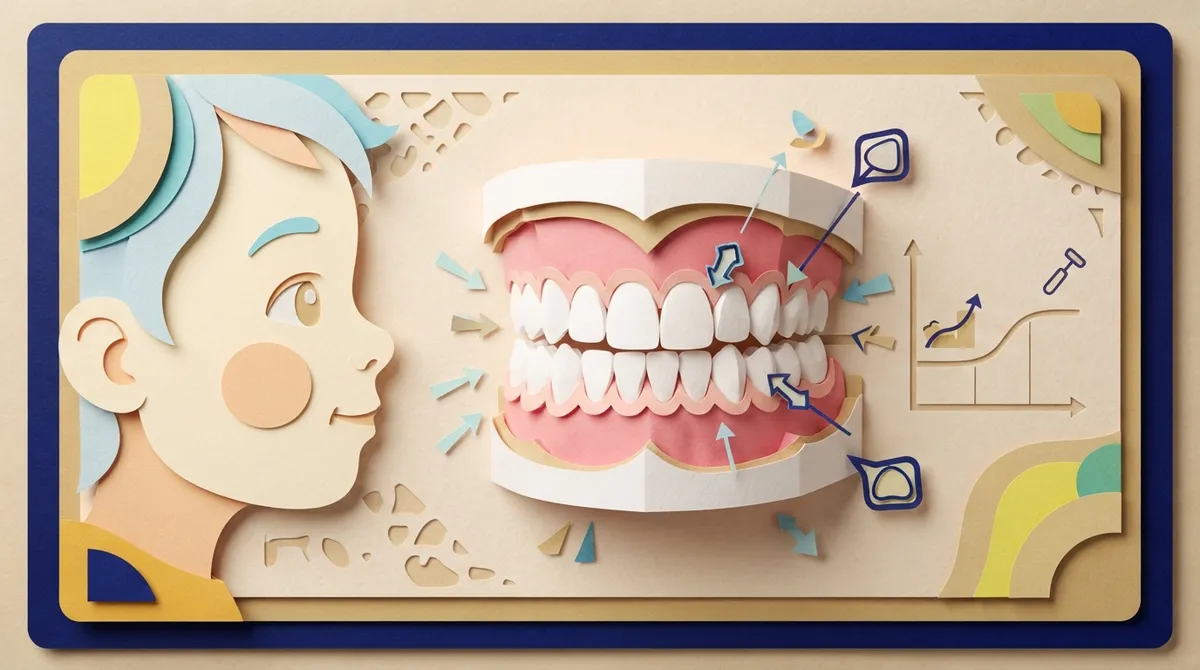
The American Association of Orthodontists recommends that every child have their first orthodontic checkup by age 7. That might sound early, especially if your child still has a mouth full of baby teeth. But there’s good reasoning behind it.
At age 7, kids usually have a mix of baby teeth and permanent teeth coming in. This mix gives an orthodontist a helpful sneak peek at how the jaw is growing and how the bite is developing. Think of it like a home inspection before you buy a house. You’re not fixing anything yet. You’re just finding out if there’s something worth watching.
Here’s the part that puts parents at ease: an early checkup does not mean your child needs braces right away. In many cases, the orthodontist will simply keep an eye on things as your child grows. Some kids need early treatment for a specific issue. Others just need a bit of monitoring until more permanent teeth arrive. Learn more about what happens during early treatment and how it works.
What Happens During an Early Checkup?
During this first visit, the orthodontist will look at how the teeth fit together, check jaw growth, and watch for early warning signs. It’s quick, painless, and honestly kind of fun for most kids. If you’re curious about what to expect, our page on your first visit breaks it all down.

Signs Your Child May Need to See an Orthodontist
While age 7 is the general benchmark, some signs pop up earlier and are worth checking out right away. You know your child best, so trust your gut if something looks off.
- Crowded, crooked, or overlapping teeth
- Teeth that stick out noticeably (protruding teeth)
- An overbite, underbite, or crossbite
- Teeth that don’t meet properly when biting down
- Difficulty chewing or biting food
- A jaw that shifts or makes sounds when opening and closing
- Losing baby teeth very early or very late
- Thumb-sucking or finger-sucking past age 5
- Mouth breathing or trouble speaking clearly
If you notice any of these, it doesn’t automatically mean treatment is needed. But it’s a good reason to schedule an evaluation sooner rather than later. Sometimes your family dentist will actually spot these issues first during a routine cleaning and suggest a referral. That’s completely normal, and it’s one of many signs your child needs braces worth knowing about.
When Do Kids Actually Start Braces?
Here’s where things get a little less black-and-white. According to NHS guidance, many children start comprehensive orthodontic treatment around ages 12 to 13, once most or all of their permanent teeth have come in. But this isn’t a hard rule. Some kids need to start earlier. Others can wait a bit longer, depending on their individual bite, jaw growth, and treatment goals.
| Age Range | What Typically Happens |
|---|---|
| Age 7 | First orthodontic checkup recommended by the AAO |
| Ages 7-11 | Monitoring or early treatment if a specific issue is found |
| Ages 12-13 | Most comprehensive braces treatment begins |
| Teens and up | Continued treatment, retainers, or later evaluation for adults |
Every smile is different, which is exactly why a personalized evaluation matters so much. At Brockway Orthodontics, we look at your child’s unique growth pattern rather than following a one-size-fits-all timeline. If you want to explore treatment paths designed specifically for growing smiles, check out our adolescent treatment options.
Can Adults See an Orthodontist Too?
Absolutely, and we mean that with total enthusiasm! There’s no age limit on wanting a smile you feel good about. Whether you skipped braces as a kid, your teeth have shifted over the years, or you’re dealing with bite issues that affect your daily comfort, adult orthodontic care is more popular than ever.
Adult teeth and gums need to be healthy before starting treatment. If there’s gum disease, tooth decay, or bone support concerns, those usually need attention first. Once your mouth is ready, treatment options and timelines will depend on your specific case. Many adults in Clearwater are surprised by how comfortable and discreet modern options have become. Our adult treatment page walks through what today’s choices look like.
Popular Options for Busy Adults
If you’re juggling a career, family, and social life, you probably want something that fits quietly into your routine. That’s exactly why so many adults choose Spark™ Clear Aligners. They’re nearly invisible, removable for meals, and a more budget-friendly option compared to some other clear aligner brands. For those who prefer a more traditional approach, our all about braces guide covers everything from metal to ceramic options.
Should I See a Dentist or an Orthodontist First?
Good question, and one we hear a lot. Your family dentist is a great first stop for general oral health, cleanings, and checking for cavities. But when it comes to alignment, bite issues, or jaw development, an orthodontist is the specialist trained specifically for that job.
Many patients come to us after their dentist noticed something during a routine visit and suggested a referral. Others simply schedule directly with us once they notice signs on their own. Either path works. According to the American Dental Association, regular dental visits combined with orthodontic evaluations give you the most complete picture of your oral health.
When a Braces Problem Becomes an Emergency
Most braces issues can wait for a regular appointment. A loose bracket or a poking wire is annoying but rarely urgent. However, some situations need immediate attention.
- Heavy bleeding that won’t stop
- Trouble breathing or swallowing
- A suspected broken jaw
- Major facial trauma from an accident or fall
- A knocked-out or severely displaced permanent tooth
If you’re facing any of these, skip the orthodontist and head straight to urgent medical or dental care. For less severe issues, like a wire poking your cheek or a bracket that’s come loose, give your orthodontist’s office a call. We always recommend reviewing the difference between emergency versus routine orthodontics so you know exactly what steps to take.
Why Choose Brockway Orthodontics in Clearwater
Dr. Brockway has built her practice around one simple idea: every patient deserves care that feels personal, not rushed. Whether you’re bringing in your 7-year-old for that first checkup or you’re an adult finally ready to invest in your smile, our team takes time to listen to your goals and answer every question along the way.
We use modern technology like digital impressions and 3D imaging, so you skip the messy molds and get a more precise treatment plan from day one. We also offer same-day treatment starts in certain cases, because we know families in Clearwater have busy schedules. You can browse our full range of services to see everything we offer, from traditional metal braces to Spark™ Clear Aligners.
Curious what past patients think? Check out real experiences shared through Visit us on Google — Brockway Orthodontics, and feel free to follow along on Instagram or Facebook for smile transformations and helpful tips.
What to Expect at Your First Consultation
Not sure what actually happens during that first visit? Here’s a simple breakdown so you can walk in feeling confident instead of nervous.
- A friendly welcome and a chat about your concerns or goals
- A gentle exam of your teeth, bite, and jaw movement
- Digital images or scans, if needed, to get a full picture
- A discussion of findings in plain, easy-to-understand language
- A personalized plan, including timeline and payment options
We want you to leave that first appointment with clarity, not confusion. If you’d like to see this process in more detail, visit our your first visit page before you come in.
Retainers and Life After Treatment
Once braces or aligners finish their job, the story isn’t quite over. Retainers help keep your new smile exactly where it belongs. Skipping this step is one of the most common regrets patients mention later on. Our retainers page explains why this final step matters just as much as the treatment itself.
For families in the greater Tampa Bay area, resources from the Florida Association of Orthodontists can also help you understand statewide standards for orthodontic care and what to look for in a qualified provider.
Ready to Find Out If It’s Time?
Whether you’re a parent wondering about that first checkup, a teenager dreaming of a confident smile before graduation, or an adult finally ready to invest in yourself, there’s no better time than now to get answers. Waiting rarely helps, and a simple evaluation can bring so much peace of mind.
Ready to take the next step? Book appointment online and let Dr. Brockway and our caring Clearwater team guide you toward a smile you’ll love. Still have questions? Contact us anytime, we’re always happy to help.
FAQs
Q: At what age should a child first see an orthodontist?
A: The American Association of Orthodontists recommends a first checkup by age 7. Don’t worry, this doesn’t mean braces are coming right away! It’s simply a chance to catch any developing issues early while there’s still a helpful mix of baby and permanent teeth.
Q: Does a child need braces if they see an orthodontist at age 7?
A: Not necessarily, and that’s actually good news! Many kids just need monitoring as they grow, while only some need early treatment. Think of it as a friendly check-in rather than a guaranteed treatment plan.
Q: Can adults see an orthodontist and get braces?
A: Absolutely, adults can seek orthodontic care at any age. As long as your teeth and gums are healthy, treatment options like Spark™ Clear Aligners or traditional braces can work beautifully for grown-up smiles too.
Q: Should I see an orthodontist or a dentist first?
A: Either works well! Your dentist handles general oral health and may refer you if they spot alignment concerns, while an orthodontist specializes specifically in bite and teeth positioning. Many patients simply book directly with an orthodontist once they notice signs themselves.
Q: When is a braces problem considered an emergency?
A: Most issues, like a poking wire, can wait for a regular appointment. But heavy bleeding, trouble breathing, a broken jaw, or a knocked-out tooth need urgent medical care right away, not a routine orthodontic visit.
Our Service Area