Key Takeaways
-
Ceramic braces move teeth at nearly identical rates to metal braces (0.66mm vs 0.64mm monthly) while remaining tooth-colored, making them equally effective for standard cases but more prone to breaking.
-
Clear aligners work best for mild to moderate crowding and spacing but have 55-82% accuracy depending on tooth movement type; fixed braces remain superior for complex rotations, significant bite corrections, and cases requiring extraction.
-
Avoid mail-order at-home aligner kits entirely—they skip professional diagnosis and can cause bite problems, gum damage, and teeth moving in wrong directions; cosmetic braces require trained orthodontist oversight.
-
Post-treatment retainer wear is mandatory long-term because teeth naturally shift throughout life even after successful bracing; choose between removable or fixed bonded retainers based on your lifestyle.
-
Poor oral hygiene during cosmetic braces treatment can cause white spots on teeth and gum irritation according to the American Dental Association; brush after meals and floss daily regardless of brace type.
-
Get a written cost estimate detailing exactly what's included (brackets, retainers, follow-up visits) before committing, as pricing varies significantly by case complexity, location, and treatment plan specifics.
Do you want straighter teeth without a mouth full of shiny metal? You’re not alone. So many of our patients here in Clearwater ask about ways to fix their smile quietly, without everyone noticing. Good news: cosmetic braces make that possible, and they’ve come a long way in recent years.
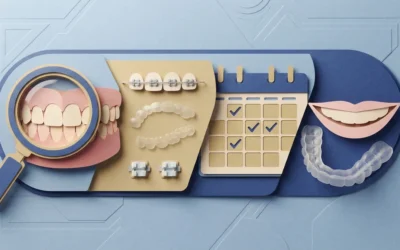
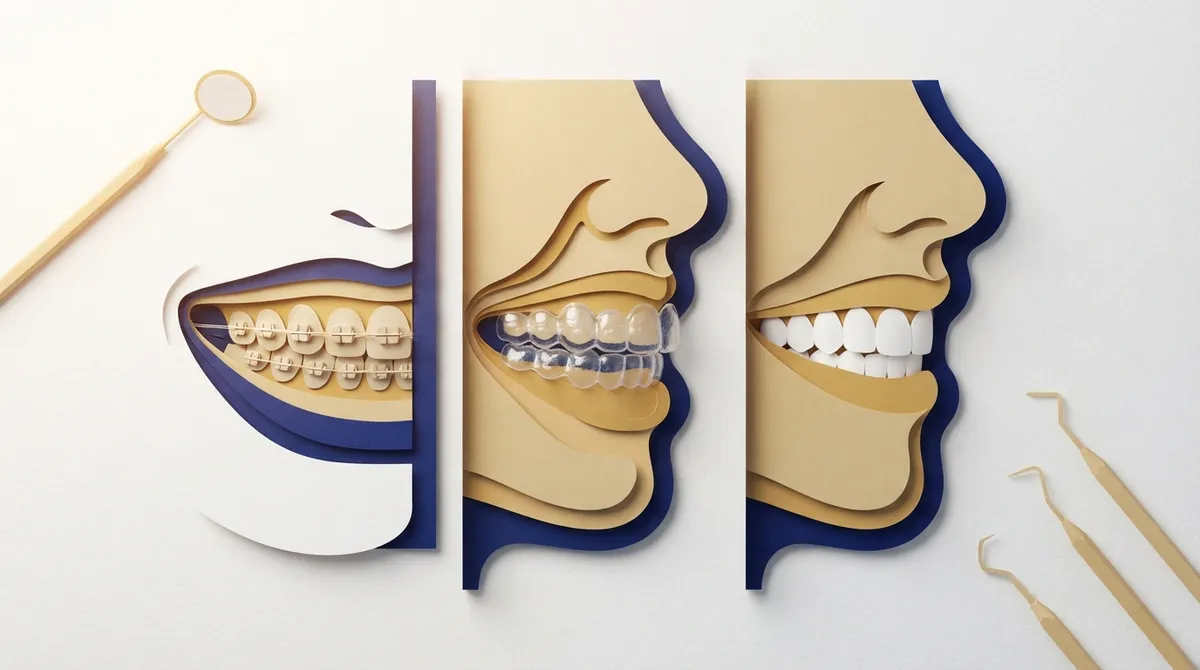
Cosmetic braces are orthodontic treatments made to straighten your teeth while staying low-key. They include tooth-colored ceramic braces, lingual braces hidden behind your teeth, and clear aligners you can pop in and out. Whether you’re a busy professional, a parent looking out for your teenager, or someone getting a second chance at a great smile, there’s likely a discreet option that fits your life.
In this guide, we’ll walk through your choices, how they work, what they cost, and what to expect along the way. We’ll also cover real research so you know what’s fact and what’s just marketing talk. By the end, you’ll feel ready to talk to an orthodontist about the best path for your smile.
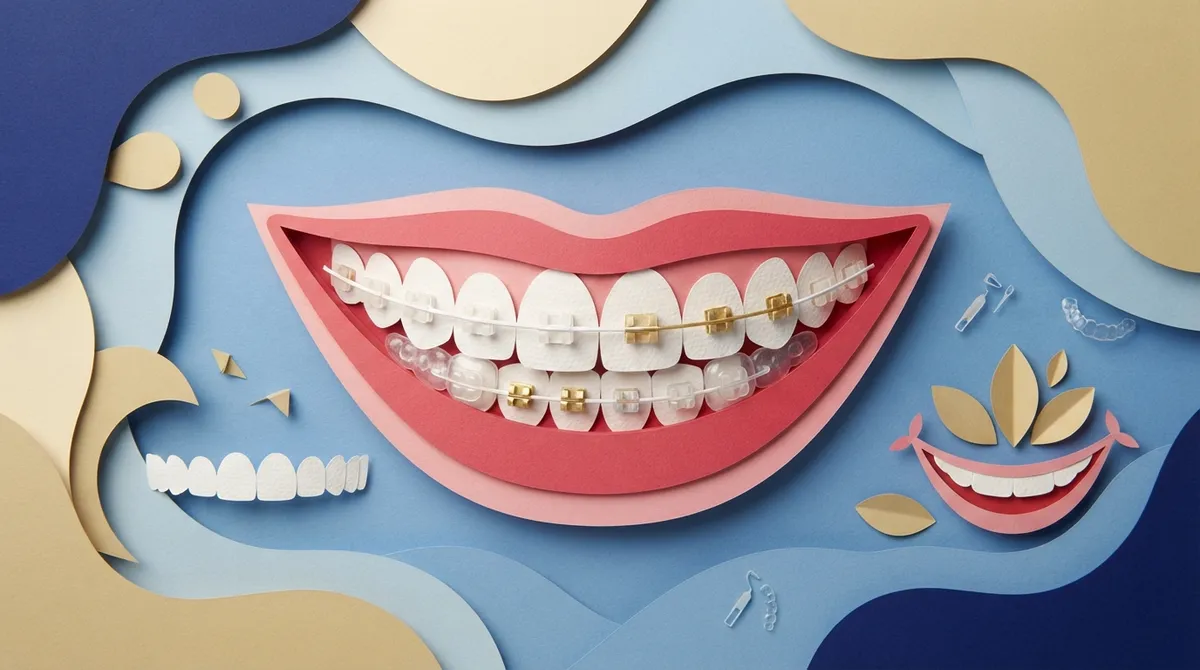
What Are Cosmetic Braces, Exactly?
Cosmetic braces are orthodontic tools designed to fix crooked teeth and bad bites while being less noticeable than old-school metal braces. They still do the same job: moving your teeth into better positions over time. The difference is how they look and, in some cases, how they feel day to day.
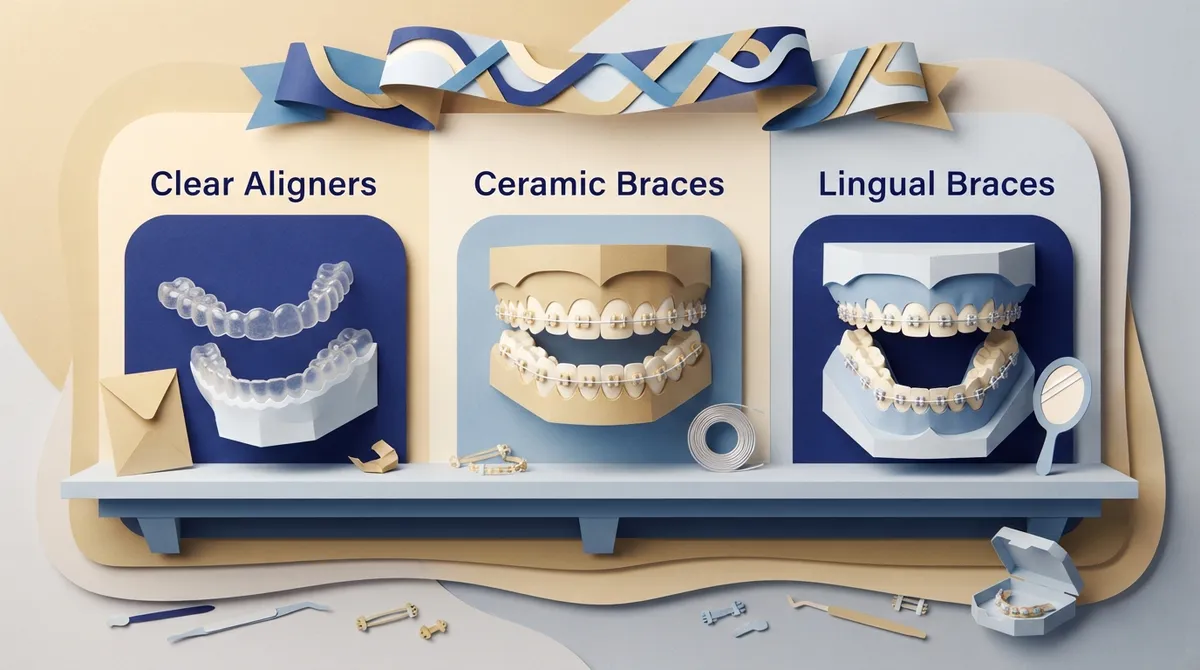
There are three main types you’ll hear about most often:
- Ceramic braces: These use tooth-colored or clear brackets with a thin wire, so they blend in with your teeth.
- Lingual braces: These attach to the back of your teeth, hidden from view completely.
- Clear aligners: These are custom, see-through trays you wear and swap out every couple of weeks.
Each option has its own strengths. Picking the right one depends on your specific bite, your budget, and how much you’re willing to commit to daily care. At Brockway Orthodontics, we offer Spark™ Clear Aligners as an affordable option, plus traditional and ceramic braces for patients who need more control over tooth movement.
Comparing Your Cosmetic Braces Options
Every patient is different, so it helps to see the choices side by side. Here’s a simple breakdown of how these three cosmetic options stack up.
| Type | Visibility | Best For | Care Needed | Typical Cost Range |
|---|---|---|---|---|
| Ceramic Braces | Low (tooth-colored) | Moderate to complex cases | Fixed, professional adjustments | Higher than metal, similar to lingual |
| Lingual Braces | Hidden (behind teeth) | Patients wanting total discretion | Fixed, may affect speech briefly | Often the most expensive |
| Clear Aligners | Very low (nearly invisible) | Mild to moderate crowding or spacing | Removable, needs strong compliance | Varies by case complexity |
Keep in mind that pricing depends heavily on your case, your location, and what’s included in your treatment plan. Always ask for a written estimate that spells out exactly what you’re paying for, including retainers and follow-up visits. You can learn more about payment options on our financing and insurance page.
How Effective Are Cosmetic Braces Compared to Metal Braces?
This is one of the biggest questions we hear, and the honest answer is: it depends on your case. Research doesn’t show one option as automatically better for everyone.
A 2025 systematic review looked at 21 clinical trials with almost 1,000 patients comparing clear aligners to fixed braces. The results showed no clear winner for simple cases. However, aligners did score better for comfort, gum health, and overall satisfaction during treatment, based on early studies with some limitations.
A separate 2024 review found that clear aligner accuracy ranges between about 55% and 82%, depending on the type of tooth movement needed. That means aligners work great for some situations but may fall short for others, especially complex rotations or bite corrections.
Fixed braces, including ceramic ones, tend to offer better control for:
- Complex tooth rotations
- Significant bite corrections
- Cases requiring tooth extraction
- Precise control of tooth roots and angles
One study found ceramic brackets moved teeth at about 0.66mm per month, almost identical to metal brackets at 0.64mm per month. So ceramic braces work just as well as traditional metal, they just look nicer. The tradeoff? Ceramic brackets can be more prone to breaking, according to research summaries. This is exactly why a proper diagnosis matters so much. Dr. Brockway will look at your X-rays, bite, and goals before recommending any option. Learn more about Dr. Brockway’s approach to care and what makes her practice different.
Who Should Consider Cosmetic Braces?
Parents of Kids and Teens
If your child needs braces but worries about how they’ll look at school, ceramic braces or clear aligners might ease their mind. Many teens today prefer options that don’t scream “braces” the moment they smile. Our adolescent treatment programs are built with this in mind.
Teenagers and Young Adults
Got a big event coming up, like graduation or prom? Cosmetic braces let you work on your smile without feeling self-conscious in every photo. Clear aligners are especially popular with this group because they’re easy to remove for special occasions.
Adult Professionals
Busy work schedules and client meetings don’t leave much room for a mouth full of metal. Many adults choose clear aligners or ceramic braces so they can keep smiling with confidence at work. Check out our adult treatment options to see what fits your lifestyle.
Orthodontic Relapse Patients
Did your teeth shift back after braces years ago? You’re definitely not alone, and it happens more often than people think. Cosmetic braces or aligners can fix relapse cases quickly, often in less time than your first treatment took.
Health-Conscious Individuals
If you care deeply about gum health and cleaning your teeth properly, clear aligners might appeal to you since they’re removable for brushing and flossing. That said, fixed options like ceramic braces still allow for thorough cleaning with the right tools and habits.
What Can Cosmetic Braces Actually Fix?
Cosmetic braces can correct many common issues, but not every case is the same. Here’s what they typically handle well:
- Mild to moderate crowding
- Small to medium gaps between teeth
- Minor bite issues, like slight overbites or underbites
- General tooth rotation and spacing problems
For more complex problems, like severe crowding, major bite misalignment, or cases needing tooth extraction, fixed braces (metal or ceramic) usually work better than aligners alone. This doesn’t mean aligners can’t help; it just means your orthodontist may recommend a different plan based on your unique needs. Our guide on braces vs. clear aligners breaks this down in more detail.
Step-by-Step: What Happens During Cosmetic Braces Treatment
- Initial consultation: Your orthodontist checks your teeth, gums, bite, and takes X-rays or digital scans.
- Treatment planning: Based on your goals and diagnosis, you’ll get a custom plan showing which cosmetic option fits best.
- Placement or fitting: Ceramic brackets get bonded to your teeth, or you’ll receive your first set of aligner trays.
- Regular check-ins: You’ll visit every few weeks to adjust wires or pick up new aligner trays.
- Treatment completion: Once your teeth reach the right position, your braces come off or you finish your aligner series.
- Retention phase: You’ll wear a retainer to keep your new smile in place long-term.
Curious what your first visit looks like? Read more about what to expect at your first visit so you feel prepared and relaxed.
Caring for Your Smile During Treatment
No matter which cosmetic braces you choose, good habits make a big difference. Here are some simple tips to protect your smile:
- Brush after every meal, especially with fixed braces where food gets stuck easily
- Floss daily using floss threaders or water flossers for tighter spots
- Avoid sticky or hard foods that can damage brackets or wires
- Wear your aligners as instructed, usually 20-22 hours a day
- Keep every appointment so your orthodontist can track your progress
Good oral hygiene matters more than people realize. According to the American Dental Association, poor brushing during orthodontic treatment can lead to white spots or gum irritation. Staying on top of cleaning habits protects both your new smile and your overall oral health.
Risks and What to Watch For
Like any medical treatment, cosmetic braces come with some risks. Being aware of them helps you catch problems early. Common issues include:
- Temporary soreness after adjustments or new aligner trays
- Minor irritation to cheeks or gums, especially early on
- White spots on teeth from poor brushing habits
- Gum inflammation if cleaning isn’t thorough
- Rare cases of root shortening with long treatment times
- Teeth shifting back if retainers aren’t worn as directed
Choosing a trusted, experienced orthodontist lowers these risks significantly. The Florida Association of Orthodontists recommends working with a specialist who monitors your progress closely throughout treatment, not just at the start and finish.
The Truth About At-Home Aligner Kits
You’ve probably seen ads for mail-order aligners that skip the orthodontist visit entirely. While tempting, this route carries real risks. Without a professional exam, you could end up with bite problems, gum damage, or teeth moving in the wrong direction.
Cosmetic braces are medical devices, not simple beauty products. A proper diagnosis from a trained orthodontist protects your long-term oral health. If you’re considering at-home options, it’s worth reading about the key differences between at-home aligners and professional care before making a decision.
Retention: Keeping Your New Smile
Here’s something many patients don’t expect: your teeth can shift even after successful treatment. That’s simply how teeth work throughout your life. This is why retainers matter so much after cosmetic braces or aligners finish their job.
Your orthodontist will likely recommend either a removable retainer or a fixed one bonded behind your teeth. Wearing it as directed protects your investment and keeps your smile looking great for years. Check out our retainer options and care guide to learn what fits your lifestyle best.
Why Choose Brockway Orthodontics for Cosmetic Braces
Here in Clearwater, Dr. Brockway and her team focus on personalized care for every single patient. We take time to understand your goals, answer your questions, and explain your options in a way that actually makes sense. No confusing jargon, no rushed appointments.
We offer Spark™ Clear Aligners as an affordable alternative for patients wanting a nearly invisible option, along with ceramic braces and traditional metal braces for more complex cases. Our office uses modern technology, including digital impressions and 3D imaging, so your treatment plan is precise from day one. We even offer same-day treatments in certain cases, because we know your schedule is busy.
Want to see what our patients say about their experience? You can visit us on Google — Brockway Orthodontics to read real reviews from families across Clearwater. You can also follow along on Instagram or connect with us on Facebook for smile updates and tips.
Ready to Explore Your Cosmetic Braces Options?
Choosing the right cosmetic braces starts with a conversation, not a guessing game. Every smile is different, and the best treatment plan comes from a real exam with a trusted orthodontist who listens to your goals.
If you’re in Clearwater and ready to talk about ceramic braces, Spark™ Clear Aligners, or traditional options, we’d love to meet you. Book your appointment online today and take the first step toward a smile you’ll love showing off. Have questions before booking? Feel free to contact our friendly team anytime.
FAQs
Q: What are cosmetic braces, and how are they different from traditional braces?
A: Cosmetic braces are designed to straighten your teeth while staying less noticeable than classic metal braces. Think tooth-colored ceramic brackets, hidden lingual braces, or clear aligner trays. They do the same job as traditional braces, just with a more discreet look!
Q: Are ceramic braces or clear aligners better for my teeth?
A: Honestly, it depends on your specific case! Ceramic braces offer more control for complex movements, while clear aligners shine for mild to moderate crowding. Your orthodontist can look at your smile and help you pick the winner for your unique needs.
Q: How much do cosmetic braces cost?
A: Costs vary quite a bit based on your case complexity, treatment length, and which option you choose. We always recommend asking for a written estimate so you know exactly what’s included, like retainers and follow-up visits. Our team is happy to walk you through financing options too.
Q: Will I need retainers after cosmetic braces?
A: Yes, and this is such an important step! Teeth naturally want to shift over time, even after great treatment results. Wearing your retainer as directed protects all the hard work you put into your new smile.
Q: Are mail-order or at-home clear aligners safe?
A: We’d love to steer you away from these! Without a proper exam from a trained orthodontist, at-home kits can lead to bite problems or gum damage. Your smile deserves a real diagnosis, not a guessing game through the mail.
Our Service Area