Key Takeaways
-
Lower front teeth are highly prone to relapse, shifting back about 11% over two years regardless of whether you had braces or clear aligners, making retention the key to maintaining results.
-
Fixed (bonded) retainers provide 24/7 protection without effort and result in about 0.7mm less relapse than part-time removable wear, though they require special flossing techniques for cleaning.
-
Removable retainers typically start with full-time wear for several months then transition to nightly wear only, with duration depending on your age, jaw growth, and tooth movement during treatment.
-
Clean your retainer daily with a soft toothbrush and lukewarm water; use floss threaders or water flossers for fixed retainers, and never use hot water or bleach-based cleaners on removable ones.
-
Contact your orthodontist immediately if your retainer feels loose, tight, or damaged—don't attempt DIY repairs, as early intervention prevents significant tooth shifting and costly re-treatment.
-
Retainers hold teeth in place but cannot move them significantly; if your teeth have shifted noticeably despite wearing a retainer, you may need a short round of aligners or braces before resuming retention.
You just got your braces off, or maybe you finished your last set of clear aligners, and your smile looks amazing. But here’s a little secret orthodontists know: your lower front teeth are the biggest troublemakers when it comes to shifting back. If you’ve ever wondered why your orthodontist keeps talking about a bottom teeth retainer, you’re in the right place. We’re going to break down exactly why this small appliance matters so much, what your options are, and how to keep your smile looking great for years to come.
At Brockway Orthodontics in Clearwater, we see this question all the time from parents, teens, and adults alike. Your lower teeth work harder than you might think, and they need a little extra help staying put. Let’s talk about why that happens and what you can do about it.
What Is a Bottom Teeth Retainer, Exactly?
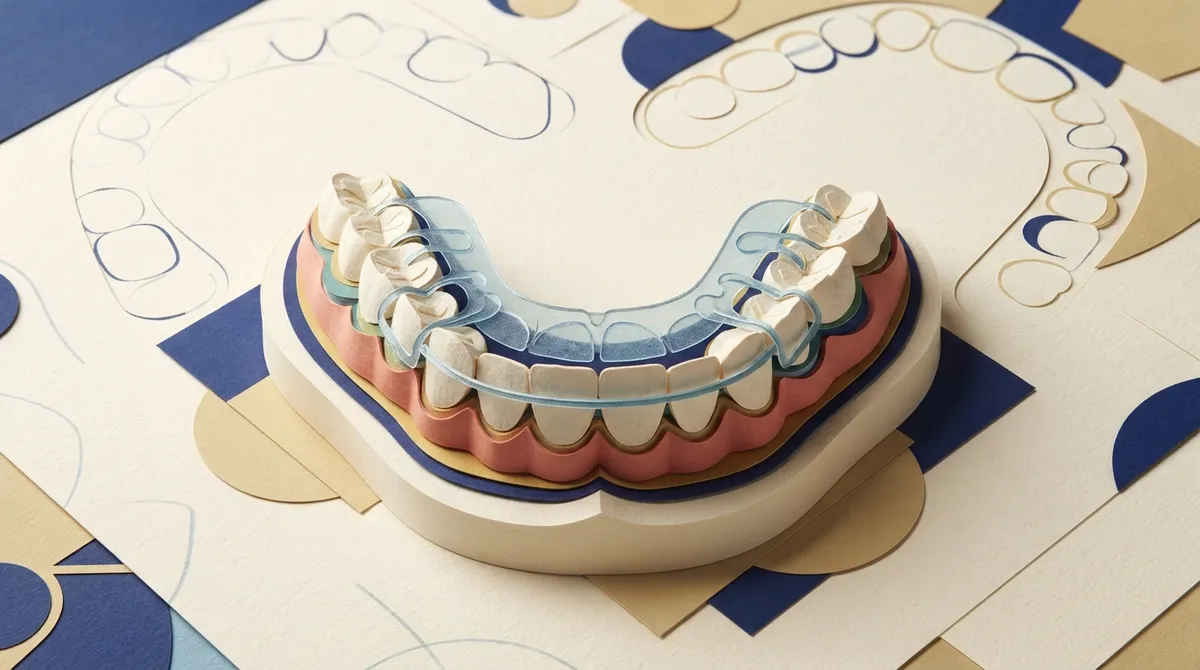
A bottom teeth retainer is a small orthodontic appliance that holds your lower teeth in place after treatment. Think of it as insurance for all the hard work you and your orthodontist just did. Braces and clear aligners move your teeth into new positions, but your teeth still “remember” where they used to be. Without a retainer, they can slowly drift back toward their old spots. This is called relapse, and it’s more common with lower teeth than almost anywhere else in your mouth.
The lower front teeth are especially prone to crowding and rotation over time. This happens because of natural jaw growth, tongue pressure, and even the normal aging process. That’s why your orthodontist will likely recommend some kind of retainer specifically designed for your bottom arch.
The Two Main Types of Bottom Retainers
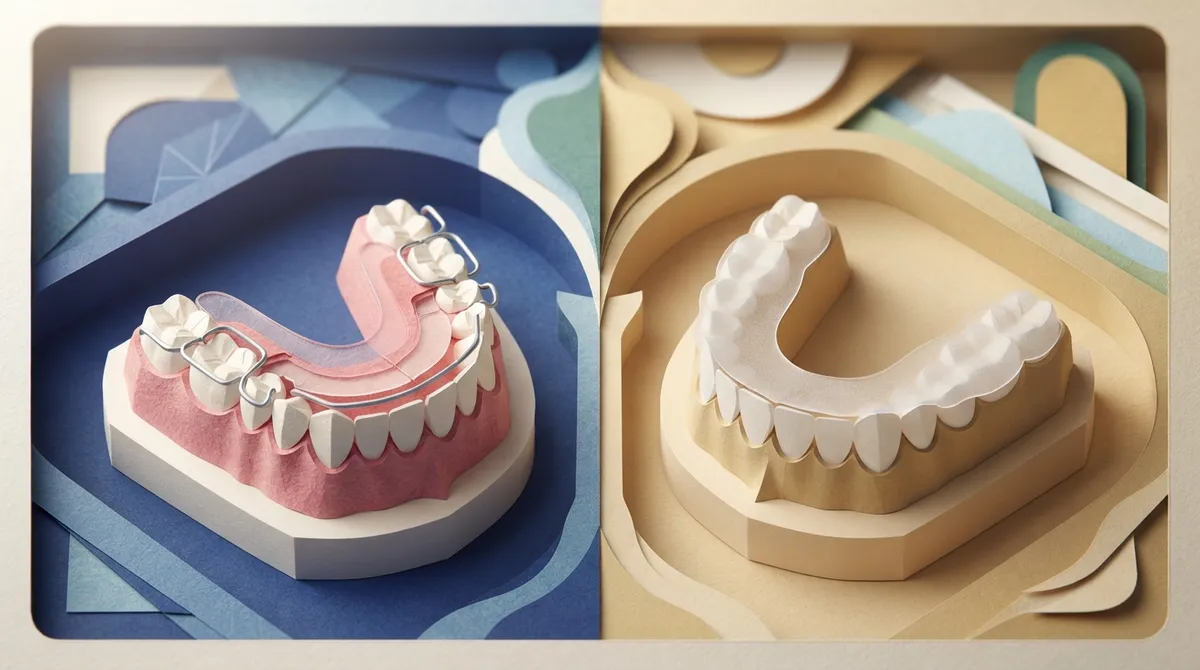
When it comes to keeping your lower teeth straight, you generally have two choices. Each one has its own perks, and your orthodontist will help you figure out which fits your lifestyle best.
Fixed (Bonded) Retainers
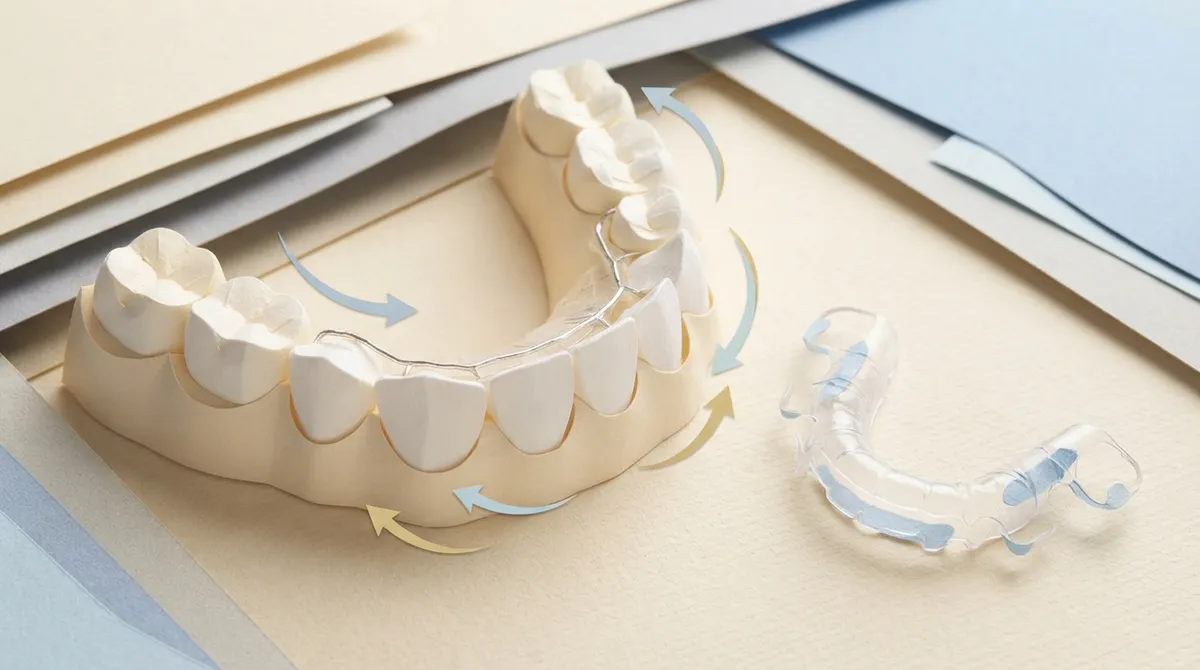
A fixed retainer is a thin metal wire glued to the back of your lower front teeth. It usually stretches from one canine tooth to the other, covering all six teeth in the front. Because it’s bonded in place, you don’t have to remember to wear it. It just sits there quietly, doing its job every single day.
This type is especially popular for lower teeth because, as we mentioned, they love to shift. A bonded retainer gives round-the-clock protection without any extra effort on your part.
Removable Retainers
The other option is a removable retainer, which comes in two styles: a clear plastic tray (similar to a clear aligner) or a Hawley retainer with a wire and acrylic plate. These give you the freedom to take them out for eating, brushing, and special occasions. But that freedom comes with responsibility. You have to actually wear it as directed, or it won’t do its job.
| Feature | Fixed (Bonded) Retainer | Removable Retainer |
|---|---|---|
| Wear Schedule | Worn 24/7 automatically | Depends on patient (often nightly) |
| Ease of Cleaning | Requires floss threaders or interdental brushes | Easy to brush separately |
| Visibility | Hidden behind teeth | Clear trays are barely visible |
| Typical Cost | Around $225–$550 per arch | Around $100–$300 |
| Risk of Loss | Very low (bonded in place) | Higher (can be misplaced) |
Pricing can vary quite a bit depending on your orthodontist, your location, and your insurance coverage. If you’re curious about what your plan might cost, our team can walk you through the details during your first visit.
Why Lower Teeth Need Extra Attention
You might wonder why we’re making such a big deal about bottom teeth specifically. Here’s the thing: your lower jaw keeps changing shape slightly throughout your life, even into adulthood. This natural process can push your front teeth together, causing crowding even years after your braces come off.
Research backs this up too. A 2024 systematic review found that lower front teeth relapsed by about 11% over a two-year period, whether patients had been treated with clear aligners or traditional braces. Interestingly, there was no real difference between the two treatment types when it came to how much the teeth shifted back. This tells us that retention, not the original treatment method, is what really protects your results.
How Long Should You Wear a Bottom Retainer?
This is one of the most common questions we get, and honestly, there’s no single answer that fits everyone. Your orthodontist will consider several things when creating your retention plan:
- How much your teeth moved during treatment
- Your age and whether your jaw is still growing
- The health of your gums and supporting bone
- Your ability to stick to a wear schedule
- Whether you had a fixed or removable retainer originally
Many patients start by wearing removable retainers full-time for several months, then switch to nighttime wear only. Fixed retainers, on the other hand, are often left in place for years, sometimes even permanently, with regular checkups to make sure everything still looks good.
Caring for Your Bottom Teeth Retainer
Whether you have a fixed or removable retainer, keeping it clean matters just as much as wearing it correctly. Neglecting cleaning can lead to plaque buildup, bad breath, or even gum irritation.
Cleaning a Fixed (Bonded) Retainer
- Brush gently around the wire every time you brush your teeth
- Use floss threaders or a water flosser to clean underneath the wire
- Try interdental brushes for tight spots between teeth
- Schedule regular checkups so your orthodontist can spot any loose spots early
Cleaning a Removable Retainer
- Brush it daily with a soft toothbrush and lukewarm water
- Avoid hot water, which can warp plastic retainers
- Never use alcohol or bleach-based cleaners
- Store it in its case whenever it’s not in your mouth
- Soak it occasionally in a retainer-cleaning solution
The American Dental Association recommends daily cleaning routines like these to prevent bacteria buildup around any dental appliance, including retainers. Good habits now save you headaches (and dental bills) later.
What If Something Goes Wrong?
Retainers aren’t indestructible, and sometimes things happen. Maybe the wire on your bonded retainer comes loose, or your removable tray cracks after being left in a hot car (we’ve all been there). Here’s what to do:
- Don’t try to fix it yourself with glue or household tools
- Don’t force a retainer that doesn’t fit anymore into place
- Call your orthodontist’s office as soon as you notice a problem
- Keep any broken pieces to show your orthodontist
- Avoid chewing gum or hard foods until it’s repaired
If your bottom retainer feels tight, loose, or your teeth seem to be shifting even though you’re wearing it, don’t wait it out. This could mean the wire has become distorted or your teeth have already started moving. Reach out to your orthodontist right away rather than hoping it resolves on its own. Our team can help you understand your options, and if you need guidance, feel free to contact us for support.
Can a Retainer Fix Crooked Bottom Teeth?
This is a common misconception. A retainer’s job is to hold, not to move, your teeth. If your teeth have shifted significantly since your last orthodontic visit, a retainer alone probably won’t fix it. In these cases, your orthodontist might recommend a short round of clear aligners or even braces again to get things back on track before switching to a new retainer.
This is actually pretty common, and there’s no shame in it. Life happens, retainers get lost, schedules get busy, and teeth shift. If this sounds like you, know that plenty of adults come back for a little touch-up treatment. It’s never too late to get your smile back where you want it.
Why Choose Brockway Orthodontics for Your Retainer Needs
At Brockway Orthodontics, Dr. Brockway takes the time to explain exactly why your lower retainer matters and how to care for it properly. We know that every patient’s mouth is different, which is why we create personalized retention plans instead of a one-size-fits-all approach.
We also offer Spark™ Clear Aligners as an affordable option for straightening teeth, along with traditional metal braces and ceramic braces for patients who want a more discreet look. No matter which treatment path brought you to us, we’ll make sure you leave with a clear plan for keeping your results looking great for years to come.
Our Clearwater office uses modern technology like digital impressions and 3D imaging to make your retainer fit as comfortable and accurate as possible. We also offer same-day treatment options in certain cases, so you don’t have to juggle multiple appointments just to get started. Want to see what our patients say about their experience? Check out Brockway Orthodontics reviews on Google to hear directly from families we’ve helped.
The Bigger Picture on Retention
It’s worth noting that research on retainers isn’t perfectly clear-cut. A review published in the Florida Association of Orthodontists network of resources, along with studies in the Cochrane Database of Systematic Reviews, found that evidence comparing different retention methods is often low or very low certainty. Many studies only follow patients for a short time, which makes it hard to say definitively that one retainer type beats another for every single person.
What we do know is that some form of retention is almost always better than none. One evidence summary found that fixed retention resulted in less relapse than part-time removable retainer wear, with a difference of about 0.7 millimeters. That might sound small, but over time, small shifts add up to noticeable changes in your smile.
Tips for Making Retainer Wear a Habit
Sticking to your retainer schedule can feel like a chore at first, especially if you’re a teenager juggling school, sports, and a social life. Here are some friendly tips to make it easier:
- Keep your retainer case in the same spot every night, like your nightstand
- Set a phone reminder until it becomes second nature
- Bring a travel case when you’re sleeping away from home
- Treat your retainer like a nightly part of your bedtime routine, right alongside brushing your teeth
- Replace lost or damaged retainers quickly instead of skipping wear altogether
Parents of teens especially find that a little encouragement (and maybe a gentle reminder text) goes a long way. Adults juggling busy careers often do best by keeping their retainer next to their toothbrush as a visual cue.
Let’s Keep Your Smile Where It Belongs
Your bottom teeth worked hard to get into their new, straighter positions, and they deserve some backup to stay there. Whether you choose a fixed bonded retainer or a removable clear one, the most important thing is sticking with the plan your orthodontist creates for you. At Brockway Orthodontics, we’re here to guide you through every step, from your very first consultation to years down the road when it’s time for a retainer check.
If you’re due for a new retainer, worried about shifting teeth, or simply have questions about your options, we’d love to help. Book your appointment online today and let’s make sure your smile stays as beautiful as the day your braces came off. You can also follow along with our latest tips and patient stories on Facebook or Instagram for more smile inspiration from our Clearwater team.
FAQs
Q: Do I need a retainer for my bottom teeth after braces?
A: Yes, almost every patient needs some kind of bottom retainer after braces or clear aligners. Your lower front teeth are especially prone to shifting back over time, so a retainer is your best defense against relapse.
Q: Is a permanent or removable retainer better for lower teeth?
A: Both can work well, and it really depends on your lifestyle and your orthodontist’s recommendation. Fixed retainers offer constant protection without relying on memory, while removable ones give you more flexibility but require consistent wear.
Q: How long should I wear a bottom teeth retainer?
A: This varies from patient to patient, but many people wear removable retainers nightly for years, while fixed retainers can stay in place for a long time with regular checkups. Your orthodontist will create a schedule based on your specific needs.
Q: What should I do if my bottom permanent retainer breaks or comes loose?
A: Don’t try to fix it yourself or force it back into place. Call your orthodontist’s office right away so they can repair or replace it before your teeth start shifting.
Q: Can a retainer fix mildly crooked bottom teeth?
A: Retainers are designed to hold teeth in place, not move them significantly. If your teeth have shifted quite a bit, you may need a short round of aligners or braces before switching back to a retainer.
Our Service Area