Key Takeaways
-
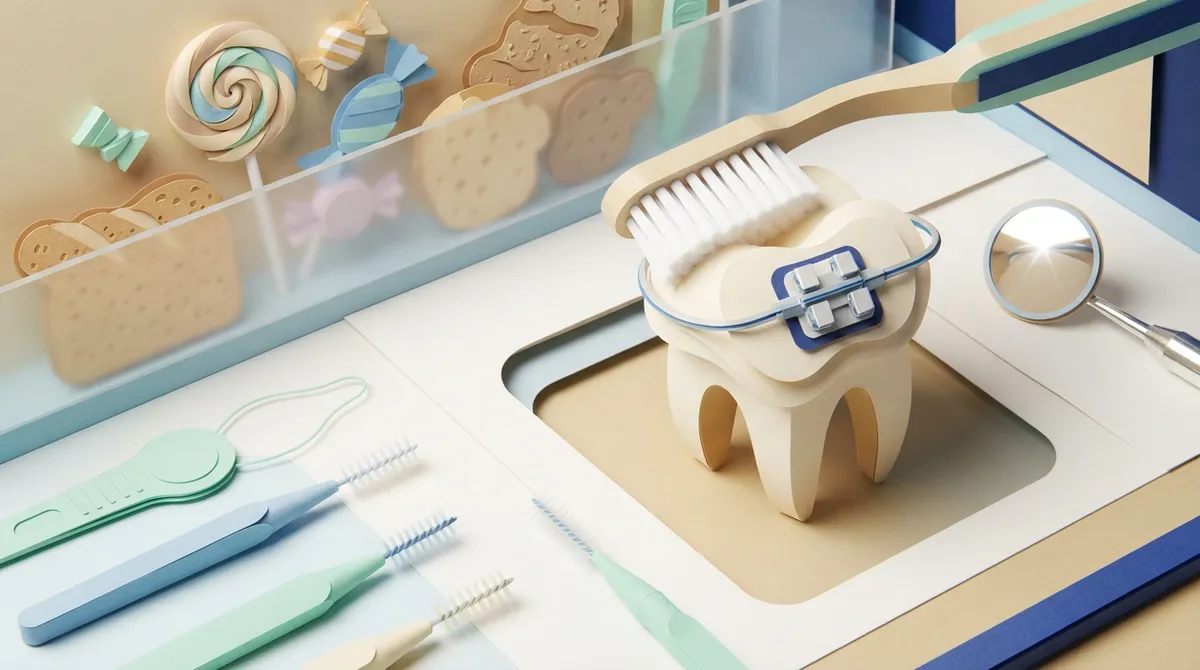
Brush after meals and before bed for two minutes using a soft-bristled toothbrush, angling toward the gumline and brackets to remove plaque that traditional brushing misses with braces.
-
Floss daily with tools like floss threaders, orthodontic flossers, or interdental brushes to clear debris between teeth and under wires that brackets trap.
-
Continue seeing your general dentist for professional cleanings every 6 months while wearing braces, as these catch early decay and gum issues before they worsen.
-
Limit sugary snacks and sticky foods that feed cavity-causing bacteria and can damage brackets or wires, requiring repair visits that increase plaque buildup risk.
Getting braces is exciting! You’re on your way to a smile you’ll love showing off. But here’s something a lot of patients don’t expect: brackets and wires give food and plaque a lot more places to hide. That means your old brushing habits probably won’t cut it anymore. A solid braces hygiene routine isn’t just a nice idea, it’s the difference between finishing treatment with a bright, healthy smile or dealing with cavities and white spots along the way.
The good news? Once you know the right steps, keeping your teeth clean with braces becomes second nature. In this guide, we’ll walk through exactly what to do, what tools help, and how often you need to see your dentist while wearing braces. Whether you’re a parent helping your kid manage their new braces, a busy professional squeezing in Spark™ Clear Aligners treatment, or an adult getting a second chance at a straight smile, this routine works for everyone.

Why Braces Make Hygiene Trickier
Brackets, bands, and wires are great at moving teeth. But they’re also excellent at trapping food and plaque. Every meal leaves tiny bits of food stuck around brackets and under wires that a regular toothbrush might miss.
Left alone, this buildup can lead to a few problems:
- Cavities forming around brackets and between teeth
- Swollen or bleeding gums from plaque buildup
- White-spot lesions, which are early signs of enamel damage that can leave permanent marks
- Bad breath from trapped food particles
None of this is meant to scare you. It’s just why dentists and orthodontists talk so much about hygiene during treatment. The American Dental Association and orthodontic experts agree that a few extra minutes a day can prevent all of these issues. At Brockway Orthodontics, we walk every patient through this before their braces even go on, so nothing catches you off guard.

Building Your Daily Braces Hygiene Routine
Step 1: Brush the Right Way, at the Right Times
Brush with a soft-bristled toothbrush and fluoride toothpaste. The American Association of Orthodontists suggests brushing for about two minutes after meals and snacks whenever you can, plus once more before bed. If you can’t brush right after eating, just swish some water around your mouth until you get a chance to brush properly.
Here’s a simple way to brush around brackets without missing spots:
- Angle your brush toward the gumline first, using small, gentle circles
- Tilt the brush toward the bracket itself and brush again
- Move to the top of each bracket, then the bottom
- Brush the chewing surfaces of your back teeth
- Finish with your tongue and the roof of your mouth for fresh breath
Check your work in the mirror. If brackets or teeth still look dull or have visible film, go back over that spot. And don’t forget to swap out your toothbrush (or brush head if you use an electric one) every three months, or sooner if the bristles start to fray.
Step 2: Clean Between Your Teeth Every Day
Flossing with braces feels awkward at first, but it’s one of the most important habits you’ll build. Food loves to hide between teeth and under wires, and a toothbrush alone can’t reach it all.
A few tools make this much easier:
- Floss threaders help guide regular floss under the archwire
- Orthodontic flossers come with a built-in threader for quicker use
- Interdental brushes are tiny brushes that slide between brackets and wires to knock out debris
- Water flossers use a stream of water to rinse away particles, which many patients find faster and gentler
A water flosser is a great addition to your routine, but it shouldn’t replace brushing or interdental cleaning completely. Think of it as a helpful extra step, not a total swap.
Step 3: Rinse Smart
Your dentist or orthodontist might recommend a fluoride mouthwash, especially if you’re more likely to get cavities. Fluoride strengthens enamel and helps fight the bacteria that cause decay. After brushing, spit out the extra toothpaste instead of rinsing with water right away. This lets the fluoride stay on your teeth a little longer and do its job.
Quick Reference: Braces Hygiene Routine Checklist
| Task | How Often | Why It Matters |
|---|---|---|
| Brush with fluoride toothpaste | After meals/snacks, and before bed | Removes plaque and food around brackets |
| Floss or use interdental brush | At least once daily | Clears debris wires and brushes can’t reach |
| Use fluoride mouthwash | As recommended by your dentist | Strengthens enamel, reduces cavity risk |
| Replace toothbrush/brush head | Every 3 months or sooner | Worn bristles clean less effectively |
| See your dentist for cleanings | At least every 6 months | Professional cleaning catches what you might miss |
Foods That Help (and Hurt) Your Hygiene Routine
What you eat plays a big role in how easy your hygiene routine is. Sugary snacks and drinks feed the bacteria that cause cavities, so it’s smart to limit how often you have them, not just how much. Hard and sticky foods can also bend wires or pop off brackets, which means more repair visits and more chances for plaque to build up around damaged hardware.
If you drink something acidic, like soda or citrus juice, rinse with water afterward and wait a bit before brushing. Brushing right away on softened enamel can actually cause more wear. For a full breakdown of what to eat and avoid, check out our guide on good foods for braces and how to enjoy meals without stress.
Don’t Skip Your Regular Dental Checkups
Your orthodontic adjustments are separate from your regular dental cleanings, and you need both. The American Association of Orthodontists recommends seeing your general dentist for a professional cleaning at least every six months while you’re in braces, sometimes more often if you’re prone to plaque buildup. These visits catch small issues, like early decay or gum inflammation, before they turn into bigger problems.
If you ever notice a loose bracket or a wire poking out, don’t wait until your next scheduled visit. Reach out to your orthodontist right away. Small issues are much easier to fix early. You can always get in touch with our team if something feels off between appointments.
Tips for Different Types of Patients
For Parents Managing Kids’ Braces
Younger patients sometimes need reminders (or a little supervision) to stick with their hygiene routine. Try setting a phone timer for two minutes of brushing, or turn it into a fun family habit where everyone brushes together after dinner. Consistency matters more than perfection here.
For Teens and Young Adults
If you’re getting braces before a big event like graduation or prom, staying on top of hygiene helps you avoid stains and white spots that show up in photos. Keep a small kit with a travel toothbrush, floss picks, and mini mouthwash in your backpack for cleaning on the go.
For Busy Professionals
Discreet options like Spark™ Clear Aligners make hygiene simpler since you remove your aligners to eat and brush normally. If you’re wearing traditional braces instead, keep a compact cleaning kit at your desk so you’re never caught without the right tools after lunch.
For Adults Returning After Relapse
If you’ve had braces before and your teeth shifted back, you already know how treatment works. This time, lean into the hygiene habits you may have skipped before. A little extra care now protects your investment in your new smile.
How Brockway Orthodontics Supports Your Hygiene Journey
At every appointment, our team checks in on how your hygiene routine is going and offers tips tailored to your treatment, whether you have traditional braces or clear aligners. We also work closely with your general dentist to make sure your care stays consistent from both sides. If you’re searching for an orthodontist in Clearwater who takes the time to explain things clearly, you’re in the right place. Curious what other patients think? You can read reviews and visit us on Google — Brockway Orthodontics to see real feedback from our community.
We also recommend checking with organizations like the Florida Association of Orthodontists if you’re looking for more general guidance on orthodontic care standards across the state. And if you want to see behind-the-scenes moments from our Clearwater office, follow us on Instagram or connect with us on Facebook.
Your Hygiene Routine Sets You Up for a Great Smile
A strong braces hygiene routine doesn’t need to be complicated. Brush after meals when you can, floss daily with the right tools, rinse with fluoride when recommended, and keep up with your regular dental visits. These small daily habits add up to a healthier mouth and a smile you’ll be proud of once your braces come off.
If you’re ready to start your orthodontic journey or just have questions about caring for your braces, our friendly Clearwater team is here to help. Book your appointment online today and let’s talk about the best plan for your smile.
FAQs
Q: How often should I brush my teeth with braces?
A: Try to brush after every meal or snack, plus once more before bed. If brushing isn’t possible right away, just rinse with water until you can get to a toothbrush. Two minutes each time is the sweet spot for a thorough clean!
Q: What’s the best way to floss with braces?
A: Floss threaders, orthodontic flossers, and interdental brushes all make it easier to get under your archwire. Water flossers are a great helper too, but they work best alongside flossing, not as a total replacement. Pick whichever tool feels easiest for you to use daily.
Q: Do I really need fluoride mouthwash while wearing braces?
A: It depends on your risk for cavities, so it’s worth asking your dentist or orthodontist. Fluoride helps strengthen enamel and fight off the bacteria that cause decay, which is extra helpful when brackets make brushing trickier.
Q: How can I prevent white spots on my teeth during treatment?
A: Consistent brushing and flossing are your best defense against white spots. Cutting back on sugary snacks and drinks helps too, since that’s what feeds the bacteria causing enamel damage. Stick with your routine and those spots are much less likely to show up.
Q: How often should I see my dentist while I have braces?
A: Plan on seeing your dentist for a professional cleaning at least every six months, even though you’re also visiting your orthodontist regularly. These cleanings catch anything your home routine might miss, keeping your smile on track.
Our Service Area