Key Takeaways
-
Retention is a lifelong commitment: teeth naturally shift due to aging, gum changes, and daily biting forces even without braces, making long-term retainer use essential for maintaining orthodontic results.
-
Fixed retainers last significantly longer than removable ones: fixed retainers survive around 1,604 days while removable retainers average only 105 days, though fixed retainers fail primarily through debonding.
-
Removable retainers require consistent daily wear to be effective: part-time clear retainer wear showed more tooth relapse than fixed retention, making compliance critical for success.
-
Proper cleaning differs by retainer type: fixed retainers need floss threaders and interdental brushes, while removable retainers should be brushed gently without toothpaste and stored in cases away from heat.
-
Delayed retainer repairs allow teeth to shift quickly: avoid DIY fixes and contact your orthodontist immediately when retainers break or feel loose to prevent relapse, especially in lower front teeth.
-
Standard retainers cannot correct already-shifted teeth: if you've experienced relapse after years without a retainer, you'll need new orthodontic treatment like clear aligners before a retainer can stabilize your teeth.
You just got your braces off, and your smile looks amazing. But here’s a little secret: the real work of keeping your teeth straight starts now. Your lower retainer is the quiet hero that keeps your lower teeth from drifting back to their old spots. At Brockway Orthodontics in Clearwater, we see it happen all the time — patients who love their new smile and want to protect it for good. Let’s talk about how a lower retainer works, why you need one, and how to take care of it so your smile stays picture-perfect for years to come.
Whether you’re a parent watching your teen finish treatment, a busy professional who just invested in a straighter smile, or someone dealing with relapse after years without a retainer, this guide has answers. We’ll walk through the types of lower retainers, how to clean them, what happens if they break, and how long you can expect them to last. Let’s get started.
What Is a Lower Retainer and Why Do You Need One?
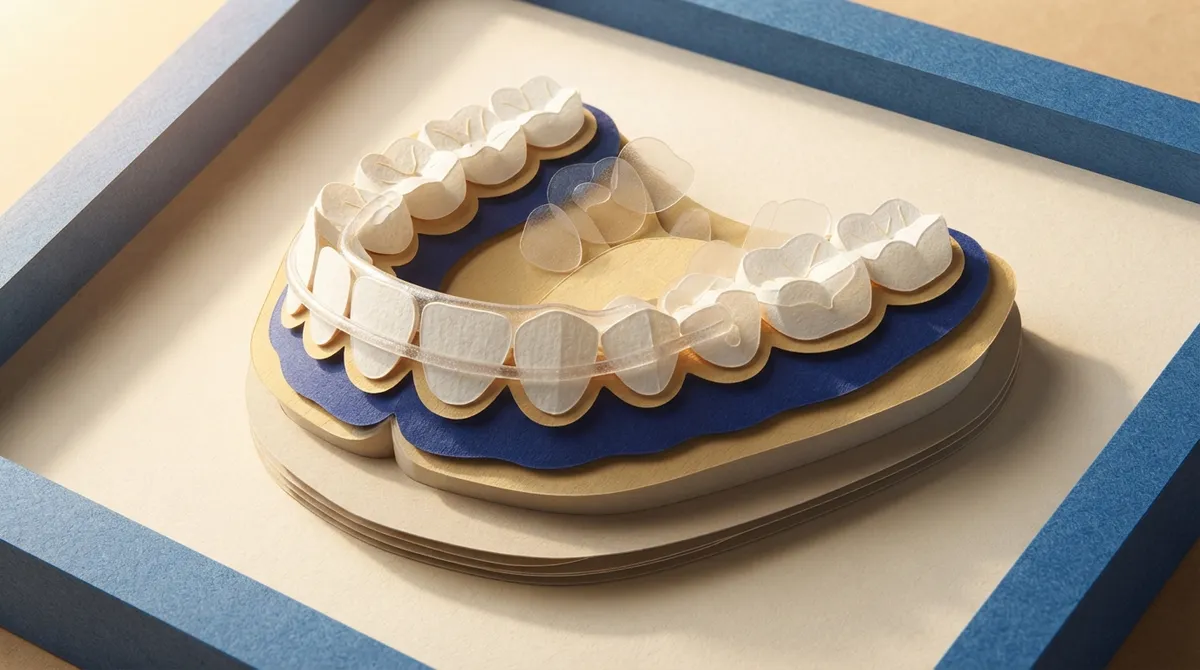
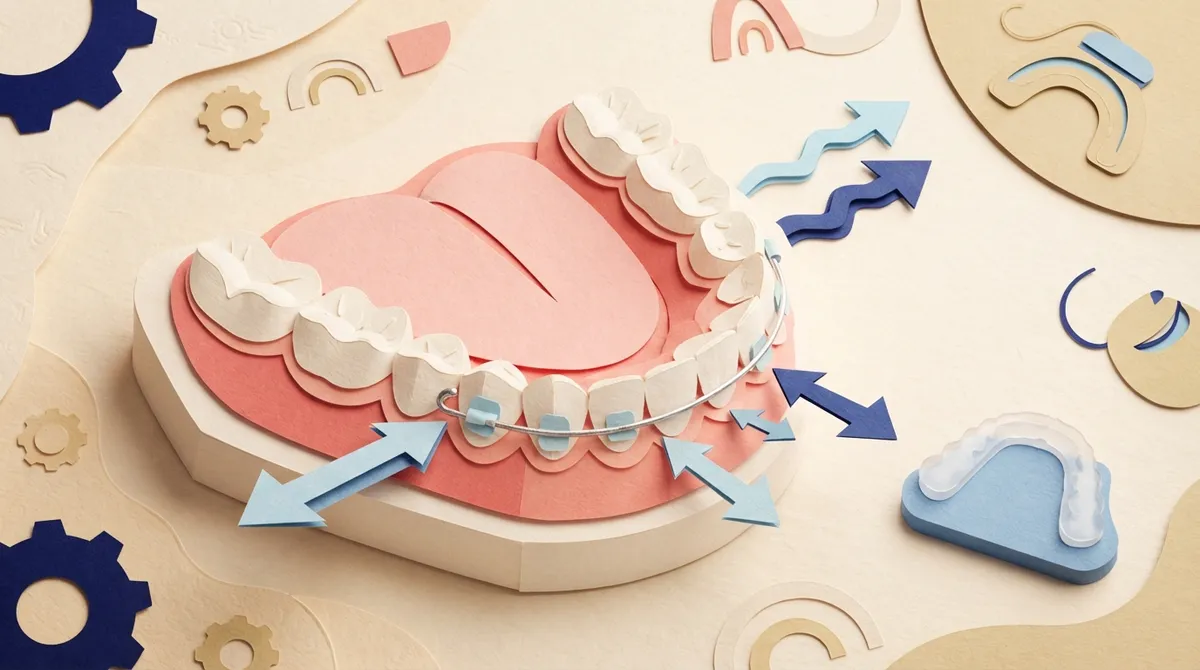
A lower retainer is a small orthodontic appliance that holds your bottom teeth in place after braces or clear aligner treatment. Think of it like a seatbelt for your smile. Your teeth just moved into a new, healthier position, and they need help staying there while your bone and gum tissue settle in.
Here’s something many patients don’t expect: retention is often a lifelong job. Teeth can shift due to normal aging, gum and bone changes, growth, and everyday biting and chewing forces. That’s true even for people who never had braces. So a lower retainer isn’t just a short-term step after treatment — it’s part of keeping your smile healthy for the long haul.
This is why Dr. Brockway spends time explaining retainer care during your treatment. She wants every patient to leave with a smile that lasts, not one that slowly slides back to where it started. If you want to learn more about what to expect, check out our retainers page for a full breakdown.
The Three Main Types of Lower Retainers
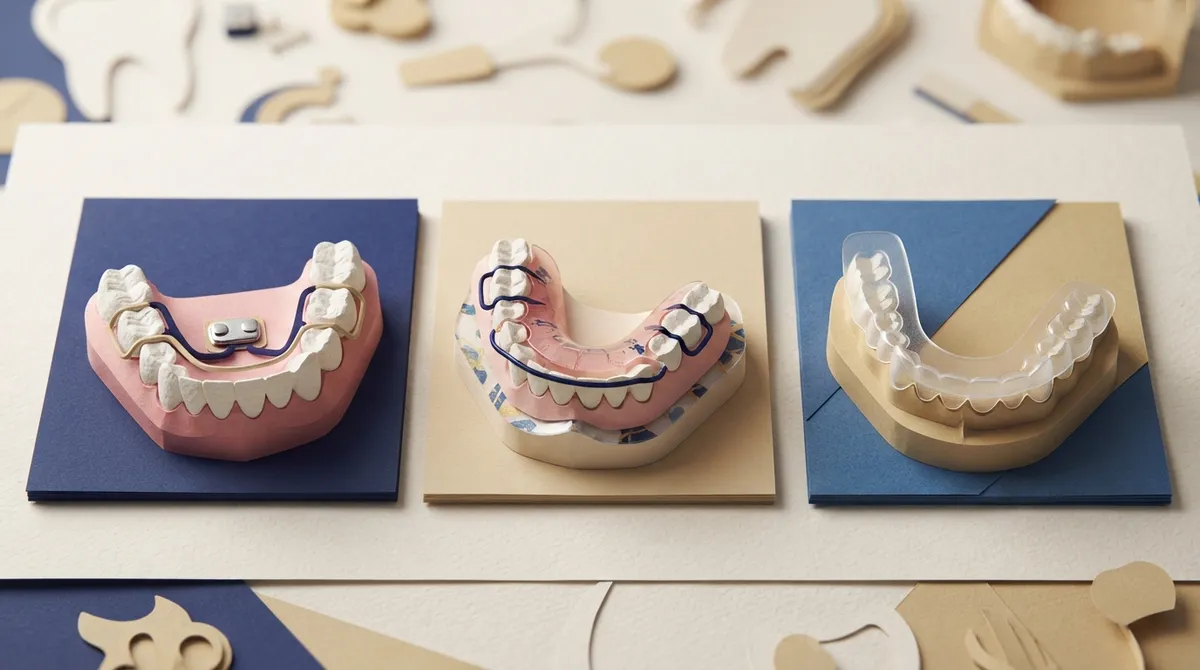
Not all retainers look or work the same way. Your orthodontist will pick the best option for your bite, your habits, and your lifestyle. Here are the three most common choices:
1. Fixed (Bonded) Lower Retainers
A fixed retainer is a thin wire glued to the back of your lower front teeth. It’s invisible from the front, and you don’t have to remember to wear it because it’s always there. This makes it a favorite for people who worry about forgetting a removable retainer.
2. Removable Clear Plastic Retainers
Also called vacuum-formed retainers, these look similar to clear aligners. You pop them in and out, which makes brushing and flossing much easier. The catch is that they only work if you actually wear them as directed.
3. Hawley Retainers
This classic option uses a wire and acrylic base plate. It’s sturdy, adjustable, and has been a trusted design for decades. Some patients like that it can be tweaked slightly if needed.
Fixed vs. Removable Lower Retainers: A Quick Comparison
Choosing between a fixed and removable lower retainer often comes down to lifestyle and oral health needs. Here’s a side-by-side look:
| Feature | Fixed Retainer | Removable Retainer |
|---|---|---|
| Daily compliance needed | No — it stays in place | Yes — must be worn as prescribed |
| Ease of cleaning | Requires floss threaders or interdental brushes | Easy — just remove and brush |
| Visibility | Hidden behind teeth | Nearly invisible, but removable |
| Common failure type | Debonding (wire comes loose) | Cracking or fracture from wear |
| Typical median survival* | Around 1,604 days (lower arch) | Around 105 days |
*Based on a 2018 survival study of 591 retainers; individual results vary by patient and design (PubMed, 2018).
What the Research Says About Lower Retainers
You might be wondering, “Is one type of retainer really better than the other?” Honestly, the research doesn’t give us a clear winner. A 2016 systematic review looked at 24 studies on fixed and removable retainers. Only 16 were considered high quality, and the differences between studies made it hard to draw firm conclusions.
Here are a few data points worth knowing:
- Mandibular stainless-steel fixed retainers had a mean failure risk of 0.29 for canine-to-canine designs and 0.25 for canine-only designs.
- Bond-failure rates for multistranded fixed retainers ranged from about 12% to 50% across studies.
- A 2020 meta-analysis found a 36.7% failure rate for mandibular fixed retainers, compared to 41.3% for upper (maxillary) retainers.
- Debonding was the top failure reason for lingual fixed retainers, at 63.5% of cases.
- Fracture was the leading failure reason for removable vacuum-formed retainers, at 43.5%.
A 2023 Cochrane review even found that evidence comparing retention methods is generally low or very low certainty. In one comparison, part-time clear retainer wear showed slightly more relapse than fixed retention, but the difference was small and may not matter much for most patients. The bottom line? Your orthodontist’s recommendation, based on your specific bite and habits, matters more than any one-size-fits-all rule.
How to Clean and Care for Your Lower Retainer
Good hygiene habits protect your retainer and your teeth. The American Dental Association and orthodontic groups agree on some simple rules. Here’s a step-by-step routine to follow:
Steps for Cleaning a Fixed Lower Retainer
- Brush around the wire every time you brush your teeth, using small circular motions.
- Use floss threaders, a water flosser, or interdental brushes to clean between the wire and your teeth.
- Visit your orthodontist or dentist regularly so they can check for plaque buildup or a loose wire.
- Avoid biting into hard foods like ice or hard candy that could pop the wire loose.
- Report any sharp edges or looseness right away instead of waiting for your next checkup.
Steps for Cleaning a Removable Retainer
- Rinse your retainer with water every time you take it out.
- Brush it gently with a soft toothbrush — never use toothpaste, since it can scratch the plastic.
- Soak it occasionally in a retainer-cleaning solution to keep it fresh and clear.
- Store it in its case whenever it’s not in your mouth to avoid loss or damage.
- Keep it away from hot water, hot cars, and direct sunlight, since heat can warp the plastic.
The Florida Association of Orthodontists also recommends avoiding harsh chemicals like bleach or alcohol-based cleaners, since these can damage the retainer material over time.
What to Do If Your Lower Retainer Breaks or Comes Loose
Life happens — retainers crack, wires snap, and sometimes a retainer just doesn’t fit right anymore. Here’s what you should never do: try to fix it yourself with glue or pliers. This can hurt your teeth or make the problem worse.
Instead, follow these steps:
- Call your orthodontist’s office as soon as you notice a problem.
- Keep the broken pieces if possible, so your provider can see exactly what happened.
- Avoid chewing on the loose wire or plastic while you wait for your appointment.
- Don’t skip the repair — delaying can allow your lower teeth to shift, especially the front incisors.
- Ask about a temporary solution if you’ll be waiting more than a few days for your visit.
If you’re dealing with a broken retainer right now, our guide on what to do if your retainer breaks can walk you through quick next steps before you reach us.
How Long Do Lower Retainers Last?
This is one of the most common questions we hear. The honest answer is: it depends on the type of retainer, how well you care for it, and a bit of luck. Removable retainers tend to need replacement sooner, often within months to a couple of years, especially if they crack from daily wear and tear. Fixed retainers can last many years, but the bonding can fail unexpectedly.
Here’s a general guide, though your orthodontist will give you a more personal estimate:
| Retainer Type | Typical Lifespan Range | Most Common Failure |
|---|---|---|
| Fixed (bonded) lower retainer | Several years, sometimes a decade or more | Debonding from the tooth |
| Removable clear retainer | Several months to a couple of years | Cracking or fracture |
| Hawley retainer | Several years with proper care | Wire distortion or acrylic wear |
Can a Lower Retainer Fix Teeth That Have Already Shifted?
This is a big one for our adult patients who wore braces years ago but stopped using their retainer. Unfortunately, a standard retainer is designed to hold teeth in place — not move them. If your teeth have already relapsed, you may need a new phase of treatment, such as clear aligners or braces, before a retainer can do its job again.
The good news is that many adults successfully retreat mild to moderate relapse with modern options like Spark™ Clear Aligners. These are a more affordable option compared to some other clear aligner brands, and they work well for patients who want a discreet way to get back on track. Dr. Brockway can evaluate your smile and recommend the right path forward during a first visit consultation.
Choosing the Right Lower Retainer for Your Life
There’s no single “best” retainer for everyone. Your orthodontist will consider several factors before making a recommendation:
- How much your teeth moved during treatment and your risk of relapse.
- Your gum and bone health, since periodontal concerns can affect retainer choice.
- Your bite pattern and how your upper and lower teeth meet.
- Your daily habits, including diet, sports, and how likely you are to remember a removable retainer.
- Your comfort level with a wire behind your teeth versus a removable appliance.
In some cases, orthodontists recommend both a fixed and a removable retainer for extra insurance. This combination approach gives you round-the-clock protection plus a backup plan if the fixed retainer ever needs a repair.
Why Families Trust Brockway Orthodontics for Retainer Care
At Brockway Orthodontics, we treat the whole family, from kids getting their first set of braces to grandparents exploring adult orthodontic treatment. Dr. Brockway takes time to explain your retainer options in plain, friendly language so you always know what to expect. Our Clearwater office uses modern tools like digital impressions and 3D imaging, which means a more comfortable, precise fit for every retainer we create.
We also know life gets busy. That’s why we offer flexible scheduling and, in certain cases, same-day appointments to get you the care you need without multiple trips. Curious what other Clearwater patients think? You can visit us on Google — Brockway Orthodontics to read real reviews from families just like yours. You can also follow along with patient stories and smile transformations on our Instagram and Facebook pages.
Simple Habits That Protect Your Retainer Investment
A little daily care goes a long way toward avoiding costly replacements. Try these habits:
- Wear your removable retainer exactly as prescribed, even if your teeth feel stable.
- Keep a spare case in your bag or car so you’re never tempted to wrap it in a napkin.
- Rinse your retainer before and after wearing it to reduce bacteria buildup.
- Schedule regular checkups so small issues get caught before they become big ones.
- Tell your orthodontist right away if your retainer feels tight, loose, or different in any way.
Following these steps helps protect the results you worked so hard for during your treatment with braces or clear aligners.
Ready to Protect Your Smile for the Long Run?
Your lower retainer might be small, but its job is huge: keeping your smile exactly where you want it. Whether you need a new retainer, a repair, or just want a checkup to make sure everything still fits well, our Clearwater team is here to help. Book your appointment online today and let Dr. Brockway and her team help you keep your smile looking its best for years to come. If you have questions before your visit, feel free to get in touch with our team — we’re always happy to help.
FAQs
Q: What is a lower retainer and why do I need one after braces?
A: A lower retainer is an appliance that holds your bottom teeth in their new position after braces or clear aligners. You need one because teeth can shift over time due to aging, gum changes, and everyday biting forces, even after treatment is done.
Q: Is a fixed or removable lower retainer better?
A: Honestly, research hasn’t found one type that’s best for everyone. Fixed retainers don’t rely on you remembering to wear them, while removable ones are easier to clean. Your orthodontist will help you pick the right fit for your smile and lifestyle.
Q: How long should I wear my lower retainer?
A: Most orthodontists recommend wearing a removable retainer full-time at first, then switching to nights only. A fixed retainer typically stays in place for years, since it’s bonded to your teeth around the clock.
Q: What should I do if my lower retainer breaks or comes loose?
A: Don’t try to fix it yourself — call your orthodontist right away. Keep any broken pieces, avoid chewing on the loose wire, and get it repaired quickly to prevent your teeth from shifting.
Q: How long do lower retainers last, and when should they be replaced?
A: Removable retainers often last several months to a couple of years, while fixed retainers can last many years with good care. If yours feels loose, cracked, or doesn’t fit right, it’s time for a checkup.
Our Service Area