Key Takeaways
-
Permanent wire retainers prevent relapse by holding teeth in their new position after orthodontic treatment, with the ability to last up to 20 years with proper care and regular dental checkups.
-
Fixed retainers are bonded to the back of teeth and require no daily compliance, making them ideal for teens and busy adults who might forget removable retainers, though they demand extra flossing effort.
-
Proper oral hygiene using a water flosser or floss threader is essential to prevent plaque buildup around the wire, which can lead to gum irritation and complications if neglected.
-
The wire can loosen, detach, or allow slight tooth shifting despite appearing intact, making regular orthodontic visits and visual daily inspections critical for early problem detection.
-
Permanent retainers should only be removed by dental professionals, and avoiding hard foods and teeth grinding helps extend their lifespan and prevents damage to the bonding material.
-
Not all patients need fixed retainers; orthodontists recommend personalized retention plans based on individual relapse risk, compliance habits, and treatment history to achieve optimal long-term results.
You just finished your orthodontic treatment. Your teeth look amazing, and you cannot stop smiling in every photo. But here is something many patients do not expect: your teeth actually want to move back to where they started. This is called relapse, and it is the number one reason orthodontists talk about a permanent wire retainer. If you are curious about this small but mighty piece of dental hardware, you are in the right place. Let’s break it all down together, in simple terms, so you feel confident about protecting your new smile.
At Brockway Orthodontics, we talk about retainers with every single patient who finishes treatment. Whether you had traditional braces or Spark™ Clear Aligners, keeping your results is just as important as achieving them. Let’s dig into what a permanent wire retainer really is, how it works, and why so many orthodontists in Clearwater and beyond recommend it.
What Is a Permanent Wire Retainer?
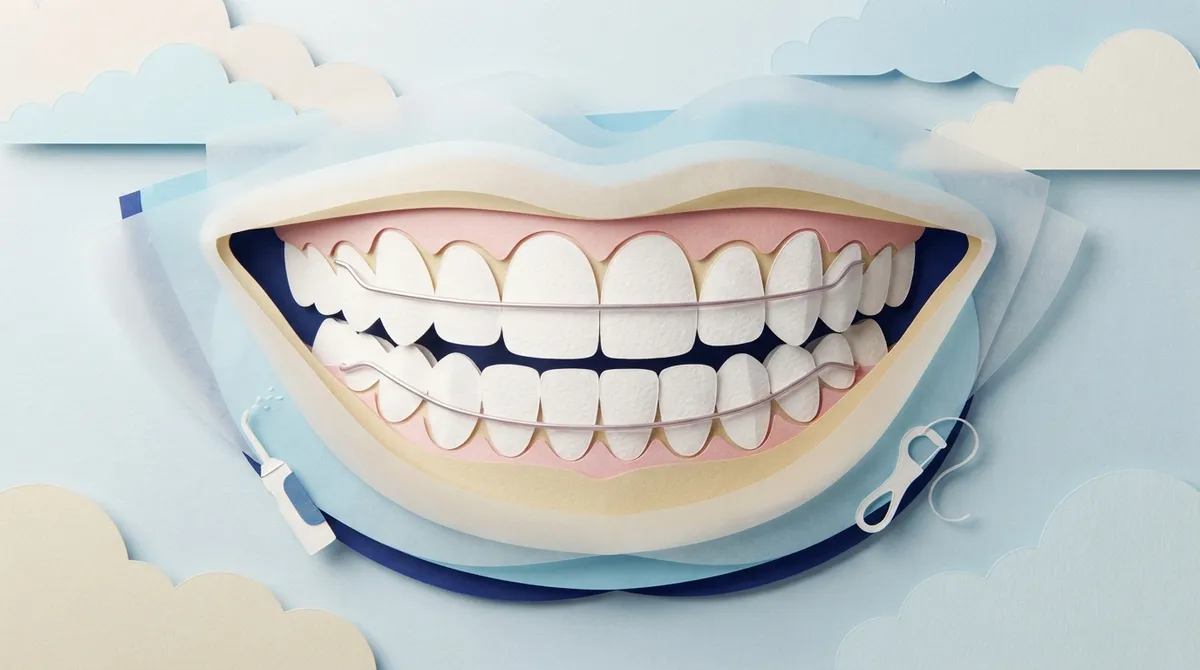
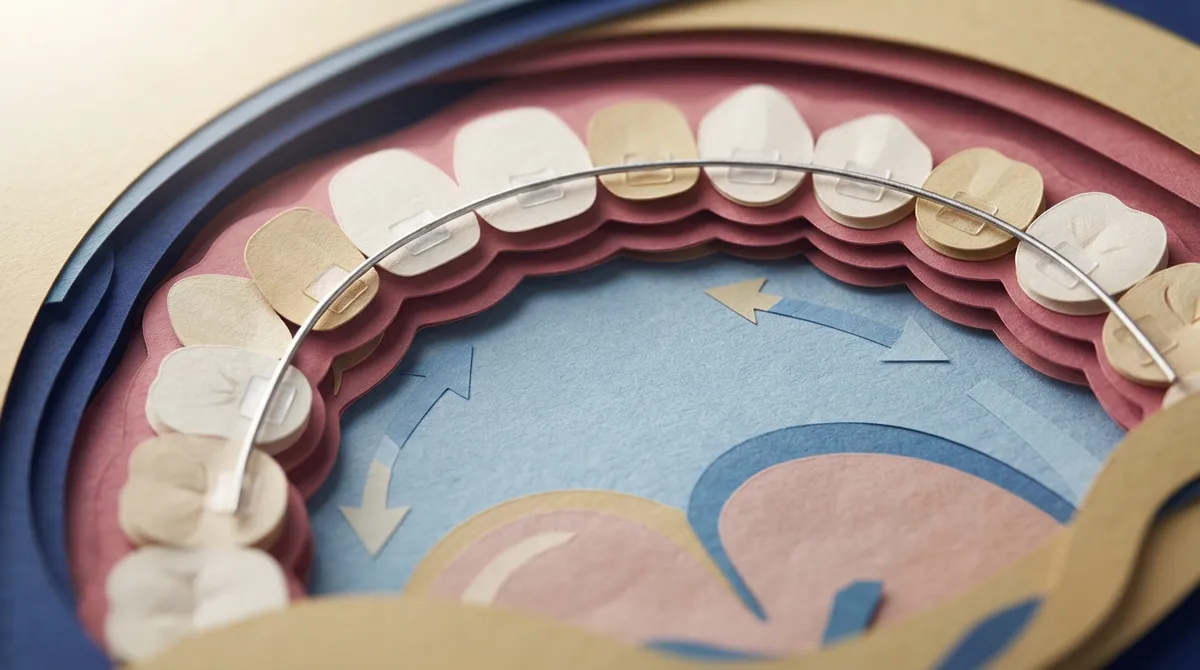
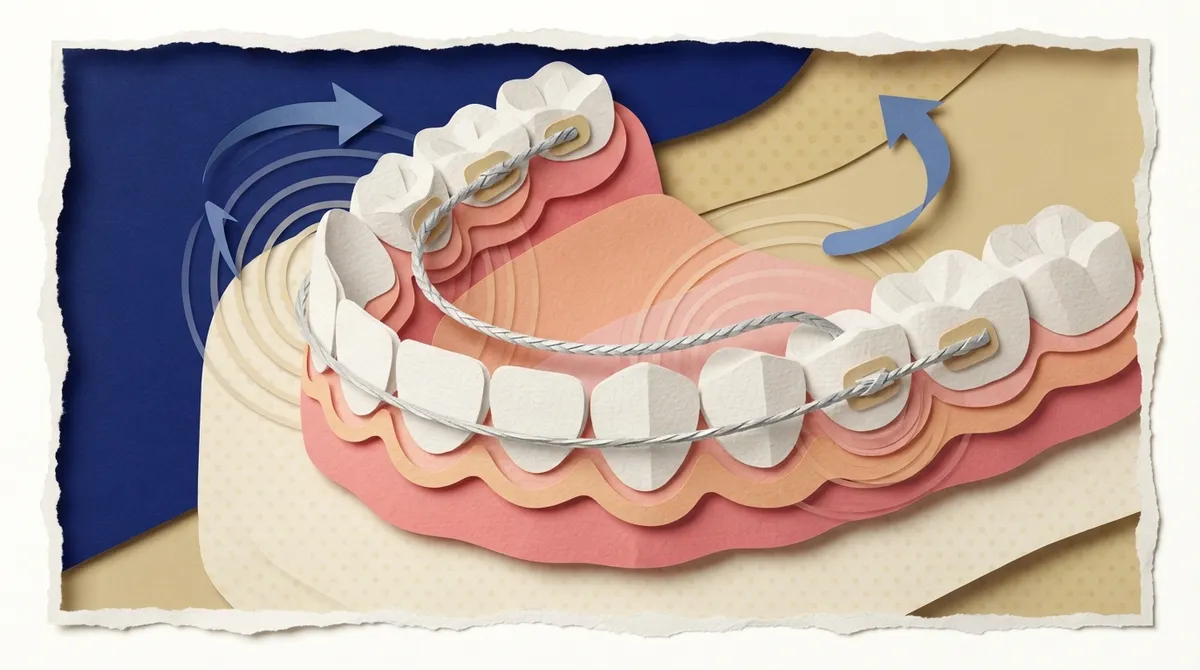
A permanent wire retainer, sometimes called a fixed or bonded retainer, is a thin metal wire. It gets glued to the back of your teeth using a special dental adhesive. Because it is bonded in place, you cannot take it out yourself like you would with a removable retainer.
This little wire sits quietly behind your teeth where nobody can see it. Most people will never know you have one unless you tell them. It works around the clock, every day, to keep your teeth from drifting back to their old positions.
Where Is It Usually Placed?
Fixed retainers are most often bonded to the lower front teeth. This area, known as the lower anterior six teeth, spans from canine to canine. These teeth are especially prone to shifting after braces or aligners come off.
Sometimes orthodontists also place a wire on the upper front teeth. The exact placement depends on your bite, your treatment history, and what your orthodontist recommends for long-term stability.
How a Permanent Wire Retainer Actually Works
Think of your teeth like plants that were just repotted. They need support while their roots settle into the new soil. A permanent wire retainer gives your teeth that same steady support after braces or clear aligners finish their job.
The wire is usually made of stainless steel. It can be smooth, braided, or twisted like a tiny cable. Each style has its own strengths, but all of them share one goal: holding your teeth in their beautiful new alignment.
The Retention Phase Explained
Orthodontists call this final step the “retention phase.” It is a formal part of treatment, not just an afterthought. Your active treatment moved your teeth. Retention keeps them right where they belong.
Skipping this phase is a bit like painting a room and never letting it dry. All that hard work could shift before it fully sets. That is why retainers matter so much, whether removable or permanent.
Permanent Wire Retainer vs. Removable Retainer
Choosing between a fixed wire and a removable retainer is a common question. Both have real benefits, and the right choice depends on your lifestyle and your orthodontist’s recommendation.
| Feature | Permanent Wire Retainer | Removable Retainer |
|---|---|---|
| Visibility | Hidden behind teeth | Can be seen if worn during the day |
| Patient Compliance Needed | Low, since it stays in place | High, must be worn as directed |
| Cleaning | Requires extra flossing effort | Easy to remove and clean |
| Risk of Loss | Cannot be misplaced | Can be lost or forgotten |
| Typical Lifespan | Can last up to 20 years | Varies, often several years with care |
Many parents love fixed retainers for their kids because there is no risk of losing them at school. Busy adult professionals also appreciate not having to remember a nightly retainer routine.
Key Benefits of a Fixed Retainer
Let’s talk about why so many patients end up loving their permanent wire retainer once they get used to it.
- It works constantly, without needing to remember to wear it
- It stays hidden behind your teeth, invisible to others
- It is a great option for teens who may forget removable retainers
- It provides long-term stability for the lower front teeth
- It can last for many years, sometimes even decades, with proper care
- It eliminates the daily hassle of inserting and removing a retainer
Possible Risks and Complications
No dental appliance is completely risk-free, and a permanent wire retainer is no exception. It is important to understand what can happen so you can act quickly if something feels off.
- The wire can loosen or detach from one or more teeth
- Plaque can build up around the wire if brushing is not thorough
- Gum irritation may occur if hygiene habits slip
- In rare cases, teeth can still shift slightly even if the wire looks intact
- The bonding material can wear down over time and need replacement
This is exactly why regular checkups matter so much. Our team can spot small issues before they become big problems. According to the American Dental Association, consistent oral hygiene and regular dental visits are key to preventing complications with any fixed dental appliance.
How to Clean a Permanent Wire Retainer
Good oral hygiene becomes even more important once you have a fixed retainer. Plaque loves to hide around that wire, so a little extra effort goes a long way.
Simple Daily Cleaning Steps
- Brush gently around the wire with a soft-bristle toothbrush
- Use a floss threader or water flosser to clean between teeth and under the wire
- Rinse with an antibacterial mouthwash to reduce bacteria buildup
- Check the wire visually each day for any looseness or damage
- Visit your orthodontist regularly for professional cleanings and checkups
A water flosser can be a total game changer here. It rinses away food particles that get stuck under the wire, something a regular toothbrush cannot always reach.
How Long Do Permanent Retainers Really Last?
Here is something interesting: the word “permanent” is a little misleading. While these retainers are designed for long-term wear, they are not truly forever. Reports show they can last up to 20 years, but that depends heavily on care and habits.
Things that can shorten the lifespan of a fixed retainer include biting hard foods, grinding your teeth at night, or skipping regular dental visits. Treat it well, and it will treat your smile well right back.
Can a Permanent Retainer Be Removed?
Yes, but only by a dental professional. You should never try to remove it yourself at home. Doing so could damage your teeth or the bonding material holding the wire in place.
If your orthodontist decides it is time to remove the wire, perhaps because it is no longer needed or needs replacement, this is a quick and painless process done in the office. Afterward, many patients switch to a removable retainer for continued nighttime wear.
Cost Considerations for a Permanent Wire Retainer
Cost can vary depending on your location, your specific case, and whether it is included in your overall orthodontic treatment plan. Here is a general breakdown of what factors into pricing.
| Cost Factor | What It Affects |
|---|---|
| Initial bonding procedure | One-time placement cost |
| Number of teeth covered | Wider wires may cost more |
| Repair or rebonding needs | Additional visits if the wire loosens |
| Insurance coverage | May offset part of the cost |
| Included in treatment package | Some plans bundle retainers with braces or aligner cost |
Our team can walk you through financing and insurance options during your consultation, so there are no surprises. We believe every family deserves clear, upfront answers about cost.
Who Is a Good Candidate for a Fixed Retainer?
Not every patient needs a permanent wire retainer, but many benefit greatly from one. Here are some groups who often see the best results with this option.
- Teens who tend to forget removable retainers
- Adults who experienced relapse after previous orthodontic treatment
- Patients with significant lower teeth crowding before treatment
- Anyone wanting a low-maintenance, “set it and forget it” retention option
- Patients who want the most discreet retention method available
If you previously had braces years ago and now notice your teeth shifting again, you are not alone. Many adult patients return for retreatment, and a fixed retainer often becomes part of their long-term plan this time around.
Why Dr. Brockway Recommends Personalized Retention Plans
Every smile is different, which is why there is no one-size-fits-all answer for retainers. Dr. Brockway takes time during your first visit and follow-up appointments to understand your specific needs, habits, and goals.
Our Clearwater practice uses modern digital imaging to track how your teeth are settling after treatment. This helps us recommend the retention method, fixed, removable, or a combination of both, that gives you the best long-term results. Learn more about our full range of orthodontic services designed for every stage of your smile journey.
The Florida Association of Orthodontists also emphasizes that proper retention planning is just as important as active treatment itself. We take that guidance seriously with every patient who walks through our doors.
Tips for Living Comfortably With Your Fixed Retainer
Adjusting to a permanent wire retainer takes a little time, but most patients barely notice it after the first week or two. Here are some friendly tips to make the transition smooth.
- Avoid biting into very hard foods like ice or hard candy
- Be gentle when flossing around the wire at first
- Schedule regular cleanings to keep plaque under control
- Contact your orthodontist right away if you feel any looseness
- Keep up with your regular dental checkups alongside orthodontic visits
Following these habits helps your retainer last as long as possible while keeping your gums and teeth healthy.
Ready to Protect Your Smile for the Long Run?
Your new smile deserves to last a lifetime, not just a few years. A permanent wire retainer can be a wonderful tool to protect all the hard work you put into your orthodontic treatment. At Brockway Orthodontics in Clearwater, Florida, we are passionate about helping patients of every age keep their smiles healthy, straight, and confident for years to come.
Curious whether a fixed retainer is right for you or your child? We would love to chat. You can book appointment online today and get personalized answers from our friendly team. Want to see what our patients are saying first? Feel free to visit us on Google — Brockway Orthodontics and read real reviews from our Clearwater community. We also love connecting with families on Facebook and sharing smile transformations on Instagram.
Still have questions about retainers, braces, or clear aligners? Contact us anytime. Our team is always happy to help you feel confident about your next step toward a lasting, beautiful smile.
FAQs
Q: What is a permanent wire retainer in orthodontics?
A: It’s a thin metal wire bonded to the back of your teeth, usually the lower front ones, to keep them from shifting after braces or aligners. It stays in place all day and night, quietly doing its job without you even noticing it’s there!
Q: How long do permanent retainers last?
A: Many permanent retainers last up to 20 years with proper care, though this varies from person to person. Regular checkups and good oral hygiene habits go a long way toward helping yours stick around for the long haul.
Q: Are fixed retainers better than removable retainers?
A: Not necessarily better, just different! Fixed retainers are great for folks who might forget to wear a removable one, while removable retainers are easier to clean around. Your orthodontist can help you decide which fits your lifestyle best.
Q: Can a permanent retainer be removed?
A: Yes, but only by your orthodontist. Please don’t try to remove it yourself at home, since that could damage your teeth or the bonding material. If it’s time for a change, we can take care of it safely in the office.
Q: What are the risks or complications of permanent retainers?
A: The wire can occasionally loosen, and plaque can build up around it if brushing isn’t thorough. The good news is that regular checkups and solid daily hygiene habits keep most issues from ever becoming a real problem.
Our Service Area