Key Takeaways
-
Comprehensive braces treatment typically starts between ages 11-14 when most permanent teeth have arrived, not at age 12 as many assume. Early orthodontic check-ups at age 7 can identify problems, but full treatment timing depends on individual dental development.
-
Treatment duration averages 18 months but ranges from 12-24 months depending on case complexity; consistency with appointments and following instructions directly impacts treatment timeline and outcome.
-
Clear aligners require 20-22 hours daily wear to be effective and work best for responsible teens, while metal braces remain the most affordable option ($3,000-$5,500) and handle complex cases reliably.
-
Retainers are essential after braces come off since teeth naturally shift back over time; most orthodontists recommend full-time wear initially, then nightly long-term use to maintain results.
Watching your teenager smile with confidence is one of the best feelings in the world. If your teen is heading into braces season, you probably have a hundred questions swirling in your head. How much will this cost? Will it hurt? Can they still play soccer or trombone? Take a deep breath, friend. You’re in the right place. This friendly guide breaks down everything you need to know about braces for teenagers in 2026, from timing and cost to hygiene and retainers. We’ll walk through it together, step by step, just like we do with families here at Brockway Orthodontics in Clearwater, Florida.
Braces for teenagers are one of the most common orthodontic treatments out there, and for good reason. The early teen years are often the sweet spot for fixing crowding, spacing, and bite problems before they get more complicated. Whether you’re just starting to research options or you’re ready to book a consultation, these 10 facts will help you feel prepared and confident.

1. The Ideal Age Isn’t as Early as You Might Think
Many parents assume braces need to happen the moment their child turns 12. Actually, the American Dental Association and orthodontic experts recommend a first orthodontic check-up by age 7. This doesn’t mean your seven-year-old needs braces. It just means an orthodontist can spot problems early, like crowded teeth or jaw growth issues.
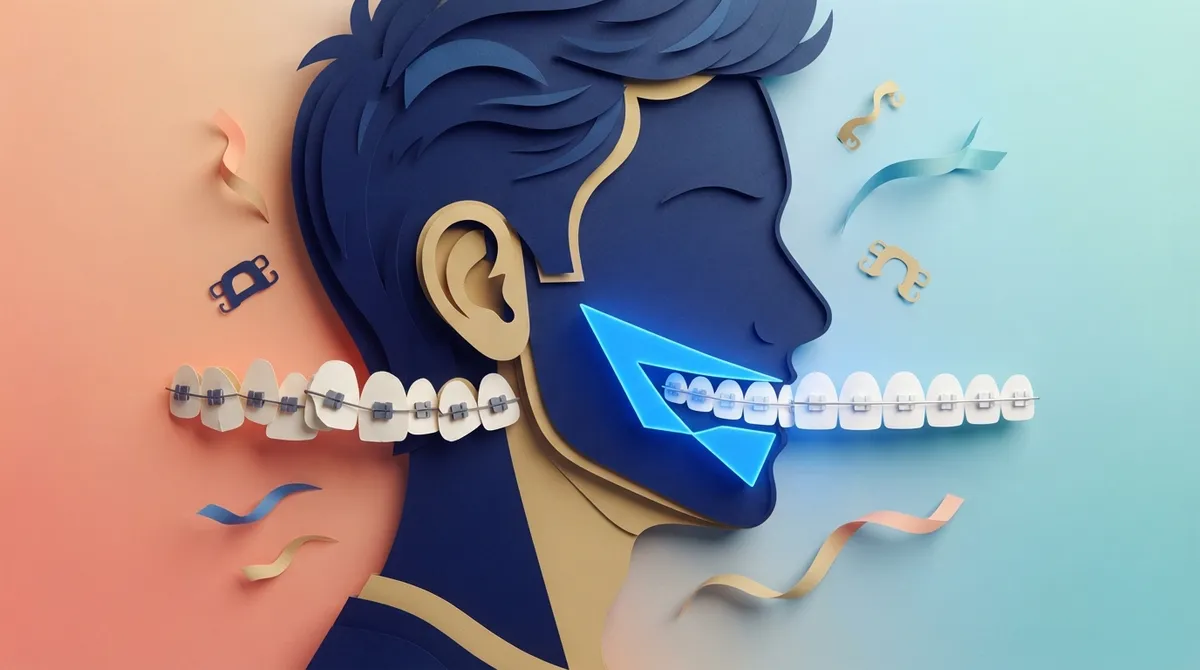
Comprehensive treatment with braces usually starts around ages 11 to 14. By this age, most permanent teeth have come in, which makes it easier to plan treatment. Every teen is different, though. Some may need early treatment to guide jaw growth, while others wait until more teeth arrive. A visit to see Dr. Brockway can help you figure out the right timing for your child.
2. Metal Braces Are Still a Reliable, Affordable Choice
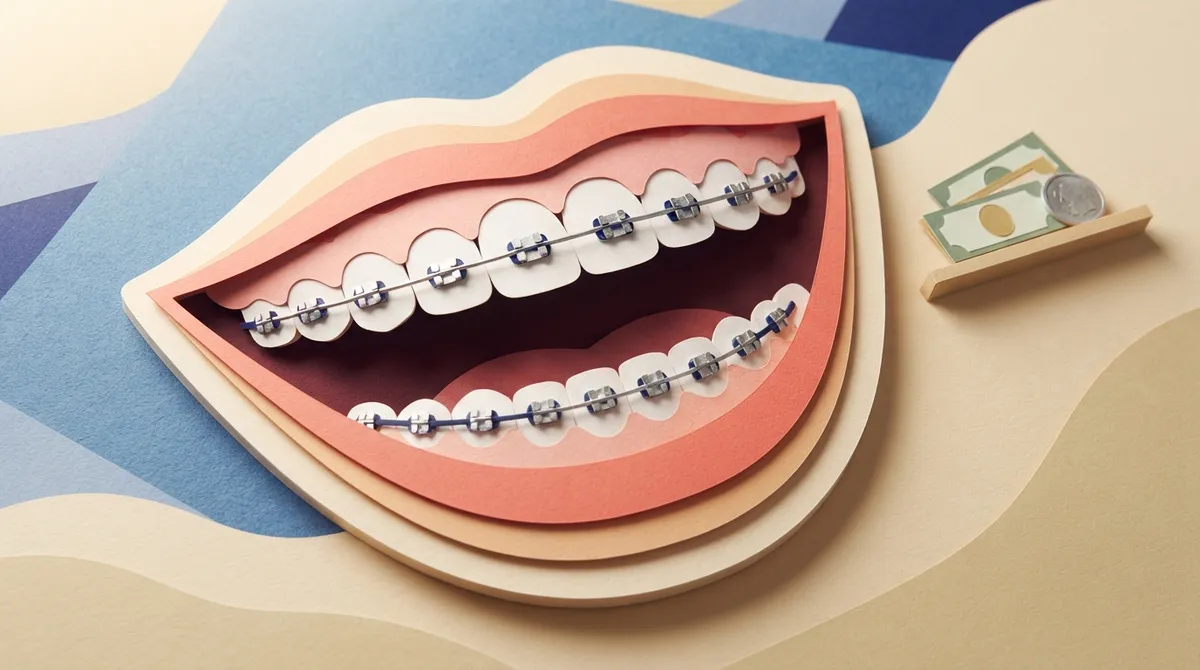
Traditional metal braces have come a long way. They’re smaller, more comfortable, and still one of the most budget-friendly options. Metal braces work well for almost any orthodontic issue, from mild crowding to more complex bite problems.
Many teens actually love personalizing their metal braces with colorful bands for school spirit or holidays. It’s a fun way to make treatment feel less like a chore. You can learn more about how these appliances work on our All About Braces page.
3. Ceramic Braces Offer a More Discreet Option
If your teen is a little self-conscious about a mouth full of metal, ceramic braces might be a great fit. These braces use tooth-colored or clear brackets that blend in with natural teeth. They work almost the same way as metal braces but are less noticeable in photos and videos.
Keep in mind that ceramic brackets can be a bit more fragile and may cost more than metal. They’re a popular pick for image-conscious teens who still want strong, reliable results.
4. Clear Aligners Give Teens More Freedom
Clear aligners have become a favorite for many families, and it’s easy to see why. These removable trays are nearly invisible and let teens eat without any food restrictions. At Brockway Orthodontics, we offer Spark™ Clear Aligners, a more affordable alternative to other well-known aligner brands.
The catch? Aligners only work if your teen wears them as directed, typically 20 to 22 hours a day. This option works best for responsible teens who can keep track of their trays and follow through with wear time. If you’re unsure which option fits your child’s personality, our team can walk you through the pros and cons during a consultation.
5. Comparing Your Options Side by Side
Choosing between metal, ceramic, and clear aligners can feel overwhelming. Here’s a simple breakdown to help you compare.
| Braces Type | Visibility | Typical Cost Range | Best For |
|---|---|---|---|
| Metal Braces | Most visible | $3,000–$5,500 | Complex cases, budget-friendly needs |
| Ceramic Braces | Less visible | $4,000–$6,500 | Teens wanting a discreet look |
| Clear Aligners | Nearly invisible | $3,500–$6,500 | Responsible teens, mild-to-moderate cases |
These are general estimates, and actual pricing depends on your teen’s specific needs. A consultation at our Clearwater office will give you exact numbers based on a full evaluation.
6. Treatment Usually Takes 12 to 24 Months
Most teens wear braces for about 18 months, though this varies. Simple cases might finish sooner. More complex bite or jaw issues can take longer. A few things can stretch out treatment time, including:
- Missing scheduled appointments
- Broken brackets or wires that go unrepaired
- Not wearing rubber bands as instructed
- Skipping aligner wear time
Staying consistent with appointments and instructions is the best way to keep treatment on track. Orthodontic visits typically happen every 6 to 8 weeks, so mark those dates on the family calendar.
7. Good Oral Hygiene Habits Matter More Than Ever
Braces create extra nooks and crannies where food and plaque can hide. Teaching your teen solid hygiene habits now protects their smile for years to come. Here’s what we recommend for teens in braces:
- Brush after every meal, angling the brush around each bracket
- Use floss threaders or interdental brushes to clean between teeth and wires
- Rinse with fluoride mouthwash to strengthen enamel
- Limit sticky, hard, and sugary foods that can damage brackets
- Keep up with regular dental cleanings, not just orthodontic visits
Poor hygiene can lead to white spots, cavities, and swollen gums. A few extra minutes each day makes a big difference. For more tips, check out our guide on good foods for braces.
8. Sports and Music Are Still on the Table
Braces shouldn’t keep your teen on the sidelines. If they play contact sports like football, soccer, or basketball, a mouthguard is a must to protect their braces and mouth. Many orthodontic offices, including ours, can recommend a mouthguard that fits comfortably over brackets.
Musicians who play wind instruments might need a short adjustment period as they get used to new mouth positioning. Most teens adapt within a week or two. Braces are rarely a reason to skip band practice or the big game.
9. Retainers Are Non-Negotiable After Treatment
Once the braces come off, the real work of keeping that smile straight begins. Teeth naturally want to shift back over time, which is why retainers are so important. Most orthodontists recommend wearing retainers full-time at first, then nightly for the long haul.
Skipping retainer wear is one of the most common reasons teens see their teeth shift after treatment. Think of retainers as the final, essential step in protecting your investment. Our team will walk you through exactly how long and how often your teen should wear theirs.
10. Choosing the Right Orthodontist Makes All the Difference
Not all orthodontic offices are the same. You want a team that listens, explains things clearly, and treats your teen like a person, not just a patient. Dr. Brockway takes time to understand each teen’s goals and concerns, making the entire process feel less intimidating.
Brockway Orthodontics uses modern tools like digital impressions and 3D imaging, so there’s no messy goop or guesswork involved. In some cases, we can even offer same-day treatment starts, which is a huge win for busy families juggling school and activities. Curious what other Clearwater families think? You can visit us on Google — Brockway Orthodontics to read real reviews from real patients.
Does Insurance Help Cover the Cost?
Many families wonder if dental insurance will lighten the financial load. Some plans cover 25% to 50% of orthodontic fees, often with a lifetime maximum between $1,000 and $3,000. Coverage varies a lot depending on your plan, so it’s smart to check your benefits early.
Our office can help you understand your financing and insurance options, including flexible payment plans. We believe cost shouldn’t stand between your teen and a healthy, confident smile. The Florida Association of Orthodontists also offers helpful resources for families researching treatment options across the state.
What to Expect at the First Visit
Your teen’s first orthodontic visit is more relaxed than you might expect. We’ll take digital images, review their bite, and talk through treatment options together as a family. This is your chance to ask questions and voice any concerns your teen might have.
Learn more about what happens during this appointment on our Your First Visit page. We also encourage families to explore our adolescent treatment options to see what might work best for your teen’s unique smile goals.
Braces are a journey, but it’s one filled with exciting milestones, from the first day of treatment to the big reveal when brackets come off. Every appointment brings your teen one step closer to a smile they’ll love showing off. Follow along with more smile transformations and tips on our Instagram and Facebook pages, where our Clearwater community shares their favorite moments.
Ready to give your teenager the smile they deserve? Our friendly team at Brockway Orthodontics is here to make the process simple, affordable, and even a little fun. Book appointment online today and let’s start this journey together, or feel free to contact us with any questions along the way.
FAQs
Q: What is the best age for a teenager to get braces?
A: Most teens start comprehensive braces treatment between ages 11 and 14, once most permanent teeth have come in. That said, every smile is different, so the best way to know for sure is with an orthodontic evaluation. Dr. Brockway can look at your teen’s specific growth and development to recommend the perfect timing.
Q: How long do teenagers usually need to wear braces?
A: Most teens wear braces for about 12 to 24 months, with many finishing around the 18-month mark. Simple cases can wrap up faster, while more complex bites may take a bit longer. Staying consistent with appointments and instructions really helps keep things on schedule.
Q: Are metal braces, ceramic braces, or clear aligners best for teens?
A: It really depends on your teen’s needs and personality. Metal braces are affordable and handle complex cases well, ceramic braces offer a more discreet look, and clear aligners like Spark give teens flexibility and near invisibility. We’re happy to talk through the pros and cons together during a consultation.
Q: Does dental insurance cover braces for teenagers?
A: Many dental plans cover a portion of orthodontic treatment, often between 25% and 50%, up to a lifetime maximum. Coverage really varies by plan, so it’s worth checking your benefits early. Our team is always happy to help you understand your financing and insurance options.
Q: Can teenagers play sports or musical instruments with braces?
A: Absolutely! Teens in braces can still play sports and instruments without any major issues. We just recommend a mouthguard for contact sports to protect those brackets and wires. Musicians might need a short adjustment period, but most teens adapt within a week or two.
Our Service Area