Key Takeaways
-
Adult teeth erupting behind baby teeth, often called "shark teeth," is common, especially with lower front teeth around ages 7 to 12, and usually resolves once the baby tooth loosens and falls out.
-
Do not pull a firm baby tooth at home; only remove it if it wiggles freely and your child is comfortable, since forcing it can cause pain, bleeding, or a broken root.
-
Keep brushing twice daily with fluoride toothpaste and floss gently around both teeth, because two teeth in one spot can trap food.
-
Schedule a dental or orthodontic evaluation if the baby tooth stays firm after several weeks, an upper front tooth is coming in behind, or the teeth look far out of position.
-
Seek prompt care for pain that is worsening, swelling, redness, pus, a bad taste, or trouble chewing, as these may signal infection.
-
A double row of teeth alone does not mean braces are needed, but it can be an early sign of tight jaw space, so an orthodontic check around age 7 is worthwhile.
You glance at your child’s smile and do a double take. There’s a brand-new tooth sitting right behind a baby tooth that hasn’t budged. It looks like two rows of teeth, almost like a little shark. If you’re wondering what’s going on, take a deep breath. You’re not alone, and in many cases, this is a common part of growing up.
Seeing when adult teeth come in behind baby teeth can feel alarming, especially for parents of kids aged 7 to 12. The good news is that this eruption pattern happens often, and it usually sorts itself out once the baby tooth loosens and falls out. Still, there are times when a quick check with a dental professional is a smart move.
In this friendly guide, we’ll explain why it happens, what you can do at home, when to call the orthodontist, and what treatment may look like. We’ll keep it simple and honest, so you can feel calm and informed.
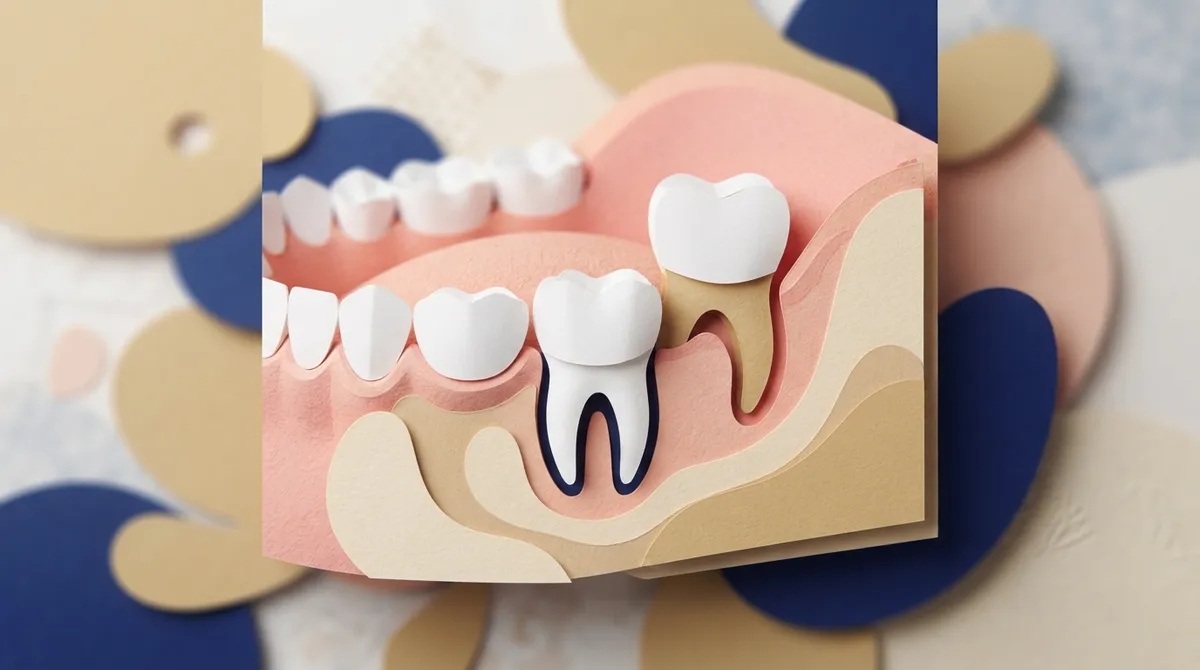
What Does It Mean When Adult Teeth Come In Behind Baby Teeth?
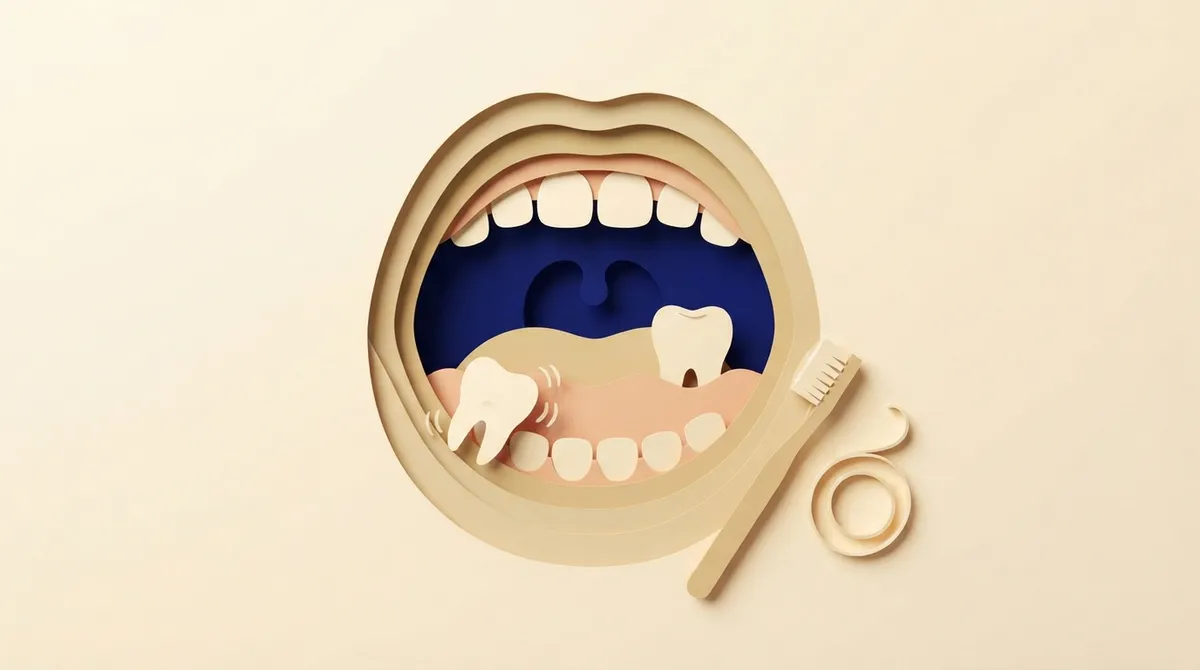
When a permanent tooth grows in behind a baby tooth, people often call it “shark teeth.” The nickname comes from the double row of teeth that looks a bit like a shark’s smile. It is most often seen with the lower front teeth, right around the time kids start losing their first baby teeth.
Here’s the simple version. Baby teeth have roots. As a permanent tooth moves up from below, it normally pushes against that root and helps dissolve it. The baby tooth then gets loose and falls out. Sometimes the adult tooth takes a different path and comes up behind the baby tooth instead of directly beneath it. The baby tooth doesn’t loosen right away, so for a while you can see both teeth at once.
This is not a sign that you did something wrong. It is simply one of the ways teeth can erupt.
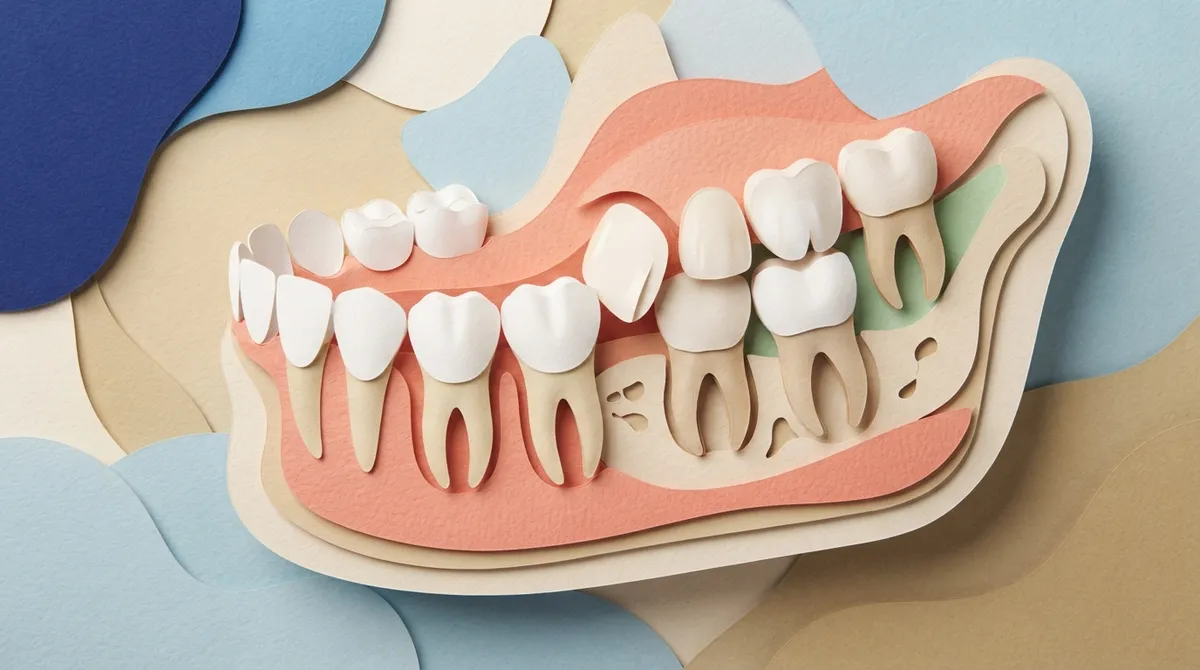
Why Does This Happen?
Several things can lead to an adult tooth taking a path behind its baby tooth. Often it’s just a matter of how the tooth was positioned as it developed.
- Eruption path: The permanent tooth’s natural path may point slightly toward the tongue side instead of straight up.
- Slow baby tooth loosening: The baby tooth’s root may not dissolve on schedule, so it stays firm.
- Limited space: A smaller jaw can leave less room, nudging the new tooth to the back.
- Family traits: Tooth size, jaw size, and eruption timing often run in families.
If you’re curious about how crowding plays into this, our article on what causes crowding in children’s developing teeth goes into more detail.
Are Shark Teeth Normal?
In most cases, yes. A double row of teeth is a common eruption pattern, and it does not automatically mean your child needs braces. Many kids see the problem fix itself within a few weeks to a couple of months.
As the baby tooth loosens and falls out, the tongue and normal chewing forces often help the new tooth drift forward into a more typical spot. Think of it like a car that took a side road and then merges back onto the main highway.
That said, “common” doesn’t mean “ignore it forever.” It helps to keep an eye on things, and we’ll cover exactly what to watch for below.
What You Can Do at Home
While you wait for nature to take its course, here are some simple steps that can help.
- Check how loose the baby tooth is. If it wiggles easily and your child feels fine, that’s a good sign.
- Encourage gentle wiggling. Kids can use their tongue or a clean finger to wiggle a loose tooth. Never force or yank a tooth that is firm.
- Keep brushing twice a day. Use fluoride toothpaste and a soft brush. Make sure to reach the spaces around both teeth.
- Floss carefully. Two teeth in one spot can trap food, so gentle flossing matters.
- Watch for changes. Note any pain, swelling, or trouble eating.
- Take a photo. A quick picture every week or two helps you track whether the baby tooth is loosening or the new tooth is moving.
Good home care protects gums and teeth while everything shifts around. If you’re brushing around braces down the road, our guide on how to brush teeth with braces will come in handy.
Should You Pull the Baby Tooth Yourself?
This is one of the most common questions parents ask, and the answer is: only if it’s already very loose and your child is comfortable.
If the baby tooth wiggles freely, a little gentle encouragement is usually fine. But if the baby tooth is firm and not moving, please don’t pull it at home. Forcing a firm tooth can cause pain, bleeding, or even break the tooth and leave a piece of root behind.
A dental professional can look at the situation, decide whether the baby tooth needs to come out, and do it safely and comfortably. We talk more about this topic in our post on retained baby teeth questions parents ask.
When to See an Orthodontist or Pediatric Dentist
Many cases resolve on their own, but some deserve a professional look. Here’s a handy comparison to help you decide.
| What You See | Usually Okay to Watch? | Suggested Next Step |
|---|---|---|
| Lower baby tooth is loose, adult tooth behind it | Yes | Gentle wiggling, good brushing, recheck in a few weeks |
| Baby tooth is firm after several weeks | Not ideal | Schedule a dental evaluation |
| Adult tooth is far out of position | No | Book an orthodontic assessment |
| Upper front teeth coming in behind baby teeth | No | See a dentist or orthodontist soon |
| Pain, swelling, or signs of infection | No | Call right away |
| Several teeth affected at once | Not ideal | Schedule a visit to check space and bite |
Upper front teeth deserve extra attention. When a permanent upper tooth erupts behind a baby tooth, or when the angle looks unusual or differs noticeably from one side to the other, it’s smart to have the bite and tooth position checked.
What Happens at an Evaluation?
If you do visit an orthodontist, here’s what you can expect. The goal is to learn what’s happening, not to rush into treatment.
- A visual exam: The doctor looks at the teeth, gums, and bite.
- A review of growth: They check how the jaws and teeth are developing for your child’s age.
- Imaging when needed: The dentist decides whether an X-ray or scan is helpful. Not every child needs one.
- A plain-language plan: You’ll hear whether to monitor, remove a baby tooth, or plan for orthodontic care later.
At Brockway Orthodontics, we use modern tools like digital impressions instead of messy molds, which many kids find much more comfortable. If you’d like to know what a first visit looks like, our guide on what to expect at the orthodontist walks you through it step by step.
Possible Treatment Paths
Every child is different, so treatment is based on what the exam shows. In general, one of these three paths is common.
1. Watchful Waiting
If the baby tooth is loose and the adult tooth has room, the doctor may simply ask you to keep an eye on things. This is the most common outcome.
2. Removing the Retained Baby Tooth
If the baby tooth won’t budge and the adult tooth keeps coming in behind it, a quick, gentle removal can give the permanent tooth space to move forward. This is done by a dental professional, never by guesswork at home.
3. Orthodontic Assessment
If there’s crowding, a bite concern, or an upper tooth coming in out of place, an orthodontic plan may be recommended. Sometimes that means early care, and sometimes it means waiting until more permanent teeth arrive. To understand the difference, see why an early evaluation isn’t treatment.
Does This Mean My Child Needs Braces?
Not necessarily. A double row of teeth by itself doesn’t mean braces are on the way. Many children with shark teeth end up with a nicely aligned smile once the baby tooth is gone.
However, it can be an early clue that a child’s jaw is a bit tight on space. That’s one reason we like to see kids around age 7, even when things look fine. A quick visit can catch small issues early and give you peace of mind. You can read more in our post on age 7 versus waiting.
If braces or aligners are needed later, there are plenty of friendly options for kids, teens, and even adults. Brockway Orthodontics offers metal braces, ceramic (clear) braces, and Spark™ Clear Aligners, so families can choose what fits their life best.
What About Teens and Adults With Teeth Behind Teeth?
Sometimes the story doesn’t end in childhood. If you’re a teen or adult and notice a tooth that sits behind another, it may be a retained baby tooth that never fell out, or a permanent tooth that stayed crowded or turned. It’s never too late to ask about it.
Adults often seek care for a crooked or hidden tooth for a boost in confidence, better cleaning access, or a healthier bite. If this sounds like you, you might enjoy our article on crowding versus a retained baby tooth. Some of our patients even come back years after past braces, and we’re happy to help with relapse too.
Signs You Should Call Sooner Rather Than Later
Most shark teeth situations are calm and slow. Still, some signs mean it’s time to pick up the phone.
- Pain that doesn’t ease up or is getting worse
- Swollen or red gums near the teeth
- A bad taste, pus, or other signs of infection
- Trouble biting or chewing comfortably
- A baby tooth that stays firm for many weeks while the adult tooth keeps coming in
If anything feels off, trust your instincts. A short visit can give you answers and save worry. For urgent concerns, read when you need an emergency orthodontist appointment.
Why Local, Personal Care Matters
Every child’s mouth grows on its own schedule. That’s why personalized care makes such a difference. Dr. Brockway takes the time to listen to parents and kids, explain what she sees in simple words, and build a plan that fits your family. As a trusted orthodontist in Clearwater, Florida, she cares about the whole journey, not just the teeth.
You can also see what other families say by reading reviews on Google. Visit us on Google — Brockway Orthodontics to learn more about our Clearwater office and the families we serve.
For general information about children’s oral health, the American Dental Association is a helpful resource. And if you’re looking for a specialist in your region, the Florida Association of Orthodontists is a good place to learn more about orthodontic care in the state.
Quick Tips for Parents
- Stay calm. Shark teeth are common and often fix themselves.
- Keep up with brushing and flossing around both teeth.
- Don’t force a firm baby tooth out at home.
- Schedule an evaluation if the baby tooth stays firm or the adult tooth looks way off track.
- Pay extra attention to upper front teeth and to differences between the left and right sides.
- Keep regular dental checkups on the calendar.
Final Thoughts
Seeing when adult teeth come in behind baby teeth can feel surprising, but it’s a very common stage of growing up. In most cases, the baby tooth loosens, falls out, and the new tooth settles into place with a little time and good brushing. When it doesn’t, a simple visit can help you figure out the best next step, whether that’s watching, removing a stubborn baby tooth, or planning for orthodontic care.
You don’t have to figure this out alone. If you’d like a friendly set of eyes on your child’s smile, book an appointment online with Brockway Orthodontics, or contact us with any questions. We’d love to help your child’s smile grow in happy and healthy.
FAQs
Q: Why is my child’s adult tooth growing behind a baby tooth?
A: The permanent tooth’s eruption path is often slightly behind the baby tooth instead of directly beneath it. Because the baby tooth hasn’t loosened yet, you can see both teeth for a while. It’s a common pattern, especially with the lower front teeth.
Q: Should I pull out the baby tooth if an adult tooth is coming in behind it?
A: Only if the baby tooth is already very loose and your child is comfortable. Gentle wiggling with the tongue or a clean finger is fine, but never force a firm tooth. If it stays firm, a dental professional can safely decide whether it should come out.
Q: Will the adult tooth move forward on its own?
A: In many cases, yes. Once the baby tooth falls out, the tongue and normal eruption often help the permanent tooth drift into a more typical position. If it doesn’t move forward after the baby tooth is gone, an orthodontic check can help.
Q: Does a tooth behind a baby tooth mean my child needs braces?
A: Not automatically. A double row of teeth alone doesn’t mean braces are needed. An orthodontist can look at space, bite, and growth to tell you whether to simply monitor or plan for treatment later.
Q: When should I be more concerned about shark teeth?
A: Call for an evaluation if the baby tooth stays firm, an upper front tooth is coming in behind, the angle looks unusual, or you notice pain, swelling, or trouble eating. Several affected teeth or differences between the two sides are also good reasons to book a visit.
Our Service Area