
Key Takeaways
-
Get a professional orthodontic exam with digital scans and X-rays before choosing treatment, as severity determines the best solution: mild crowding (under 4mm) may need only aligners or braces, while moderate-to-severe (4-8mm+) often requires extraction, IPR, or expansion.
-
Clear aligners like Spark™ can effectively treat mild-to-moderate crowding in 6-18 months as a comfortable, nearly invisible alternative to braces, though traditional braces remain stronger for complex or severe cases.
-
Interproximal reduction (IPR) gently removes tiny amounts of enamel between teeth to create space without extraction, making it a valuable tool for mild-to-moderate crowding that can reduce or eliminate extraction needs.
-
Untreated crowded teeth increase plaque buildup, gum inflammation, and uneven wear by making brushing and flossing harder, so addressing crowding protects long-term oral health beyond just appearance.
-
Wear retainers consistently after treatment completion, as teeth naturally shift back over time; most patients wear retainers nightly long-term to prevent relapse and protect their investment in straightening.
-
Early orthodontic evaluation for children, even before all baby teeth fall out, allows orthodontists to catch developing crowding and use interceptive care tools like space-holding to prevent problems from worsening.
Crowded teeth can feel like a puzzle with too many pieces crammed into too small a box. If your teeth overlap, twist, or bunch together, you’re not alone. Many kids, teens, and adults in Clearwater deal with this exact issue every single day. The good news? There are more crowded teeth solutions today than ever before, and picking the right one doesn’t have to be stressful or scary.
At Brockway Orthodontics, we love helping families and individuals find the treatment that fits their smile, their schedule, and their budget. But before you pick a path forward, it helps to know the common mistakes people make when choosing crowded teeth solutions. Avoiding these missteps can save you time, money, and unnecessary frustration. Let’s walk through the top mistakes to dodge, plus what actually works based on real orthodontic science.
What Causes Crowded Teeth in the First Place?
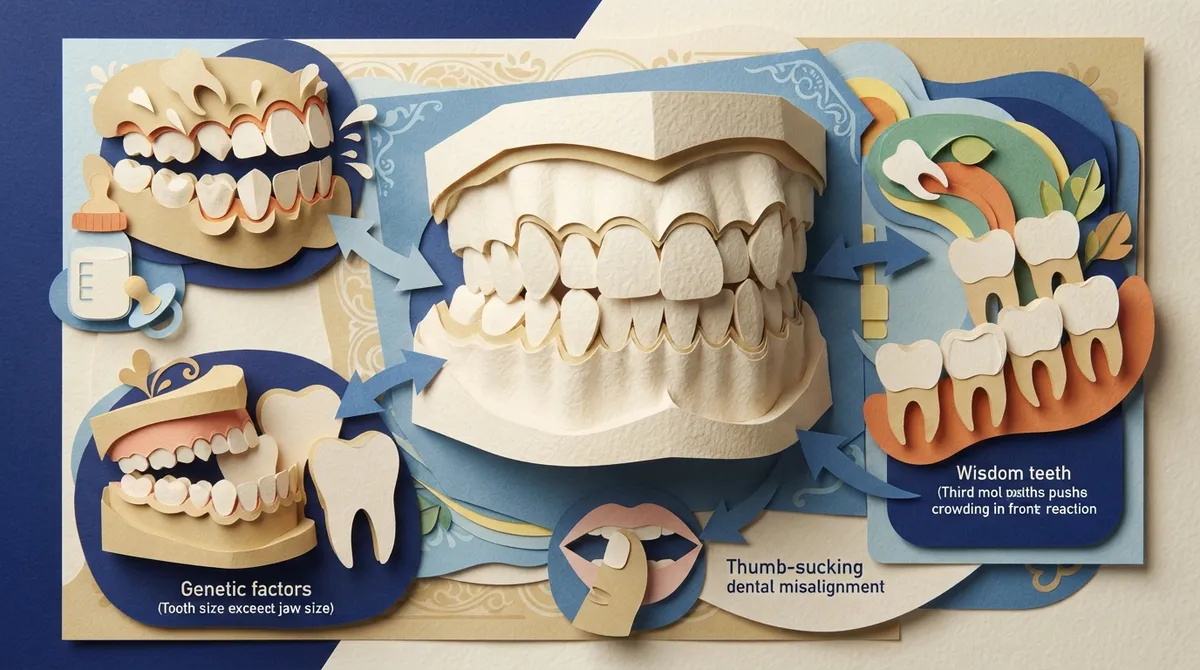
Crowded teeth happen when your jaw doesn’t have enough room for all your teeth to line up nicely. Think of it like trying to fit ten people into a car built for seven. Something has to give, and usually that means teeth twist, overlap, or push forward.
Dentists and orthodontists look at more than just how your smile looks. They check your bite, your jaw growth, your gum health, and even your facial profile before recommending a fix. This is why a proper exam matters so much, and it’s one reason your first visit at our office includes a full evaluation, not just a quick glance.
Mild, Moderate, and Severe Crowding
Orthodontists often sort crowding into three general categories. These are helpful guides, not strict rules, since every mouth is different.
- Mild crowding: less than about 4mm of missing space
- Moderate crowding: roughly 4mm to 8mm of missing space
- Severe crowding: more than about 7mm to 8mm of missing space
These numbers help your orthodontist decide which crowded teeth solutions make the most sense for your specific case.
Mistake 1: Assuming Braces Are the Only Option
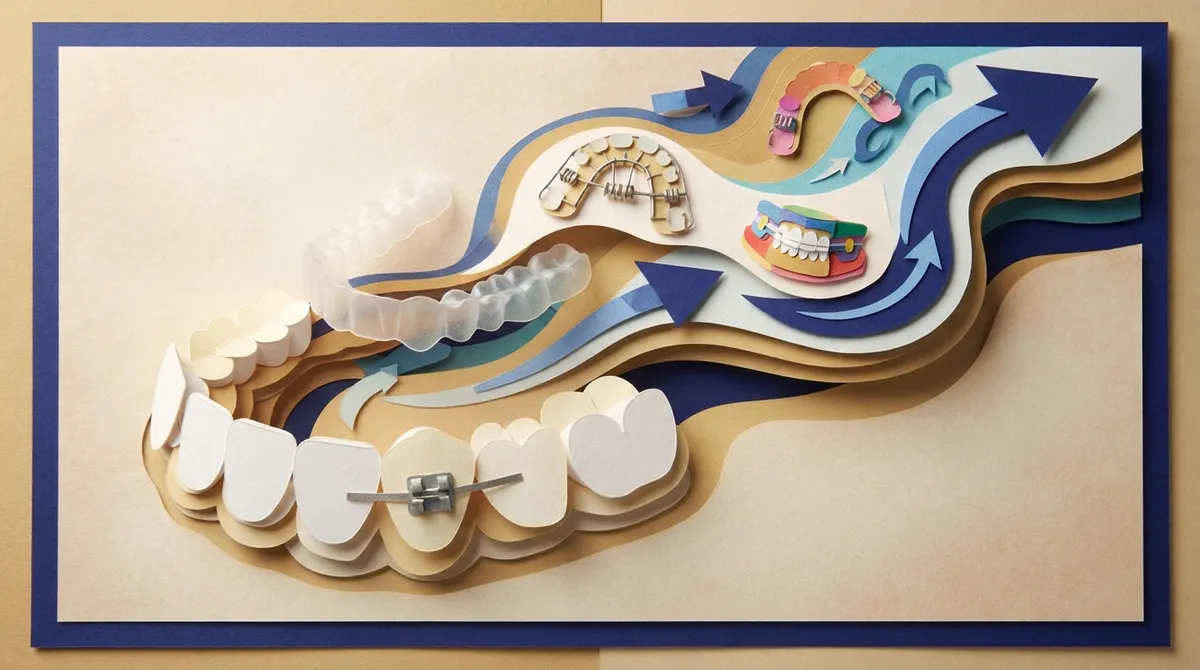
Many people think metal braces are the only way to fix crowded teeth. That’s simply not true anymore. Clear aligners have come a long way and can treat many mild-to-moderate crowding cases just as effectively.
Our Spark™ Clear Aligners are a comfortable, nearly invisible option that many teens and adults love. They’re also a more affordable alternative compared to other clear aligner brands on the market. Still, for more complex movements or severe crowding, traditional braces often remain the stronger choice.
Mistake 2: Ignoring the Severity of Your Crowding
Not all crowding is created equal, and treating it like a one-size-fits-all problem is a big mistake. A 2021 review on orthodontic treatment for crowded teeth in children found that braces alone may be enough for crowding under 4mm, while extraction gets considered more often for cases between 4mm and 8mm or beyond.
This is exactly why skipping a proper diagnostic exam is risky. Photos, digital scans, bite checks, and sometimes X-rays help your orthodontist pick the smartest plan, rather than guessing.
Comparing Common Crowded Teeth Solutions
| Solution | Best For | Typical Treatment Time |
|---|---|---|
| Clear Aligners | Mild to moderate crowding | 6-18 months |
| Traditional Braces | Moderate to severe crowding | 12-24 months |
| Interproximal Reduction (IPR) | Mild crowding or tooth-size mismatch | Used alongside other treatment |
| Arch Expansion | Growing patients, upper jaw | Varies, often 6-12 months |
| Extraction Plus Braces | Moderate to severe crowding | 18-24+ months |
Mistake 3: Overlooking Interproximal Reduction (IPR)
Some patients don’t realize that a small amount of space can be created without moving a single tooth. Interproximal reduction, sometimes called enamel slenderizing, gently removes tiny amounts of enamel between certain teeth. It’s usually reserved for mild-to-moderate crowding and must be done carefully by a trained professional.
IPR isn’t a stand-alone fix for everyone, but it’s a helpful tool that can reduce or even eliminate the need for extraction in some cases.
Mistake 4: Thinking Expansion Can Fix Everything
Arch expansion sounds appealing because it avoids removing teeth. It works by widening the dental arch to create more room, and it’s especially useful in growing children. But expansion has limits.
Pushing teeth too far beyond their supporting bone can lead to gum recession or a higher chance of the crowding coming back later. This is why your orthodontist will always weigh expansion against your gum health and jaw structure before recommending it.
Mistake 5: Fearing Extraction as Automatically “Bad”
Tooth extraction sometimes gets a bad reputation, but it isn’t automatically the wrong choice. For moderate or severe crowding, or when teeth are pushed forward beyond what the jaw can support, removing one or more teeth can actually create a healthier, more stable smile.
Research reviews point to five major strategies for managing crowded teeth: arch expansion, molar distalization, incisor movement, interproximal reduction, and extraction. The right combination depends on your bite, your jaw shape, and your facial balance, not a one-size-fits-all rule.
Steps to Determine If Extraction Is Right for You
- Get a full orthodontic exam with digital scans and X-rays
- Discuss your facial profile and jaw growth with your orthodontist
- Review how much space is truly needed to fix the crowding
- Weigh extraction against non-extraction options like IPR or expansion
- Ask about long-term stability and relapse risk for each option
Mistake 6: Waiting Too Long for a Child’s Evaluation
Parents sometimes assume orthodontic care should wait until all baby teeth fall out. But early evaluation can catch developing crowding problems before they get worse. Interceptive care might include watching how teeth come in, holding space after losing a baby tooth early, or in select severe cases, planned removal of certain primary teeth.
Not every child needs treatment right away, but catching problems early gives your orthodontist more tools to work with. Our early treatment and adolescent treatment programs are designed with this in mind.
Mistake 7: Forgetting About Retainers After Treatment
You finished your treatment, your teeth look amazing, and now you’re done, right? Not quite. Teeth naturally want to shift back over time, which is why retainers are such a critical final step.
Most patients wear retainers more often at first, then switch to nighttime-only wear long term. Skipping this step is one of the most common (and frustrating) mistakes people make after investing time and money into straightening their teeth.
Mistake 8: Choosing Based on Price Alone
It’s tempting to pick the cheapest option you can find, but cost shouldn’t be your only factor. Treatment duration, your specific crowding severity, and long-term stability all matter just as much as price.
The good news is that many practices, including ours, offer financing and insurance options to make quality care more affordable. It’s worth exploring payment plans rather than settling for a rushed or incomplete treatment plan.
Questions to Ask Before Committing to a Treatment Plan
- How severe is my crowding, and what treatment fits best?
- What is the expected treatment timeline?
- Will I need retainers, and for how long?
- Are there financing or payment plan options available?
- What happens if my teeth start shifting again later?
Mistake 9: Ignoring Oral Health Risks of Untreated Crowding
Some people put off treatment because crowding isn’t painful. But untreated crowded teeth can make brushing and flossing much harder. This often leads to plaque buildup, gum inflammation, and uneven tooth wear over time.
According to the American Dental Association, proper alignment plays a big role in long-term oral health, not just appearance. Crowding itself isn’t usually an emergency, but pain, swelling, or a tooth that won’t come in properly should be checked right away.
Mistake 10: Not Researching Your Orthodontist’s Experience
Not every orthodontic office offers the same level of care, technology, or personal attention. Choosing an experienced, board-certified orthodontist matters more than people realize. Dr. Brockway brings years of training and a genuine passion for helping Clearwater families feel confident in their smiles.
You can learn more about her background on our Meet Dr. Brockway page, or explore our full range of services to see what fits your needs. The Florida Association of Orthodontists also offers helpful resources for finding qualified specialists in your area.
What Modern Orthodontic Technology Adds to Your Treatment
Today’s tools make treatment more accurate and often more comfortable than older methods. Digital impressions replace messy molds, and 3D imaging helps map out your treatment before it even begins.
- Digital scans create a precise, comfortable model of your teeth
- 3D imaging helps predict tooth movement more accurately
- Same-day treatment starts are possible in certain cases
- Better planning often means shorter, more predictable treatment
Treatment Timelines You Can Expect
Treatment length depends heavily on how crowded your teeth are and which solution you choose. Here’s a general breakdown based on common clinical patterns.
| Crowding Severity | Typical Treatment Range |
|---|---|
| Mild (under 4mm) | 6-18 months |
| Moderate (4-8mm) | 12-24 months |
| Severe (8mm+) | 24+ months |
These are planning ranges, not guarantees. Your orthodontist will give you a more precise estimate after your exam.
Why Clearwater Families Trust Brockway Orthodontics
We treat kids, teens, adults, and everyone in between. Whether you’re a parent looking into adult treatment for yourself or braces for your child, our team explains every step in plain, friendly language. We want you to feel informed, not confused.
Curious what other patients think? You can read real experiences and visit us on Google — Brockway Orthodontics to see reviews from our Clearwater community. You can also follow along and see smile transformations on our Instagram and Facebook pages.
Bringing It All Together
Crowded teeth solutions aren’t one-size-fits-all, and that’s actually a good thing. It means your treatment can be built around your specific needs, your lifestyle, and your goals for your smile. From clear aligners to traditional braces, from IPR to expansion, there’s likely a path that fits you perfectly.
The biggest mistake you can make is waiting too long or choosing a plan without a proper evaluation first. Ready to find your best fit? Book appointment online with our friendly Clearwater team today, or feel free to contact us with any questions you have along the way. Your straighter, healthier smile is closer than you think!
FAQs
Q: What is the best treatment for crowded teeth?
A: It really depends on how crowded your teeth are! Mild cases often do great with clear aligners or braces alone, while moderate to severe crowding might need extra help like IPR, expansion, or even extraction. The best way to know for sure is to get a full evaluation from your orthodontist.
Q: Can clear aligners fix crowded teeth, or are braces better?
A: Clear aligners like our Spark™ system can absolutely fix many mild-to-moderate crowding cases, especially if you’re diligent about wearing them. For more complex or severe crowding, traditional braces often give your orthodontist more control over tooth movement.
Q: Do crowded teeth always require tooth extraction?
A: Not at all! Extraction is just one of several tools orthodontists use. Many mild and moderate cases can be treated with braces, aligners, expansion, or IPR without removing any teeth. Your orthodontist will only recommend extraction when it truly makes sense for your smile and bite.
Q: How long does orthodontic treatment for crowded teeth take?
A: Treatment time varies quite a bit based on severity. Mild cases might wrap up in 6 to 18 months, moderate crowding often takes 12 to 24 months, and severe cases can take 24 months or longer. Your orthodontist will give you a personalized estimate after your exam.
Q: Can crowded teeth get worse with age?
A: Yes, teeth can shift and crowding can worsen over time, especially without a retainer after treatment. That’s why we always stress the importance of wearing retainers as instructed, even years after your braces come off!
Our Service Area