Key Takeaways
-
Wear retainers consistently after braces or aligners, starting with full-time wear for the first few months, then nighttime-only after three months, as teeth can shift without retention even years after treatment.
-
Choose between three main retainer types: clear removable (discreet, requires cool water care), Hawley (durable, adjustable), or fixed bonded (hands-free, needs floss threaders for cleaning).
-
Most orthodontists recommend lifetime part-time retainer wear because teeth naturally shift due to aging, and the periodontal ligament takes 18 months to fully reorganize after orthodontic movement.
-
Clean removable retainers with cool water and soft brushes only—hot water warps plastic—and store them in protective cases, never wrapped in napkins to avoid accidental disposal.
-
Watch for warning signs like tight-fitting retainers, visible gaps returning, or loose fixed retainer wires, and contact your orthodontist immediately rather than forcing a damaged retainer.
-
Retainer replacement is normal and necessary when plastic cracks or warps, wires break, or the retainer is lost; regular orthodontist checkups help catch fit issues before relapse occurs.
So you just got your braces off, or you finished your last set of Spark™ clear aligners. Congratulations! That new smile deserves a happy dance. But here’s the thing nobody tells you enough: the real work of keeping that smile straight starts now. Retainers for teeth are the quiet heroes of orthodontic care, and understanding how they work can save you from years of frustration (and possibly a second round of treatment).
At Brockway Orthodontics in Clearwater, we talk about retainers with every single patient because they matter that much. Whether you’re a parent watching your teen finish treatment, an adult professional who invested in a straighter smile, or someone dealing with relapse after years without a retainer, this guide breaks down everything you need to know. Let’s dig into the facts, the schedules, and the everyday habits that keep your smile exactly where it belongs.
1. Retainers Hold Your New Smile in Place
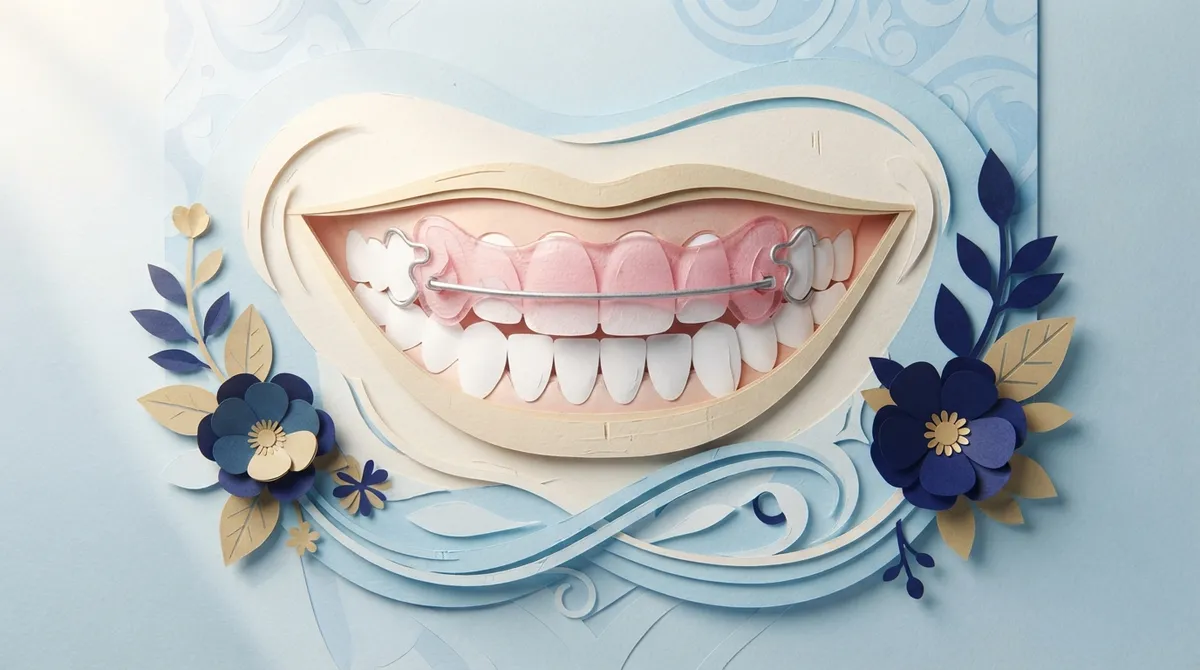
A retainer is a custom-made appliance that keeps your teeth from drifting back to their old positions after braces or clear aligners. Think of it like a security guard for your smile. Once your teeth are moved into place, the bone and gum tissue around them need time to settle and adapt.
Without a retainer, teeth can slowly shift back toward their original spots. This is called relapse, and it’s more common than people realize. Our team at Brockway Orthodontics designs every retainer to match your unique bite and smile goals.
2. There Are Three Main Types of Retainers
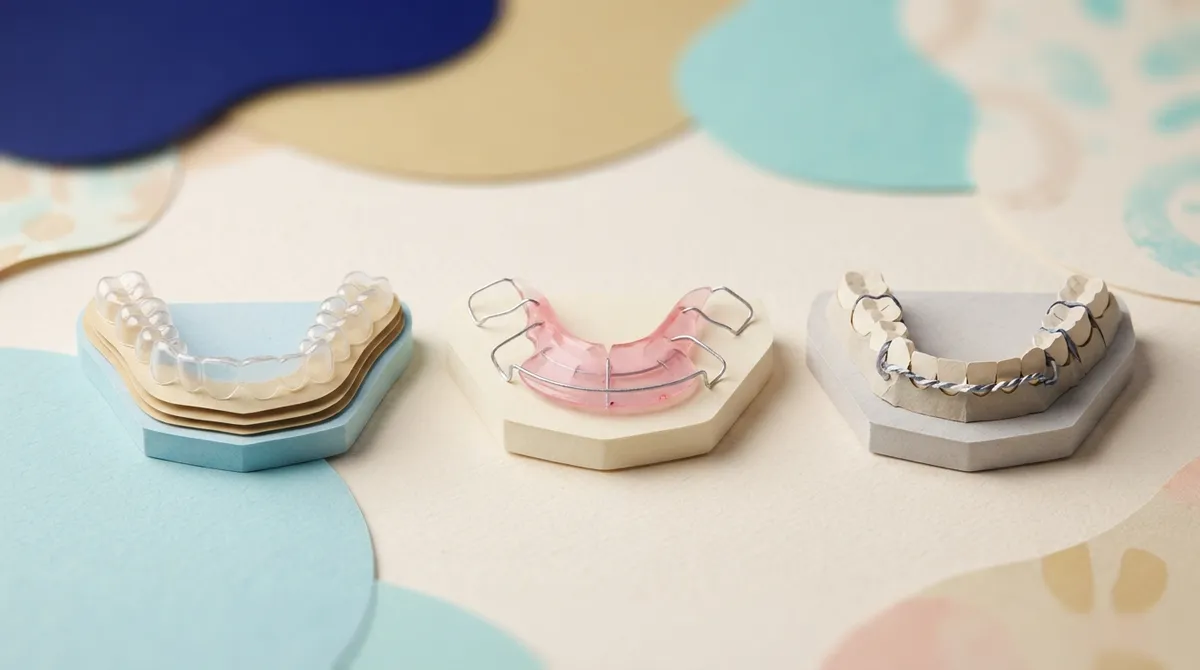
Not all retainers look or work the same way. Picking the right one depends on your treatment, lifestyle, and what your orthodontist recommends. Here’s a simple breakdown of the most common options.
| Retainer Type | Material | Best For | Care Level |
|---|---|---|---|
| Clear Removable | Thin plastic | Discreet daily wear | Gentle cleaning, avoid heat |
| Hawley | Acrylic and metal wire | Durability and adjustability | Easy to clean, brush regularly |
| Fixed (Bonded) | Thin wire bonded behind teeth | Long-term, hands-free retention | Requires floss threaders, dental checks |
Each type has pros and cons. Clear retainers are nearly invisible, which teens and young adults love. Hawley retainers are tough and easy to adjust. Fixed retainers stay in place permanently, so there’s nothing to forget or lose.
3. Clear Removable Retainers Are Popular for a Reason
Clear retainers, sometimes called Essix retainers, fit snugly over your teeth like a thin, see-through shell. They’re a favorite among teens and adults who want their retention to stay low-key. You can pop them out for meals and photos, which makes them easy to live with.
These retainers do require some care though. Cool water is your friend here, since hot water can warp the plastic. A soft brush and mild cleaner keep them fresh without causing damage.
4. Hawley Retainers Bring Old-School Reliability
Hawley retainers have been around for decades, and they’re still trusted for good reason. They combine a acrylic base that sits against the roof of your mouth or behind your lower teeth with a metal wire that wraps around your front teeth.
Because they’re adjustable, your orthodontist can fine-tune them if small tweaks are needed. They also tend to hold up well over years of use, making them a solid choice for patients who want durability.
5. Fixed Retainers Work Around the Clock
A fixed, or bonded, retainer is a thin wire glued to the back of your teeth, usually the lower front teeth. Since it’s permanent, you never have to remember to wear it. That’s a huge win for patients who worry about compliance.
But fixed retainers need extra attention during brushing and flossing. Plaque can build up around the wire if it’s not cleaned properly. Floss threaders or interdental brushes make this easier, and regular dental visits help catch any wire breakage early.
6. Wear Schedules Change Over Time
Here’s something many patients don’t expect: retainer wear isn’t the same forever. Right after treatment, your teeth are the most likely to shift, so your orthodontist will usually ask for full-time or nighttime wear during the first several months.
According to NHS orthodontic guidance, a common schedule looks something like this:
- Full-time wear for the first week or two after braces come off.
- At least 14 hours daily for the following few months.
- Nighttime-only wear starting around three months post-treatment.
- Gradually reduced to a few nights per week after the first year.
- Long-term part-time wear, sometimes indefinitely, to protect your investment.
This example schedule comes from real orthodontic protocols, but your exact plan will depend on your bite, age, and treatment type. Dr. Brockway will map out a personalized schedule during your first visit and follow-up appointments.
7. Yes, Retention Really Can Last a Lifetime
This surprises a lot of patients. The periodontal ligament, the tissue that holds your tooth roots in place, can take around 18 months to fully reorganize after orthodontic movement. But even after that healing period, your teeth can still shift due to natural aging.
The British Orthodontic Society is clear on this point: the only reliable way to keep your smile straight forever is continued part-time retainer wear, potentially for life. It sounds like a big commitment, but wearing a retainer a few nights a week is a small price for a smile that stays put.
8. Watch for These Warning Signs
Your retainer should fit comfortably. If it suddenly feels tight or hard to seat, that’s a signal worth paying attention to. Here are some signs you shouldn’t ignore.
- Your retainer feels tight or pinches when you put it in.
- You notice gaps or crowding starting to return.
- The retainer looks warped, cracked, or discolored.
- A fixed retainer wire feels loose or you notice a rough edge.
- You haven’t worn your retainer consistently in weeks or months.
If any of these sound familiar, don’t force a damaged or tight retainer into place. Reach out to your orthodontist right away. Our team knows this happens, and we’re always ready to help patients get back on track. You can contact us anytime you have concerns about fit or comfort.
9. Cleaning and Storage Habits Matter
Retainers pick up bacteria and plaque just like your teeth do. A little daily care goes a long way toward keeping them fresh and functional. Follow these simple steps for removable retainers.
- Rinse your retainer with cool or lukewarm water after removing it.
- Brush gently with a soft toothbrush, avoiding whitening or abrasive toothpaste.
- Use a manufacturer-approved cleaning tablet or solution once or twice a week.
- Store it in its protective case whenever it’s out of your mouth.
- Never leave it wrapped in a napkin, since that’s the number one way retainers get thrown away by accident.
Fixed retainers need a different approach. Floss threaders, interdental brushes, or water flossers help you clean around the wire without damaging it. Your dental team can show you the exact technique that works best for your bonded retainer.
10. Eating and Drinking Rules Are Pretty Simple
Most orthodontists agree that you shouldn’t eat while wearing a clear plastic retainer unless specifically told otherwise. Chewing can crack the plastic or push it out of shape. Water is generally the safest drink to have while your retainer is in.
For fixed retainers, you can eat normally since the wire is bonded behind your teeth. Just be mindful of sticky or hard foods that could pop the wire loose, similar to precautions you’d take with braces. Our guide to braces care covers food tips that apply to fixed retainers too.
11. Replacement Is Normal, Not a Failure
Retainers don’t last forever. Plastic ones wear down, wires can bend or break, and sometimes life happens and a retainer gets lost. None of this means you did something wrong. It just means it’s time for a replacement.
Here’s a quick look at what might trigger the need for a new retainer.
- Visible cracks, warping, or cloudiness in clear retainers.
- A wire that has come loose or snapped on a fixed retainer.
- Loss of the retainer, whether at school, a restaurant, or during travel.
- A retainer that no longer fits due to natural shifting.
- Normal wear and tear after years of use.
Since retainers are custom-fitted, they can’t be swapped between patients or reused from an old mold without a new impression. Regular check-ins with your orthodontist help catch fit issues before they become bigger problems. If you’re overdue for a checkup, it might be time to book an appointment online and get your retention plan reviewed.
Why Retention Matters for Every Age Group
Retainers aren’t just for teens fresh out of braces. Adults returning for retreatment, busy professionals who invested in a straighter smile, and even health-conscious patients managing periodontal concerns all benefit from a solid retention plan. Relapse can happen to anyone who skips their retainer, regardless of age.
Parents often ask how long their child will need to wear a retainer. The honest answer is that it varies by case, but most orthodontists recommend at least a year of consistent wear, often longer. Our adolescent treatment and adult treatment pages go into more detail about what to expect at different life stages.
How Brockway Orthodontics Supports Your Retention Journey
Dr. Brockway believes education is just as important as the appliance itself. Every patient leaves our Clearwater office understanding exactly how to wear, clean, and care for their retainer. We use digital impressions and modern imaging to design retainers that fit precisely, so you’re comfortable from day one.
We also know families lead busy lives. That’s why we offer same-day options in certain situations, so you’re not stuck scheduling multiple visits just to get a replacement retainer. Curious what other patients think of our care? You can visit us on Google to see what Brockway Orthodontics patients have to say, or follow along on Instagram and Facebook for smile transformations and tips.
A Quick Comparison: Removable vs. Fixed Retainers
| Feature | Removable Retainer | Fixed Retainer |
|---|---|---|
| Ease of Cleaning | Simple, take it out to clean | Requires floss threaders |
| Compliance Needed | Yes, must remember to wear it | No, it stays in place |
| Visibility | Nearly invisible (clear type) | Hidden behind teeth |
| Risk of Loss | Can be misplaced | Cannot be lost |
| Typical Lifespan | 1-5 years depending on wear | Several years with good hygiene |
Both options work well when properly maintained. The right choice depends on your lifestyle, oral hygiene habits, and what your orthodontist recommends for your specific bite.
Trusting the Experts With Your Long-Term Smile
Guidelines from the American Dental Association and regional groups like the Florida Association of Orthodontists emphasize that retention is a critical, ongoing part of orthodontic care, not an afterthought. Skipping retainer wear is one of the most common reasons patients need retreatment later in life.
If you’ve noticed your teeth shifting or you’re not sure your current retainer still fits well, don’t wait. Our team at Brockway Orthodontics serves patients throughout Clearwater and the surrounding Pinellas County area, and we’re happy to check your retention plan at any stage of your smile journey.
Keep Your Smile Where It Belongs
Retainers for teeth might not get the same excitement as braces coming off, but they’re just as important to your long-term smile. Whether you choose a clear removable retainer, a classic Hawley, or a fixed wire behind your teeth, consistency is what makes the difference between a lasting smile and a relapse.
Ready to protect the smile you worked so hard for? Reach out today to get in touch with our friendly Clearwater team and let us help you build a retention plan that fits your life. Your smile deserves to stay exactly where it is, for years to come.
FAQs
Q: How long do I need to wear a retainer after braces or clear aligners?
A: Most patients wear their retainer full-time or at night for the first year, then shift to just a few nights a week. Your exact schedule depends on your bite and treatment, so Dr. Brockway will map out a plan just for you.
Q: Do I really need to wear a retainer for life?
A: In most cases, yes! Teeth can shift naturally as we age, even years after treatment. Wearing your retainer part-time long-term is the best way to protect your smile investment for good.
Q: What’s the difference between clear, Hawley, and fixed retainers?
A: Clear retainers are nearly invisible plastic shells, Hawley retainers use acrylic and wire for durability, and fixed retainers are wires bonded behind your teeth for hands-free retention. Each has its own perks depending on your lifestyle.
Q: What should I do if my retainer doesn’t fit anymore?
A: Don’t force it! A tight or ill-fitting retainer can mean your teeth have shifted. Give our Clearwater office a call so we can check things out and get you back on track quickly.
Q: How much does it cost to replace a retainer?
A: Replacement costs vary based on the type of retainer and your specific needs. Reach out to our team for a personalized quote, and we’ll help you find an option that fits your budget and smile goals.
Our Service Area