Key Takeaways
-
A comprehensive orthodontic exam with digital scans, X-rays, and bite assessment is essential before treatment, as identical-looking crooked teeth can require completely different treatment approaches.
-
Clear aligners work best for mild to moderate cases and require 20-22 hours daily wear, while traditional braces provide superior control for complex rotations and bite issues; over 17% of aligner cases need refinement or conversion to braces.
-
Lifelong retainer wear is non-negotiable after active treatment ends, as teeth naturally shift back within months without consistent use, making post-treatment retention as critical as the initial correction process.
-
Many complex cases require adjunctive treatments beyond braces or aligners, including palatal expanders, elastics, temporary anchorage devices, or in rare cases orthognathic surgery for skeletal jaw discrepancies.
-
Adults represent a growing treatment demographic and can achieve results with ceramic braces or clear aligners to correct childhood issues or adult-onset shifting without career disruption.
-
Strict oral hygiene during treatment prevents white spots, cavities, and gum disease; use fluoride toothpaste twice daily, interdental brushes around brackets, and maintain regular dental cleanings throughout treatment.
Do you catch yourself covering your mouth when you smile in photos? You are not alone. Millions of teens and adults deal with crowded, gapped, or crooked teeth every single day. The good news? Misaligned teeth correction has never been easier, more comfortable, or more affordable than it is right now in 2026.
At Brockway Orthodontics in Clearwater, we see patients of every age walk through our doors with the same worry: “Can my smile actually be fixed?” The answer is almost always yes. Whether you are a parent watching your child’s teeth come in crooked, a busy professional wanting a discreet fix, or an adult whose teeth have shifted after old braces, this guide breaks down everything you need to know. Let’s dig into 11 key facts about correcting misaligned teeth, so you can walk into your next appointment feeling informed and confident.
1. Misaligned Teeth Are More Common Than You Think
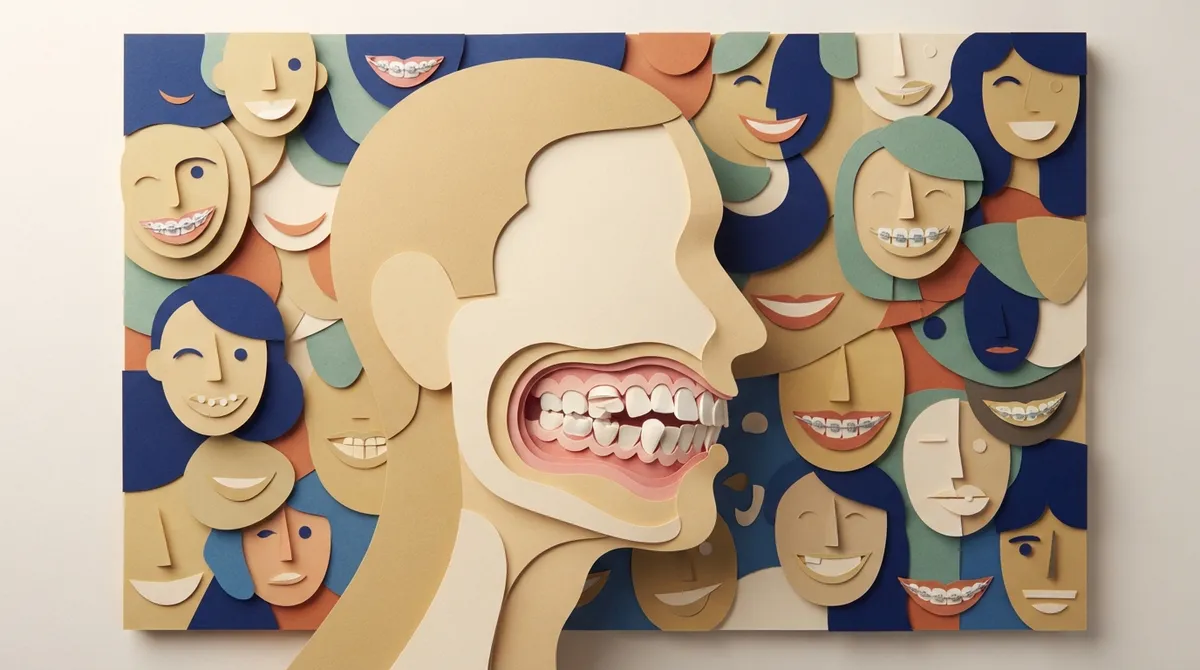
Malocclusion is the technical term for misaligned teeth and bad bites. It covers crowding, spacing, rotated teeth, overbites, underbites, crossbites, and open bites. Research shows dentofacial anomalies affect roughly 10% of people worldwide, though rates vary a lot depending on the study and location. One review even found a pooled orthodontic treatment need of 46.0% among teenagers. So if you or your child needs treatment, you are in very good company.
2. Everything Starts With a Real Orthodontic Exam
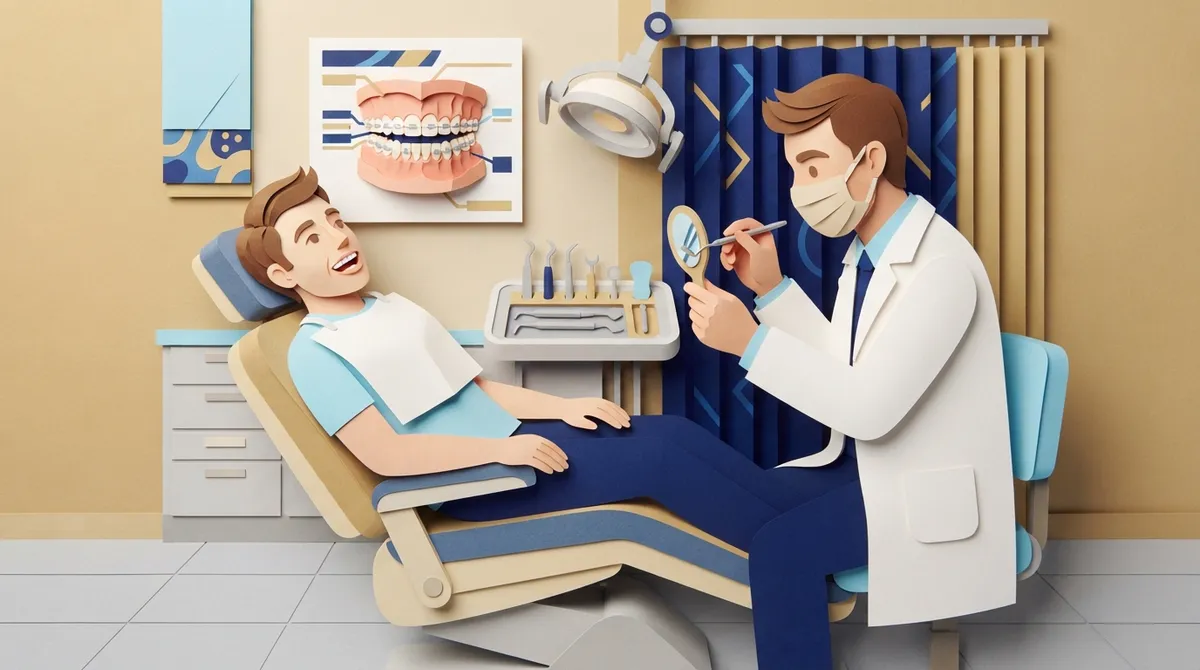
You cannot fix what you have not properly diagnosed. A good orthodontic assessment includes a clinical exam, photos, digital scans or models, and X-rays when needed. Dr. Brockway looks at tooth position, bite relationships, jaw growth, gum health, and even facial balance before recommending anything. This step matters because two people with “crooked teeth” can need completely different treatments. If you’re curious what this looks like, check out Your First Visit for a full walkthrough.
What Your Exam Usually Covers
- A close look at tooth position and rotation
- Bite check for overbite, underbite, or crossbite
- Jaw growth and alignment review
- Gum and periodontal health screening
- Cavity risk assessment
- Digital scans instead of messy putty molds
3. Braces Are Still a Powerhouse for Complex Cases
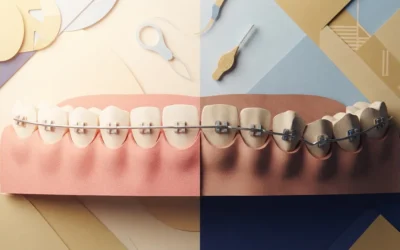
Traditional braces use brackets and wires to move teeth in three directions at once. They remain one of the most reliable ways to fix serious rotations, tricky bite issues, and cases that need tooth extraction. A 2019 systematic review found braces outperformed clear aligners in several areas, including bite contact, torque control, and holding results steady after treatment. If your case is complicated, braces might genuinely be your fastest path to a great result. Learn more in our guide to All About Braces.
4. Clear Aligners Shine for Milder Cases
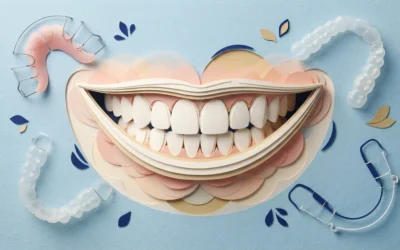
Clear aligners are removable trays that gently shift teeth over time. They work great for mild to moderate crowding, spacing, and some bite problems. Adults and teens love them because they are nearly invisible and easy to remove for eating and photos. At Brockway Orthodontics, we offer Spark™ Clear Aligners, a more budget-friendly option compared to other well-known aligner brands.
Quick Pros and Cons of Clear Aligners
- Nearly invisible, great for work and social events
- Removable for eating, brushing, and flossing
- Require serious discipline to wear 20-22 hours a day
- May need refinements for tricky movements
- Not always ideal for severe rotations or big bite shifts
5. Braces vs. Clear Aligners: A Side-by-Side Look
| Feature | Traditional Braces | Clear Aligners |
|---|---|---|
| Best For | Mild to complex cases | Mild to moderate cases |
| Visibility | Visible (ceramic less so) | Nearly invisible |
| Removable? | No | Yes |
| Compliance Needed | Low (fixed in place) | High (must wear consistently) |
| Bite Control | Stronger for complex bites | Better for simple cases |
| Gum Health During Treatment | Requires extra cleaning effort | Often easier to keep clean |
A 2025 systematic review actually found clear aligners scored better on some gum health measures, like plaque and bleeding indices. That said, the evidence quality was rated low for many outcomes, so this should not replace daily brushing and flossing no matter which option you choose.
6. Treatment Time Depends on Your Case
There is no single answer to “how long will this take?” Mild alignment issues might resolve in under a year. Comprehensive cases involving jaw growth, extractions, or major rotations can take several years. Missed appointments, broken brackets, or skipping aligner wear time can all stretch out your timeline. Here is a simple breakdown of what impacts your treatment length:
- Severity of crowding, spacing, or bite issues
- Whether jaw growth is still happening (common in kids and teens)
- Type of appliance chosen (braces vs. aligners)
- How consistently you wear aligners or attend appointments
- Whether extractions or other adjunctive treatments are needed
- Your body’s individual response to tooth movement
7. Adults Are Getting Treatment More Than Ever
Gone are the days when braces were just for kids. Busy professionals across Clearwater are choosing ceramic braces or clear aligners to fix misaligned teeth without disrupting their careers. Adult treatment often addresses issues left over from childhood, or new shifting that happened over the years. Explore our dedicated Adult Treatment options if this sounds like you.
8. Some Cases Need More Than Just Braces or Aligners
Not every misalignment can be fixed with tooth movement alone. Palatal expanders help widen a narrow jaw. Elastics assist with bite correction. Temporary anchorage devices give extra support for tricky tooth movements. Interproximal reduction shaves tiny amounts of enamel to create space. In rare skeletal cases, orthognathic surgery may be needed after orthodontic prep work. Dr. Brockway will walk you through which of these tools, if any, fit your specific smile goals.
Adjunctive Treatments You Might Encounter
- Palatal expanders for narrow upper jaws
- Elastics (rubber bands) for bite correction
- Temporary anchorage devices for complex movements
- Interproximal reduction to create small amounts of space
- Tooth extraction in select crowding cases
- Orthognathic surgery for skeletal jaw discrepancies
9. A 2026 Reality Check on Clear Aligner Limits
A recent scoping review looked closely at clear aligner outcomes and found more than half of the cases studied needed refinements along the way. About 17.2% needed to switch over to fixed braces entirely. The evidence was limited and mixed, so this does not mean aligners fail often. It does mean you need a provider who monitors your progress closely and adjusts your plan when needed, rather than a one-size-fits-all mail-order system.
This is exactly why in-person supervision matters so much. Both the Florida Association of Orthodontists and the American Dental Association stress that qualified professionals should monitor tooth movement, roots, and bite throughout treatment. Skipping in-office checkups to save time or money can end up costing you more in the long run.
10. Retention Is Not Optional, It Is Essential
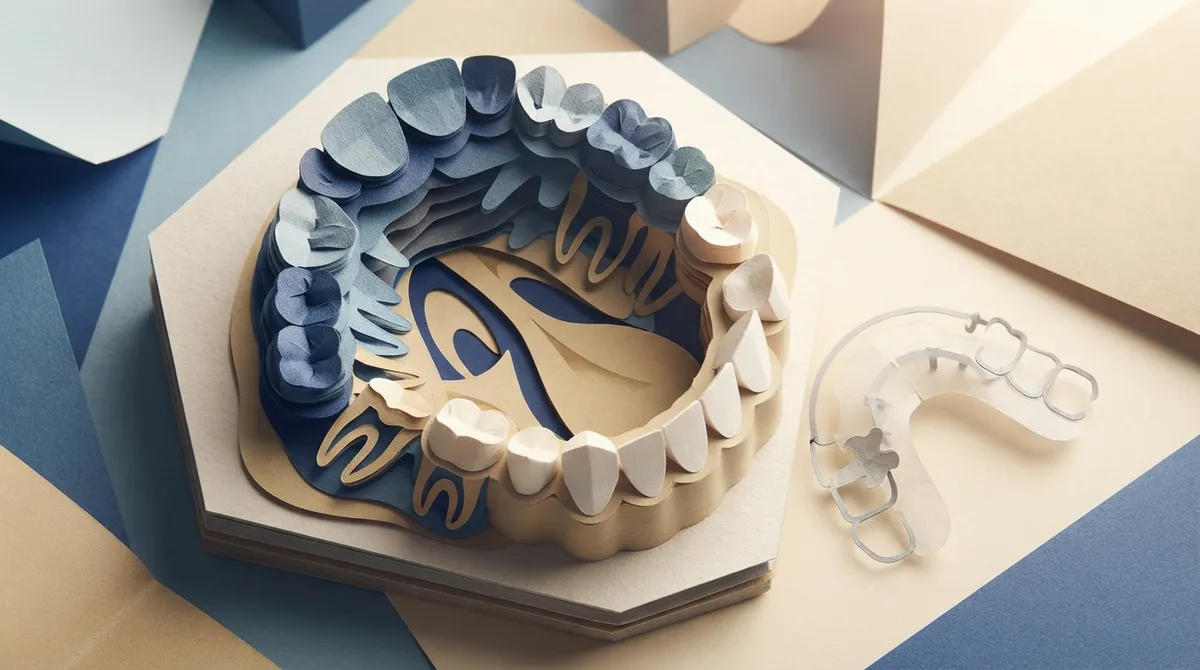
Here is something many patients do not realize: finishing active treatment does not guarantee your teeth stay put forever. Teeth can shift back, sometimes within months of stopping retainer wear. That is why most orthodontic guidelines recommend long-term, and often indefinite, retainer wear. Retainers can be fixed (bonded), removable, or a mix of both depending on your case. Curious what retention looks like day-to-day? Visit our Retainers page for tips and options.
Simple Steps to Prevent Post-Treatment Shifting
- Wear your retainer exactly as instructed, especially the first year
- Never skip nighttime wear even if your teeth “feel” straight
- Bring a spare retainer case with you when traveling
- Replace worn or cracked retainers right away
- Schedule regular checkups even after treatment ends
- Tell your orthodontist immediately if you notice any shifting
If you previously had braces and your smile has since relapsed, you are not alone, and you are not out of options. Many adults come back for retreatment with clear aligners or braces to get their smile back on track.
11. Oral Hygiene Makes or Breaks Your Results
Braces and aligners both create new nooks and crannies where plaque can hide. Poor hygiene during treatment can lead to white spots, cavities, and swollen gums. Simple habits go a long way toward protecting your results.
- Brush with fluoride toothpaste at least twice daily
- Use interdental brushes or floss threaders around brackets
- Rinse aligners with lukewarm water, never hot
- Keep up with regular dental cleanings during treatment
- Avoid sugary drinks that increase cavity risk around appliances
Good hygiene habits protect your investment and keep your gums healthy for the long run, no matter which treatment path you choose.
Why Clearwater Families Choose Brockway Orthodontics
Dr. Brockway brings genuine care to every appointment, taking time to listen to your goals and concerns before recommending a plan. Our Clearwater office uses digital impressions and 3D imaging instead of messy molds, so your visits are more comfortable and your treatment plan is more precise. We also offer same-day treatment starts in certain cases, because we know families are busy and appointments can be hard to juggle. Explore our full range of Services to see everything we offer, from metal braces to ceramic braces to Spark™ Clear Aligners.
Want to see what our patients are saying? You can visit us on Google — Brockway Orthodontics to read real reviews from Clearwater families just like yours. You can also follow along with patient smiles and office updates on Instagram or connect with us on Facebook.
Your Next Step Toward a Straighter Smile
Misaligned teeth do not have to be a permanent part of your story. Whether you need braces, clear aligners, or a combination approach, the right treatment plan starts with a real conversation about your smile goals. Dr. Brockway and our Clearwater team are ready to listen, answer your questions, and build a plan that actually fits your life.
Ready to get started? Book appointment online today and take the first step toward the confident smile you deserve. Have questions first? Feel free to contact us and our friendly team will walk you through your options.
FAQs
Q: What is the best treatment for misaligned teeth?
A: Honestly, it depends on your specific smile! Mild crowding or spacing often responds well to clear aligners, while more complex rotations or bite issues may need traditional braces. The best way to know for sure is a personal exam with Dr. Brockway, who can map out exactly what your teeth need.
Q: Can clear aligners correct severely crooked or crowded teeth?
A: Clear aligners work wonderfully for mild to moderate cases, but severe crowding or rotations often need the extra control that braces provide. Some patients even start with aligners and switch to braces if their case turns out to be trickier than expected. That’s exactly why in-person monitoring matters so much!
Q: How long does it take to correct misaligned teeth with braces or aligners?
A: Treatment time really varies from person to person. Mild cases might wrap up in under a year, while more involved cases can take a couple of years. Sticking to your appointments and wearing your aligners as directed will always help keep things moving along smoothly.
Q: Can adults get orthodontic treatment for misaligned teeth?
A: Absolutely, and we see it every day here in Clearwater! Adults choose everything from ceramic braces to Spark™ Clear Aligners to fix long-standing issues or teeth that have shifted over time. It’s never too late to invest in your smile.
Q: How can I prevent my teeth from shifting after orthodontic treatment?
A: The secret is simple: wear your retainer exactly as instructed, especially during that first year after treatment. Teeth naturally want to drift back over time, so consistent retainer wear is truly your best defense. If your retainer ever cracks or feels off, reach out to your orthodontist right away.
Our Service Area