

Key Takeaways
-
Choose a licensed orthodontic specialist with extra specialty training, not just a general dentist offering aligners, as they have deeper expertise in complex bite correction and tooth movement.
-
Invisalign works best for mild-to-moderate cases like crowding and spacing in non-growing patients; honest providers will recommend braces instead if your case is too complex for aligners.
-
Wear aligners 20-22 hours daily for treatment to work effectively; poor compliance can slow progress and require extra aligners, making regular check-ins with your orthodontist crucial.
-
Commit to wearing retainers after treatment ends to prevent teeth from shifting back, as skipping this step is the most common reason people need retreatment later in life.
Searching for the right Invisalign orthodontist can feel a little overwhelming. There are so many practices out there, and you want to make sure your smile ends up in good hands. The good news? Once you know what to look for, finding a trustworthy provider becomes a lot easier. Whether you’re a parent looking into options for your teen, a busy professional wanting a discreet fix, or an adult ready to correct a smile that shifted after your teenage braces, this guide is for you.
Clear aligners have become one of the most popular ways to straighten teeth, and for good reason. Align Technology reports that Invisalign has treated more than 23 million patients worldwide as of mid-2026. But not every provider offers the same level of care, and not every case is a good fit for aligners. That’s why choosing a skilled, experienced Invisalign orthodontist matters so much. Let’s walk through 11 signs that tell you you’ve found the right one, plus everything you need to know before you start treatment.

1. They Are a Licensed Orthodontic Specialist, Not Just a Dentist Offering Aligners
An Invisalign orthodontist should be a licensed dentist who has completed extra years of specialty training. This training focuses on tooth movement, jaw growth, and bite relationships. General dentists can offer Invisalign too, but they haven’t always had the same depth of training in complex bite correction.
Before you commit, ask about the provider’s credentials. A good practice will happily share this information. You can also check with the American Dental Association to understand the difference between general dentistry and orthodontic specialty care.
2. They Start With a Real, In-Person Exam
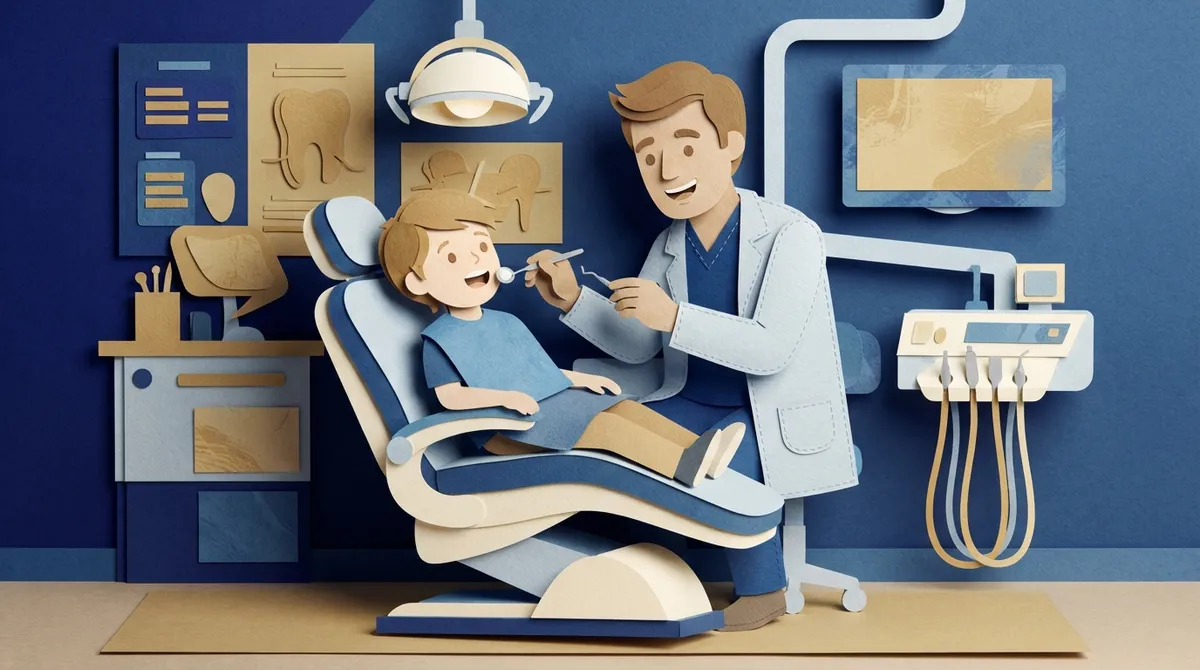
A trustworthy Invisalign orthodontist never relies only on an online quiz or a mail-in kit. Your treatment plan should be based on a full clinical exam, including X-rays, photos, and a hands-on look at your bite. This step matters because it helps catch issues that a simple photo can’t show.
During your first visit, your provider should check your gum health, jaw alignment, and the position of every tooth. This is also the time to ask questions and share your goals for your smile.
3. They Explain All Your Treatment Options
A great orthodontist won’t just push one product. They’ll walk you through the choices available, including traditional metal braces, ceramic braces, and clear aligners. At Brockway Orthodontics, patients in Clearwater can also learn about Spark™ Clear Aligners, a comfortable and more affordable alternative to Invisalign.
Here’s a quick comparison of common options patients consider:
| Treatment | Best For | Visibility | Typical Care Level |
|---|---|---|---|
| Metal Braces | Complex bite issues, kids and teens | Most visible | Fixed, no compliance needed |
| Ceramic Braces | Teens and adults wanting a subtle look | Less visible | Fixed, no compliance needed |
| Invisalign / Spark Aligners | Mild-to-moderate crowding, spacing, relapse | Nearly invisible | Removable, requires discipline |
4. They Are Honest About Who Is (and Isn’t) a Good Candidate
Clear aligners work wonderfully for many people, but they aren’t right for every case. A good Invisalign orthodontist will tell you the truth, even if it means recommending braces instead.
Research backs this up. A systematic review found consistent evidence that Invisalign works well for mild-to-moderate malocclusions in non-growing patients when extractions aren’t needed. But evidence is weaker for large bite discrepancies, bodily tooth movement, and some difficult rotations (Papadimitriou et al., 2018).
- Mild-to-moderate crowding
- Spacing between teeth
- Relapse after previous orthodontic treatment
- Certain bite problems in non-growing patients
5. They Use Modern Technology to Plan Your Smile
Technology has changed orthodontics for the better. Digital scanners replace messy molds, and 3D imaging lets your orthodontist map out your entire treatment before you even get your first aligner.
At Brockway Orthodontics, we use advanced digital tools to plan every case with precision. This means fewer surprises and a more comfortable experience from your very first appointment.
6. They Offer Flexible, Same-Day Options When Life Gets Busy
Busy parents and working professionals don’t always have time for multiple visits before starting treatment. Some practices, including ours, can offer same-day starts in certain cases. This makes it easier to fit orthodontic care into a packed schedule.
If your calendar is tight, ask your provider whether same-day treatment is available for your situation.
7. They Track Your Progress With Regular Check-Ins
Invisalign treatment isn’t a “set it and forget it” process. Your orthodontist should schedule regular visits to check how your teeth are moving and make adjustments if needed.
Here’s a simple breakdown of what typical monitoring looks like:
- Initial exam and treatment planning
- Aligner fitting and instructions
- Follow-up visits every 6 to 10 weeks
- Progress checks and possible refinements
- Final review before moving to retainers
8. They Talk About Compliance and What Happens If You Skip Wear Time
Aligners only work if you wear them. Most orthodontists recommend 20 to 22 hours a day. Skipping wear time can slow your treatment or require extra aligners to finish the job.
A good provider will explain this clearly and check in on your progress. If you’re a parent of a teen starting aligners, this conversation is especially important, since compliance can be tougher for younger patients balancing school and social life.
9. They Set Realistic Expectations About Treatment Time
Treatment length depends on your case. A 2017 retrospective study found that Invisalign patients completed treatment about 5.7 months faster than braces patients in mild-to-moderate cases, though braces sometimes achieved slightly better results in the most complex cases. Meanwhile, a 2024 study on open-bite correction reported an average treatment time of about 18 months and 24 to 25 aligner sets, though this applies to that specific case type, not everyone.
Your orthodontist should give you a personalized estimate based on your teeth, not a generic number pulled from an ad.
10. They Are Upfront About Cost and Insurance
Cost is a big factor for most families. A trustworthy Invisalign orthodontist will walk you through pricing, payment plans, and whether your dental insurance covers part of the treatment.
Here’s a general look at what shapes the total cost:
- Complexity of your bite issue
- Number of aligners needed
- Length of treatment
- Whether attachments or refinements are required
- Your specific insurance plan
Learn more about your payment options through our financing and insurance page, which breaks down what to expect before you start.
11. They Plan for Retention After Treatment Ends
Finishing treatment is exciting, but it’s not the finish line. Retainers keep your teeth from drifting back to where they started. A responsible orthodontist will fit you for retainers and explain how often to wear them.
This step matters for everyone, but especially for our relapse patients who are treating shifted teeth for a second time. Skipping retainers is one of the most common reasons people need retreatment later in life.
Why Families in Clearwater Trust Dr. Brockway
Dr. Brockway has built her practice around genuine care for every patient who walks through the door. She takes time to listen to your goals, answer your questions, and create a plan that fits your life. You can learn more about her approach on our Meet Dr. Brockway page.
Our team also offers full orthodontic services for every age group, from early childhood treatment to adult orthodontics. Whether you’re exploring traditional braces or clear aligners, we walk you through every step so you always know what’s happening with your smile.
What to Ask During Your Invisalign Consultation
Walking into your consultation prepared helps you get the most out of your visit. Consider bringing a short list of questions, such as:
- Am I a good candidate for clear aligners?
- How many aligners will I likely need?
- What happens if I don’t wear my aligners enough?
- How much will treatment cost with my insurance?
- What does the retention plan look like after treatment?
For more guidance, check out the Florida Association of Orthodontists, which offers helpful resources for patients researching orthodontic care across the state.
Real Patients, Real Results
Nothing beats hearing from people who have already gone through the process. Many of our patients share their experiences online, and we’d love for you to see what they say. You can also connect with us and see behind-the-scenes moments on Instagram and Facebook, or check our professional updates on LinkedIn.
If you want to see what real Clearwater patients say about their experience, visit us on Google — Brockway Orthodontics to read reviews from families just like yours.
Ready to Start Your Smile Journey?
Finding the right Invisalign orthodontist doesn’t have to be stressful. With Dr. Brockway’s warm, experienced approach and a team that genuinely cares about your comfort, Brockway Orthodontics is proud to be a trusted choice for families across Clearwater, Florida. Whether you’re considering Invisalign, Spark™ Clear Aligners, or traditional braces, we’re here to guide you with honesty and heart every step of the way.
Ready to see what a personalized treatment plan could look like for you or your child? Book your free consultation online today, or reach out to our friendly team with any questions. Your best smile is closer than you think!
FAQs
Q: What does an Invisalign orthodontist do?
A: An Invisalign orthodontist examines your teeth and bite, decides if clear aligners are right for you, and creates a custom treatment plan. They also monitor your progress with regular visits and provide retainers once treatment is complete. Think of them as your smile’s personal guide from start to finish!
Q: Should I choose an orthodontist or a general dentist for Invisalign?
A: Both can offer Invisalign, but orthodontists complete extra years of specialty training focused on tooth movement and bite correction. For simple cases, a general dentist may work fine, but for anything more complex, an orthodontic specialist like Dr. Brockway is a safer bet. It never hurts to ask about experience before you decide!
Q: Am I a good candidate for Invisalign clear aligners?
A: Many people with mild-to-moderate crowding, spacing, or relapse after old braces make great candidates. Severe bite problems may need braces or additional tools instead. The best way to know for sure is with a friendly, in-person exam at a trusted practice.
Q: How long does Invisalign treatment take?
A: It really depends on your case! Some patients finish in under a year, while more complex cases can take 18 months or longer. Your orthodontist will give you a personalized timeline after your first exam, so you know exactly what to expect.
Q: Do I need retainers after Invisalign treatment?
A: Yes, retainers are a must after any orthodontic treatment, including Invisalign. They keep your teeth from shifting back to their old positions. Skipping retainers is one of the biggest reasons people end up needing treatment again later.
Our Service Area