Key Takeaways
-
Retainer wear is the main factor in keeping braces or aligner results stable, so teens should follow their orthodontist's exact schedule rather than cutting back early.
-
Teeth can start shifting within weeks of missed wear, and the lower front teeth are often first; a retainer that suddenly feels tight is a sign of movement.
-
Always store the retainer in its case when it is out of the mouth, since wrapping it in a napkin is one of the most common causes of lost retainers.
-
Clean retainers daily with cool water and a soft toothbrush; hot water can warp plastic, and skipping cleaning lets plaque and bacteria build up.
-
Never force a tight, cracked, or painful retainer into place; stop wearing it and contact the orthodontist to address fit problems early.
-
Tie nightly retainer wear to an existing habit like brushing teeth, and keep a spare case in a backpack or gym bag for easy access.
Getting braces off or finishing your last aligner tray feels amazing. The photos are posted, the smile looks great, and everyone is celebrating. Then comes the part nobody warns you about: the retainer. Strong retainer routines for teenagers are what keep that new smile in place, and the habits a teen builds in the first few months often decide how well the results last.
The good news? Retainer care is not hard. It just needs a simple plan, a little repetition, and a parent or two cheering from the sidelines. Most problems come from a handful of small mistakes that are easy to fix once you spot them.
In this friendly guide, we walk through why teeth shift, what a healthy retainer routine looks like, and five common mistakes teens make. We also share quick fixes you can start tonight. Whether you are a teen, a parent, or a young adult who wants a refresher, you will find practical steps you can use right away.
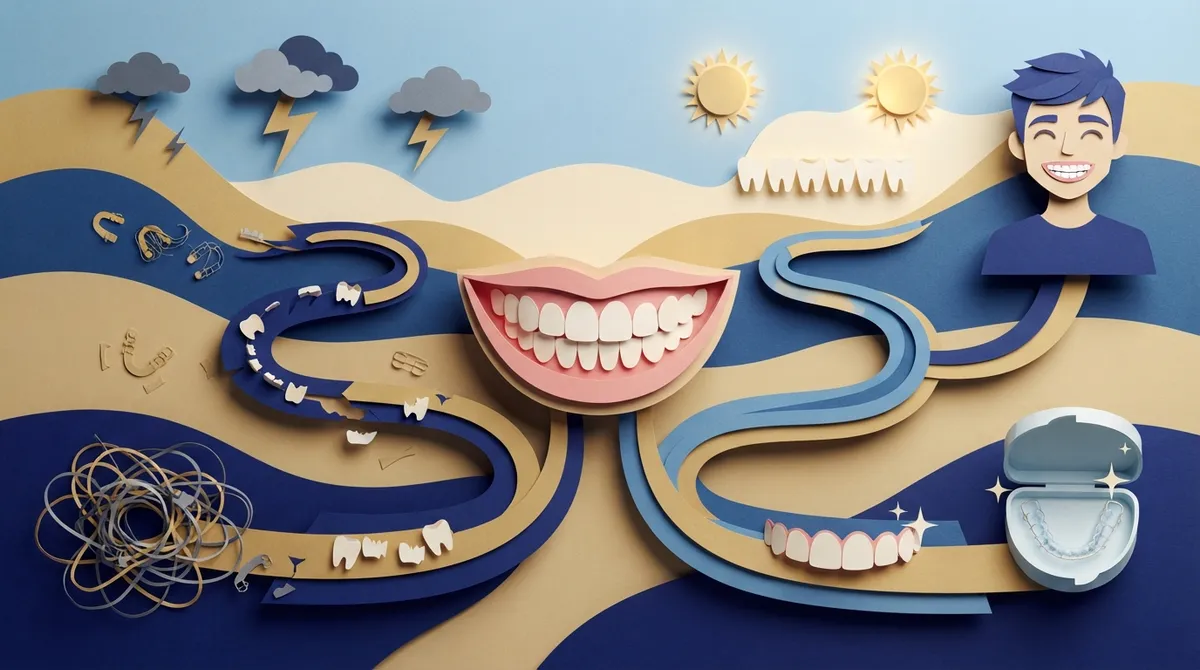
Why Retainer Routines Matter So Much
Think of your teeth like a freshly planted row of flowers. They are in the right spot now, but the soil around them is still settling. After braces or aligners, the bone and gum tissue around your teeth need time to adapt to the new positions. A retainer holds everything steady while that happens.
Without retention, teeth can drift back toward where they started. Natural changes in the mouth also continue as we get older, so the need for support does not simply switch off after a year. That is why many orthodontic providers recommend long-term, often indefinite, night-time wear.
If you want a deeper look at how this works, our guide on how orthodontic retainers work to keep teeth straight explains the science in plain language.
What the Research Says (and Does Not Say)
Here is something honest: researchers have not found one best retainer type or one perfect wear schedule for every patient. A 2023 Cochrane review looked at 47 studies with 4,377 adults and children. It found the evidence comparing retention approaches was low to very low certainty, so no firm winner emerged.
What does that mean for your family? It means your own orthodontist’s instructions matter more than any general rule you read online. Your teen’s case, appliance, and habits all shape the right plan.

What a Healthy Teen Retainer Routine Looks Like
Every plan is personalized, but most healthy routines share the same building blocks. Use this as a friendly framework, then follow the exact instructions your orthodontist gives you.
- Wear it as directed. Common plans start with full-time wear, then move to night-time wear. Some start with night-time wear right away.
- Take it out for meals. Removable retainers usually come out for eating and for any drink other than water, unless your orthodontist says otherwise.
- Clean it daily. A soft toothbrush and cool water work for many plastic retainers. Follow your orthodontist’s advice about soap or toothpaste.
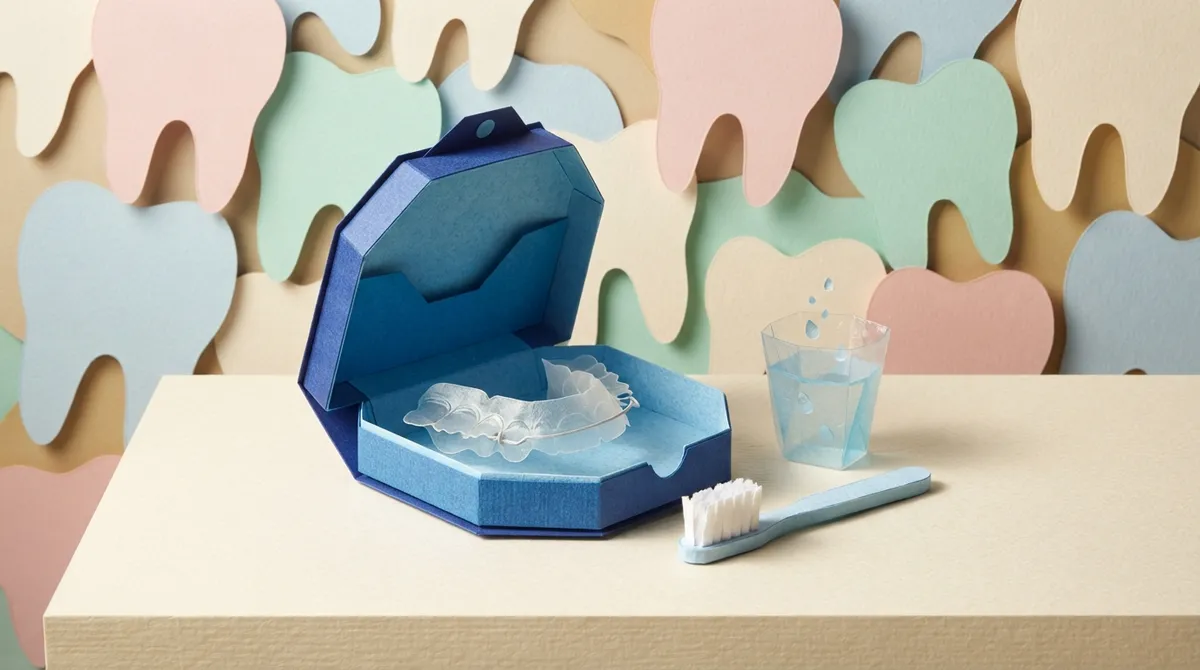
- Store it in its case. Whenever it is not in your mouth, it belongs in the protective case.
- Keep your check-ups. Regular visits help catch small fit problems early.
Notice what is missing from that list? Complicated gadgets and expensive extras. A good routine is simple enough to repeat half-asleep, which is exactly when most teens put their retainers in.
A Sample Daily Rhythm
Here is how a typical school-day routine might flow for a teen on a night-time plan:
- Morning: Remove the retainer, rinse it in cool water, and brush it gently. Put it in the case right away.
- After school: Check that the case is still in the backpack or on the desk. Do not wrap it in a napkin.
- Evening: Brush and floss teeth, then pop the retainer in before bed.
- Weekly: Give the case a quick wash and look over the retainer for cracks or wear.
Once it becomes as automatic as brushing, you hardly think about it. That is the goal.
Mistake 1: Treating the Retainer Like It Is Optional
This is the big one, and it is completely understandable. The braces are off, the teeth look straight, and a few skipped nights seem harmless. Then a few nights become a few weeks.
Teeth can start to move sooner than most teens expect. The lower front teeth are often the first to shift. If your teen’s retainer suddenly feels very tight after a break from wearing it, that is a sign teeth have moved a little. Our article on why bottom teeth shift most without a retainer shows why this area needs extra attention.
The Fix
- Tie retainer time to something your teen already does every night, like brushing teeth or plugging in a phone.
- Keep the case on the bathroom counter or nightstand, not buried in a drawer.
- Do not reduce wear time or stop wearing the retainer without checking with your orthodontist first.
For parents, a gentle check-in works better than nagging. A simple "Retainer in?" at bedtime for the first couple of months can make all the difference. For more ideas, see how parents can help kids build appliance care habits.
Mistake 2: Wrapping the Retainer in a Napkin
Ask any orthodontist about the most common reason retainers get replaced, and you will hear the same story: it was wrapped in a napkin on a lunch tray and thrown out by accident. Cafeterias, restaurants, and sports banquets are retainer graveyards.
Loose retainers also get sat on, stepped on, and chewed by family pets. Dogs seem to find them irresistible. A retainer left on a bed or couch is at real risk.
The Fix
- Always put the retainer in its protective case when it is out of your mouth.
- Pick a bright, easy-to-spot case color so it does not blend into a backpack.
- Keep the case out of reach of pets and young siblings.
- If you are heading out of town, our tips on retainer care mistakes to avoid while traveling can save you a headache.
If a retainer does go missing, do not panic. Call your orthodontist quickly. Here is a helpful walkthrough: I Lost My Retainer: What to Do Next.
Mistake 3: Using Hot Water or Skipping the Clean
Hot water feels like the obvious way to get a retainer clean. But heat can bend and warp plastic, and a warped retainer will not fit the way it should. Even a small change in shape can make it less useful.
On the other side, some teens skip cleaning altogether. A retainer sits in a warm, moist mouth all night, so it collects plaque and bacteria just like teeth do. Over time, it can look cloudy or start to smell.
The Fix
- Use cool water and a soft toothbrush every day.
- Follow your orthodontist’s advice on soap or toothpaste, because the best choice can vary by retainer type.
- Never boil a retainer, run it through the dishwasher, or leave it in a hot car.
- Rinse it any time you take it out.
We have written more on this topic in why hot water can warp retainers and how to clean safely, plus a simple guide to caring for your dental retainer the right way.
Mistake 4: Eating or Drinking With a Removable Retainer In
It is tempting to leave the retainer in for a quick snack or a sports drink. But food gets trapped against the teeth, sugary drinks can sit on the surface, and chewing can crack or bend the plastic. Unless your orthodontist has told you otherwise, water is generally the only drink that should go with a removable retainer.
The same goes for gum, hot drinks, and anything crunchy. A cracked retainer may not fit well, and a poorly fitting one is not doing its job.
The Fix
- Make it a habit: eat first, then brush, then retainer in.
- Keep a spare case in a sports bag or backpack so there is always a safe spot.
- If a game day snack cannot wait, take the retainer out first, then put it right back in the case.
Mistake 5: Forcing a Tight or Cracked Retainer Back In
This one is a real worry for parents. A teen forgets the retainer for a week, then finds it feels very snug. The instinct is to push harder so it clicks back into place. Please do not do this.
Forcing a retainer that does not seat fully can cause pain, damage the appliance, or put uneven pressure on the teeth. The same goes for a retainer that is cracked or causes discomfort. It is always better to stop and call.
Our article on why you should not force an ill-fitting retainer goes into more detail, and why does my retainer feel tight all of a sudden can help you understand what is going on.
The Fix
- If the retainer does not seat fully, do not force it.
- Stop wearing a cracked or painful retainer and contact your orthodontist.
- Early attention can help address a fit problem before teeth move further.
Fixed vs. Removable: Different Retainers, Different Routines
Not every teen wears the same type of retainer. Some have a removable clear or wire retainer, while others have a thin wire bonded behind the front teeth. Many have a combination. The routine changes a little depending on the type.
| Retainer Type | Daily Routine | Watch Out For |
|---|---|---|
| Clear plastic (removable) | Wear as directed, usually nights; clean with cool water and a soft brush | Hot water, cracks, loss, pets |
| Wire and acrylic (removable) | Wear as directed; remove for meals; store in case | Bent wires, tight fit after missed wear |
| Fixed bonded wire | Brush and floss carefully around it; keep regular check-ups | Loose or broken wire, plaque buildup, hard foods |
A fixed retainer is always working, so it does not rely on remembering a nightly habit. But it can still break or come loose. A 2023 systematic review and meta-analysis estimated an overall failure rate of about 35% for fixed bonded retainers, with roughly 25% in the first 12 months. Rates varied with study methods and follow-up time.
The takeaway is that fixed retainers are helpful but not set-and-forget. A loose or broken one can allow unwanted tooth movement and should be checked promptly. You can compare the two styles in Fixed vs. Removable Retainers: Which One Wins? and learn how to care for a bonded wire in Fixed Bonded Retainer: Keep Your Smile Straight for Life.
Is One Type Better for Teens?
Here is where the research is humble. One study in the Cochrane review found slightly more lower-arch irregularity with part-time clear retainers than with fixed retainers, a difference of about 0.92 mm across 56 participants. The review noted that this difference may not be clinically important.
So the best choice often comes down to the individual teen. A fixed retainer may suit a teen who tends to forget things. A removable one may suit a teen who flosses well and likes the flexibility. Your orthodontist can help weigh these factors.
Building Habits That Stick (for Teens and Parents)
Teens have busy lives. School, sports, friends, social media, and sleep all compete for attention. The best retainer routines work with that reality, not against it.
Tips for Teens
- Set a phone alarm for the first few weeks as a bedtime retainer reminder.
- Keep a spare case in your gym bag, backpack, and bedroom.
- Take a quick photo of your smile once a month. Seeing it stay the same is great motivation.
- Ask questions at your visits. The list in 12 Questions Teens Should Ask Their Orthodontist is a good place to start.
Tips for Parents
- Praise the habit, not just the smile. "Nice job remembering your retainer" goes a long way.
- Keep a backup plan. Know who to call and where to go if something breaks.
- Build retainer costs into your family budget. Replacements are easier to handle when you have planned ahead, and our guide on how to budget for retainer price after braces can help.
- Keep up with orthodontic visits. They are not just for braces. See why orthodontic checkups matter so much.
Why Retainer Schedules Look Different for Every Teen
You might hear that a friend only wears a retainer a few nights a week, while your teen wears theirs every night. That is not necessarily a mistake. Treatment type, starting bite, age, how long braces were worn, and the retainer itself all play a role.
There is no single wear schedule suitable for every teenager. Your orthodontist should give instructions based on your teen’s case. For a closer look at the reasons behind these differences, read why retainer schedules differ between patients.
At Brockway Orthodontics in Clearwater, Dr. Brockway takes the time to explain the plan in a friendly, easy-to-understand way. She wants every teen and parent to know exactly what to expect, including how long to wear the retainer, when to call, and what to do if something goes wrong. If you would like to see what other families say, you can visit us on Google — Brockway Orthodontics and read patient reviews.
When to Call the Orthodontist
Small problems are easier to fix when they are caught early. Reach out to your orthodontist if you notice any of these signs:
- The retainer feels unusually tight or does not seat fully.
- The retainer is cracked, bent, or has a rough edge.
- A fixed retainer feels loose, or you can feel a wire poking out.
- Teeth look like they are moving, overlapping, or leaving new gaps.
- The retainer causes pain, sores, or gum irritation.
- The retainer is lost or broken.
Teeth may also shift more than a teen realizes, so it helps to know the early clues. Our guide on orthodontic relapse warning signs lists what to watch for.
A Quick Look at Retainers for Teen Aligner Patients
Teens who finish clear aligners need retainers too. Many families are surprised by this, since aligners already feel like a removable appliance. The finish line is not the end of treatment. It is the start of retention. If your teen used aligners, why do you still need retainers after Invisalign explains why the same principles apply.
Your Smile Is Worth the Few Minutes a Day
A great retainer routine for a teenager comes down to five simple things: wear it as directed, keep it clean with cool water, store it in its case, never force a tight fit, and keep up with check-ups. Mistakes happen, and every orthodontist has seen them all, so there is no need for guilt. What matters is catching problems early and getting back on track.
If your teen is nearing the end of treatment, or if a retainer has gone missing, cracked, or started to feel different, we would love to help. Book an appointment online or contact us to talk with the Brockway Orthodontics team about a retainer plan that fits your teen’s life. For general oral health guidance, the American Dental Association is a helpful resource, and the Florida Association of Orthodontists offers more information about orthodontic care in our state.
FAQs
Q: How many hours a day should a teenager wear a retainer after braces?
A: It depends on your teen’s case, so the best answer comes from your orthodontist. Common plans start with full-time wear and then move to night-time wear, while others begin with night-time wear right away. Always follow the exact schedule you were given.
Q: Do teenagers need to wear retainers every night for life?
A: Many orthodontic services recommend long-term, often indefinite, part-time or night-time wear to help keep teeth aligned. Natural changes in the mouth continue over time, so teens should not cut back or stop without checking with their orthodontist first.
Q: What should I do if my teen forgets to wear their retainer?
A: Don’t worry, it happens to everyone! Get back to the routine right away, but if the retainer feels very tight or won’t seat fully, do not force it. Call your orthodontist so they can check the fit before teeth move further.
Q: How should a teenager clean a clear plastic retainer?
A: Use a soft toothbrush and cool water, sometimes with a little liquid soap, and clean it every day. Skip hot water because it can warp the plastic, and ask your orthodontist whether toothpaste is okay for your specific retainer.
Q: Can you eat or drink while wearing a retainer?
A: For most removable retainers, the answer is no. Take it out for meals and for any drink other than water, unless your orthodontist says differently, and keep it safe in its case until you are done.
Our Service Area