

Key Takeaways
-
Surgical orthodontics fixes the jawbone itself (skeletal problems), not just teeth alignment—it’s necessary for severe cases like underbites, open bites, or facial asymmetry that regular braces cannot correct.
-
The complete treatment takes 2-3 years total: 12-18 months of pre-surgical braces, jaw surgery, then 6-12 months of post-surgical braces to fine-tune the bite after healing.
-
Jaw surgery should only be performed after growth is complete (around age 16 for girls, 18 for boys), as early surgery risks complications from continued jaw development.
-
Both medical and dental insurance may partially cover surgical orthodontics since it addresses functional jaw issues—review your specific plan early to understand financing options.
If your bite feels off no matter how many braces you’ve tried, surgical orthodontics might be the missing piece. It sounds intimidating, we know. But this treatment has helped thousands of people fix jaw problems that regular braces just can’t touch. At Brockway Orthodontics, we’ve guided many Clearwater, Florida families through this exact journey, and we want you to feel just as confident. This guide breaks down everything in plain, friendly language. No confusing dental jargon, we promise. Let’s walk through the 11 things you really need to know about surgical orthodontics.
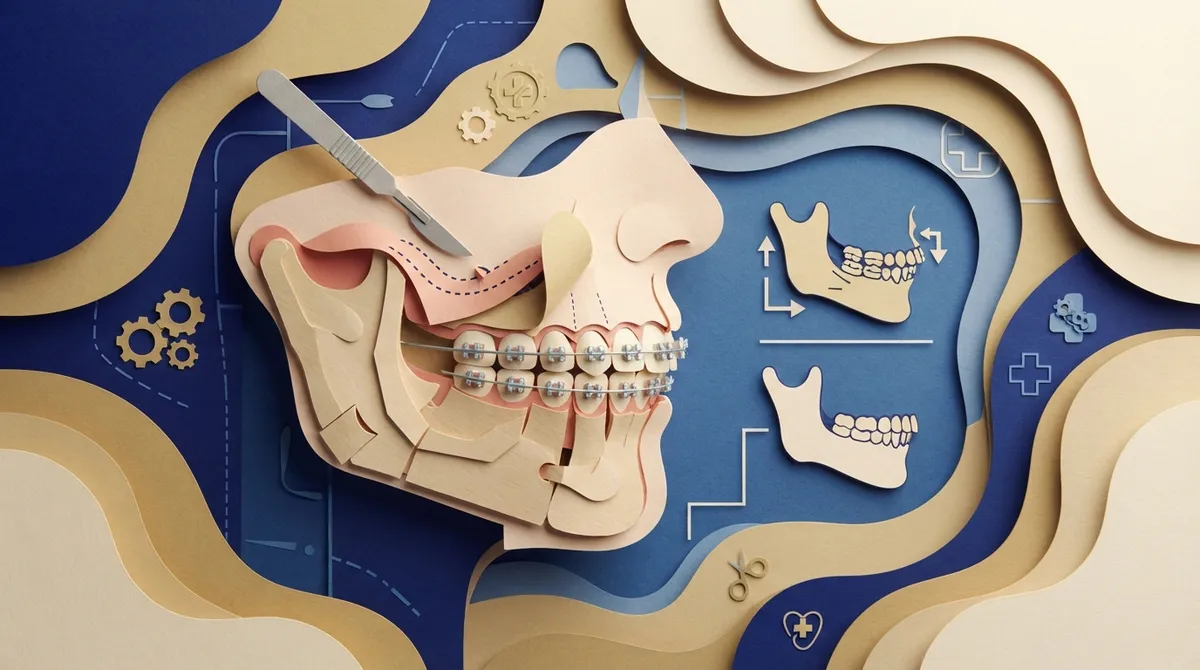
1. What Surgical Orthodontics Actually Means
Surgical orthodontics is also called orthognathic surgery. It combines braces with jaw surgery to fix problems that live deep in the bone, not just the teeth. This treatment corrects issues with chewing, speaking, breathing, and how your face looks overall. It’s a bigger step than typical braces treatment, but for the right patient, it’s life-changing.

2. Skeletal Problems vs. Tooth Problems
Here’s the key difference people often miss. Regular orthodontic care fixes teeth that are crooked or crowded. Surgical orthodontics fixes the jaw itself when it’s positioned wrong. Think of it this way: braces move teeth within the jawbone, but surgery repositions the jawbone. If your bite issue comes from how your upper and lower jaw meet, that’s a skeletal problem, and it usually needs surgical help.
3. Who Actually Needs This Treatment
Not everyone with a bad bite needs surgery. This treatment is generally reserved for specific, more severe cases. Here are the most common reasons someone might need surgical orthodontics:
- Severe overbite that braces alone cannot correct
- Significant underbite affecting chewing and speech
- Open bite where front teeth don’t touch when the mouth is closed
- Facial asymmetry caused by uneven jaw growth
- Jaw discrepancies that impact breathing, including sleep issues
- Chronic jaw pain linked to bite misalignment
4. The Age Factor Matters a Lot
Timing is everything with surgical orthodontics. This treatment is meant for patients whose jaws have finished growing. Girls typically finish jaw growth around age 16, and boys around age 18. That’s why orthognathic surgery is usually done in the late teens to early twenties. Trying to do jaw surgery before growth is complete can lead to problems down the road, since the jaw could keep changing shape afterward.
5. Braces Come Before AND After Surgery
This surprises a lot of people. You don’t just show up for surgery and walk away with a perfect smile. Braces play a huge role both before and after the operation. Here’s why: moving the jaw changes how your teeth line up. So orthodontists use braces first to align teeth properly for surgery, then again afterward to fine-tune the bite once the jaw has healed.
6. The Full Treatment Timeline, Step by Step
Surgical orthodontics isn’t a one-visit fix. It’s a structured, multi-phase journey. Here’s what the process typically looks like:
- Initial evaluation and consultation with your orthodontist and oral surgeon
- Pre-surgical orthodontics using braces to align teeth (usually 12 to 18 months)
- Detailed surgical planning, including imaging and models
- The surgery itself, performed by an oral and maxillofacial surgeon
- Healing and recovery period
- Post-surgical orthodontics to fine-tune the bite (usually 6 to 12 months)
- Retention phase with a retainer to keep everything stable
7. How Long Does the Whole Thing Take?
Patience really pays off here. Most patients spend a total of 2 to 3 years in surgical orthodontic treatment. That includes the pre-surgical braces phase, the surgery and healing time, and the post-surgical adjustment period. It sounds long, but remember, you’re correcting something that took years to develop. Many clinics report that braces typically come off within 6 to 12 months after surgery, once the bite has settled nicely.
Treatment Timeline at a Glance
| Phase | Typical Duration | What Happens |
|---|---|---|
| Pre-surgical orthodontics | 12–18 months | Braces align teeth in preparation for surgery |
| Surgery | 1 day (plus hospital stay) | Oral surgeon repositions the jaw |
| Initial recovery | 2–6 weeks | Swelling reduces, soft diet, rest |
| Post-surgical orthodontics | 6–12 months | Braces fine-tune the bite |
| Retention | Ongoing | Retainers maintain the new alignment |
8. What Recovery Really Feels Like
Recovery is a real commitment, but it’s very manageable with the right support. Most patients take one to three weeks off work or school for the initial healing. Swelling and some discomfort are normal in the first few days. Here are some tips that help recovery go smoothly:
- Stick to soft or liquid foods for the first couple of weeks
- Use cold compresses to manage swelling
- Sleep with your head elevated to reduce puffiness
- Follow your surgeon’s instructions on oral hygiene closely
- Attend all follow-up appointments so your orthodontist can track healing
- Avoid strenuous exercise until you’re cleared by your surgical team
9. Does Surgical Orthodontics Really Speed Things Up?
There’s actually research on this. A Cochrane review looked at surgically assisted orthodontic techniques and found they moved teeth about 0.61 mm more after one month, and 2.03 mm more after three months, compared to regular orthodontic treatment. That said, the review also pointed out these techniques can carry extra risks compared to standard care. This is a good reminder that surgical orthodontics is a serious medical decision, best made with a trusted orthodontist guiding you.
10. Weighing the Risks and Benefits
Like any surgery, orthognathic surgery has both upsides and things to consider carefully. Here’s a simple breakdown:
| Benefits | Risks and Considerations |
|---|---|
| Corrects severe bite problems braces can’t fix alone | Requires surgery under anesthesia |
| Improves chewing, speaking, and breathing | Recovery time of several weeks |
| Can improve facial balance and confidence | Swelling and temporary discomfort |
| Long-term stability for the bite | Total treatment can take 2–3 years |
| May reduce jaw pain and headaches | Costs may require insurance coordination |
11. Insurance, Costs, and Finding the Right Team
Many patients wonder if insurance helps cover surgical orthodontics. Because it addresses a functional jaw problem, medical insurance sometimes covers part of the surgical portion, while dental insurance may help with the orthodontic braces phase. Every plan is different, so it helps to review your financing and insurance options early in the process. Choosing the right orthodontic team matters just as much as the treatment plan itself. You want a provider who communicates clearly, coordinates well with your oral surgeon, and makes you feel supported the whole way through.
Why Location and Expertise Both Matter
Surgical orthodontics involves teamwork between your orthodontist and an oral surgeon. That’s why having a trusted, experienced orthodontist in your corner makes such a big difference. Dr. Brockway takes time to listen to every patient’s concerns and goals, making sure you feel informed at each step. Our Clearwater practice uses modern orthodontic services, including digital imaging, to plan treatment with precision and comfort in mind.
For patients who don’t need full jaw surgery, we also offer Spark™ Clear Aligners and traditional braces to correct less severe bite and alignment issues. During your first visit, we’ll evaluate your jaw and teeth together to determine which path fits your needs best. According to the American Dental Association, working with a coordinated care team improves outcomes for complex bite corrections. The Florida Association of Orthodontists also emphasizes the importance of proper evaluation before committing to surgical treatment.
Common Signs You Might Need an Evaluation
Wondering if surgical orthodontics could apply to you? Consider these common signs:
- Your bite doesn’t improve much even after wearing braces
- You struggle to bite or chew certain foods comfortably
- Your jaw appears noticeably uneven or asymmetrical
- You experience chronic jaw pain, clicking, or headaches
- A dentist or orthodontist has mentioned a skeletal bite issue
If any of these sound familiar, it’s worth scheduling a consultation. Our team can also treat family members of all ages, from adolescents to adults exploring options later in life. We serve patients throughout Clearwater and the surrounding Pinellas County area, and we’d love to help you feel good about your smile again.
Ready to Take the Next Step?
Surgical orthodontics can feel like a big decision, but you don’t have to figure it out alone. Our team at Brockway Orthodontics is here to answer your questions with warmth and honesty, every step of the way. See what our Clearwater patients say for themselves by checking out Brockway Orthodontics on Google. You can also follow along for smile updates and patient stories on Instagram and Facebook.
If you think surgical orthodontics might be right for you or your family, don’t wait to get answers. Book your appointment online today, or feel free to contact our friendly Clearwater team with any questions. We can’t wait to help you feel confident about your smile and your health.
FAQs
Q: What is surgical orthodontics?
A: Surgical orthodontics, also called orthognathic surgery, combines braces with jaw surgery to fix skeletal bite problems. It’s used when the jaw itself, not just the teeth, is causing issues with chewing, speaking, or facial balance.
Q: Who is a good candidate for orthognathic surgery?
A: Great candidates are usually adults whose jaw growth is complete, typically after age 16 for girls and 18 for boys. If you have a severe overbite, underbite, open bite, or facial asymmetry that braces alone can’t fix, you may be a candidate.
Q: How long does surgical orthodontic treatment take?
A: The whole journey usually takes about 2 to 3 years. That includes 12 to 18 months of braces before surgery, the procedure itself, and another 6 to 12 months of braces afterward to perfect your bite.
Q: What is recovery like after jaw surgery?
A: Most people take one to three weeks off to heal, with swelling and soft foods being part of the process. Following your surgeon’s instructions closely helps you bounce back faster and more comfortably.
Q: Does insurance cover surgical orthodontics?
A: Sometimes! Medical insurance may help cover the surgical part since it addresses a functional jaw issue, while dental insurance can assist with the braces portion. We’re happy to help you sort out your specific coverage during your visit.
Our Service Area