
Key Takeaways
-
Brush for a full two minutes after meals and before bed using soft-bristled fluoride toothpaste, angling your brush at 45 degrees to clean above and below brackets with gentle circular motions.
-
Floss daily using a floss threader to slide under the archwire, gently cleaning between teeth and along the gumline to remove plaque that a toothbrush cannot reach.
-
Use interdental brushes (small pipe cleaner-like tools) daily to clean around brackets and under the wire where regular bristles cannot access trapped food and plaque.
-
Spit out toothpaste after brushing instead of rinsing with water to allow fluoride to remain on your teeth longer for better enamel protection against decay.
-
Pay special attention to the gumline and area under the archwire where plaque hides and gum problems begin, spending extra seconds on frequently missed spots.
-
Maintain professional dental cleanings every six months (or as advised) separate from orthodontic appointments, as they remove stubborn buildup and catch problems early.
Let’s be honest: nobody wakes up excited to floss around metal brackets. But here’s the good news. A few small habits can keep your teeth clean, your gums calm, and your smile ready for the big reveal when your braces come off.
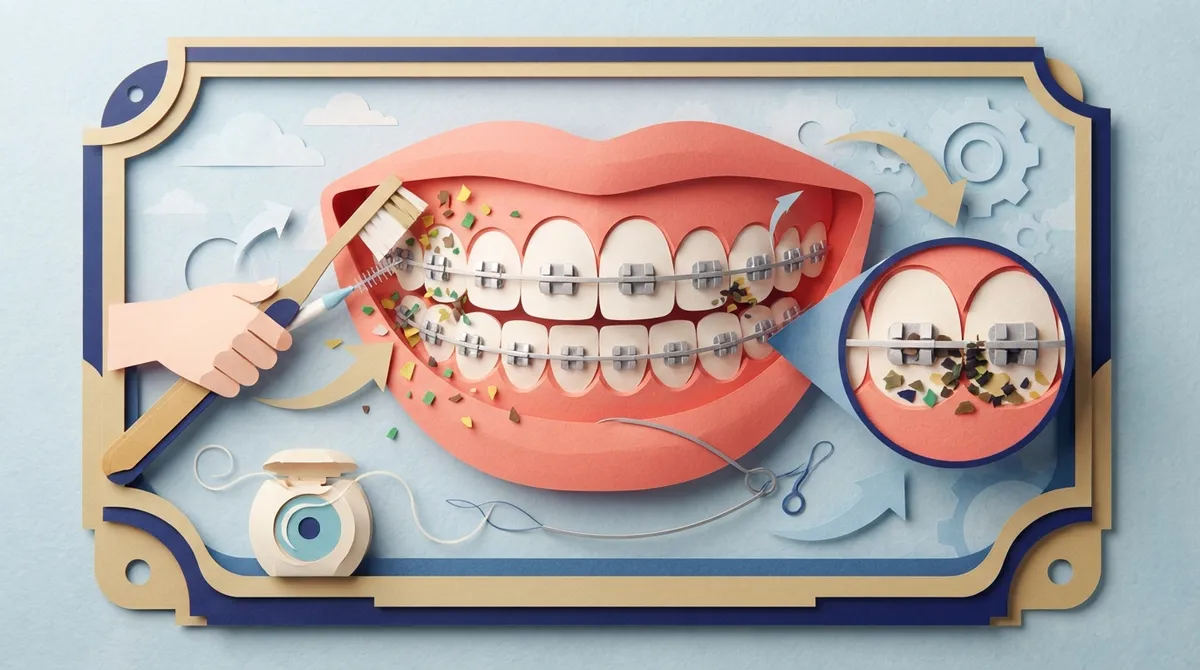
Braces are amazing at moving teeth. They are also great at trapping plaque and food. Brackets and wires create lots of little hiding spots, so a quick brush just doesn’t cut it anymore. Skip the details, and you could end up with cavities, puffy gums, bad breath, or even white marks on your enamel.
This friendly guide covers how to properly clean your teeth with braces, step by step. Whether you’re a parent helping a child, a teen juggling school and sports, or an adult with a busy work schedule, these 11 tips will help. At Brockway Orthodontics, we love seeing patients finish treatment with healthy, sparkling smiles. Let’s get you there.
Why Cleaning Matters More With Braces
Think of your braces like a tiny obstacle course for your toothbrush. Food gets stuck, plaque builds up fast, and it can be hard to reach every surface. When plaque sits on your teeth, it can lead to trouble.
Here’s what good cleaning helps you avoid:
- Cavities: Plaque produces acid that wears down enamel.
- Gum inflammation: Red, swollen, or bleeding gums are a common braces problem.
- Bad breath: Trapped food particles can cause odor.
- White spots (decalcification): These marks can stay on your teeth after braces are removed.
The good news is that a steady routine works wonders. Let’s walk through it.
1. Start With the Right Toothbrush
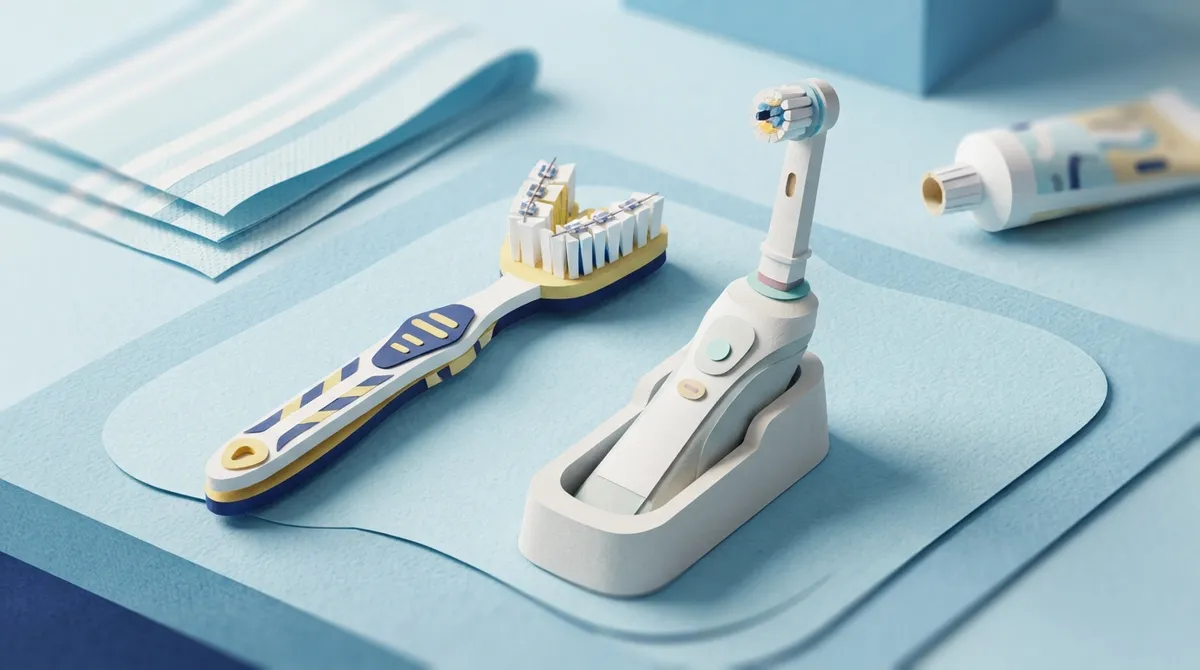
Your toothbrush is your best friend during treatment. Choose a soft-bristled brush, either manual or electric. Soft bristles clean well without hurting your gums or scratching your enamel.
Some people love electric brushes because they make thorough cleaning easier. A manual brush works great too, as long as you use good technique. Replace your brush when the bristles look frayed, and ask your orthodontic team if you’re unsure which style suits you best.
2. Use Fluoride Toothpaste Every Time
Fluoride toothpaste helps protect your enamel from decay. This matters even more with braces, since plaque lingers around brackets.
Here’s a handy tip: after brushing, spit out the extra toothpaste instead of rinsing with lots of water. That way, the fluoride stays on your teeth a little longer and keeps working. Some dental guidelines suggest toothpaste with at least 1,350 ppm fluoride for braces wearers. Recommendations can vary by age and risk level, so follow the advice your dental team gives you.
3. Brush for Two Full Minutes
Two minutes can feel like forever when you’re tired, but it’s the sweet spot. The American Association of Orthodontists recommends brushing for about two minutes after meals or snacks and before bed.
Try these tricks to make the time fly:
- Play a favorite song while you brush.
- Use a two-minute timer on your phone.
- Pick an electric brush with a built-in timer.
4. Follow This Simple Step-by-Step Brushing Method
Technique matters just as much as time. Here’s an easy routine you can follow every day:
- Rinse first. Swish water around your mouth to loosen food.
- Angle toward the gums. Tilt your brush at about 45 degrees and brush above the brackets with small, gentle circles.
- Angle toward the chewing surface. Now brush below the brackets with the bristles pointing slightly upward.
- Clean the brackets. Brush the front of each bracket and around its edges.
- Don’t forget the back. Brush the inside surfaces of every tooth.
- Scrub the chewing surfaces. Clean the tops of your molars well.
- Finish with your tongue. A light brush helps freshen your breath.
For more detail, our guide on 7 smart steps to brush teeth with braces walks through this routine even further.
5. Pay Extra Attention to the Gumline and Under the Wire
The gumline is where plaque loves to hide. It’s also where gum problems start. Make sure your bristles reach the spot where your teeth meet your gums, and gently clean beneath the archwire.
Go slowly. Rushing is the number one reason areas get missed. If you notice that the same spots are always dirty, spend a few extra seconds there each time.
6. Floss Daily (Yes, Really)
Flossing with braces takes a little more effort, but it’s one of the most important habits you can build. Plaque between teeth can’t be reached by a toothbrush alone. The AAO recommends flossing at least once a day.
Here’s how to do it with braces:
- Cut off about 18 inches of orthodontic floss, or use a floss threader.
- Thread the floss under the archwire.
- Gently slide it between two teeth and curve it around each tooth.
- Move the floss up and down along the side of each tooth, including just under the gumline.
- Pull the floss out carefully, then repeat for the next space.
Be gentle. Snapping the floss can hurt your gums or loosen a bracket. Our best tips to brush and floss with braces daily can help you get comfortable with the process.
7. Try Interdental Brushes
Tiny interdental brushes look like little pipe cleaners, and they’re fantastic for braces. They slip around brackets and under the wire to clear out stuck food and plaque.
A few tips for using them well:
- Choose a size that fits comfortably without forcing it.
- Use them gently, moving the brush back and forth around each bracket.
- Use one daily, which matches guidance from the NHS for people wearing braces.
Not sure about the right size or technique? Ask your orthodontist or hygienist to show you. It only takes a minute, and it makes a big difference.
8. Know What to Do When You Can’t Brush After Eating
Real life happens. You’re at school, at work, or out with friends, and a toothbrush isn’t handy. Don’t worry, there’s a simple backup plan.
Rinse your mouth thoroughly with water to swish away loose food. Think of this as a temporary fix, not a replacement for brushing. As soon as you can, brush your teeth properly.
Many patients find it helpful to keep a small kit in a backpack or desk drawer. A travel toothbrush, mini toothpaste, floss threaders, and an interdental brush make quick clean-ups easy.
9. Ask About Fluoride Rinses
Some patients benefit from an extra layer of protection. Your dentist or orthodontist may suggest a fluoride rinse, or even a prescription-strength product, based on your cavity risk.
If one is recommended, follow the directions closely. You may be told to use it at a separate time from brushing so the fluoride has time to work. Don’t start a new rinse on your own without checking with your dental team first.
10. Keep Up Your Regular Dental Cleanings
Your braces adjustments are important, but they don’t replace regular dental checkups. The AAO advises professional cleanings at least every six months, or more often if your dentist recommends it.
A professional cleaning removes buildup that’s tough to get at home. It also gives your dentist a chance to catch small problems early. If you’re curious how orthodontic care and general dental care work together, our post on orthodontist vs. dentist explains the difference nicely.
11. Build a Daily Routine That Sticks
The best cleaning plan is the one you’ll actually follow. Here’s a simple daily schedule that many of our patients find easy to remember.
| Time of Day | What to Do | Why It Helps |
|---|---|---|
| Morning | Brush for two minutes with fluoride toothpaste | Removes overnight plaque and protects enamel |
| After meals and snacks | Brush if you can, or rinse with water | Clears trapped food around brackets |
| Once daily | Floss with a threader or use an interdental brush | Cleans between teeth and under the wire |
| Bedtime | Brush thoroughly, then spit without rinsing | Leaves fluoride on teeth overnight |
| Every six months (or as advised) | Professional dental cleaning | Removes buildup and checks for early problems |
Tie these habits to things you already do. Brush right after breakfast. Floss while you wait for your favorite show to start. Small routines add up fast.
Tips for Parents Helping Kids and Teens
If you’re a parent, you know that getting a young person to floss can feel like a negotiation. A few ideas can help. Let your child pick a fun toothbrush color. Use a reward chart. Brush together so they can see good habits in action. Check in on their brushing, especially in the first few weeks, until the routine becomes second nature.
Our adolescent treatment team is always happy to show teens and parents the best techniques during visits.
A Note for Adults and Retreatment Patients
Busy professionals often tell us they struggle to find time for a full routine. That’s okay! Keep a mini kit at the office and aim for consistency over perfection. If you’ve had braces before and are getting treatment again, good hygiene helps protect your results and your gum health this time around. Our adult treatment options are designed to fit real-life schedules.
What About Clear Aligners?
If you’re wearing clear aligners instead of braces, your cleaning routine is a little different. You can remove aligners to brush and floss, which many people find easier. You can learn more about Spark™ Clear Aligners and see whether they could be a fit for your smile.
Common Mistakes to Avoid
Even with great intentions, a few slip-ups can sneak in. Watch out for these:
- Brushing too hard. Gentle pressure is enough and protects your gums.
- Skipping floss. Brushing alone leaves plaque between teeth.
- Rinsing right after brushing. This washes away the fluoride.
- Forcing an interdental brush. If it doesn’t fit, pick a smaller size.
- Skipping dental visits. Orthodontic appointments don’t replace cleanings.
When to Call Your Orthodontist
Let us know if you notice bleeding gums that don’t improve, a loose bracket, a poking wire, or white marks on your teeth. These are easy to address when caught early. You’re never bothering us by asking. We’d much rather help you now than fix a bigger problem later.
You’ve Got This
Cleaning your teeth with braces takes a little extra time, but the payoff is huge. Brush gently for two minutes, floss daily, use interdental brushes, rinse when you can’t brush, and keep up with your dental cleanings. Before you know it, these steps will feel like second nature, and you’ll be flashing a healthy, confident smile.
Ready for personalized guidance? Dr. Brockway and our team love helping patients of all ages keep their smiles healthy during treatment. Book your appointment online and let’s talk about your goals. You can also visit us on Google — Brockway Orthodontics to see what our patients in Clearwater are saying, or contact us with any questions. For more general oral health guidance, the American Dental Association is a great resource, and you can find orthodontic information through the Florida Association of Orthodontists. We can’t wait to help you smile with confidence!
FAQs
Q: How often should I brush my teeth with braces?
A: Aim to brush for two minutes after meals and snacks when you can, and always before bed. If you can’t brush after eating, rinse well with water and brush as soon as possible. Your orthodontist may give you personal instructions too, so follow those first.
Q: How do you floss with braces?
A: Use orthodontic floss or a floss threader to slide the floss under the archwire. Then gently clean between each pair of teeth and along the gumline. Take your time and be gentle, and try to do it at least once a day.
Q: Are interdental brushes helpful with braces?
A: Yes, they’re a great helper! These tiny brushes clean around brackets and under the wire where regular bristles can’t reach. Pick a size that fits without forcing it, and ask your orthodontic team to show you the best technique.
Q: How can I prevent white spots and cavities while wearing braces?
A: Brush with fluoride toothpaste, floss daily, and clean around every bracket. Spit instead of rinsing after brushing so the fluoride stays on your teeth. Keep up with regular dental cleanings, too, since they help catch problems early.
Q: How often should I see my dentist while I have braces?
A: The American Association of Orthodontists advises professional cleanings at least every six months, or more often if your dentist recommends it. Your braces adjustment visits don’t replace these checkups. Both types of visits work together to keep your smile healthy.
Our Service Area