Key Takeaways
-
A properly fitted mouthguard is essential with braces because it cushions impact and prevents cuts, broken brackets, bent wires, and tooth damage that can delay treatment and require emergency orthodontic visits.
-
Custom-fit mouthguards built from orthodontist molds offer superior comfort and protection for serious athletes, while boil-and-bite guards designed for braces work well for casual athletes at lower cost.
-
Mouthguard fit must be checked every few weeks during orthodontic treatment since teeth shift with each adjustment, and a previously comfortable guard may become loose or tight as your smile changes.
-
After any impact to the mouth, check immediately for loose brackets, poking wires, ongoing pain, or chipped teeth; stop play and contact your orthodontist the same day if these warning signs appear.
-
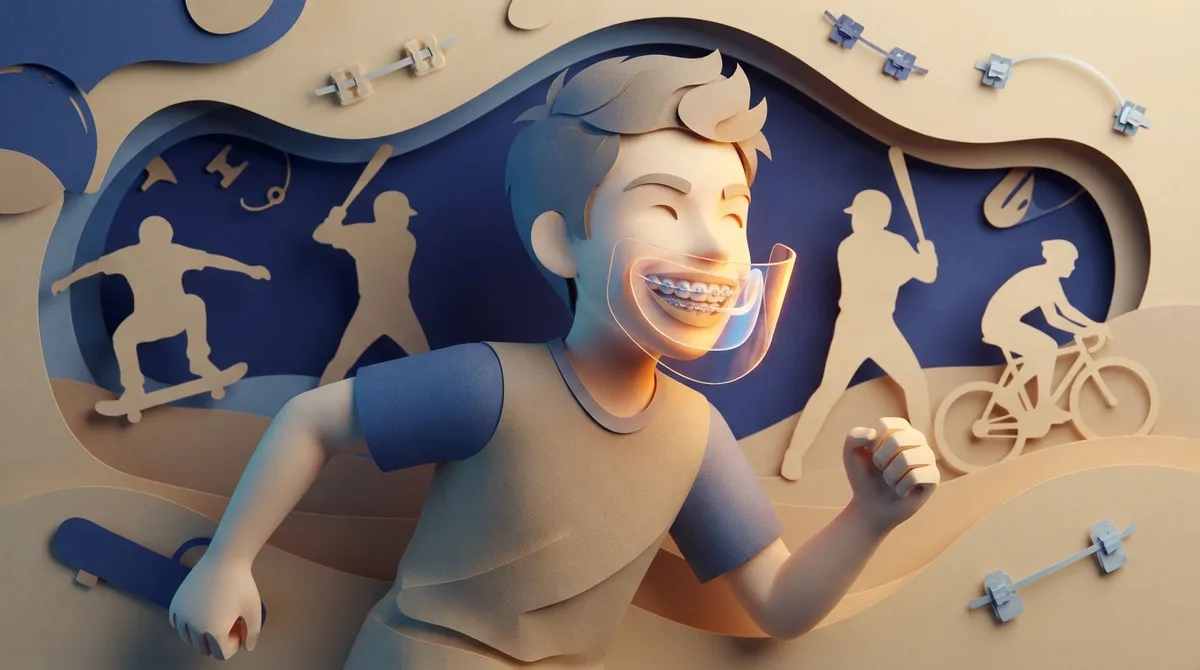
Even sports without mandatory mouthguard rules—like baseball, skateboarding, cheerleading, and biking—warrant protection due to fall and flying object risks that can damage braces and teeth.
-
Store mouthguards in ventilated cases and clean with cool water and soft brush after every use; rinse and dry thoroughly to prevent bacterial growth and mold, and replace immediately if damaged.
Fall sports season is here, and your kid’s soccer schedule doesn’t care that they just got their braces on last week. Good news: braces and sports can absolutely mix. Thousands of young athletes play football, wrestle, swim, and shoot hoops with brackets and wires every single day. The trick is knowing how to protect that smile while your child keeps chasing wins on the field.
Whether you’re a parent juggling practice pickups, a teen who refuses to sit out homecoming week games, or an adult professional squeezing in weekend tennis matches, this guide covers everything you need. We’ll walk through practical, easy tips that keep your orthodontic treatment on track and your teeth safe from sports mishaps. Dr. Brockway and our team at Brockway Orthodontics in Clearwater see active patients every day, so we know exactly what works.
1. Yes, You Can Play Sports With Braces
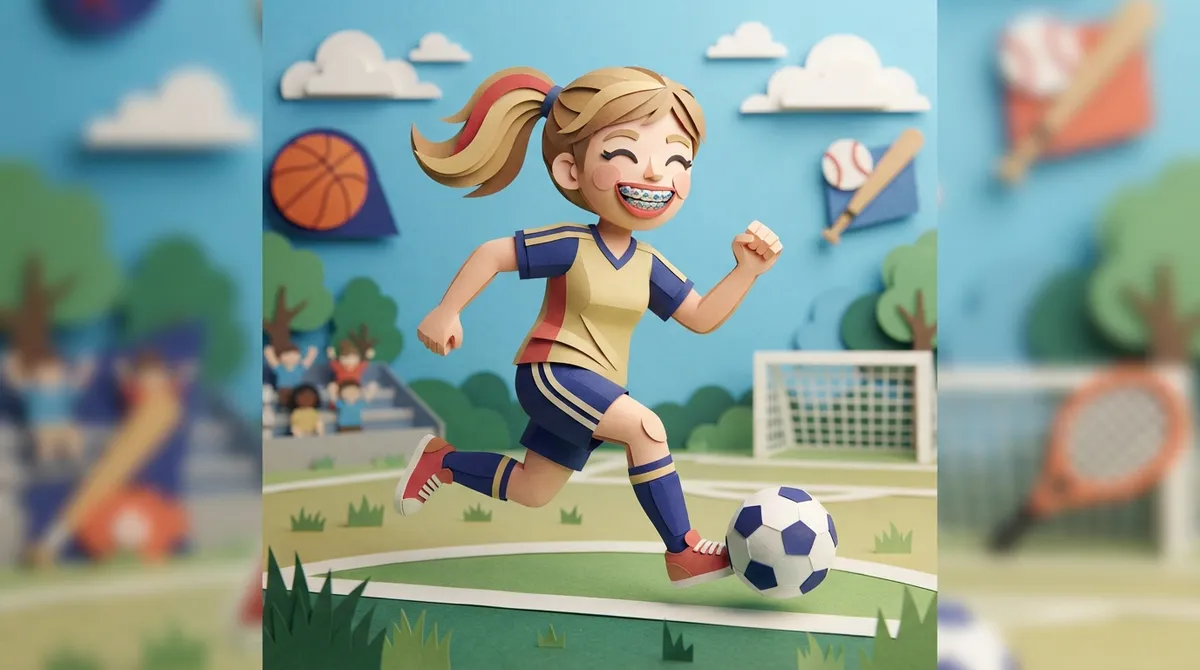
Let’s clear this up right away: braces do not keep you on the bench. Most people wearing braces or Spark™ Clear Aligners can play any sport they love. Orthodontic treatment alone is not a reason to skip practice or sit out a game.
The real change you need to make is adding the right protective gear. A properly fitted mouthguard becomes your new best friend once brackets go on. Without one, a stray elbow or fast-moving ball can cause real damage to your mouth and your treatment plan.
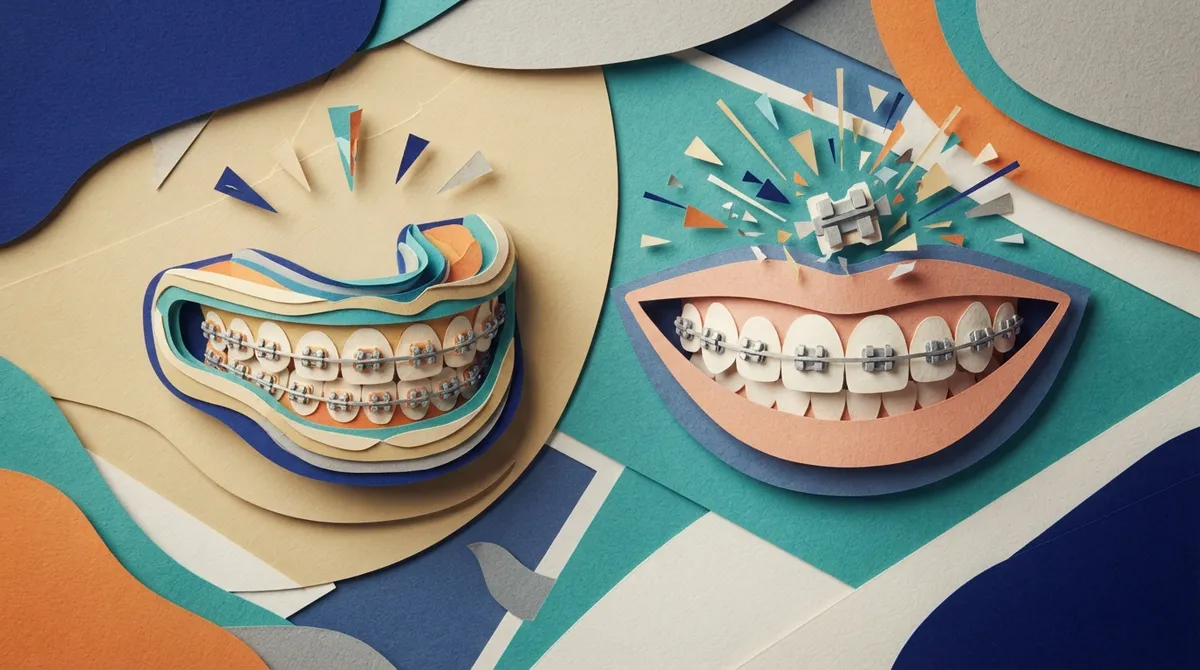
2. Why Mouthguards Matter So Much More With Braces
Braces add hard metal or ceramic pieces to your teeth. That’s great for straightening your smile, but it also means more surfaces that can cut your lips and cheeks during impact. A hit to the face can also bend wires, snap brackets, or even damage teeth underneath.
A mouthguard acts like a cushion. It absorbs shock and keeps braces from digging into soft tissue. This matters just as much during practice as it does during a big game, since most injuries actually happen when guards are more likely to be forgotten.
What Can Happen Without One
- Cut or bleeding lips and cheeks from sharp bracket edges
- Loose or broken brackets that delay your treatment timeline
- Bent or poking wires that need an emergency fix
- Chipped or knocked-out teeth from direct impact
- Extra orthodontic visits to repair damage
3. Choosing the Right Mouthguard for Braces
Not every mouthguard works well with braces. A guard that fits too tight can press on brackets and cause pain, or even shift teeth in ways that fight against your treatment plan. Here’s what to look for instead.
- Boil-and-bite guards made for braces: Many sporting goods stores sell versions designed to flex around brackets. These are affordable and work for most casual athletes.
- Custom-fit mouthguards: Ask your orthodontist about a custom option built from a mold of your mouth. These offer the best comfort and protection for serious athletes.
- Avoid single-layer stock guards: These one-size-fits-all guards rarely fit well and can shift out of place during play.
If you’re not sure which type fits your child’s sport and treatment stage, our team can help during your next visit. Learn more about all about braces and how we support active patients throughout treatment.
4. Checking Fit as Your Teeth Move
Here’s something many families don’t realize: your mouthguard needs to change as your smile changes. Braces shift your teeth over time, and your orthodontist adjusts wires and brackets at every visit. A guard that fit perfectly three months ago might feel loose or tight now.
Make it a habit to check the fit every few weeks. If it feels uncomfortable, slides around, or pinches your gums, it’s time for a new one or an adjustment. This is especially important for growing teens who see faster changes.
5. Sports That Require Mouthguards for Braces
Rules vary by state, school, and league, so always double-check with your coach or athletic director. Still, some general patterns hold true across most U.S. high schools.
| Sport | Mouthguard Requirement | Why It Matters |
|---|---|---|
| Football | Required by most high school rules | High contact, frequent facial impact |
| Ice Hockey | Required by most high school rules | Fast pucks, sticks, and body checks |
| Lacrosse | Required by most high school rules | Sticks and balls near the face |
| Field Hockey | Required by most high school rules | Close contact with sticks and balls |
| Wrestling | Required for athletes wearing braces | Close body contact and falls |
| Basketball | Often recommended, not always required | Elbows and collisions near the face |
| Soccer | Often recommended, not always required | Head-to-head contact and falls |
The American Dental Association and the International Academy of Sports Dentistry recommend mouthguards for a wide range of sports and activities, even ones that seem lower risk. Skateboarding, biking, gymnastics, and even trampoline time can lead to unexpected falls.
6. What About Non-Contact Sports?
Even if your sport doesn’t require a mouthguard by rule, think about the risk of falls or flying equipment. Baseball and softball involve fast pitches. Cheerleading includes tumbling and stunts. Skateboarding and biking come with unpredictable ground contact.
If there’s any chance of a fall or an object hitting your face, a mouthguard is a smart choice. It’s a small habit that can save you from a much bigger headache later, especially while your braces are doing their important work.
7. How to Clean and Care for Your Mouthguard
A mouthguard that isn’t cleaned properly can become a breeding ground for bacteria. Follow these simple steps after every use to keep it fresh and safe.
- Rinse the guard with cool water right after taking it out.
- Use a soft toothbrush and mild soap or toothpaste to gently clean all surfaces.
- Let it air dry completely before storing it away.
- Store it in a ventilated case, not a sealed bag, to prevent mold growth.
- Check it regularly for cracks, tears, or a loose fit.
Replace your mouthguard as soon as you notice damage or a poor fit. This is especially true for growing teens whose teeth shift more quickly during active treatment.
8. What to Do If You Get Hit in the Mouth
Accidents happen, even with the best protective gear. If your child takes a hit during a game or practice, stay calm and check for these warning signs.
- Loose, bent, or broken brackets on the braces
- A wire that’s poking out or sticking into the cheek
- Ongoing pain that doesn’t ease up after a few minutes
- Bleeding that won’t stop with gentle pressure
- A chipped, cracked, or knocked-loose tooth
If you see any of these signs, stop play right away and reach out to your orthodontist as soon as possible. Minor bracket issues can often wait until the next business day, but a poking wire or major pain needs quicker attention. For severe facial injuries or bleeding that won’t stop, seek emergency medical care immediately. Our your first visit page can also help if you’re new to our practice and need guidance on what to expect.
9. Talking to Coaches and Leagues About Braces
Don’t assume every coach knows the rules around mouthguards and braces. It’s a good idea to have a quick conversation at the start of each season. Let coaches know your child wears braces and ask about the team’s mouthguard policy.
This is also a great time to mention if your child needs extra water breaks to rinse their mouth, or if they might need a moment to adjust a loose wire during a game. A little communication goes a long way toward keeping everyone on the same page.
10. Special Considerations for Clear Aligners and Sports
Families choosing Spark™ Clear Aligners often ask if sports change anything. The good news is that clear aligners are removable, which gives athletes more flexibility. Many patients take their aligners out during high-contact practices or games and wear a standard mouthguard instead.
Just remember to store aligners safely in their case, not in a pocket or on the sidelines where they can get lost or damaged. Popping them back in right after the game keeps your treatment plan moving forward without delays. Check out our braces vs. clear aligners guide if you’re still deciding which option fits your active lifestyle.
11. Building Good Habits for Young Athletes
Teaching kids to care for their mouthguard is a lifelong habit, not just a season-long chore. Here are a few tips that help young athletes stay consistent.
- Keep the mouthguard in the same spot in the sports bag every time
- Attach it to a helmet strap for sports like football or hockey
- Make cleaning it part of the after-practice routine, right after cleats come off
- Bring a backup guard to tournaments in case one gets lost or damaged
Small habits like these prevent the classic scramble to find a mouthguard five minutes before kickoff. They also protect the investment you’re making in your child’s smile through adolescent treatment or braces care.
12. Trust Your Orthodontist to Keep You in the Game
At Brockway Orthodontics, we love seeing our patients stay active while their smiles transform. Dr. Brockway and her team have helped countless Clearwater families navigate sports seasons without missing a beat in treatment. From choosing the right mouthguard to handling the occasional bent wire, we’re here to support your whole family’s journey.
We recommend checking with the Florida Association of Orthodontists for additional resources on protecting young smiles during sports season. And if you ever have questions about your specific treatment plan, our office is always just a call or click away. You can also visit us on Google — Brockway Orthodontics to see what other active families in Clearwater have to say about their experience with us.
Keep Your Smile in the Game
Braces and sports really can go hand in hand with a little planning. The right mouthguard, regular fit checks, and quick action after any impact will keep your treatment on track and your teeth protected. Whether your family is dealing with football season, competitive swimming, or weekend soccer leagues, we’re here to help every step of the way.
Ready to talk through your options or get a mouthguard fitted for your braces? Book your appointment online today and let our Clearwater team help you stay confident, active, and smiling all season long. You can also follow along with patient stories and tips on our Facebook page or connect with us on LinkedIn for more updates from our practice.
FAQs
Q: Can you play sports while wearing braces?
A: Absolutely! Most athletes keep playing their favorite sports without any trouble while wearing braces. The main thing to add is a good mouthguard designed to fit comfortably over your brackets and wires.
Q: Do you need a mouthguard for sports if you have braces?
A: Yes, and it’s honestly one of the best things you can do to protect your smile. A mouthguard cushions your lips and cheeks from braces during impact, and it helps prevent broken brackets or bent wires too.
Q: Can I use a boil-and-bite mouthguard with braces?
A: You can, as long as it’s a version made to flex around brackets. Just make sure it fits snugly without pressing too hard on your teeth, and check the fit often since your smile keeps changing during treatment.
Q: What should I do if I get hit in the mouth while wearing braces?
A: First, take a breath and check for loose brackets, poking wires, or bleeding. If something feels off or painful, give our Clearwater office a call so we can get you in quickly and back to feeling comfortable.
Q: How often should I replace my mouthguard during orthodontic treatment?
A: Check it every few weeks since your teeth shift as treatment progresses. If it feels loose, torn, or uncomfortable, it’s time for a new one so you stay fully protected all season long.
Our Service Area