
Key Takeaways
-
Early evaluation by age 7 is critical for children showing jaw alignment issues like uneven bites, jaw shifts, or mouth breathing, as orthodontists can guide growth before problems worsen and become harder to treat.
-
Braces and orthodontic treatment correct both tooth position and jaw relationships for long-term oral health, not just cosmetic straightness—proper bite function is the real therapeutic goal.
-
Modern clear aligners successfully correct mild to moderate bite problems with 80-90% success rates and are nearly invisible alternatives to traditional braces for teens and adults.
-
Most jaw alignment cases don’t require surgery; braces, clear aligners, and functional appliances solve many bite problems when tooth position is the issue, with surgery reserved for severe skeletal mismatches.
-
Skipping retainer wear after orthodontic treatment is a top reason for relapse, so consistent retention is essential to protect your results and prevent bite shifts over time.
-
Delaying orthodontic evaluation limits future treatment options—problems that could be solved with simple aligners may later require more involved treatment, so early consultation is cost-effective.
Ever catch yourself chewing mostly on one side of your mouth? Or noticed your child’s teeth just don’t quite meet up right when they bite down? You’re definitely not alone. Jaw alignment problems are super common, and the good news is they’re also very treatable. At Brockway Orthodontics in Clearwater, we see families every week who are worried about their bite, their smile, or a jaw that just doesn’t seem to fit together the way it should.
Here’s the thing: small mistakes in how you approach jaw alignment can cost you time, money, and frustration. Maybe you waited too long to get a checkup. Maybe you assumed braces were only about straight teeth, not bite function. Whatever the case, this guide walks through 12 common missteps people make with jaw alignment, so you can avoid them and get on the path to a healthier, happier smile.
What Is Jaw Alignment, Really?
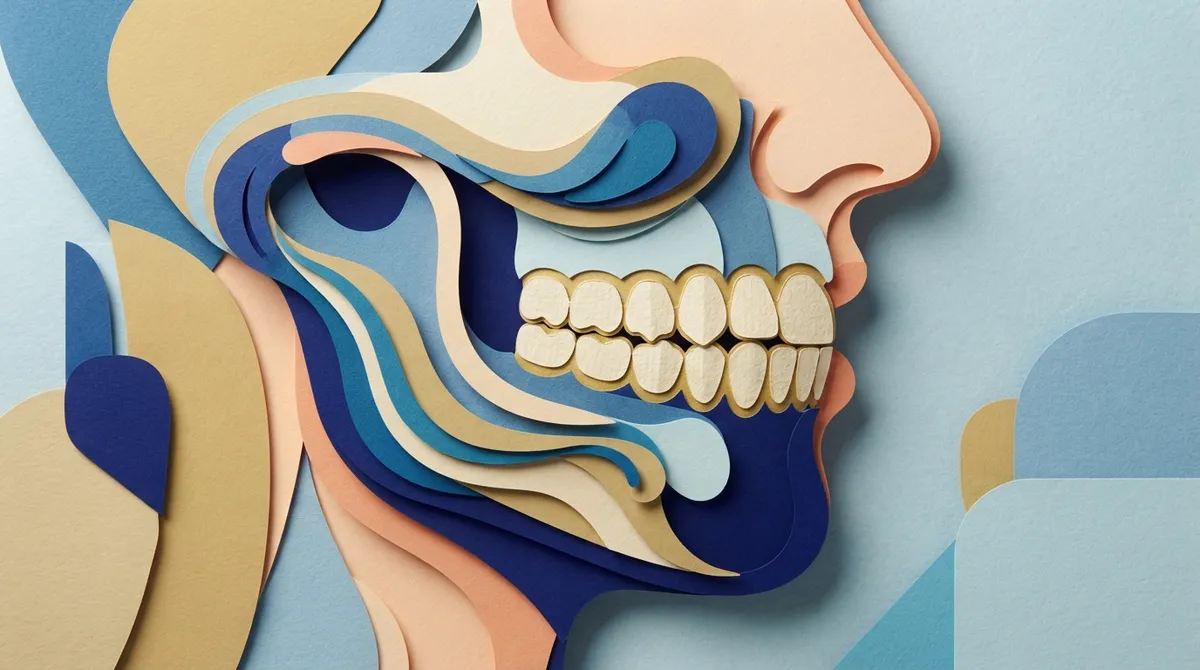
Jaw alignment is all about how your upper and lower jaws fit together when you bite down. When everything lines up well, chewing feels easy, your speech is clear, and your teeth wear evenly over time. When it doesn’t line up, orthodontists call this a malocclusion, which is just a fancy word for a bite that doesn’t quite fit right.
Malocclusions can affect more than your smile. They can make chewing harder, cause uneven wear on your teeth, and sometimes even lead to jaw discomfort. That’s why understanding jaw alignment matters for kids, teens, and adults alike.
Mistake 1: Ignoring Early Warning Signs in Kids
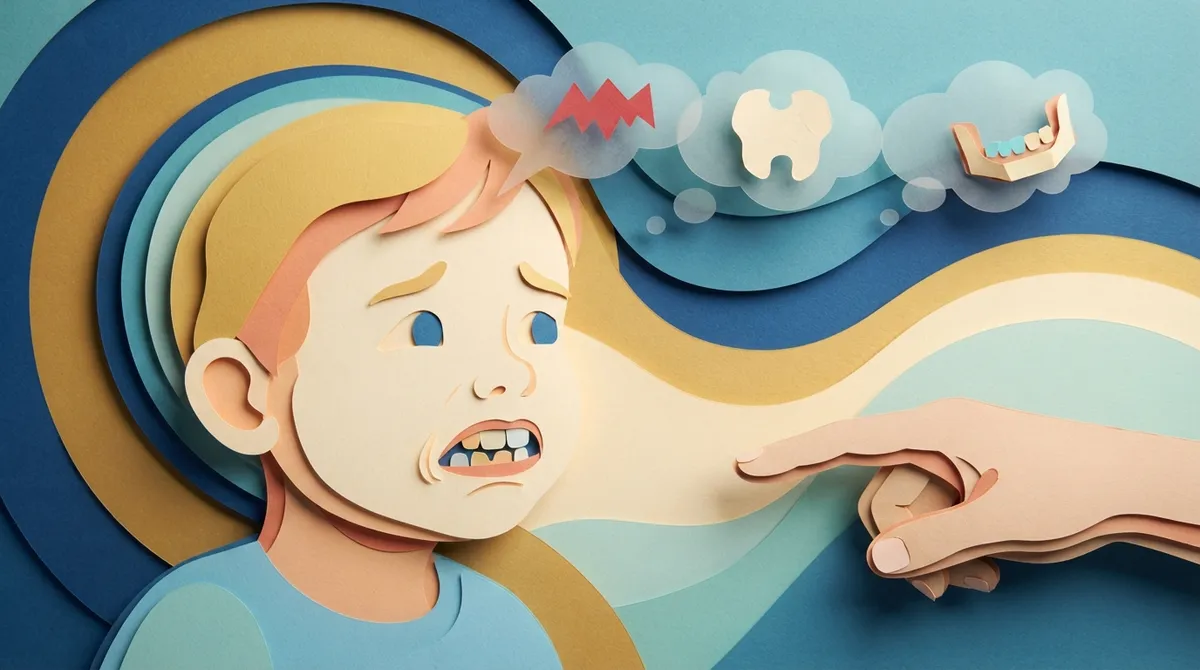
Parents often think jaw and bite issues will just “work themselves out” as their child grows. Sometimes that’s true, but often it’s not. Catching a jaw alignment issue early, usually around age 7, gives orthodontists a chance to guide growth before it becomes a bigger problem later.
Our Early Treatment program is designed exactly for this. Watching for these signs can help:
- Teeth that don’t meet evenly when your child bites down
- A jaw that shifts noticeably to one side
- Frequent mouth breathing or snoring
- Thumb sucking that continues past age 5
- Speech difficulties tied to tooth or jaw position
Mistake 2: Assuming Braces Are Just Cosmetic
A lot of adults think braces are only for making teeth look straighter. In reality, braces and other orthodontic treatments play a huge role in fixing how your jaws fit together. Straight teeth are a bonus, but proper bite function is the real goal.
According to research summarized by the National Institutes of Health, orthodontic treatment is specifically designed to correct both tooth position and jaw relationships. That’s a big deal for long-term oral health.
Mistake 3: Not Knowing the Common Types of Bite Problems
It helps to understand what you might be dealing with. Here’s a simple breakdown of the most common jaw alignment issues orthodontists see:
| Bite Problem | What It Looks Like | Common Effects |
|---|---|---|
| Overbite | Upper teeth extend too far over lower teeth | Uneven wear, jaw strain, gum irritation |
| Underbite | Lower jaw juts out past the upper jaw | Chewing difficulty, speech issues |
| Crossbite | Some upper teeth sit behind lower teeth | Uneven jaw growth, tooth wear |
| Open Bite | Front teeth don’t touch when back teeth close | Trouble biting food, speech changes |
Mistake 4: Waiting Too Long to Get Evaluated
Putting off an orthodontic evaluation is one of the biggest mistakes we see. The longer a jaw alignment issue goes unchecked, the more limited your treatment options may become. What could have been solved with simple aligners might later require more involved treatment.
If it’s been a while since your last dental checkup, or you’ve never had an orthodontic evaluation, now’s a great time to schedule your first visit with our Clearwater team.
Mistake 5: Thinking Surgery Is Always the Answer
Surgery sounds scary, and thankfully, most jaw alignment cases don’t need it. Many bite problems can be corrected using braces, clear aligners, rubber bands, or functional appliances, especially when the issue is related to tooth position rather than major skeletal differences.
Orthognathic surgery is typically reserved for severe skeletal mismatches. The Mayo Clinic notes that jaw surgery is usually timed after facial growth is more complete, often around ages 16 to 18 for females and 18 to 21 for males. If your orthodontist recommends surgery, it’s usually because non-surgical options wouldn’t be enough on their own.
Mistake 6: Believing Clear Aligners Can’t Handle Bite Issues
Many people assume clear aligners are just for minor cosmetic tweaks. Actually, modern clear aligners can correct a surprising range of bite problems, especially mild to moderate cases.
Our Spark™ Clear Aligners are a comfortable, nearly invisible option that many teens and adults love. They’re often more affordable than other aligner brands, without sacrificing quality or results.
Mistake 7: Overlooking Success Rates and Treatment Timelines
It helps to know what results and timelines are realistic. Here’s a quick look at typical outcomes reported across orthodontic practices:
| Treatment Type | Reported Success Rate | Typical Timeline |
|---|---|---|
| Traditional Braces | Over 90% for all severity levels | 12–24 months |
| Clear Aligners | 80–90% for mild to moderate cases | 12–18 months |
| Combined Treatments | Up to 94% for complex cases | Varies by case complexity |
Mistake 8: Skipping the Orthodontic Evaluation Process
Some people think a general dentist visit is enough to catch jaw alignment issues. While dentists are great at spotting problems, orthodontists have specialized training to evaluate bite relationships in detail. Here’s how a thorough evaluation typically works:
- A visual exam of how your teeth and jaws fit together
- Digital X-rays or 3D imaging to see bone and jaw structure
- Digital impressions to map your bite precisely
- A discussion of your chewing, speech, or jaw discomfort symptoms
- A personalized treatment plan based on your specific needs
Our Services page walks through what to expect during this process at our Clearwater office.
Mistake 9: Not Considering Treatment for Adults
A lot of adults assume jaw alignment treatment is only for kids and teens. That’s simply not true. Plenty of adults come to us wanting a more comfortable bite, less jaw fatigue, or a smile they finally feel confident about.
Our Adult Treatment options are designed to fit busy professional schedules, with discreet aligners and efficient treatment plans that work around your life, not the other way around.
Mistake 10: Forgetting About Retention After Treatment
Finishing treatment doesn’t mean you’re done for good. Skipping retainer wear is one of the top reasons people experience relapse, meaning their bite or teeth shift back over time.
If you’ve had orthodontic treatment before and now notice your bite feels different, you’re not alone. Many adults return for retreatment. Our Retainers guide explains how to protect your results long term.
Mistake 11: Not Asking About Financing Options
Cost worries stop a lot of people from getting the care they need. The truth is, orthodontic treatment is often more affordable than people expect, especially with flexible payment plans.
Our team can walk you through Financing and Insurance options so you can find a plan that fits your budget without putting off treatment.
Mistake 12: Choosing an Orthodontist Without Doing Your Research
Not all orthodontic care is the same. Choosing the right provider matters, especially for something as important as your jaw alignment. Look for a practice with modern technology, a caring team, and a track record of results.
Dr. Brockway brings years of specialized training to every patient’s care, and she genuinely listens to your concerns and goals. You can learn more on our Meet Dr. Brockway page, or see what real patients say by checking out Brockway Orthodontics reviews on Google.
Signs You Might Have a Jaw Alignment Problem
Not sure if your bite needs attention? Here are some common signs orthodontists look for:
- Clicking or popping sounds when opening your mouth
- Jaw pain or soreness, especially in the morning
- Teeth that show uneven wear patterns
- Difficulty chewing certain foods
- Speech that sounds slightly off due to tooth position
- A noticeable overbite, underbite, or crossbite when you smile
If any of these sound familiar, it’s worth getting checked. The Florida Association of Orthodontists recommends an orthodontic evaluation by age 7, and honestly, it’s never too late for adults either.
How Brockway Orthodontics Approaches Jaw Alignment Care
At our Clearwater practice, we use digital impressions and 3D imaging to map your bite with precision, instead of relying on messy molds. This means more accurate treatment planning and a more comfortable experience for you or your child.
We also believe education is part of great care. Our team explains your options clearly, whether that’s traditional braces, ceramic braces, or Spark™ Clear Aligners, so you always know what to expect. Check out our All About Braces page for a deeper look at how braces correct bite issues over time.
Families across Clearwater trust us because we treat every patient like part of our community. You can follow our updates and patient stories on Facebook or Instagram to see real transformations happening every day.
Ready to Get Your Jaw Alignment Checked?
Jaw alignment issues don’t have to be a permanent part of your life. Whether you’re a parent noticing early signs in your child, a teen wanting a confident smile before graduation, or an adult ready to finally fix a bite that’s bothered you for years, there’s a treatment path for you.
The American Dental Association also emphasizes the importance of routine dental and orthodontic evaluations as part of overall oral health, so don’t wait to get answers about your bite.
Ready to take the next step? Book your appointment online today, or contact our Clearwater team with any questions. We’re here to help you smile with confidence, one appointment at a time.
FAQs
Q: What is jaw alignment in orthodontics?
A: Jaw alignment refers to how your upper and lower jaws fit together when you bite down. When they don’t line up well, orthodontists call it a malocclusion, which can affect chewing, speech, and even facial balance.
Q: Can braces fix jaw alignment problems?
A: Yes, in most cases! Braces are great at correcting bite issues like overbites, underbites, and crossbites, especially when the problem is related to tooth position. For more severe skeletal cases, your orthodontist might combine braces with other treatments.
Q: When do you need surgery for jaw alignment?
A: Surgery is usually only needed for severe skeletal jaw mismatches that braces alone can’t correct. It’s typically recommended after facial growth is more complete, often in the late teens or early twenties.
Q: How long does orthodontic treatment for jaw alignment take?
A: Most treatments take about 12 to 24 months, depending on how complex your case is. Braces and clear aligners both fall within this general timeframe, though every smile is a little different.
Q: Can clear aligners correct jaw alignment?
A: Absolutely, clear aligners like our Spark™ system can correct mild to moderate bite issues with a success rate of about 80 to 90 percent. They’re a comfortable, nearly invisible option for teens and adults alike.
Our Service Area