Key Takeaways
-
Teeth can begin shifting within days of losing your retainer, especially soon after braces come off, so contact your orthodontist immediately if it's lost, cracked, or doesn't fit properly.
-
Most people need to wear a retainer at night for the rest of their lives because teeth naturally shift due to aging and gum changes, not just after initial treatment ends.
-
There is no single 'best' retainer type—clear plastic, Hawley, and fixed bonded retainers each work differently depending on your bite, gum health, and lifestyle, requiring personalized professional evaluation.
-
Wear your retainer exactly as prescribed even in the first few months before switching to nighttime-only wear, and store it in a protective case away from heat to prevent warping and damage.
You just got your braces off, and your smile finally looks the way you always dreamed. Congratulations! But here’s the truth nobody tells you enough: the real work of keeping that smile straight starts now, not when the braces come off. Finding the best retainers after braces is the single most important step to protect your investment of time, money, and patience.
At Brockway Orthodontics in Clearwater, we see this all the time. Patients finish treatment feeling thrilled, then skip a few nights of retainer wear, and slowly their teeth start drifting back. Teeth are surprisingly good at remembering their old positions! That’s why we want to walk you through the common mistakes people make with retainers, so you can avoid them and keep your smile looking amazing for years to come.
Why Retainers Matter So Much After Braces
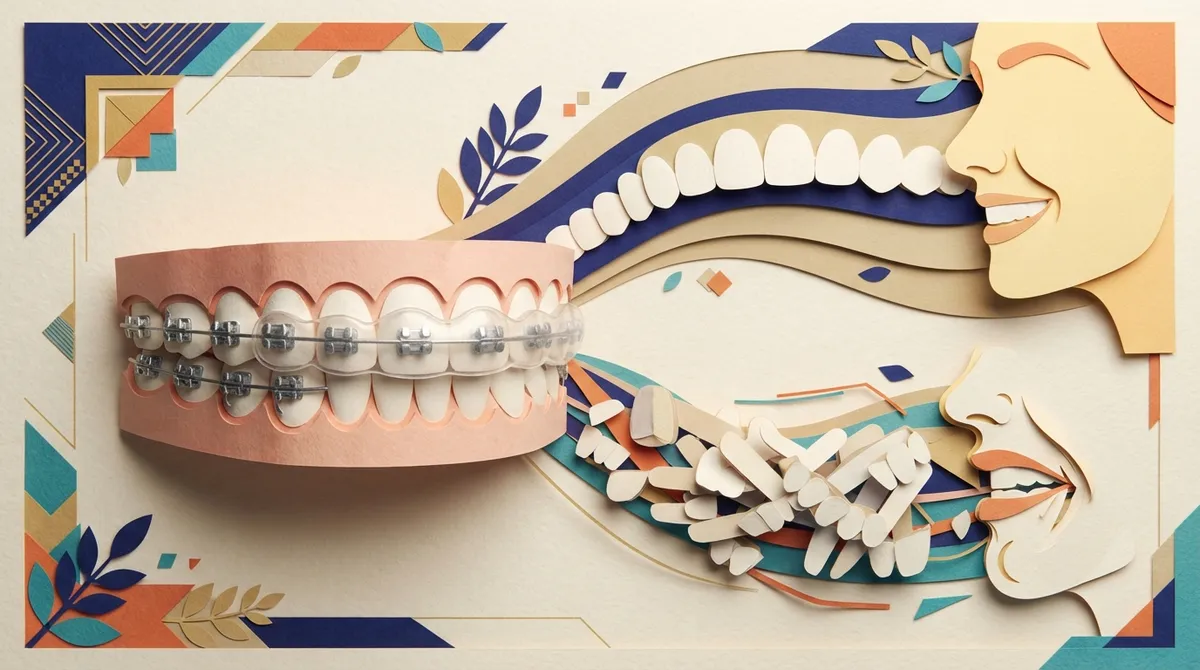
Braces move your teeth into a new, healthier position. But your gums, bone, and ligaments need time to adjust and hold everything in place. Without a retainer, teeth can shift back toward their original spots. This is called relapse, and it can happen faster than you’d think.
According to the American Association of Orthodontists, many people need to wear a removable retainer at night for the rest of their lives. That might sound like a lot, but think of it this way: a few minutes each night is a small price for a lifetime of confident smiling.
Mistake 1: Thinking All Retainers Are the Same
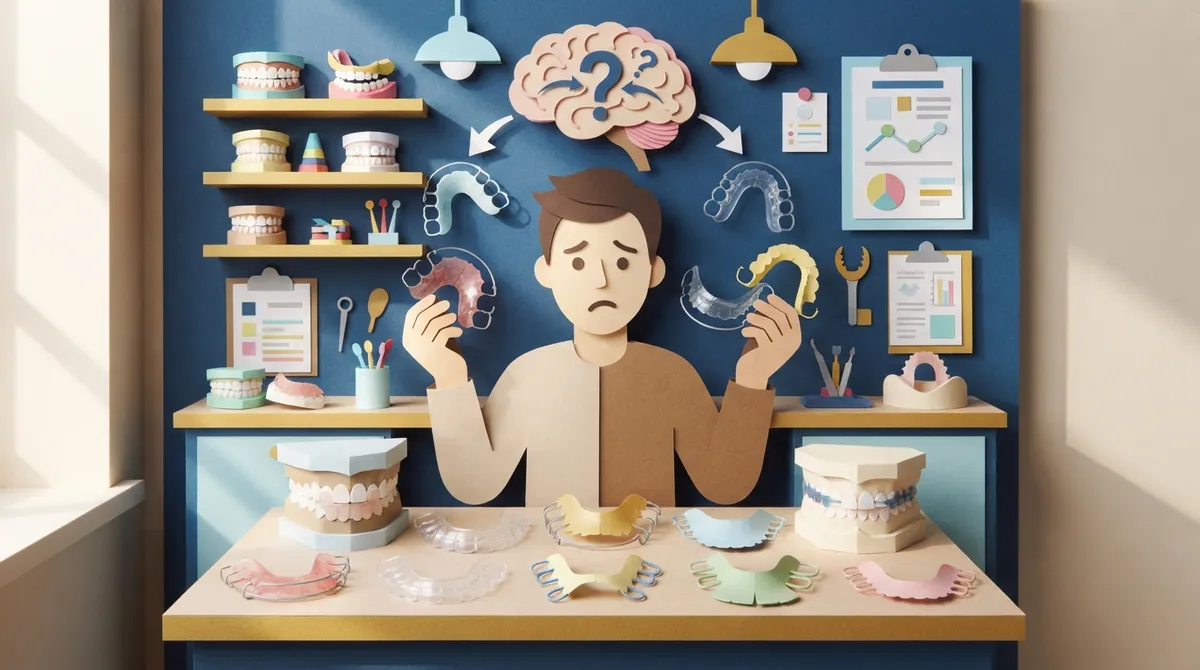
One of the biggest myths out there is that any retainer will do the job equally well. In reality, there are three main types, and each one works a little differently.
| Retainer Type | What It’s Made Of | Best For |
|---|---|---|
| Clear Plastic (Essix) | Thin, see-through plastic molded to your teeth | Patients who want a discreet, comfortable option |
| Hawley Retainer | Acrylic plus a metal wire | Patients who want a durable, easy-to-adjust design |
| Fixed Bonded Retainer | Thin wire bonded behind teeth | Patients who need round-the-clock retention without relying on daily wear |
Your orthodontist may even recommend a mix, like a fixed retainer on the bottom teeth and a removable one on top. Learn more about your options on our retainers page.
Mistake 2: Assuming One Type Is Always “Best”
Patients often ask Dr. Brockway which retainer is the best one. The honest answer? It depends on you. A 2023 Cochrane review looked at the evidence closely and found no single retainer design that wins in every situation. Some studies showed fixed retainers held teeth steadier than part-time clear retainers, with a difference of about 0.7 mm. Other comparisons showed Hawley and clear retainers performing about the same.
Your bite, your tooth rotations, your gum health, and even your lifestyle all play a role in choosing the right retainer. That is why a personal evaluation matters so much more than a generic recommendation you might read online.
Mistake 3: Skipping Wear Time Because Teeth “Feel” Straight
Here’s a sneaky problem: your teeth can start shifting before you even notice. By the time a retainer feels tight or doesn’t fit right, movement has already happened. This is one reason full-time wear is often prescribed at first, followed by a switch to nighttime-only wear.
- Wear your retainer exactly as your orthodontist instructs, especially in the first few months.
- Move to nighttime wear only when you’re told it’s safe to do so.
- Never skip nights just because your schedule feels busy.
- Bring your retainer to checkups so your orthodontist can confirm the fit.
- Replace it immediately if it cracks, warps, or stops fitting snugly.
Consistency truly is the secret ingredient here. A retainer only works if you actually wear it.
Mistake 4: Storing Retainers the Wrong Way
We’ve heard some wild stories over the years, retainers wrapped in napkins that got tossed in the trash, retainers left in hot cars and warped beyond repair. Simple storage habits protect your investment.
- Always keep your retainer in its protective case when it’s not in your mouth.
- Never wrap it in a napkin or tissue during meals.
- Keep it away from hot water, hot cars, and direct sunlight.
- Clean it regularly using the method your orthodontist recommends.
- Keep pets away from it. Dogs love chewing on retainers!
Mistake 5: Ignoring Fixed Retainer Hygiene
Fixed retainers are wonderful because they don’t depend on you remembering to put them in. But they do require extra cleaning attention. Plaque loves to build up around that little wire behind your teeth.
- Use floss threaders or a water flosser to clean under the wire daily.
- Consider an interdental brush for tight spots.
- Keep up with regular dental cleanings and checkups.
- Watch for looseness, which could mean the bonding has failed.
The American Dental Association recommends daily flossing for everyone, and this becomes even more important with a fixed retainer in place.
Mistake 6: Waiting Too Long After a Retainer Breaks or Gets Lost
Life happens. Retainers get lost at school, left at restaurants, or accidentally stepped on. The mistake isn’t losing the retainer, it’s waiting weeks to do something about it.
Teeth can begin shifting within days of losing consistent retention, especially soon after braces come off. If your retainer is lost, cracked, or no longer feels right, reach out to your orthodontist right away. Don’t try to force a retainer that doesn’t fit anymore; that can cause pain or even damage your teeth. Our guide on what to do if your retainer breaks walks you through the exact steps to take.
Mistake 7: Believing Retention Is a Short-Term Commitment
Many patients assume they only need retainers for a year or two after braces. Unfortunately, that’s rarely the case. Teeth can shift throughout life due to aging, gum changes, and everyday biting forces, not just right after treatment ends.
| Retention Study Finding | Result |
|---|---|
| Permanent (fixed) retainers | About 0.2 mm average relapse |
| Removable retainer group A | About 1.0 mm average relapse |
| Removable retainer group B | About 0.8 mm average relapse |
These numbers should be read with some caution since studies vary in design and patient compliance. Still, the pattern is clear: retention isn’t a quick chore you finish and forget. It’s a long-term relationship with your smile.
Mistake 8: Choosing a Retainer Without Professional Guidance
It might be tempting to search online for cheap, mail-order retainers or generic advice about which type is “best.” But your mouth is unique, and a poorly fitted retainer can do more harm than good.
Working with an experienced orthodontist means your retainer is custom-made for your teeth, your bite, and your specific relapse risk. Dr. Brockway takes time to explain your options clearly, so you always know why a particular retainer was chosen for you. You can read more about her approach on our Meet Dr. Brockway page.
How Brockway Orthodontics Supports Your Retention Journey
Our Clearwater practice believes education is just as important as the treatment itself. We walk every patient through their retainer options, whether that’s a clear plastic retainer, a Hawley retainer, or a fixed bonded wire. We also use modern digital tools, including digital impressions, to make sure your retainer fits comfortably right from the start.
If you’ve finished treatment with us or with another provider and have questions about your retainer, our team is happy to help. Explore our full range of orthodontic services, including options like Spark™ Clear Aligners and traditional braces, all backed by the same personalized attention we bring to retention care.
Curious what other patients think? You can Visit us on Google — Brockway Orthodontics to see real reviews from families across Clearwater, or connect with us on Facebook and Instagram for smile tips and patient stories.
Quick Checklist for Retainer Success
- Wear your retainer exactly as prescribed, even when it feels inconvenient.
- Clean it daily using approved methods, never boiling water.
- Store it safely in its case whenever it’s out of your mouth.
- Attend follow-up appointments so your orthodontist can check the fit.
- Contact your orthodontist immediately if it’s lost, cracked, or uncomfortable.
Retention doesn’t have to be complicated. It just requires a little consistency and the right guidance from someone who knows your smile.
Bringing It All Together
Choosing the best retainers after braces isn’t about finding one magic product. It’s about working with a trusted orthodontist who understands your unique needs and helps you avoid the common pitfalls we’ve covered here. Whether you need a clear retainer, a Hawley, a fixed wire, or a combination, the goal stays the same: protecting the smile you worked so hard to achieve.
The Florida Association of Orthodontists emphasizes that ongoing retention care is a key part of long-term orthodontic success, and we couldn’t agree more. Small, consistent habits now save you from bigger headaches (and bigger dental bills) later.
Ready to protect your smile for good? Book appointment online with Brockway Orthodontics in Clearwater today, and let our team create a retention plan that fits your life. You can also contact us with any questions about your current retainer or your next steps.
FAQs
Q: What is the best type of retainer after braces?
A: There isn’t one single best retainer for everyone. Clear plastic, Hawley, and fixed bonded retainers all work well depending on your bite, gum health, and lifestyle. Your orthodontist will help you pick the option that fits your specific needs.
Q: How long do I need to wear a retainer after braces?
A: Most people need to wear a retainer for a long time, and often at night for the rest of their lives. Teeth can naturally shift with age, so ongoing retention helps keep your smile looking its best.
Q: Are permanent or fixed retainers better than removable ones?
A: Fixed retainers offer constant retention since they don’t rely on you remembering to wear them, but they need careful cleaning. Removable retainers are easier to clean but only work if you actually wear them as instructed. Both can be great choices depending on your situation.
Q: What should I do if my retainer is lost, broken, or doesn’t fit?
A: Don’t wait it out or try to force it into place. Contact your orthodontist right away, since teeth can start shifting quickly without proper retention. A quick visit can often get you back on track before bigger problems develop.
Q: Can my teeth move even if I wear my retainer?
A: Yes, some small movement can still happen over time due to aging, gum changes, and everyday biting forces. That’s exactly why long-term or lifelong retainer wear is usually recommended, even after your teeth look perfectly straight.
Our Service Area