
Key Takeaways
-
Crown lengthening is a periodontal procedure that reshapes gum tissue and sometimes bone to expose more tooth structure, performed by a periodontist working alongside your orthodontist for a balanced smile.
-
The procedure comes in two types: gingivectomy (simple gum trimming) for excess tissue only, and flap surgery with bone reshaping when bone sits too close to the desired gum line.
-
Crown lengthening and orthodontic treatment serve different purposes—braces move teeth while crown lengthening reshapes gums and bone, and combining both often produces the best results for complex cases.
-
Timing matters: crown lengthening can be done before, during, or after braces depending on your case, requiring close coordination between your orthodontist and periodontist to determine the optimal sequence.
-
Recovery takes 7-14 days for initial healing with stitches removed, but full gum tissue stabilization requires 3-6 months before final cosmetic or restorative work can be completed.
-
A thorough evaluation is essential because not all gummy smiles require this procedure—some are better treated with orthodontic intrusion, jaw surgery, or other alternatives based on the underlying cause.
Ever looked in the mirror and felt like your teeth look a little short, or that your gums cover more tooth than you’d like? You’re not alone. Many patients ask us about this at Brockway Orthodontics, and often the answer involves a procedure called crown lengthening. It sounds fancy, but it’s actually pretty simple once you understand it. In this friendly guide, we’ll walk you through everything you need to know, from what it is to how it teams up with braces or clear aligners for a truly stunning smile. Grab a cup of coffee, get comfortable, and let’s chat about how crown lengthening might fit into your orthodontic journey.

1. What Crown Lengthening Actually Means
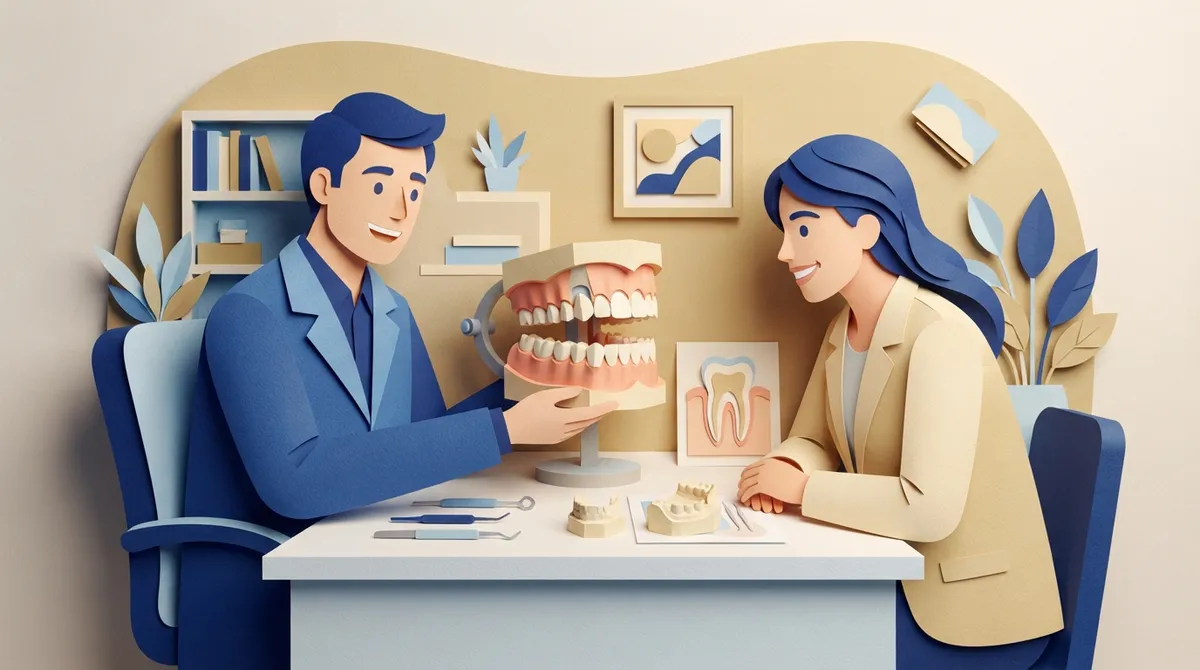
Crown lengthening is a dental procedure that reshapes gum tissue and sometimes a bit of bone. This exposes more of your natural tooth. It’s often done by a periodontist, a gum specialist, working alongside your orthodontist. The goal is to show more tooth structure so your smile looks balanced and proportioned.
This isn’t a treatment orthodontists perform themselves. Instead, it’s part of a team approach. Your orthodontist may notice you’d benefit from it and refer you to a trusted periodontal partner.
2. Why Orthodontic Patients Ask About It
Patients bring this up for a few common reasons. Some feel their teeth look too short. Others notice uneven gum lines after finishing braces or aligner treatment. And some are simply bothered by a gummy smile, where too much gum tissue shows when they smile.
Here are the most common reasons patients explore this option:
- Teeth that look short or “square” compared to the gum line
- Uneven or bumpy gum contours
- A condition called altered passive eruption, where gum tissue never fully receded during growth
- Excessive gum display, often called a gummy smile
- Preparing a tooth for a crown or other restorative work
3. How It Differs From Orthodontic Treatment
This is a big one to understand. Braces and clear aligners move teeth into better positions. They can even intrude teeth, meaning gently push them upward into the jaw, which can improve how much gum shows.
Crown lengthening works differently. It changes the actual gum and bone architecture around your teeth. Neither treatment replaces the other. Often, the best results come from combining both, based on your specific diagnosis.
| Treatment | What It Changes | Best For |
|---|---|---|
| Braces or Clear Aligners | Tooth position, bite alignment | Crooked teeth, bite issues, some gum display from tooth position |
| Crown Lengthening | Gum and bone shape around teeth | Short-looking teeth, uneven gums, altered passive eruption |
| Combined Approach | Both tooth position and gum architecture | Complex gummy smile cases with multiple causes |
4. Two Main Types You Should Know
Not every case needs the same level of treatment. Your periodontist will figure out which type fits your situation.
- Gingivectomy: This is a simpler option. It’s used when there’s extra gum tissue but no excess bone covering the tooth. The periodontist trims the gum tissue to reveal more of the tooth.
- Flap surgery with bone reshaping: This is needed when the bone crest sits too close to where the new gum line should be. The gum is lifted, a small amount of bone is reshaped, and everything is stitched back for a stable, healthy result.
5. The Step-by-Step Process
Wondering what actually happens during the appointment? Here’s a simple breakdown of what to expect.
- A full evaluation of your smile, gum tissue, and bone levels
- Numbing the area with local anesthesia for comfort
- Reshaping the gum tissue, and bone if needed
- Stitching the area to help it heal properly
- A follow-up visit to check healing progress
- Waiting for gum tissue to stabilize before finishing cosmetic or restorative work
6. Timing With Braces: Before, During, or After?
This is where teamwork between your orthodontist and periodontist really matters. Tooth movement changes where your gums sit. So the order of treatment depends on your unique smile goals.
- Before braces: Sometimes done first if bone or gum issues need correcting before tooth movement begins
- During treatment: Occasionally planned mid-treatment for specific cosmetic goals
- After treatment: Often preferred, since final tooth positions affect where the gum line should sit
Your Meet Dr. Brockway consultation will help map out the right sequence for your smile.
7. Healing Timeline: What to Expect
Healing happens in stages, and patience really pays off here. Most patients feel much better within the first two weeks. But full stability takes longer.
| Stage | Timeframe | What Happens |
|---|---|---|
| Initial healing | 7 to 14 days | Swelling goes down, stitches may be removed |
| Gum maturation | 3 to 6 months | Gum tissue settles into its final position |
| Final assessment | After maturation | Orthodontist or dentist confirms tissue is stable for next steps |
A 2019 clinical report on patients aged 18 to 22 found a mean increase of about 1.6 mm in visible tooth crown height twelve months after treatment. Impressively, results stayed stable between the immediate outcome and the one-year mark.
8. Possible Risks and Side Effects
Like any dental procedure, there are some things to be aware of. Most side effects are mild and temporary, but it’s good to know them ahead of time.
- Mild bleeding or swelling in the first few days
- Tooth sensitivity to hot or cold
- Gum recession in some cases
- Slightly altered tooth proportions
- Temporary tooth looseness if bone was reshaped
- Rare risk of infection or slow healing
Your care team will walk you through aftercare instructions to keep healing on track and minimize discomfort.
9. When It’s Not the Right Fit
Not every gummy smile needs this procedure, and that’s an important truth. Sometimes the real cause is something else entirely.
- Vertical maxillary excess, meaning the upper jaw grew a bit too long
- A hyperactive upper lip that lifts higher than average when smiling
- Short or hypermobile lips
- Tooth position issues better solved with orthodontic intrusion
- A combination of several of these factors together
In these cases, alternatives like orthodontic intrusion, temporary anchorage devices, lip repositioning, botulinum toxin injections, or jaw surgery might be better suited. This is exactly why a thorough evaluation matters so much before jumping into any single treatment.
10. Who Should Avoid This Procedure
Some situations make crown lengthening risky or simply not worth it. Your periodontist will screen for these before recommending treatment.
- Poor crown-to-root ratio that could weaken the tooth
- Teeth that aren’t restorable or salvageable
- Roots that sit too close together
- Furcation involvement, where the roots of a molar are affected
- Active gum disease that needs treatment first
- High risk of harming nearby teeth’s appearance or support
11. How Brockway Orthodontics Fits Into Your Plan
At our Clearwater, Florida practice, we believe in truly personalized care. Dr. Brockway takes time to listen to your concerns and smile goals before recommending any treatment path. If gum architecture is part of the puzzle, we’ll coordinate closely with a trusted periodontist to make sure your care is seamless.
We offer a full range of orthodontic services, including traditional braces and Spark™ Clear Aligners, a comfortable and more affordable alternative to Invisalign. Whichever path fits your life best, our team will explain your options in simple, friendly language so you always know what’s next.
Curious what your first visit looks like? Check out our first visit guide to see how relaxed and welcoming the process really is.
12. Questions to Ask During Your Consultation
Walking into a consultation prepared helps you get the most out of your visit. Here are smart questions worth asking.
- Is my gummy smile caused by gum tissue, tooth position, or jaw structure?
- Would orthodontic treatment alone solve my concern?
- Should this happen before, during, or after braces or aligners?
- How long will healing take before I see final results?
- What does recovery feel like day to day?
- Are there non-surgical alternatives worth considering first?
Bringing this list to your orthodontic consultation helps you feel confident and informed from the very start.
13. Building Your Complete Smile Plan
Your smile is unique, and so is your treatment plan. Some patients only need orthodontic tooth movement. Others benefit from combining braces or aligners with periodontal care for the best possible outcome. A 2024 clinical review highlights several valid uses for this procedure, including restorative access, correcting biologic-width issues, and treating short teeth or gummy smiles.
The most important step is getting an accurate diagnosis first. That’s where a caring, experienced orthodontist truly makes a difference. Our team welcomes patients of every age, from kids just starting adolescent treatment to adults exploring adult orthodontic options for the very first time.
We also equip our office with modern technology, including digital impressions and 3D imaging, so your treatment plan is as precise and comfortable as possible. For guidance from trusted organizations, resources from the Florida Association of Orthodontists and the American Dental Association can offer helpful, science-backed information as you research your options.
Ready to Talk About Your Smile Goals?
Crown lengthening isn’t right for everyone, but it might be exactly the missing piece for your dream smile. The best way to know for sure is a friendly, thorough evaluation with our team here at Brockway Orthodontics in Clearwater. We’ll listen carefully, examine your teeth and gums, and build a plan that truly fits your life and your goals.
Curious what patients in our community are saying? Take a moment to visit us on Google — Brockway Orthodontics and read real reviews from Clearwater families just like yours. You can also follow our smile transformations on Instagram or connect with us on Facebook for daily inspiration and helpful tips.
Ready to take the next step toward a smile you’ll love? Book appointment online today, or feel free to reach out with any questions. We can’t wait to meet you and start building your best smile together.
FAQs
Q: What is crown lengthening in orthodontic care?
A: It’s a periodontal procedure that reshapes gum tissue and sometimes bone to expose more of your natural tooth. It’s often used alongside orthodontic treatment to improve smile proportions and fix uneven gum lines.
Q: Can crown lengthening fix a gummy smile?
A: It can help in many cases, especially when excess gum tissue or altered passive eruption is the cause. But if your gummy smile comes from jaw structure or lip movement, other treatments may work better, so a proper evaluation is key.
Q: Should crown lengthening happen before or after braces?
A: It really depends on your specific case! Sometimes it’s done first, sometimes after tooth movement is complete. Your orthodontist and periodontist will work together to find the best timing for your smile.
Q: Does crown lengthening hurt, and how long is recovery?
A: Most patients feel manageable discomfort that improves within a week or two. Initial healing takes about 7 to 14 days, while full gum stabilization can take 3 to 6 months.
Q: How much does crown lengthening cost?
A: Costs vary based on how much tissue or bone needs reshaping and whether insurance helps cover part of the procedure. We recommend scheduling a consultation so we can give you clear, personalized pricing information.
Our Service Area