Key Takeaways
-
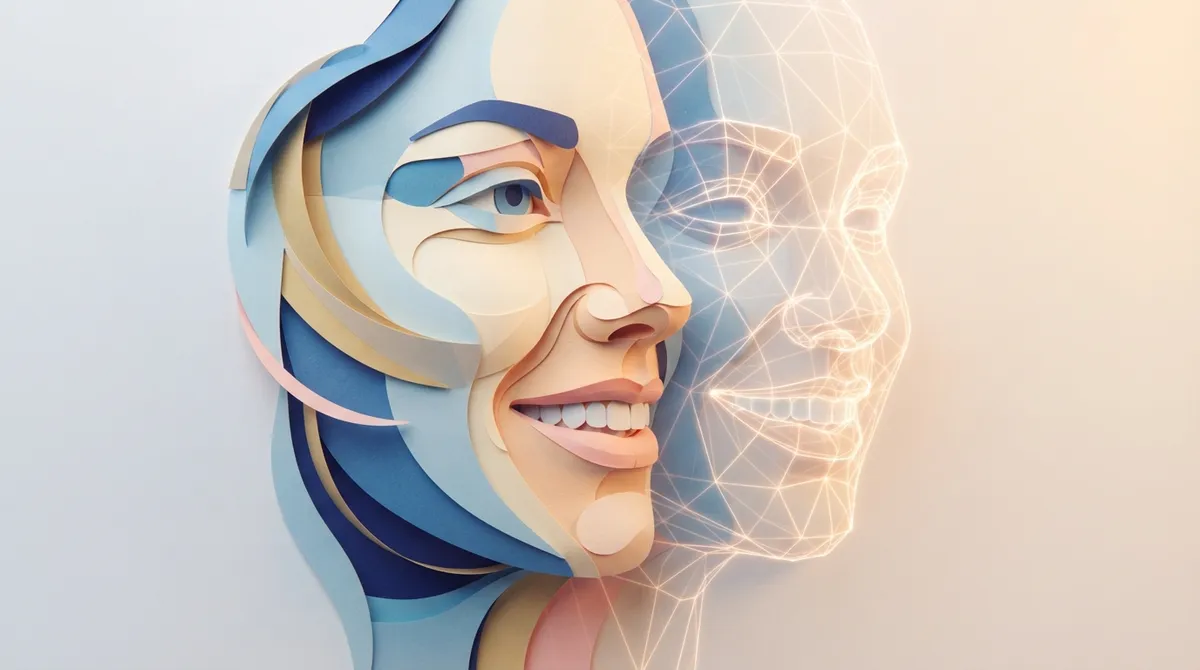
Digital smile planning creates a preview of your future smile by analyzing your entire face, not just teeth alone, considering how teeth relate to lips, facial structure, and expressions in photos.
-
Research shows patients using 3D digital simulations rate treatment intuitiveness 9.7/10 and overall satisfaction 9.0/10 compared to 6.4/10 and 7.1/10 with conventional methods, significantly improving understanding and confidence.
-
Digital simulations are planning guides, not guarantees—actual results vary based on tooth movement response, consistent wear of aligners/braces, growth changes, and soft tissue changes over time.
-
3D digital planning excels in complex multi-specialist cases involving veneers, gum recontouring, implants, or jaw surgery, allowing orthodontists, surgeons, and restorative dentists to align on treatment goals and reduce confusion.
-
The technology benefits patients of all ages: parents see growth-related previews for children, teens visualize before major events like graduation, and adults explore discreet options like clear aligners with confidence.
-
While AI is emerging to reduce design time and improve patient understanding, only five high-quality studies validate digital planning outcomes, so researchers emphasize more standardized research is needed for long-term result claims.
Ever wonder what your smile will look like before you even start treatment? That’s exactly what digital smile planning can show you. If you’re a parent researching braces for your child, a teen dreaming of a picture-perfect graduation smile, or an adult finally ready to fix your bite, this technology might be the missing piece you didn’t know you needed. Let’s walk through everything you need to know, in plain, friendly language, so you can feel confident about what’s possible for your smile.
At Brockway Orthodontics, we love using modern tools to help Clearwater families understand their treatment before they commit. Digital smile planning is one of those tools, and it’s changing the way orthodontists and patients talk about smiles. Below, we’ve broken down 14 key facts that will help you feel ready for your next visit.
1. What Digital Smile Planning Actually Means
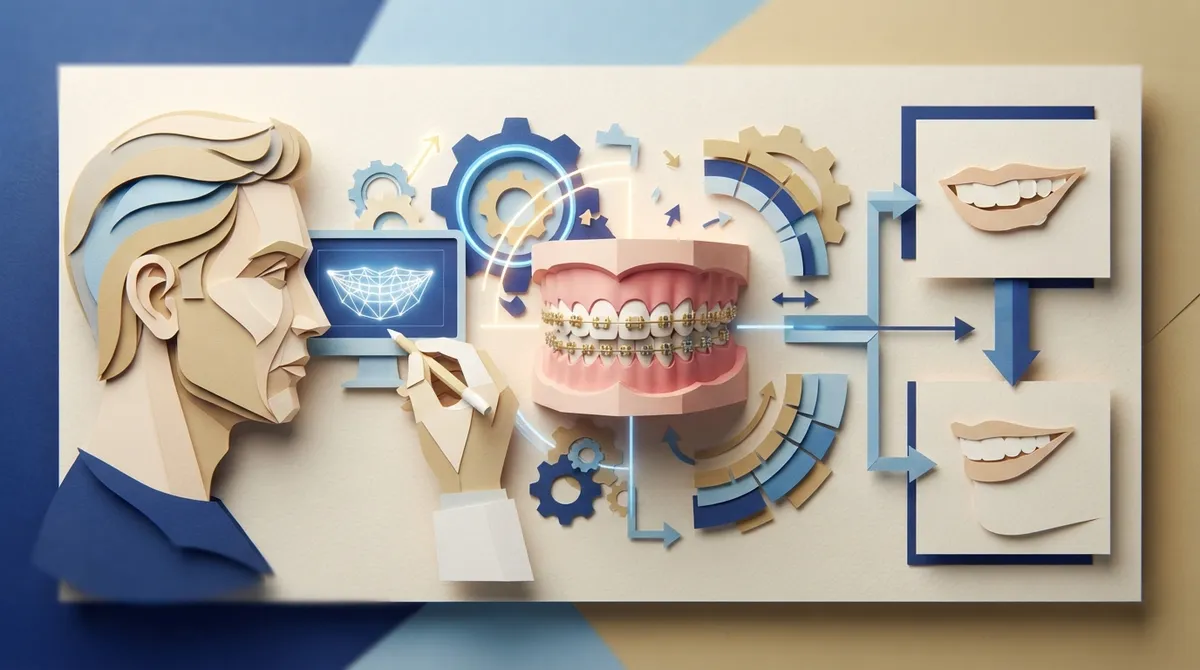
Digital smile planning uses photos, digital scans, and sometimes X-rays to create a preview of your future smile. It’s often called Digital Smile Design, or DSD for short. Orthodontists use special software to look at your face, teeth, gums, and bite all together, instead of just your teeth alone.
This matters because a smile isn’t just about straight teeth. It’s about how your teeth relate to your lips, your face, and even how you talk and smile in photos. This bigger-picture view helps your orthodontist plan treatment that fits you, not just a generic mold.
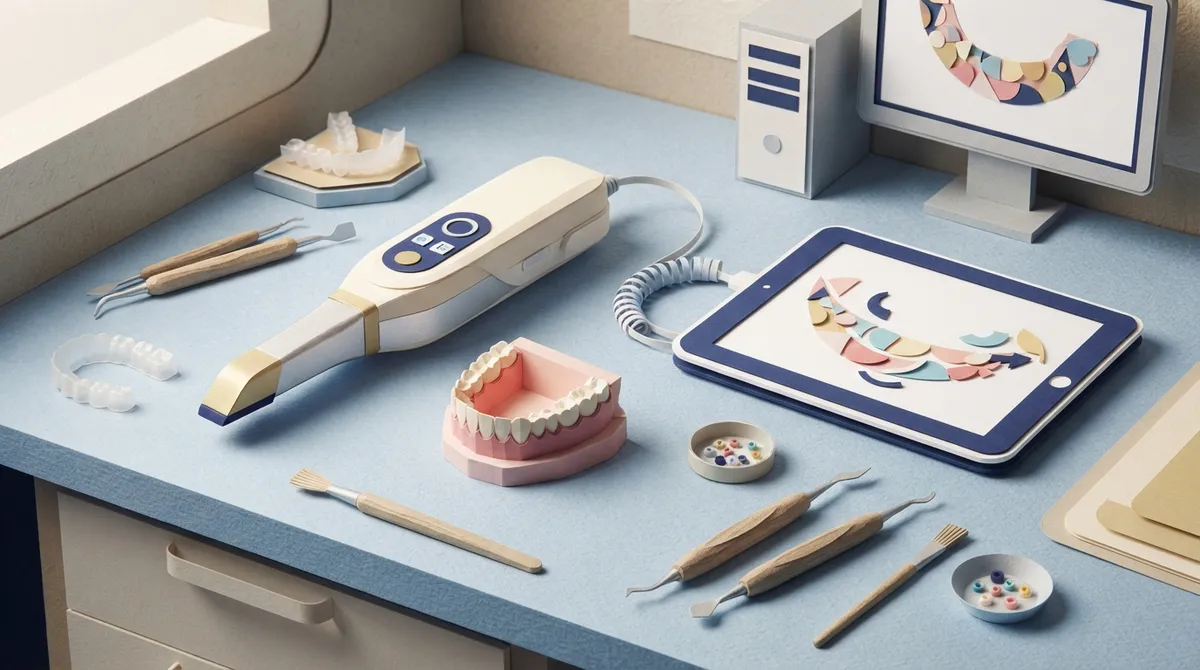
2. The Tools Behind the Technology
Several pieces of technology work together to make digital smile planning possible. Here’s what usually goes into the process:
- Standardized facial photos taken from multiple angles
- Digital intraoral scans that replace old-school putty molds
- Radiographs or 3D imaging (CBCT) when clinically needed
- Specialized software that maps your smile, gum line, and bite
- Virtual simulation tools that show possible treatment outcomes
Many practices, including ours, use digital impressions and 3D imaging to plan treatment with more precision than ever before. You can learn more about how we use these tools on our services page.
3. How the Process Works Step by Step
Curious what actually happens during a digital smile planning visit? Here’s a simple breakdown of the typical steps:
- Your orthodontist takes standardized photos of your face and smile
- A digital scanner captures detailed images of your teeth and bite
- Software analyzes your facial midline, smile arc, and tooth proportions
- The team reviews gum margins and how your teeth show when you smile
- A virtual simulation is created showing a possible treatment direction
- Your orthodontist reviews the plan and discusses options with you
- You get to see and ask questions about the proposed changes
This step-by-step approach helps everyone stay on the same page, from you to your orthodontist to any specialists involved in your care.
4. Why This Matters More Than Just Straight Teeth
Traditional orthodontic planning often focused mainly on dental models and measurements. Digital smile planning looks at the whole picture: your face, your smile line, and how your teeth show when you speak or laugh.
This is especially helpful for teens preparing for big life moments like graduation photos or homecoming. It’s also valuable for adult professionals who want a smile that looks natural and fits their face, not just numbers on a chart.
5. The Numbers Don’t Lie: Patient Satisfaction Data
Research backs up what many patients already feel: digital tools make treatment planning clearer and less stressful. A 2022 study published in BMC Oral Health looked at patient experiences with 3D treatment simulation compared to traditional methods.
| Measure | 3D Digital Simulation | Conventional Method |
|---|---|---|
| Intuitiveness Rating | 9.7 out of 10 | 6.4 out of 10 |
| Treatment Understanding | 9.1 out of 10 | 6.6 out of 10 |
| Overall Satisfaction | 9.0 out of 10 | 7.1 out of 10 |
These numbers show a clear pattern: patients who see a digital simulation tend to understand their treatment better and feel more satisfied with the process.
6. Not a Crystal Ball, But a Helpful Guide
Here’s something important to understand: a digital simulation is a planning tool, not a promise. Your actual results can differ from the virtual preview for several reasons.
- How your body responds to tooth movement
- Whether you wear your aligners or follow instructions consistently
- Growth changes, especially in younger patients
- Soft tissue and gum changes over time
- Differences between the digital plan and real-life treatment
Think of it like a weather forecast. It gives you a strong idea of what’s coming, but nature (or in this case, biology) always has the final say.
7. Two-Dimensional vs. Three-Dimensional Planning
Not all digital smile planning is the same. Some practices use 2D photo-based design, while others use full 3D workflows. Here’s how they compare:
| Feature | 2D Photo-Based Planning | 3D Digital Planning |
|---|---|---|
| Data Source | Photographs only | Scans, photos, and sometimes CBCT |
| Accuracy | Can be affected by lighting and angles | More comprehensive and precise |
| Equipment Needed | Camera and software | Intraoral scanner, imaging tools, software |
| Best For | Simple cosmetic previews | Complex cases involving multiple specialists |
Three-dimensional workflows generally give a fuller picture, but they also require more training, equipment, and time to set up correctly.
8. Perfect for Complex, Multi-Specialist Cases
Digital smile planning shines brightest when treatment involves more than just braces or aligners. If your case includes veneers, gum recontouring, dental implants, or jaw surgery, this technology helps everyone communicate clearly.
Orthodontists, oral surgeons, periodontists, and restorative dentists can all look at the same digital plan and stay aligned on the goal. This teamwork approach reduces confusion and helps create a smoother treatment journey for you.
9. It’s Not Just for Cosmetic Reasons
While digital smile planning helps you visualize a prettier smile, it’s really about function too. Your bite, jaw alignment, and tooth positioning all affect how well you chew, speak, and even breathe.
This is one reason the American Dental Association encourages patients to think of orthodontic care as part of overall oral health, not just appearance. You can read more about general oral health guidelines from the American Dental Association.
10. What About X-Rays and CBCT Scans?
Digital smile planning doesn’t replace a full orthodontic exam or necessary X-rays. In fact, 3D imaging like CBCT should only be used when there’s a real diagnostic reason, not just for cosmetic previews.
Responsible orthodontic offices follow professional guidelines about radiation exposure. The Florida Association of Orthodontists supports evidence-based standards for imaging and treatment planning across the state.
11. Great News for Kids, Teens, and Adults Alike
One common question we hear is whether digital smile planning works for all ages. The answer is yes! Here’s how it benefits different patients:
- Parents can see a preview of their child’s growth-related treatment plan
- Teens can visualize their smile before big events like prom or graduation
- Adult professionals can explore discreet options like clear aligners with confidence
- Patients returning after relapse can understand why retreatment is recommended
- Health-conscious patients with gum concerns can see how treatment supports both looks and function
Whether you’re considering early treatment for a child or exploring adult treatment options, digital planning helps set clear expectations from day one.
12. The Research Is Promising, But Still Growing
It’s worth being honest here: while patients love the improved communication digital planning offers, science is still catching up on long-term outcome data. A 2025 systematic review screened over 900 studies and found only five that met strict quality standards for analysis.
Of those five studies, four reported higher patient satisfaction with digital planning compared to traditional methods. That’s encouraging, but researchers agree more standardized studies are needed before making bold claims about superior long-term results.
13. How AI Is Shaping the Future of Smile Design
Artificial intelligence is starting to play a bigger role in digital smile planning. A 2025 review found that AI tools may reduce design time and improve how clearly patients understand their options.
However, the review also noted that evidence is still mixed and more controlled research is needed. As this technology matures, it’s likely we’ll see even more personalized and efficient planning tools in orthodontic offices, including ours right here in Clearwater.
14. What to Expect at Your Consultation
If you’re ready to see your own digital smile plan, here’s what a typical first visit might include:
- A friendly conversation about your goals and concerns
- Digital photos and scans of your teeth and face
- A review of your bite, jaw alignment, and gum health
- A walkthrough of your simulated treatment plan
- A discussion of treatment options like braces or Spark™ Clear Aligners
- Time for your questions, because we want you to feel fully informed
Dr. Brockway takes the time to walk you through every step, so you never feel rushed or confused about your options. Our team believes education is just as important as treatment itself.
Why Clearwater Families Trust Brockway Orthodontics
Choosing the right orthodontist matters just as much as choosing the right technology. Dr. Brockway combines modern digital tools with genuine, personal care for every patient who walks through our doors. We proudly serve families throughout Clearwater, offering everything from traditional metal braces to ceramic braces and affordable Spark™ Clear Aligners.
We also know that life gets busy, which is why we sometimes offer same-day treatment options for qualifying patients. Whether you’re a parent bringing in your child for the first time or an adult exploring options for a career-friendly smile makeover, our team is here to guide you with warmth and clarity. Curious what other patients say about their experience? Feel free to visit us on Google — Brockway Orthodontics to read real reviews from our community.
You can also connect with us and see smile transformations on Instagram or follow our updates on Facebook.
Ready to See Your Own Smile Plan?
Digital smile planning has made it easier than ever to understand your orthodontic journey before it even begins. From helping teens feel excited about their transformation to giving parents peace of mind about their child’s growth, this technology brings clarity and confidence to every stage of treatment. While no simulation can guarantee exact results, it gives you a powerful head start in understanding what’s possible for your smile.
If you’re ready to explore what digital smile planning could reveal about your own smile, our friendly Clearwater team would love to meet you. Book your appointment online today and take the first step toward a smile you’ll love for years to come.
FAQs
Q: What is digital smile planning in orthodontics?
A: Digital smile planning is a tech-powered way to preview your orthodontic results before treatment starts. It combines photos, digital scans, and sometimes X-rays to show how your teeth, gums, and smile might change over time. It’s a wonderful tool for feeling confident and informed before you commit to treatment!
Q: Is a digital smile simulation accurate?
A: It’s a helpful guide, but not a guarantee. Your actual results can vary based on things like tooth movement, growth, and how consistently you wear your aligners or braces. Think of it as a strong preview, not a promise carved in stone.
Q: Does digital smile planning replace X-rays or a traditional exam?
A: Nope, it works alongside them, not instead of them! X-rays and full exams are still essential for diagnosing your specific needs. Digital planning simply adds a visual layer to help you understand your treatment plan better.
Q: Can digital smile planning be used for kids and teens?
A: Absolutely, and it’s actually a favorite among parents. It helps families see potential outcomes early, which is especially reassuring when planning treatment around a child’s growth and development.
Q: How much does digital smile planning cost?
A: Costs vary depending on the practice and complexity of your case, and many orthodontists include it as part of your overall consultation. The best way to know for sure is to ask during your visit, so you get a clear, personalized answer.
Our Service Area