Key Takeaways
-
Wear your retainer full-time for the first few months after braces, then switch to nighttime-only wear long-term, as teeth can shift at any age due to natural bone changes and aging.
-
Never force a retainer that feels tight or doesn't fit properly; contact your orthodontist immediately as this signals tooth movement and forcing it could cause pain or additional shifting.
-
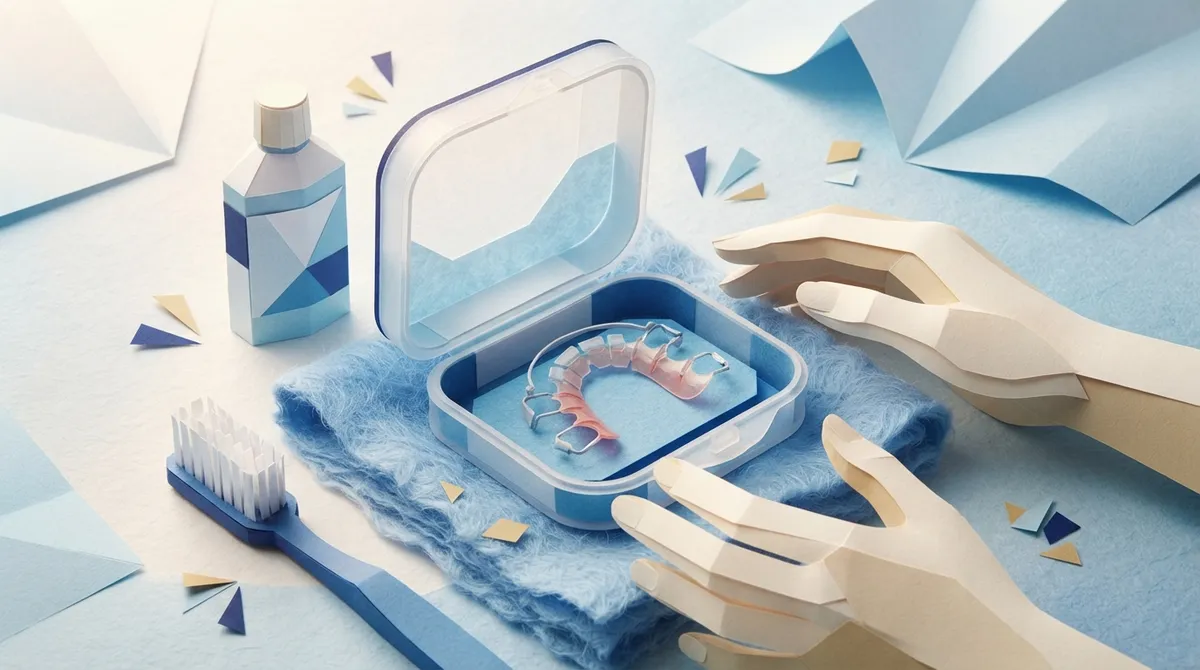
Clean your retainer daily by rinsing and gently brushing with a soft toothbrush using lukewarm water, and soak it weekly in a cleaning solution to prevent bacteria buildup and maintain its shape.
-
Always store your retainer in its protective case when not wearing it, as napkins and pockets are the leading causes of loss or damage; keep it away from pets and heat exposure.
-
Replace your retainer if it shows visible cracks, discoloration, warping, loose fit, or persistent odor, as damaged retainers won't hold teeth properly and costs range from $100-$700 depending on type.
-
Research shows fixed bonded retainers average only 0.2mm of tooth relapse compared to 0.8-1.0mm with removable retainers, but they carry bond failure risks of 3.5-53%, so consult your orthodontist for the best option for your teeth.
So, you just got your braces off or finished your last clear aligner tray. Congratulations! That new smile deserves a big celebration. But here’s a little secret every orthodontist wants you to know: the real work of keeping that smile straight starts now, with your dental retainer. Think of your retainer as the loyal sidekick to all the hard work you just put in. It’s not glamorous, but it’s absolutely essential.
At Brockway Orthodontics, we see this moment all the time. Patients are thrilled with their new smiles, and then a little nervous about what comes next. That’s completely normal! This guide will walk you through everything you need to know about caring for your retainer, so your smile stays exactly where you want it, for years to come.
What Is a Dental Retainer and Why Do You Need One?
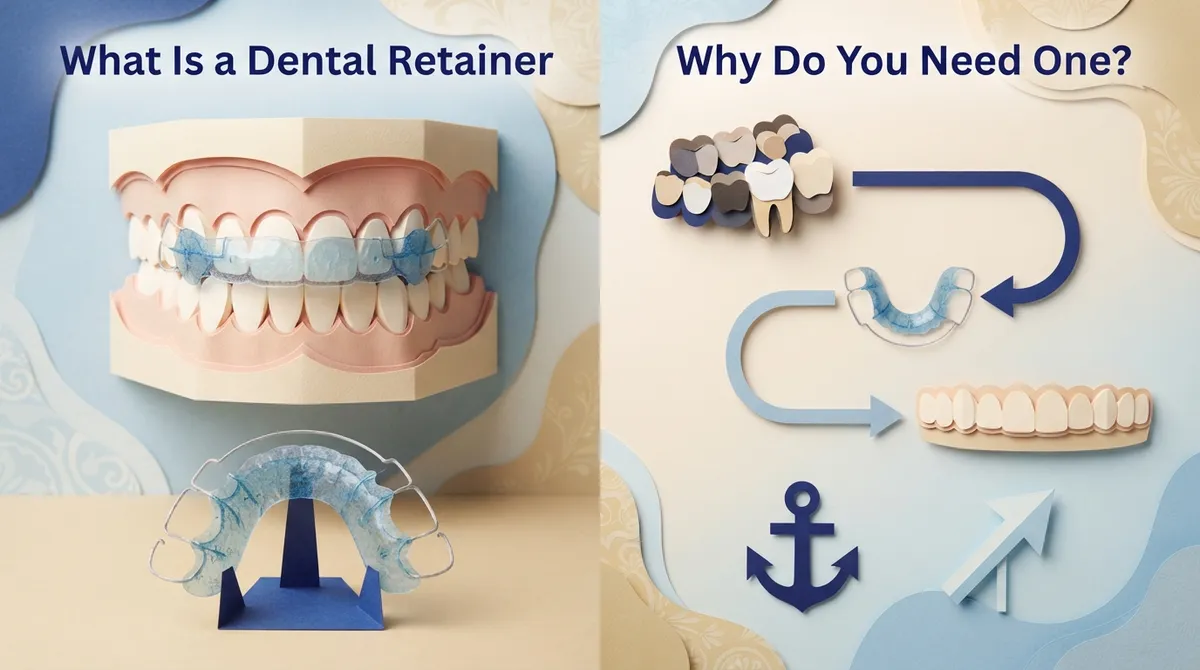
A dental retainer is a custom-made appliance you wear after braces or clear aligner treatment. Its job is simple but important: it holds your teeth in their new, corrected positions. Without a retainer, your teeth can slowly drift back toward where they used to be. This process is called orthodontic relapse, and it happens more often than people expect.
Here’s the truth many patients don’t realize until later: your teeth never fully “settle” into place. Bone and gum tissue need time to adjust, and even after that, teeth can shift naturally with age, growth, and daily habits. That’s why wearing a retainer isn’t just a suggestion, it’s a critical final step in your braces or clear aligner journey.
Types of Dental Retainers: Which One Fits Your Life?
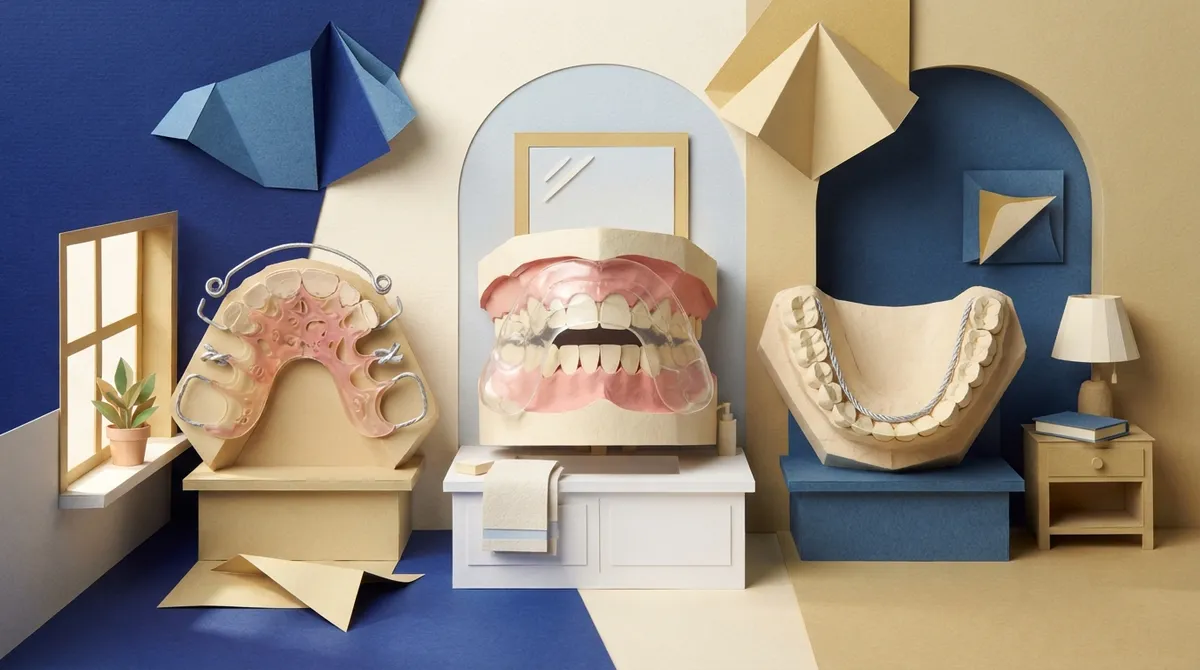
Not all retainers look or work the same way. Your orthodontist will help you choose the best type based on your treatment, lifestyle, and personal preference. Let’s break down the three main options.
1. Clear Removable Retainers
These are thin, clear plastic trays that fit snugly over your teeth. They’re molded specifically to your smile using digital impressions, making them comfortable and nearly invisible. Many patients love these because they can pop them out to eat, brush, and enjoy special occasions.
2. Hawley Retainers
This classic style uses a mix of acrylic and metal wire. The acrylic piece sits against the roof of your mouth (or behind your lower teeth), while the wire wraps around your front teeth. Hawley retainers are durable and can be adjusted slightly if needed, which some orthodontists prefer for certain cases.
3. Fixed (Bonded) Retainers
These retainers are small wires bonded directly behind your teeth, usually on the lower front teeth. They stay in place all the time, so there’s no risk of forgetting to wear them. However, they require careful brushing and flossing since food and plaque can build up around the wire.
| Retainer Type | Removable? | Typical Cost (per arch) | Best For |
|---|---|---|---|
| Clear Vacuum-Formed | Yes | $100–$300 | Discreet, everyday wear |
| Hawley Retainer | Yes | $150–$300 | Durability and adjustability |
| Fixed Bonded Retainer | No | $250–$700 | Long-term, low-maintenance retention |
Pricing can vary based on your location, provider, and whether an exam is included. If you’re curious about your specific options, our retainer services page has more details, or you can always get in touch with our team for personalized guidance.
How to Care for Your Dental Retainer: Step-by-Step
Taking care of your retainer doesn’t have to be complicated. Follow these simple steps to keep it clean, functional, and comfortable for years.
- Rinse it every time you remove it. This prevents saliva and bacteria from drying onto the surface.
- Brush gently with a soft toothbrush. Use lukewarm or cool water, never hot, since heat can warp plastic retainers.
- Avoid toothpaste with harsh abrasives. These can scratch the surface and create spots where bacteria hide.
- Soak it weekly in a retainer cleaning solution. This helps remove buildup that brushing alone might miss.
- Store it in its case when not in your mouth. Napkins and pockets are common places retainers get lost or damaged.
- Keep it away from pets. Dogs especially seem to love the smell of retainers, and they can be destroyed in seconds.
- Bring it to your regular checkups. Your orthodontist can check the fit and spot small issues before they become big problems.
These habits take just a few minutes each day but make a huge difference in how long your retainer lasts and how well it works.
How Long Do You Need to Wear a Retainer?
This is probably the question we hear most often at our Clearwater office. The honest answer? It depends on your individual treatment and your orthodontist’s recommendation. That said, here’s a general pattern many patients follow.
- Full-time wear (except eating and brushing) for the first few months after treatment
- Gradual transition to nighttime-only wear
- Long-term nighttime wear, often for years or even indefinitely
- Regular check-ins with your orthodontist to monitor fit and tooth position
- Prompt replacement if the retainer is lost, cracked, or no longer fits well
According to the American Dental Association, retention is generally considered a long-term commitment. Teeth can shift due to aging, gum changes, and even natural growth patterns, so skipping retainer wear can undo years of hard work surprisingly fast.
What Does the Research Say About Retainer Effectiveness?
Science backs up what orthodontists have said for years: retainers matter, but the right type and schedule can vary from person to person. A 2023 Cochrane systematic review looked at 47 studies involving 4,377 participants and found that while both fixed and removable retainers can work well, much of the existing evidence is considered low or very low certainty. This doesn’t mean retainers don’t work, it means researchers are still refining the best practices for different situations.
Here are a few more interesting data points worth knowing:
- A 2020 meta-analysis found average shifts of about 0.72 mm for lower removable retainers and 0.48 mm for upper removable retainers during the retention period studied.
- A 2024 study reported average front-teeth relapse of just 0.2 mm with permanent (fixed) retainers, compared to 1.0 mm with Hawley retainers and 0.8 mm with clear plastic retainers.
- Bond failure rates for fixed retainers ranged widely, from about 3.5% to 53% for metal retainers, depending on materials and technique used.
These numbers show that while fixed retainers may offer stronger results in some studies, they aren’t without their own risks, like bond failure. This is exactly why working with an experienced orthodontist matters so much. Every mouth is different, and your treatment plan should reflect that.
Common Retainer Problems and What to Do About Them
Even with great care, retainers can run into issues. Here’s how to handle the most common ones.
My Retainer Doesn’t Fit Anymore
Never force a retainer that feels tight or doesn’t seat properly. This could mean your teeth have already started shifting, and forcing it could cause pain or even more movement. Call your orthodontist right away instead of waiting it out.
My Retainer Is Cracked or Broken
Stop wearing it and contact your orthodontic office as soon as possible. Even small cracks can grow bigger fast, and a broken retainer won’t hold your teeth properly.
I Lost My Retainer
It happens more than you’d think! Reach out to your orthodontist quickly. The longer you go without a retainer, the more your teeth may shift, making replacement molds trickier.
My Fixed Retainer Feels Loose
A loose wire means the bonding has likely failed. This needs professional attention quickly, since a partially detached wire can poke your tongue or cause uneven tooth movement.
Replacement Retainers: What to Expect
Retainers don’t last forever. Plastic ones especially tend to wear out or lose their shape over time. Here’s a quick rundown of when replacement is typically needed:
- Visible cracks, discoloration, or warping
- A noticeably loose or tight fit
- Odor that doesn’t go away even after cleaning
- Damage from pets, heat exposure, or accidental bending
- Your orthodontist recommends an upgrade based on your checkup
Replacement costs generally range from $100 to $300 for clear retainers and up to $700 per arch for bonded options, depending on your provider and location. If you’re due for a new one, our first visit page explains what to expect when you come in for a fitting.
Why Choose Brockway Orthodontics for Retainer Care in Clearwater
Dr. Brockway and her team have helped countless families throughout Clearwater protect their smiles long after braces come off. We offer a full range of orthodontic services, including retainer fittings, adjustments, and replacements for patients of every age. Whether you’re a teen who just finished treatment or an adult returning after years without a retainer, we’re here to help.
We also proudly serve patients considering adult orthodontic treatment and families exploring options for teens. Our office uses modern digital scanning technology, so getting a properly fitted retainer is quick and comfortable, no messy molds required.
Curious what other patients think? You can visit us on Google to see Brockway Orthodontics reviews from real families in the Clearwater area. We’re also active on Facebook and Instagram, where we share smile transformations and helpful tips.
A Few Retainer Habits That Make a Big Difference
Small daily habits can add up to a lifetime of smile stability. Keep these in mind:
- Never wrap your retainer in a napkin, it’s the number one way retainers get accidentally thrown away
- Take it out before swimming to avoid bacteria buildup
- Avoid chewing gum while wearing removable retainers
- Travel with a spare case so you’re never without protection for it
- Ask your orthodontist about backup retainers, especially if you travel often
The Florida Association of Orthodontists also recommends routine professional checkups to catch small fit issues before they turn into bigger orthodontic problems. Staying proactive really does pay off.
Bringing It All Together
Your dental retainer might seem like a small piece of plastic or wire, but it plays a huge role in protecting your investment in your smile. Whether you choose a clear removable retainer, a classic Hawley, or a fixed bonded option, consistent care and regular checkups are the keys to long-term success. Every smile journey is different, and that’s exactly why personalized guidance from an experienced orthodontist matters so much.
If you have questions about your current retainer, need a replacement, or you’re just starting to think about life after braces, our friendly Clearwater team would love to help. Ready to protect that beautiful smile you worked so hard for? Book your appointment online today and let’s keep your smile exactly where it belongs.
FAQs
Q: How long do I need to wear a dental retainer after braces?
A: Most orthodontists recommend wearing your retainer full-time for the first few months, then switching to nights only. Many patients continue nighttime wear for years, or even indefinitely, since teeth can shift at any age. Your orthodontist will give you a personalized schedule based on your specific treatment.
Q: Do I need to wear my retainer forever?
A: In most cases, yes, at least on a part-time basis! Teeth naturally shift over time due to aging, gum changes, and daily habits, even years after braces come off. Think of it as a small nightly habit that protects a big investment in your smile.
Q: What is the difference between a clear retainer and a Hawley retainer?
A: A clear retainer is a see-through plastic tray molded to fit your teeth, while a Hawley retainer uses acrylic and metal wire. Clear retainers tend to be more discreet, while Hawley retainers are often more durable and can be adjusted if needed. Your orthodontist can help you decide which fits your lifestyle best.
Q: How do I clean and store my orthodontic retainer?
A: Rinse your retainer every time you take it out, and brush it gently with a soft toothbrush and lukewarm water. Avoid hot water, since it can warp plastic retainers, and always store it in its case to prevent loss or damage. A weekly soak in a retainer cleaner also helps keep it fresh.
Q: How much does a replacement orthodontic retainer cost?
A: Replacement clear retainers typically cost between $100 and $300, while Hawley retainers run about $150 to $300. Fixed bonded retainers tend to cost more, often between $250 and $700 per arch, depending on your provider and location.
Our Service Area