Key Takeaways
-
Schedule your child's first orthodontic evaluation by age 7, when the jaw is still moldable and an orthodontist can guide growth before problems become complex and expensive to fix.
-
Early Phase 1 treatment can reduce Phase 2 braces duration by an average of 6-12 months, potentially lowering overall costs despite upfront expenses.
-
Early intervention corrects jaw misalignment and protruding teeth, preventing serious complications like dental trauma, breathing problems, and the need for jaw surgery later.
-
Palate expanders and other Phase 1 appliances can widen the upper jaw to improve airway function, leading to better sleep quality and school focus.
-
Straightening teeth early eliminates crowding, making oral hygiene easier and reducing cavity and gum disease risk throughout your child's life.
-
Early orthodontic treatment boosts your child's confidence during formative school years by giving them a smile they're proud of among their peers.
Every parent wants the best for their child. But when it comes to orthodontic care, many families wait too long to seek help. Skipping or delaying early orthodontic treatment is one of the most common — and costly — mistakes parents make. The good news? It’s totally avoidable.
The American Dental Association and the American Association of Orthodontists (AAO) both recommend that children have their first orthodontic evaluation by age 7. At this age, a trained orthodontist can spot developing problems early and guide jaw growth before it becomes a bigger issue. Early treatment — also called Phase 1 or interceptive orthodontics — can set your child up for a healthier, happier smile for life.
Let’s explore the 14 mistakes parents make when they skip early orthodontic treatment and what happens as a result. If you’re curious about what early treatment looks like for your child, you’re in the right place.
What Is Early Orthodontic Treatment?
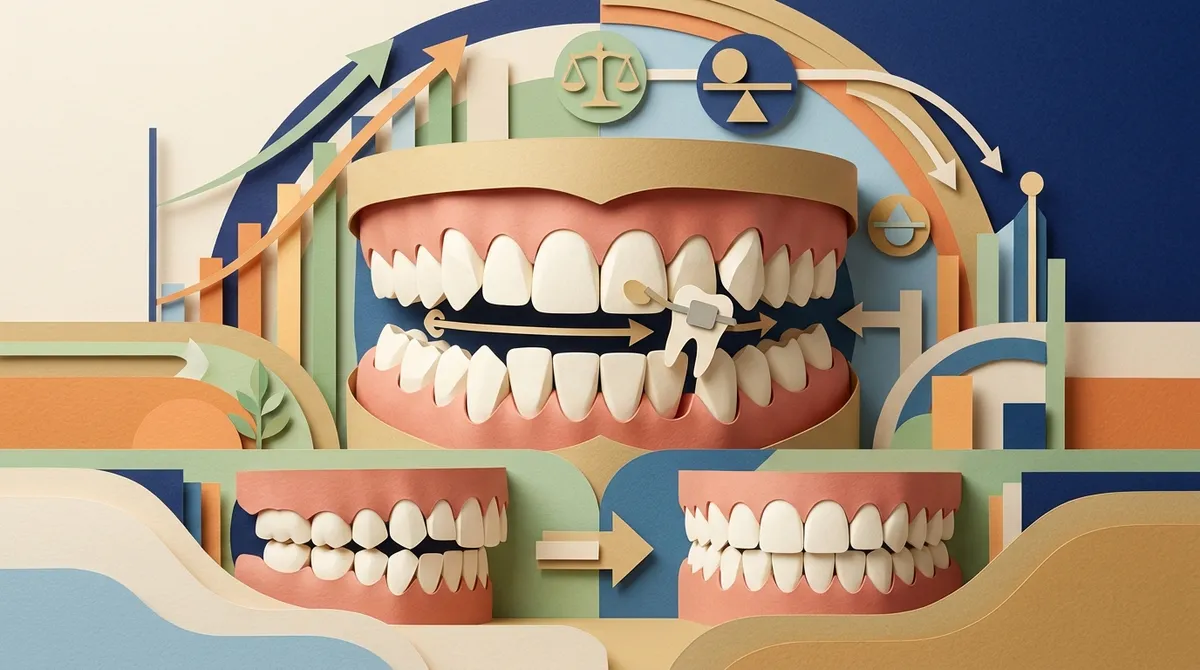
Early orthodontic treatment happens when a child is around 6 to 10 years old. Baby teeth are still present, but the permanent teeth are starting to come in. This is the ideal window to guide jaw development and catch problems before they get worse.
Phase 1 treatment typically lasts 10 to 15 months. Then, there’s a monitoring phase before Phase 2 (traditional braces or clear aligners) begins. Think of it like building a strong foundation before constructing a house. Learn more about how early intervention orthodontics in Clearwater can make a real difference.
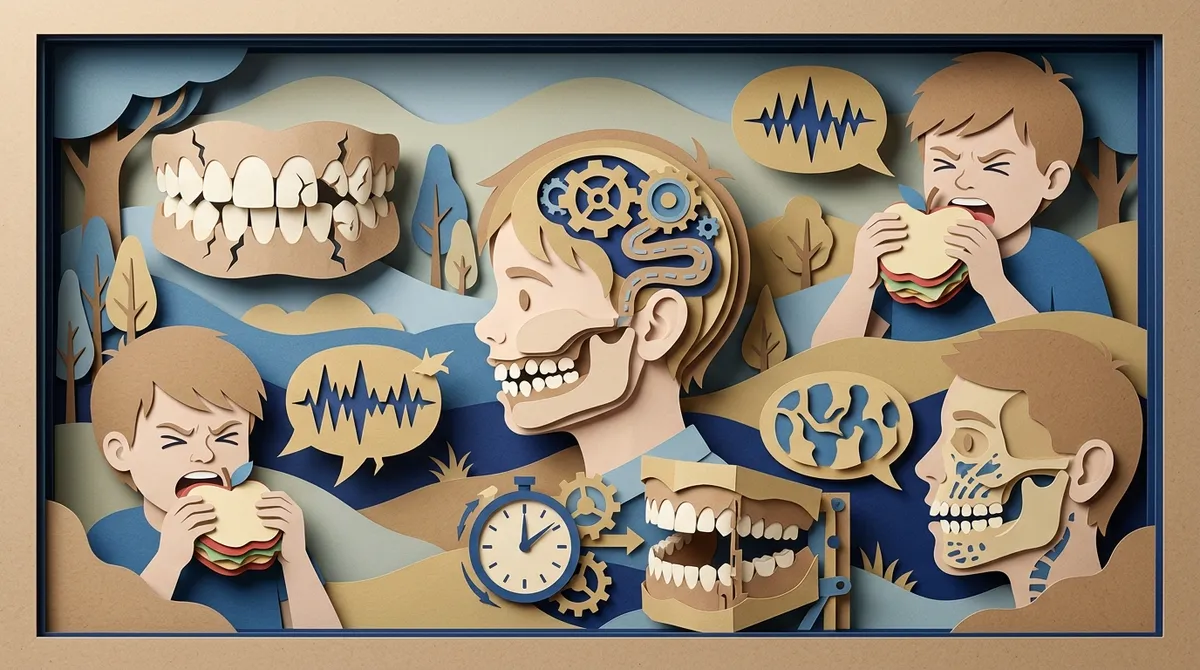
14 Mistakes Parents Make by Skipping Early Treatment
Mistake 1: Thinking “They’ll Grow Out of It”
Many parents assume crooked teeth or jaw misalignment will correct itself naturally. In most cases, this doesn’t happen. Without guidance, teeth continue to grow in the wrong direction, and the jaw keeps developing incorrectly.
Mistake 2: Waiting Until All Permanent Teeth Come In
Waiting until all permanent teeth have erupted means missing the best window for treatment. Jaw bones are still soft and moldable in younger children. After puberty, the jaw hardens, making corrections much harder and sometimes requiring surgery.
Mistake 3: Assuming Early Treatment Isn’t Worth the Cost
Many parents worry about the expense of Phase 1 treatment. But early treatment can reduce the total time in braces by an average of 6 to 12 months, according to AAO data. That means fewer appointments, less stress, and potentially lower overall costs. Check out financing and insurance options to make treatment more manageable.
Mistake 4: Ignoring Protruding Teeth
Teeth that stick out are more than just a cosmetic concern. They are at a much higher risk of being chipped or broken during a fall or sports activity. Early treatment can reposition these teeth and reduce the chance of dental trauma significantly.
Mistake 5: Overlooking Jaw Growth Problems
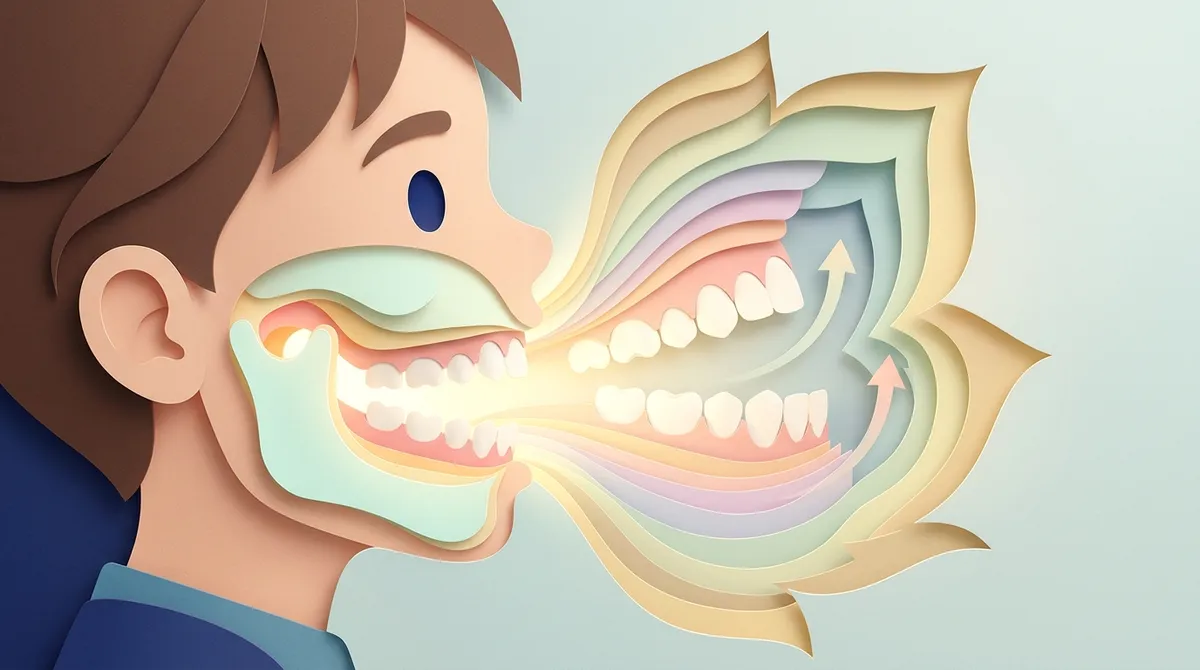
When the upper and lower jaws don’t grow properly together, it can affect a child’s bite, speech, and even breathing. Early orthodontic treatment guides proper jaw development to prevent these long-term complications. A study in the American Journal of Orthodontics and Dentofacial Orthopedics found that early treatment of severe overjet reduces the need for jaw surgery later.
Mistake 6: Not Addressing Breathing and Sleep Issues
A narrow upper jaw can cause mouth breathing and poor sleep quality. Palate expanders used in Phase 1 treatment can widen the jaw and improve airway function. Better breathing leads to better sleep, better focus in school, and a healthier overall development for your child.
Mistake 7: Missing the Window to Improve Speech
Teeth and jaw alignment play a big role in how your child forms certain sounds. Early misalignments can cause speech problems like lisping or difficulty with certain consonants. Early orthodontic intervention can improve speech articulation during those critical developmental years. Learn more about how braces affect speech.
Mistake 8: Letting Overcrowding Go Untreated
When there isn’t enough space in the mouth for permanent teeth, crowding happens. This can lead to impacted teeth that get stuck under the gum. Early treatment creates space for permanent teeth to come in properly, often eliminating the need for tooth extractions later.
Mistake 9: Skipping the First Orthodontic Evaluation
Many parents don’t realize their child should see an orthodontist as early as age 7. You don’t need a referral to schedule an evaluation! An early visit allows the orthodontist to monitor growth and plan ahead. Visit the Your First Visit page to know what to expect at Brockway Orthodontics.
Mistake 10: Ignoring the Impact on Self-Esteem
Children notice when their teeth look different from their classmates. Misaligned teeth can affect a child’s confidence during some of the most formative years of their life. Addressing alignment early gives kids a smile they’re proud of — and that confidence boost is truly priceless.
Mistake 11: Underestimating the Oral Hygiene Benefits
Crowded, overlapping teeth are much harder to brush and floss properly. This increases the risk of cavities and gum disease. Straighter teeth are easier to clean, which sets the foundation for better lifelong oral health. The Florida Association of Orthodontists highlights how early care directly supports long-term dental health.
Mistake 12: Assuming Phase 2 Will Fix Everything
Many parents figure they’ll just wait and put their child in braces when they’re a teen. But Phase 2 treatment is more effective, shorter, and easier when Phase 1 has already done the groundwork. Skipping Phase 1 can make Phase 2 longer and more complex than necessary. Explore what adolescent orthodontic treatment typically involves.
Mistake 13: Not Considering Facial Balance and Development
Jaw misalignment doesn’t just affect teeth. It can affect the symmetry and balance of your child’s entire face. Early orthodontic treatment shapes facial growth during the years when the bones are most responsive. The results can be truly transformative — both functionally and aesthetically.
Mistake 14: Delaying Because “It Can Wait”
This is perhaps the biggest mistake of all. Every year of delay is a year of missed opportunity for guided growth. Problems that are simple to fix at age 7 or 8 can become complex and expensive to treat at age 14 or 15. Timing matters more than most parents realize.
Key Benefits of Early Orthodontic Treatment at a Glance
Here’s a quick reference table comparing what happens with and without early orthodontic treatment:
| Issue | With Early Treatment | Without Early Treatment |
|---|---|---|
| Crowded teeth | Space created, fewer extractions needed | Impacted teeth, possible extractions later |
| Jaw misalignment | Guided growth, balanced development | Possible surgery in adolescence |
| Protruding teeth | Repositioned, lower injury risk | Higher risk of dental trauma |
| Breathing problems | Improved airway function | Continued mouth breathing and poor sleep |
| Phase 2 braces duration | 6–12 months shorter on average | Longer, more complex treatment |
| Oral hygiene | Easier to clean, fewer cavities | Harder to clean, higher cavity risk |

When Should My Child Have Their First Evaluation?
The AAO recommends the first orthodontic evaluation by age 7. At this point, the first permanent molars and incisors have usually come in. This gives an orthodontist enough information to evaluate the bite and spot any developing issues.
Here’s a simple timeline of what early treatment typically looks like:
- Age 7: First orthodontic evaluation to assess jaw growth and tooth development.
- Ages 7–10: Phase 1 treatment begins if needed, using expanders or partial braces. Typically lasts 10–15 months.
- Ages 10–12: Monitoring phase — the orthodontist watches permanent teeth as they come in.
- Ages 11–14: Phase 2 begins with full braces or clear aligners to perfect the final smile.
If you’re wondering when your child should first see an orthodontist, this guide walks you through the key signs to watch for.
Signs Your Child May Need Early Orthodontic Treatment
Not every child needs Phase 1 treatment, but certain signs suggest it’s worth a consultation. Watch for these red flags:
- Teeth that are visibly crowded or overlapping
- Early or late loss of baby teeth
- Difficulty chewing or biting food
- Mouth breathing or snoring at night
- Thumb sucking or pacifier use past age 4
- Teeth that don’t come together when biting
- A jaw that shifts or makes sounds when opening
- Speech issues such as a lisp or unclear articulation
If you notice any of these signs, it’s a great idea to schedule a consultation. You can book a free consultation online at Brockway Orthodontics — no referral needed!
What to Expect During a Phase 1 Evaluation
A first visit to an orthodontist is simple and stress-free. Here’s what typically happens during an early orthodontic evaluation:
- Visual exam: The orthodontist checks teeth alignment, jaw position, and bite.
- X-rays: Imaging helps reveal the position of unerupted permanent teeth and jaw structure.
- Treatment plan discussion: The orthodontist explains findings and recommends next steps.
- Appliance options: If treatment is needed, options like expanders or partial braces are discussed.
At Brockway Orthodontics in Clearwater, Florida, we make every child feel welcome and at ease. Visit us on Google — Brockway Orthodontics to see what our patients and families are saying about their experience with us.
Early Treatment vs. Waiting: A Quick Comparison
| Factor | Early Treatment (Phase 1) | Waiting Until Teens |
|---|---|---|
| Jaw correction | Highly effective — bones are still flexible | Limited — bones have hardened |
| Extraction risk | Low — space can be created naturally | Higher — may need teeth removed |
| Surgery risk | Reduced significantly | Increased for severe cases |
| Total treatment time | Shorter overall with Phase 1 + Phase 2 | Longer Phase 2 without Phase 1 prep |
| Child confidence | Improved during school years | May suffer during childhood |
Choosing the Right Orthodontist for Your Child
Not all orthodontists take the same approach to early treatment. You want a provider who takes time to explain options, monitors growth carefully, and creates a personalized plan. Look for someone who offers a warm, welcoming environment your child feels comfortable in.
Meet Dr. Brockway — a trusted orthodontist in Clearwater, Florida, who specializes in personalized care for patients of all ages. From young children in Phase 1 treatment to adults seeking smile improvements, Dr. Brockway and her team make the journey enjoyable every step of the way.
For families looking at braces and other options, check out this helpful guide on which braces are best for kids in 2026. You might also want to read about orthodontics for kids — what every parent should know.
Common Appliances Used in Phase 1 Treatment
| Appliance | Purpose | Who It Helps |
|---|---|---|
| Palate Expander | Widens the upper jaw to create space | Children with narrow palates or crossbites |
| Partial Braces | Aligns front teeth early | Children with significant crowding |
| Space Maintainers | Holds space after early tooth loss | Children who lose baby teeth too early |
| Headgear | Corrects jaw growth direction | Children with overbites or underbites |
| Habit Appliances | Discourages thumb sucking | Children with persistent oral habits |
Benefits of Early Orthodontic Treatment: A Quick Summary
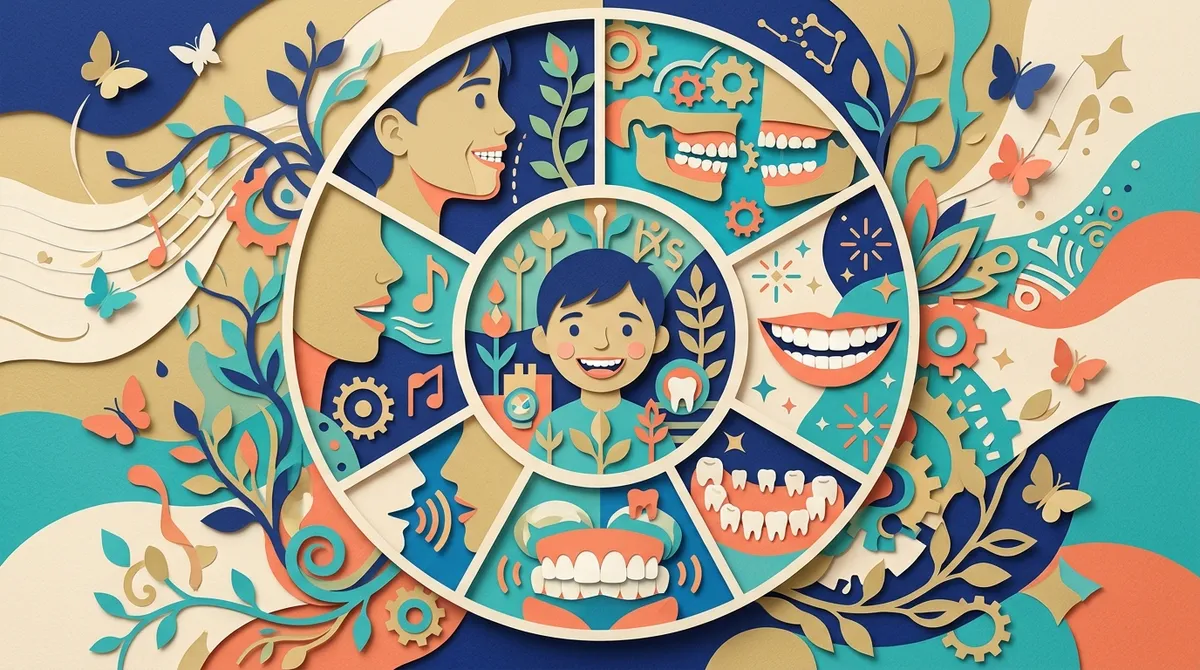
To wrap it all together, here are the key benefits of early orthodontic treatment that make a real difference in your child’s life:
- Guides jaw growth to create room for permanent teeth
- Reduces injury risk by correcting protruding teeth
- Improves breathing and sleep through jaw expansion
- Enhances speech by correcting alignment during development
- Boosts confidence with a better smile during childhood
- Shortens Phase 2 treatment by an average of 6–12 months
- Promotes better oral hygiene with straighter, easier-to-clean teeth
These benefits aren’t just cosmetic — they’re foundational to your child’s long-term health and happiness. To see early orthodontic treatment options in Clearwater, FL, the team at Brockway Orthodontics is ready to help your family get started.
Take the First Step Toward a Healthier Smile
If your child is around age 7 or older, now is the perfect time to schedule their first orthodontic evaluation. Don’t wait until problems get bigger or more expensive to fix. Early action is always the smartest move — for your child’s health, confidence, and your family’s peace of mind.
The Brockway Orthodontics Instagram is a great place to see real smiles and get inspired. And if you’re ready to take action, schedule your child’s free consultation today — it’s the best first step you can take for their smile and their future.
FAQs
Q: What age should my child have their first orthodontic evaluation?
A: The American Association of Orthodontists recommends a first evaluation by age 7! At this age, the jaw is still developing and an orthodontist can spot issues early, making treatment simpler and more effective. It’s never too early to get a head start on a healthy smile.
Q: Does early orthodontic treatment mean my child won’t need braces later?
A: Not always, but early treatment (Phase 1) often makes Phase 2 braces shorter and easier — by an average of 6 to 12 months! Think of Phase 1 as laying the groundwork so Phase 2 can do its job more efficiently. Many families find it’s well worth the early investment.
Q: What is Phase 1 orthodontic treatment?
A: Phase 1 is early interceptive orthodontic treatment that typically happens between ages 7 and 10. It uses appliances like palate expanders or partial braces to guide jaw growth and create space for permanent teeth. It usually lasts around 10 to 15 months and sets the stage for a beautiful final smile.
Q: Can early orthodontic treatment help with my child’s speech problems?
A: Yes, it absolutely can! Misaligned teeth and jaw issues can contribute to speech difficulties like lisping. Correcting alignment during the early developmental years often helps children articulate sounds more clearly. If you’ve noticed speech concerns, an orthodontic evaluation is a great first step.
Q: Is early orthodontic treatment worth the cost?
A: In most cases, yes! Early treatment can prevent the need for tooth extractions, jaw surgery, and longer Phase 2 treatment — all of which cost more in the long run. Many orthodontic offices, including Brockway Orthodontics, offer flexible financing options to make it more affordable for families.