Key Takeaways
-
Schedule your child’s first orthodontic evaluation by age 7 to catch jaw development and alignment issues early, which can prevent more complex procedures later.
-
Metal braces remain the most affordable ($3,000-$5,000) and effective option for all severity levels, while clear aligners work best for mild-to-moderate cases in responsible teens wearing them 20-22 hours daily.
-
Consider your child’s age, maturity level, and lifestyle when choosing braces: younger kids benefit from fixed metal braces, while teens may prefer invisible aligners or ceramic braces for social confidence.
-
Ceramic and self-ligating braces offer middle-ground options—ceramic provides tooth-colored aesthetics for image-conscious teens, while self-ligating braces reduce appointment frequency for busy schedules.
-
Most families can make braces affordable through flexible monthly payment plans and dental insurance coverage, with typical treatment lasting 12-24 months depending on case complexity.
-
After treatment ends, consistent retainer use is crucial to maintain results, as retainers play an essential role in keeping teeth straight for a lifetime.
As a parent, you want the very best for your child — including a healthy, beautiful smile. But when it comes to choosing the best braces for kids, the options can feel a little overwhelming. Metal? Clear? Ceramic? Self-ligating? Where do you even start?
The good news is that orthodontic treatment in 2026 is more advanced, more comfortable, and more kid-friendly than ever before. There are options that work well for active kids, options that are nearly invisible, and options that are budget-friendly. The key is understanding what each type offers so you can make the most informed choice for your child.
Whether your child is 7 or 17, this guide will walk you through everything you need to know about the best braces for kids. We’ll cover the most popular types, how they compare, and what factors to consider when making your decision. Let’s dive in!
Why Orthodontic Treatment Matters for Kids
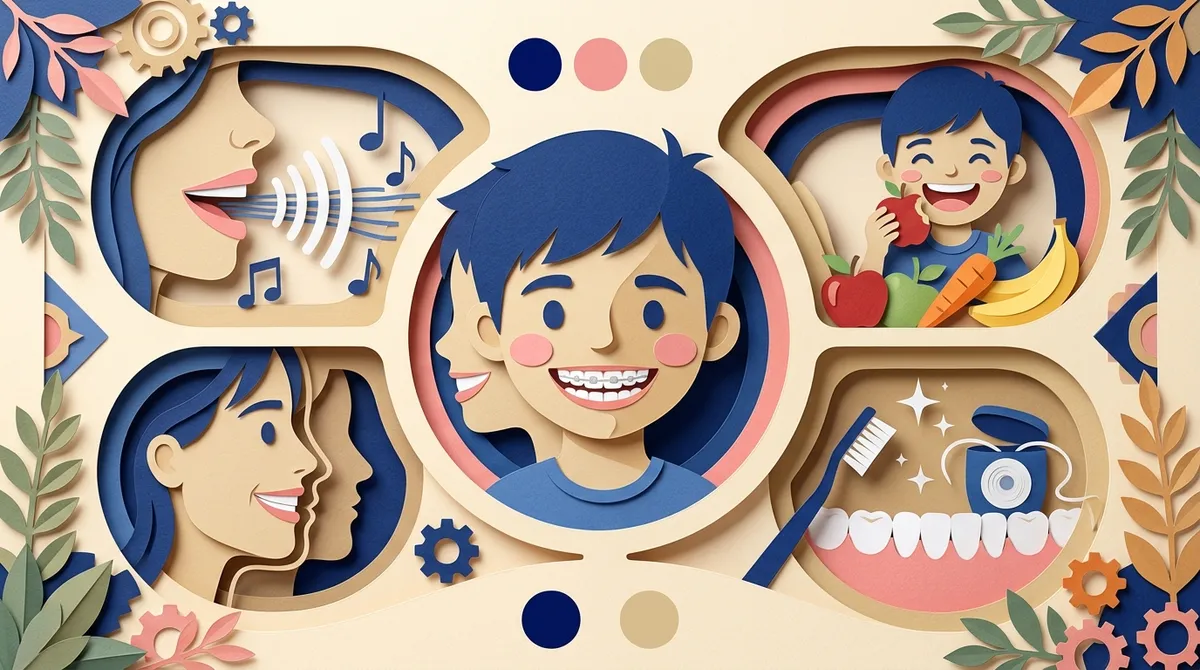
Straight teeth are about more than just looks. Properly aligned teeth are easier to clean, which means fewer cavities and healthier gums. A good bite also helps kids chew food properly, speak clearly, and avoid jaw pain as they grow.
The American Dental Association recommends that children have their first orthodontic evaluation by age seven. At this stage, an orthodontist can spot potential issues with jaw development or tooth alignment early. Early treatment can sometimes prevent the need for more complex procedures later on.
If you’re wondering when to get started, early treatment options can make a big difference in your child’s long-term oral health. Catching issues early often means shorter, simpler treatment down the road.
The Most Common Types of Braces for Kids
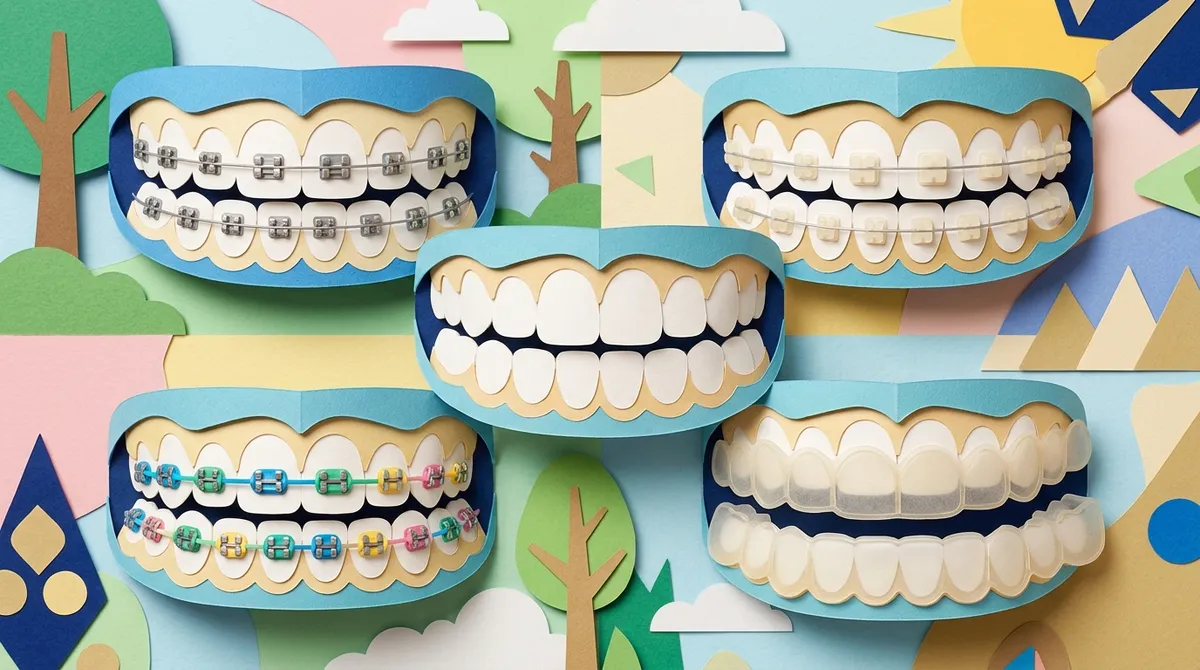
Let’s break down the main types of braces available for children and teenagers in 2026. Each has its own set of benefits, and the right choice depends on your child’s specific needs.
1. Traditional Metal Braces
Metal braces are the classic option — and for good reason. They are the most durable and cost-effective choice, especially for kids with more severe alignment issues. They work well for complex cases and don’t require your child to remember to wear or remove anything.
Modern metal braces are smaller and more comfortable than the ones many parents remember from their own childhoods. Many kids actually enjoy personalizing them with colorful bands. You can learn more about what to expect on our All About Braces page.
Key benefits of traditional metal braces:
- Most affordable option for most families
- Highly effective for all levels of misalignment
- No risk of losing or forgetting to wear them
- Fun, colorful band options kids love
- Very durable — hard to break or damage
2. Clear Aligners for Kids and Teens
Clear aligners have become hugely popular among teenagers who want a more discreet option. These removable trays are nearly invisible and don’t come with food restrictions. For teens who are self-conscious about their appearance, this can be a game-changer.
Clear aligners work best for mild to moderate cases. They are a great fit for teenagers who are responsible enough to wear them for the recommended 20 to 22 hours per day. Our Spark™ Clear Aligners offer some of the clearest, most comfortable aligner technology available today.
Key benefits of clear aligners for kids:
- Nearly invisible — great for image-conscious teens
- Removable, so eating and brushing is easy
- No food restrictions
- Smooth plastic is gentle on cheeks and gums
- Fewer emergency visits for broken wires or brackets
3. Ceramic Braces
Ceramic braces work just like metal braces, but the brackets are tooth-colored or clear. This makes them much less noticeable than traditional metal braces. They are a popular choice for older teens who want a more subtle look but aren’t good candidates for aligners.
The one downside? Ceramic brackets can stain if your child drinks a lot of soda or colored drinks. They can also be slightly more fragile than metal. For younger children, metal braces are usually the better choice. But for teens who care about aesthetics, ceramic braces offer a nice middle ground.
4. Self-Ligating Braces
Self-ligating braces look similar to traditional braces but use a built-in clip mechanism instead of elastic bands. This reduces friction on the wire, which can mean faster treatment and fewer adjustment appointments. The Damon System is one well-known example of self-ligating braces.
These braces can be a great option for kids with busy schedules, since fewer office visits are needed. They tend to be more comfortable during treatment and can sometimes achieve results a bit faster than traditional braces.
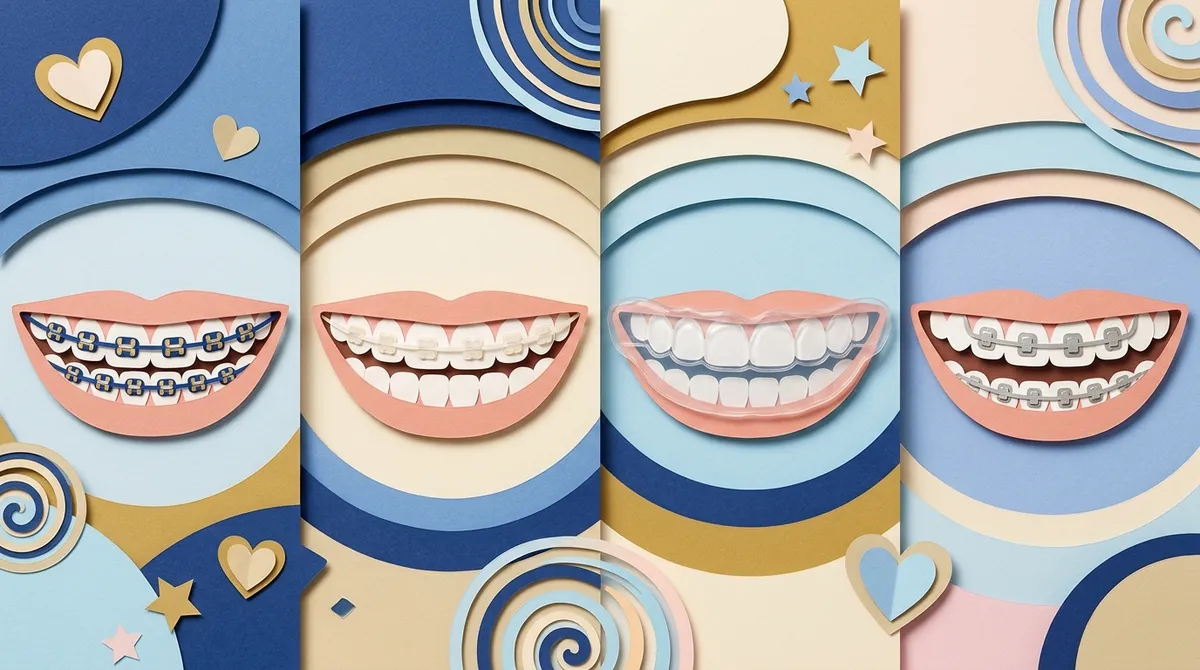
Braces for Kids: Side-by-Side Comparison
Here’s a quick comparison table to help you see how each option stacks up at a glance:
| Type | Visibility | Best For | Avg. Treatment Time | Cost Range |
|---|---|---|---|---|
| Metal Braces | Visible | All cases, especially severe | 18–24 months | $3,000–$5,000 |
| Clear Aligners | Nearly invisible | Mild to moderate cases | 12–18 months | $3,500–$6,000 |
| Ceramic Braces | Low visibility | Moderate cases, older teens | 18–24 months | $4,000–$5,500 |
| Self-Ligating Braces | Moderate | All cases, busy schedules | 12–20 months | $3,500–$5,000 |

How to Choose the Best Braces for Your Child
Choosing the right braces isn’t a one-size-fits-all decision. Here are the most important factors to consider when talking with your orthodontist:
- Severity of the case: Complex issues like severe crowding or bite problems almost always require fixed braces. Clear aligners work best for milder cases.
- Your child’s age and maturity: Younger kids often do better with metal braces since there’s nothing to remove or remember. Responsible teens may be great candidates for clear aligners.
- Lifestyle and activities: Kids in contact sports may need a mouthguard-friendly option. Teens in school plays or band may prefer a more discreet look.
- Budget and insurance: Metal braces are usually the most affordable. Check out our financing and insurance options to find a plan that works for your family.
- Your child’s preference: A child who is excited about their treatment is more likely to follow instructions and take care of their appliance.
What to Expect at Your Child’s First Orthodontic Visit
Many parents aren’t sure what happens at that first appointment. The good news is — it’s very relaxed! The orthodontist will take a look at your child’s teeth, jaw, and bite. They may use digital X-rays or 3D imaging to get a full picture of what’s going on.
After the evaluation, they’ll discuss their findings and recommend the best treatment plan for your child. This is a great time to ask questions about the different types of braces and what to expect. Check out our Your First Visit page to see what to expect and how to prepare.
Advanced technology now includes smart appliances with sensors for remote monitoring, 3D imaging for precise assessment, and bioactive coatings that help protect enamel health during treatment. This means better results with greater comfort than ever before. The Florida Association of Orthodontists supports ongoing advancements in patient care that benefit kids and families across the state.
Caring for Braces: Tips for Parents and Kids
No matter which type of braces your child gets, good oral hygiene is essential. Here are some helpful tips to keep things on track:
- Brush after every meal to remove food trapped around brackets or under aligners
- Use a soft-bristled toothbrush and fluoride toothpaste
- Floss daily — there are special orthodontic flossers that make this easier
- Avoid hard, sticky, or chewy foods if your child has fixed braces
- Always wear a retainer after active treatment ends to keep teeth in place
Once treatment is complete, retainers play a crucial role in keeping your child’s smile straight. You can read all about retention on our Retainers page to understand why this step is so important.
Braces Options by Age Group
The best braces for kids can also depend on their age. Here’s a general guide:
| Age Group | Recommended Option | Reason |
|---|---|---|
| Ages 7–9 | Myofunctional appliances or early intervention | Guide jaw growth before permanent teeth arrive |
| Ages 10–12 | Metal braces (most common) | Durable, effective, and easy to manage |
| Ages 13–16 | Metal, ceramic, or clear aligners | More options based on maturity and case complexity |
| Ages 17+ | Clear aligners or ceramic braces | Teens often prefer discreet options for social confidence |
For teens specifically, adolescent orthodontic treatment is designed to fit seamlessly into their active lifestyles. From school photos to social events, the right braces can help your teen feel confident every single day.
Teen Braces: Balancing Style and Function
Let’s be honest — teenagers care a lot about how they look. That’s completely normal! The great news is that today’s orthodontic options give teens real choices. From nearly invisible aligners to tooth-colored ceramic braces, there’s something that can fit every teen’s personality and lifestyle.
If your teen is excited about getting braces and wants to explore their options, check out our teen braces page for a closer look at what’s available in Clearwater. Style and function don’t have to be a tradeoff — your teen can have both!
Common Orthodontic Issues Braces Can Fix
Braces can treat a wide range of problems. Here’s a quick list of common issues that orthodontic treatment can address:
- Crowded or crooked teeth
- Overbite (upper teeth too far forward)
- Underbite (lower teeth stick out too far)
- Crossbite (teeth don’t meet correctly side to side)
- Open bite (teeth don’t meet when the mouth is closed)
- Gaps or spaces between teeth
Why Families in Clearwater Trust Brockway Orthodontics
At Brockway Orthodontics, Dr. Brockway and the team are passionate about helping kids and teens achieve healthy, confident smiles. With a warm, welcoming office and personalized treatment plans, every child is treated like family. The practice offers all the options discussed in this article — from traditional metal braces to Spark™ clear aligners — so your child gets exactly the care they need.
You can also check out Brockway Orthodontics on Google to read reviews from real families in the Clearwater area. Seeing what other parents and teens have experienced can help you feel confident about your choice.
Understanding the Cost of Kids’ Braces
Cost is one of the biggest factors for most families. Braces prices can vary depending on the type chosen, the complexity of treatment, and the length of time needed. Here’s a general breakdown:
| Factor | Impact on Cost |
|---|---|
| Type of braces | Metal is most affordable; ceramic and aligners cost more |
| Treatment complexity | Severe cases take longer and may cost more |
| Treatment duration | Longer treatment = higher total cost |
| Dental insurance | Many plans cover a portion of orthodontic treatment |
| Payment plans | Monthly financing options make treatment more accessible |
Many families are surprised to find that braces are more affordable than they expected — especially with flexible payment plans. Visit our financing and insurance page to learn about the options available to your family.
Steps to Get Your Child Started with Braces
- Schedule an evaluation: Book a consultation with an orthodontist. The earlier, the better — age seven is a great time for a first check-in.
- Review treatment options: Your orthodontist will explain which types of braces are best suited for your child’s needs.
- Discuss budget and timeline: Talk openly about cost, insurance, and how long treatment will take.
- Get your child involved: Let your child have a say in the decision. Kids who feel excited about their treatment are more cooperative.
- Begin treatment: Once the plan is set, it’s time to get started on the journey to a beautiful smile!
The Bottom Line: Which Braces Are Best for Your Child?
The best braces for kids are the ones that fit their specific needs, lifestyle, and case complexity. Traditional metal braces remain a top choice for their affordability and effectiveness. Clear aligners are a fantastic option for older, responsible teens with mild to moderate issues. Ceramic and self-ligating braces offer great middle-ground choices for families who want something a bit different.
The most important step is getting a professional evaluation so you can make an informed decision together with your orthodontist. Every child’s smile is unique — and their treatment plan should be too.
Ready to find the best option for your child’s smile? Schedule your free consultation with Brockway Orthodontics today and take the first step toward a lifetime of healthy, confident smiles. We can’t wait to meet your family!
FAQs
Q: What is the best age for a child to get braces?
A: Most kids are ready for braces between the ages of 10 and 14, when most permanent teeth have come in. However, the American Dental Association recommends a first orthodontic evaluation by age seven so potential issues can be spotted early. Early treatment can sometimes simplify or shorten the overall process!
Q: Are clear aligners a good option for kids?
A: Clear aligners can be a wonderful option for teenagers who are responsible about wearing them consistently — ideally 20 to 22 hours a day. They work best for mild to moderate alignment issues and are especially popular with teens who want a more discreet look. For younger kids or severe cases, traditional braces are usually the more reliable choice.
Q: How long do kids typically wear braces?
A: Treatment time varies depending on the type of braces and the complexity of the case, but most kids wear braces for somewhere between 12 and 24 months. After active treatment ends, your child will wear a retainer to keep their new smile in place. The great news is that the results last a lifetime!
Q: Do braces hurt for kids?
A: It’s completely normal for kids to feel some soreness for a day or two after braces are placed or adjusted. This is usually mild and manageable with over-the-counter pain relievers or soft foods. Most kids adapt quickly and don’t find braces uncomfortable on a daily basis — especially with today’s modern, lower-profile designs.
Q: How much do braces cost for kids, and is there financial help available?
A: The cost of braces for kids typically ranges from $3,000 to $6,000 depending on the type and complexity of treatment. Many dental insurance plans cover a portion of orthodontic costs, and most orthodontic offices — including Brockway Orthodontics — offer flexible monthly payment plans to help make treatment accessible for every family.