Key Takeaways
-
Traditional braces cost between $3,000-$7,500 without insurance and offer flexible financing options, making them more affordable than many people expect.
-
Treatment typically takes 12-24 months with regular adjustment visits every 4-12 weeks; missing appointments can slow progress, so consistent scheduling is critical.
-
Braces can fix complex bite problems including crowded teeth, gaps, overbites, underbites, and crossbites that aligners may not handle as effectively.
-
Maintain strict oral hygiene by brushing after meals and using floss threaders, and avoid hard/sticky foods to prevent bracket damage and cavities during treatment.
Thinking about traditional braces for yourself or your child? You’re in good company! Metal braces have helped millions of people get healthier, straighter smiles for decades, and they’re still one of the most trusted options out there. Whether you’re a parent researching options for your teen, a busy professional wondering if braces fit into your schedule, or an adult ready to fix that smile you’ve always wanted, this guide has you covered.
At Brockway Orthodontics, we love helping Clearwater families understand their options in simple, friendly terms. So let’s break down everything you need to know about traditional braces, from how they work to what they cost, so you can make the choice that’s right for you.
1. Traditional Braces Are Fixed, Not Removable
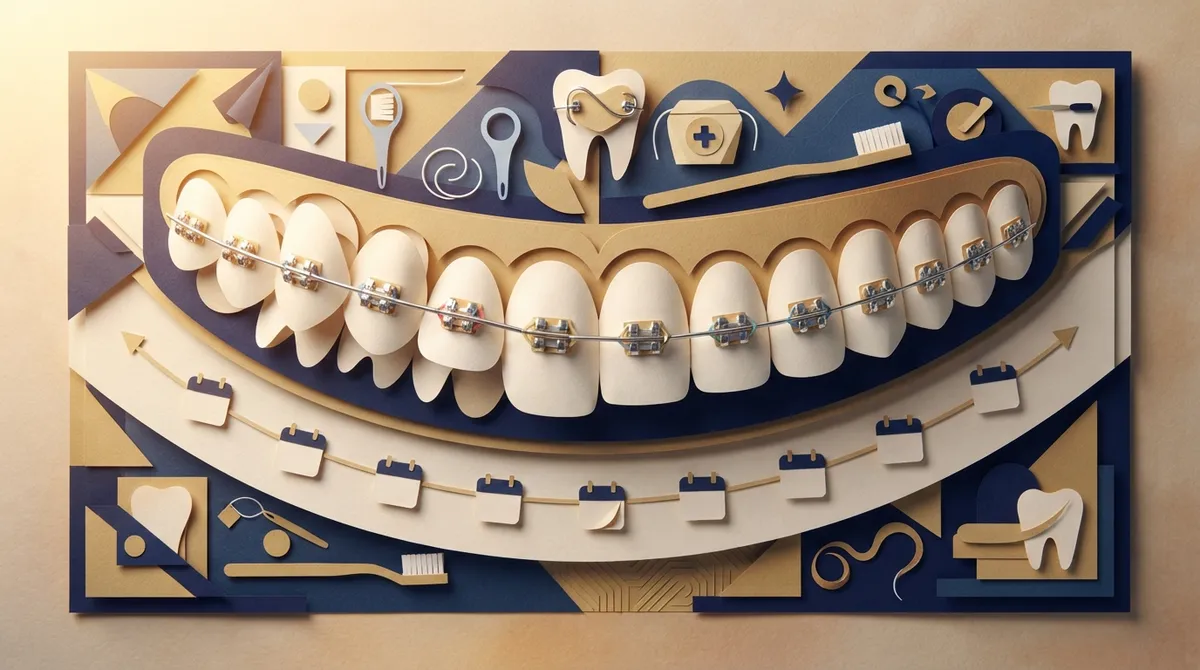
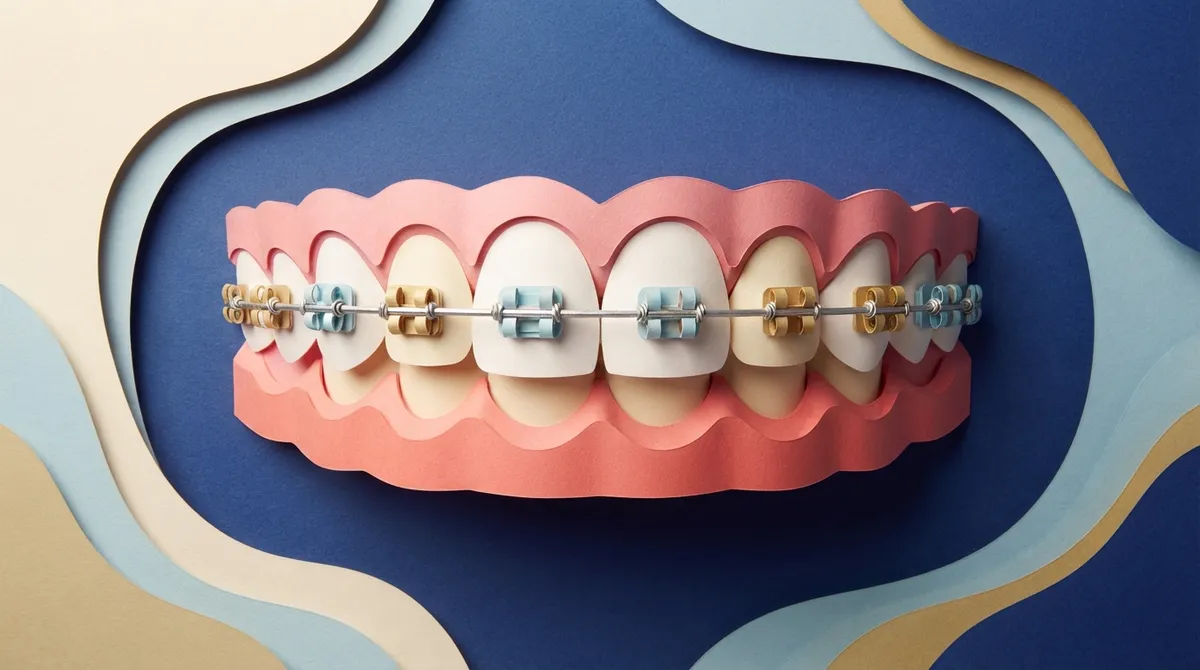
Traditional braces are made of small metal brackets bonded right onto your teeth. A thin metal wire, called an archwire, connects the brackets and applies gentle pressure to guide your teeth into place. Because they stay on your teeth the whole time, you never have to remember to put them in or take them out.
This makes them a great pick for anyone who wants consistent progress without extra effort. Kids and teens especially benefit here, since there’s no risk of losing an aligner or forgetting to wear it. You can learn more about how this treatment works on our All About Braces page.
2. They Can Fix Almost Any Bite Problem
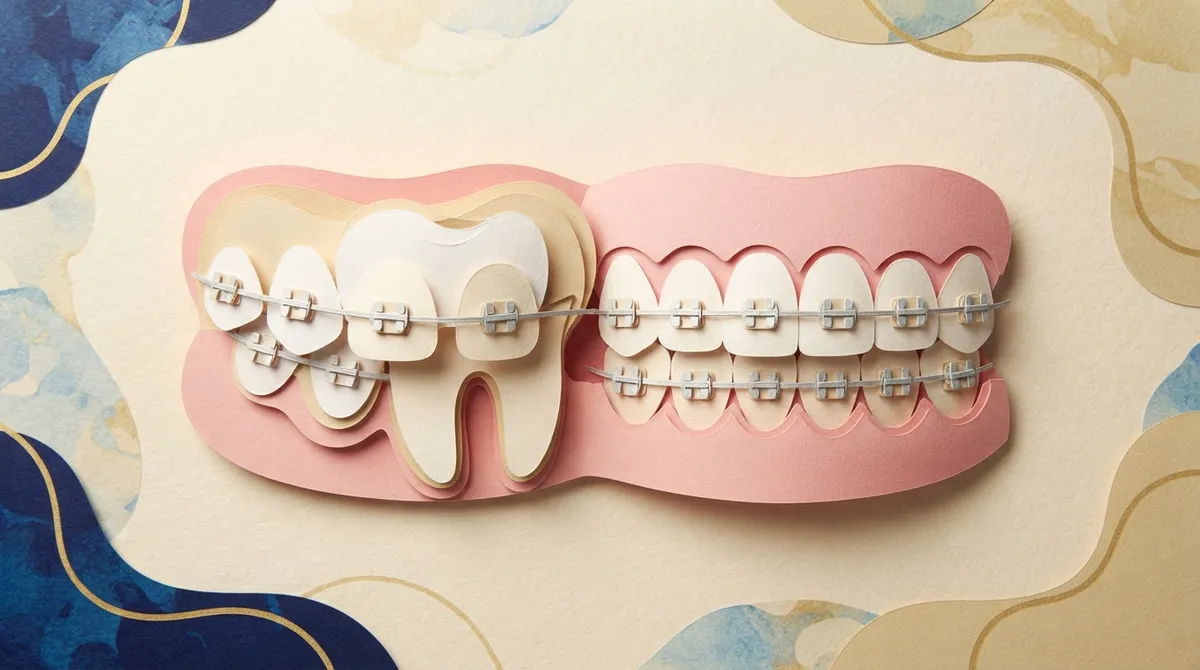
One of the biggest perks of traditional braces is how versatile they are. They can treat simple issues like slightly crooked teeth, but they also handle more complex problems.
- Crowded or overlapping teeth
- Gaps and spacing issues
- Overbites and underbites
- Crossbites
- Complex jaw alignment problems
Because braces don’t depend on patient cooperation to wear a device, they’re often recommended for tricky cases. If you’re curious whether braces can fix a specific issue, check out our article on how braces fix a deep overbite.
3. Treatment Usually Takes 12 to 24 Months
According to the American Dental Association, most patients wear braces for about one to two years. Simple cases might wrap up faster, while more complex tooth or jaw corrections can take longer.
Your exact timeline depends on a few things:
- How crowded or misaligned your teeth are
- Whether you need any teeth removed first
- Your age and jaw development
- How well you follow care instructions
- How often you keep your adjustment appointments
Curious about your own timeline? Our guide on how long braces take to work breaks it down further.
4. Adjustment Visits Happen Every 4 to 12 Weeks
Once your braces are on, you’ll come back for regular check-ins. During these visits, Dr. Brockway may tighten your wire, swap out elastic bands, or check how your teeth are moving. These appointments are quick, but they’re important for keeping your treatment on track.
Missing appointments can slow things down, so it helps to plan ahead. You can always book an appointment online to keep your schedule simple and stress-free.
5. Braces Cost Less Than You Might Think
Cost is often the biggest question on people’s minds. Published estimates show traditional metal braces typically cost between $3,000 and $7,500 without insurance. Your final price depends on your location, how complex your case is, and your provider.
| Factor | How It Affects Cost |
|---|---|
| Case complexity | More movement needed usually means a higher cost |
| Treatment length | Longer treatment can increase total price |
| Location | Prices vary by city and region |
| Insurance coverage | Can significantly lower out-of-pocket costs |
| Retainers | Often included, but confirm with your provider |
Brockway Orthodontics offers flexible financing and insurance options, so a great smile fits your budget too.
6. Metal Braces Are Tough and Reliable
Traditional braces are known for being sturdy. They’re built to handle daily wear and tear, which makes them a dependable choice for active kids and teens. While they’re less discreet than Spark™ Clear Aligners, many patients like knowing their braces are always working, even while they sleep.
If you’re weighing your options between braces and aligners, our comparison on traditional braces vs. clear aligners can help you decide.
7. Good Oral Hygiene Matters More Than Ever
Brackets and wires create extra spots where food and plaque can hide. This means brushing and flossing take a little more care while you have braces on.
Here are some simple habits to build:
- Brush after every meal with fluoride toothpaste
- Clean gently around each bracket and under the wire
- Use floss threaders or special orthodontic floss
- Consider a water flosser for extra cleaning power
- Keep up with regular dental cleanings
Skipping these steps can lead to white spots, cavities, or gum irritation. A 2025 systematic review found that fixed appliances can increase plaque buildup compared to clear aligners, so extra brushing effort really pays off.
8. Some Foods Are Off the Menu (For Now)
Hard, sticky, and chewy foods can damage your brackets or bend your wires. It’s best to avoid biting into these directly:
- Popcorn and hard candy
- Chewing gum and caramel
- Ice cubes
- Whole apples or carrots (cut them up instead)
- Nuts and hard pretzels
The good news? Most foods are still totally fine, especially when cut into smaller pieces. Check out our good foods for braces guide for meal ideas that won’t stress your braces.
9. Soreness Is Normal, But It Doesn’t Last
It’s common to feel some tenderness after getting your braces on or after an adjustment. Your cheeks and lips might also need a few days to get used to the brackets.
Most soreness fades within three to five days. Warm salt water rinses, orthodontic wax, and soft foods can make those first few days much more comfortable. If you ever have concerns, our team is always happy to help through contacting us directly.
10. Adults Get Great Results Too
Braces aren’t just for teenagers. More adults than ever are choosing orthodontic treatment to fix long-standing bite issues or teeth that have shifted over time. Whether you’re a busy professional or simply ready for a change, traditional braces can deliver excellent results at any age.
Our adult treatment page shares more about what to expect when starting braces later in life.
11. Retainers Keep Your New Smile in Place
Once your braces come off, the work isn’t quite done. Teeth naturally want to shift back over time, so wearing a retainer is key to protecting your results.
Your orthodontist will let you know how often to wear your retainer and for how long. Many patients wear them nightly for years to keep their smile looking its best. Learn more on our retainers page.
12. A 2020 Study Backs Up Braces’ Effectiveness
A systematic review published in the European Journal of Orthodontics compared clear aligners with fixed appliances across 11 studies and 887 patients. Researchers found no major difference in treatment time, but fixed appliances actually produced better bite outcomes in adult cases.
This kind of research reassures patients that traditional braces remain a solid, science-backed choice for many smiles.
13. Bracket Style Doesn’t Change Results Much
You may hear about self-ligating brackets, which use a different clip system instead of tiny elastic bands. A 2023 systematic review found no major clinical advantage between self-ligating and standard brackets. Treatment outcomes and side effects were fairly similar either way.
This means you can trust that traditional bracket designs still deliver reliable, proven results.
14. Brockway Orthodontics Makes the Journey Easier
Choosing where to get your braces matters just as much as choosing the right treatment. Dr. Brockway and her team focus on personalized care, so you always know what’s happening at each step. From your first exam through your final retainer fitting, you’re never left guessing.
We use modern tools like digital impressions and 3D imaging to plan treatment precisely and comfortably. In some cases, we even offer same-day treatment starts, perfect for busy Clearwater families juggling packed schedules. Learn what your first appointment looks like on our Your First Visit page, or explore our full range of orthodontic services.
For families researching local providers, the Florida Association of Orthodontists offers helpful resources on choosing a qualified specialist. And if you’d like to see what other patients think, feel free to visit us on Google — Brockway Orthodontics and read real reviews from our Clearwater community.
While you’re planning your smile journey, it’s also worth taking care of the rest of your home and yard. Local favorite Wayne & Sons Landscaping & Junk Removal can help keep your outdoor spaces looking great while you focus on your treatment.
We also love connecting with our patients online. Follow along for smile transformations and tips on Instagram, stay updated through Facebook, or check our professional updates on LinkedIn.
Ready to see if traditional braces are right for you or your child? Our friendly Clearwater team is here to answer every question and guide you through each step. Book your appointment online today and take the first step toward a smile you’ll love showing off.
FAQs
Q: How long do traditional braces take to straighten teeth?
A: Most patients wear braces for about 12 to 24 months, though it really depends on your case. Simple corrections might wrap up faster, while more complex bites take a bit longer. Dr. Brockway will give you a personalized estimate at your first visit!
Q: How much do traditional braces cost without insurance?
A: Traditional metal braces typically run between $3,000 and $7,500 without insurance, though your exact cost depends on your case and location. The good news is Brockway Orthodontics offers flexible financing options so you’re never stuck guessing about your budget.
Q: Are traditional braces painful?
A: You might feel some soreness for a few days after getting braces on or after an adjustment, but it’s totally normal and temporary. Most patients feel back to normal within three to five days, and simple tricks like orthodontic wax can help a lot.
Q: Can adults get traditional braces too?
A: Absolutely! More adults are choosing braces than ever before to fix bites that shifted over time or issues that were never treated. Braces work just as well for adult smiles as they do for teens, so it’s never too late to start.
Q: Do I need a retainer after my braces come off?
A: Yes, retainers are an essential part of the process after braces. Teeth naturally want to shift back, so wearing your retainer as directed helps protect all the hard work you put into your new smile.
Our Service Area