Key Takeaways
-
Use lukewarm water, not hot water, when cleaning retainers as hot water warps plastic and compromises fit; always brush daily with mild soap before soaking in tablets for 5-20 minutes.
-
Cleaning tablets remove only about 54% of biofilm at best, so they're a supplement to daily brushing, not a replacement; brushing combined with tablet soaking is significantly more effective than either method alone.
-
Never use toothpaste, bleach, harsh vinegar, or random denture tablets on retainers as these damage plastic and create bacteria-harboring scratches; verify product labels or consult your orthodontist.
-
Always rinse retainers thoroughly after soaking and dry them completely before storing in a ventilated case to prevent bacterial growth; wash the case regularly as it collects grime.
-
Fixed or bonded retainers require daily brushing and flossing around the wire, not tablet soaking, and white calculus buildup needs professional removal, not DIY scraping.
-
Watch for warning signs like persistent buildup, cracks, warping, mouth irritation, or mold and contact your orthodontist immediately rather than continuing to use a damaged retainer.
You finally finished your treatment, and your smile looks amazing. But now there’s a new job on your plate: keeping that retainer clean. Retainer cleaning tablets seem like a simple fix, but small mistakes can turn a helpful habit into a costly problem. At Brockway Orthodontics, we talk to patients in Clearwater every week who love the convenience of these fizzy tablets but aren’t sure they’re using them the right way. Whether you’re a parent managing your teen’s Hawley retainer or an adult keeping your Spark™ aligner fresh, this guide will walk you through the mistakes that trip people up most. Let’s make sure your cleaning routine actually protects your smile instead of harming it.
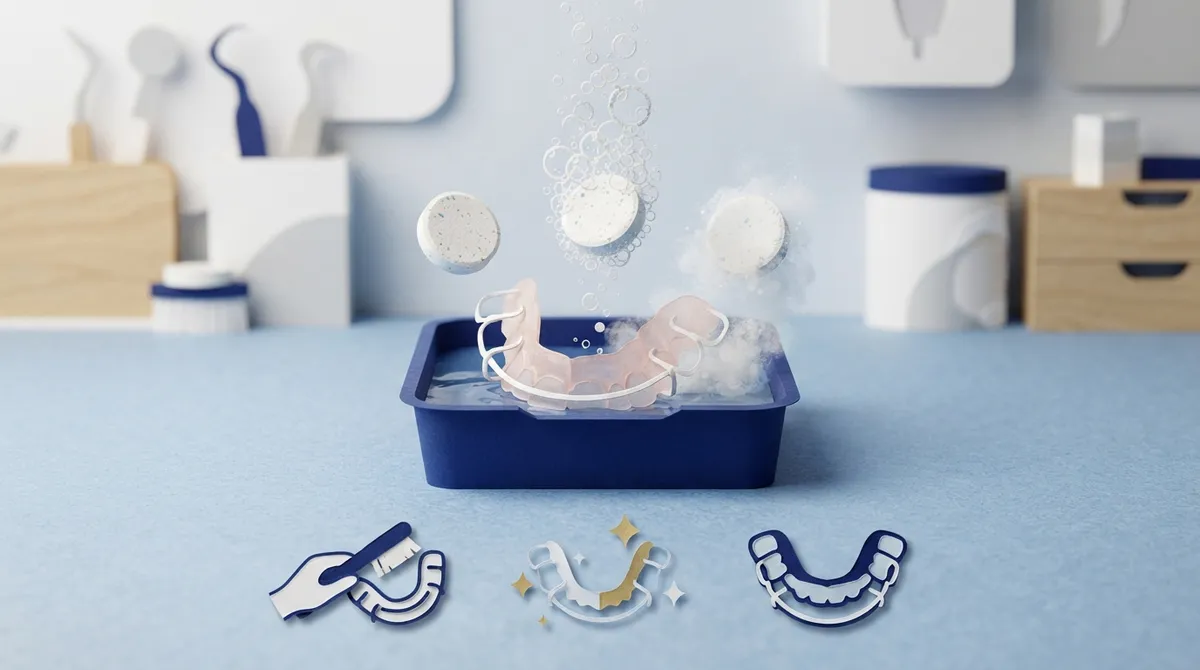
What Are Retainer Cleaning Tablets, Anyway?
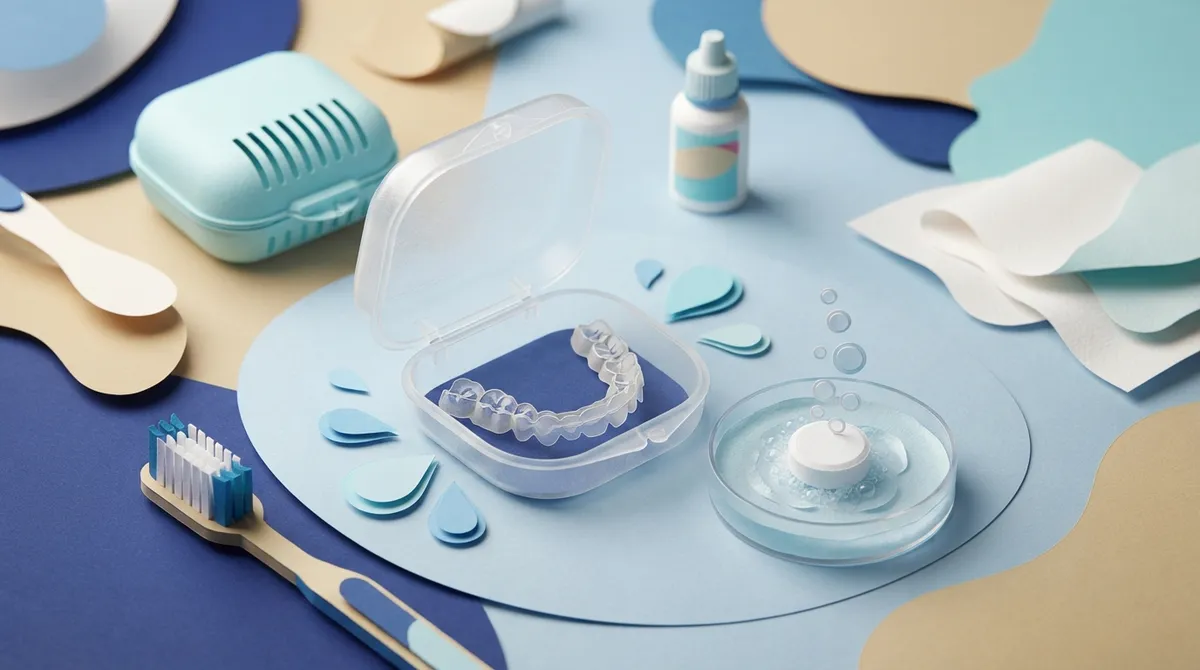
Retainer cleaning tablets are fizzy, dissolvable tablets you drop into a glass of water. They’re made for cleaning removable orthodontic appliances, like clear Essix retainers, Hawley retainers, and even Spark™ Clear Aligners. They are not meant for fixed or bonded retainers, which need daily brushing and flossing instead.
Think of these tablets as a helper, not a replacement, for good old-fashioned brushing. They loosen debris, cut down on odor, and remove some surface buildup that plain water can’t touch. But they aren’t magic. Understanding what they can and can’t do is the first step to using them correctly.
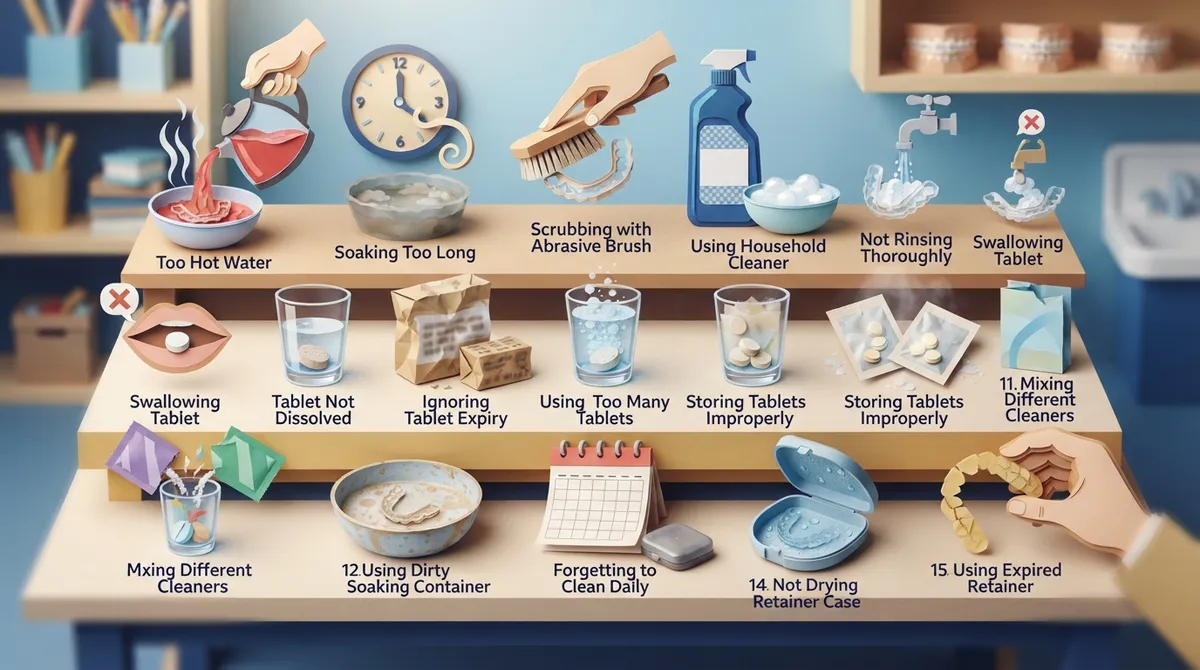
15 Mistakes to Avoid When Using Retainer Cleaning Tablets
Here are the most common slip-ups we see, plus how to fix them.
1. Using Hot Water Instead of Lukewarm
Hot water might feel like it cleans better, but it can actually warp your plastic retainer. The American Dental Association and orthodontic experts both agree: always use lukewarm water. Warm plastic bends easily, and a warped retainer may no longer fit your teeth properly.
2. Skipping the Daily Brush
Many people think tablets alone will do all the work. They won’t. Research shows that combining brushing with a chemical tablet removes far more buildup than either method alone. Brush your retainer every day with a soft toothbrush and mild soap, then use a tablet as a bonus deep clean.
3. Using Toothpaste to Scrub Your Retainer
Toothpaste feels like the obvious cleaning tool, but it’s actually too abrasive. It can scratch clear plastic retainers, creating tiny grooves where bacteria like to hide. Stick to a gentle dish soap or a cleaner your orthodontist recommends.
4. Soaking for Way Too Long
More soaking time doesn’t mean a cleaner retainer. Most tablets only need 5 to 20 minutes to work. Leaving your retainer in solution overnight can degrade the material over time and isn’t necessary for a good clean.
5. Forgetting to Rinse Before Wearing It
After soaking, always rinse your retainer thoroughly under water before popping it back in your mouth. Leftover tablet residue can taste bad and, for some people, cause mild irritation in the mouth.
6. Assuming Tablets Kill All Bacteria
This is a big one. Clinical studies on Essix retainers found that using a cleaning tablet after brushing didn’t significantly lower total bacteria counts compared to brushing alone. Tablets help with some bacteria and odor, but they aren’t a sterilizing solution.
7. Expecting Tablets to Remove Hard, Crusty Buildup
If you see white, chalky deposits (also called calculus) on your retainer, a tablet alone probably won’t cut it. That hardened buildup usually needs professional cleaning or a specific removal method from your orthodontist. Don’t try to scrape it off yourself with sharp tools.
8. Using Any Random Cleaning Tablet
Not all cleaning tablets are created equal, and not all are meant for orthodontic appliances. Some denture tablets work fine, but always check the label first. When in doubt, ask our team during your next visit or check our frequently asked questions page for guidance.
9. Ignoring Ingredient Sensitivities
Some tablets contain persulfates, which can cause irritation or allergic reactions in sensitive people. If your gums feel itchy, swollen, or irritated after soaking, stop using that product and reach out to your orthodontist right away.
10. Storing a Wet Retainer in a Closed Case
After cleaning, always dry your retainer before storing it, and make sure the case has some ventilation. A damp, sealed case is the perfect breeding ground for bacteria and odor.
11. Never Cleaning the Retainer Case
Your retainer case can collect just as much grime as the retainer itself. Wash it regularly with soap and water. Otherwise, you’re just putting a freshly cleaned retainer right back into a dirty container.
12. Trying to Clean a Fixed or Bonded Retainer With Tablets
Fixed retainers, the thin wires bonded behind your teeth, need a different approach entirely. Tablets won’t reach the wire properly. Daily brushing and flossing around the bonded area is the only way to keep it clean. Learn more about the differences on our retainers page.
13. Using Bleach or Harsh Household Cleaners
Never use bleach, undiluted vinegar, or other harsh chemicals on your retainer unless your orthodontist specifically tells you to. These can damage the material and may even be unsafe if residue remains after rinsing.
14. Cleaning Only When It Looks Dirty
Waiting until you can see grime is too late. Bacteria builds up long before it’s visible. A good rule of thumb is daily rinsing and brushing, with a tablet soak about once a week, or as your orthodontist recommends.
15. Ignoring a Cracked or Damaged Retainer
Soaking a cracked retainer in cleaning solution won’t fix the crack, and it could make things worse by pushing liquid into small gaps. If your retainer is damaged, don’t keep using it. Contact our office through our contact page so we can take a look.
How Well Do Retainer Cleaning Tablets Actually Work?
Let’s look at the numbers. A 2023 lab study tested how well different cleaners removed a week’s worth of biofilm from retainer material. Here’s what researchers found:
| Cleaning Method | Average Biofilm Removed |
|---|---|
| Tap Water Alone | 25.9% |
| Kukis Xpress Tablets | 39.9% |
| Dontodent Tablets | 41.5% |
| Retainer Brite Tablets | 54.5% |
Notice something important here? Even the best-performing tablet only removed about half of the biofilm. That’s why brushing matters so much. Tablets are a helpful boost, not a stand-alone solution.
Step-by-Step: How to Properly Clean Your Retainer
Follow this simple routine every day to keep your retainer fresh and your smile protected.
- Rinse your retainer in lukewarm water immediately after removing it.
- Brush gently with a soft toothbrush and mild dish soap, avoiding toothpaste.
- About once a week, dissolve one cleaning tablet in a glass of lukewarm water.
- Soak your retainer for the time listed on the product label, usually 5 to 20 minutes.
- Rinse the retainer thoroughly before putting it back in your mouth.
- Dry the retainer and store it in a clean, ventilated case.
- Wash the case itself with soap and water on a regular basis.
Signs You Should Call Your Orthodontist
Cleaning tablets are handy, but some situations call for a professional. Watch for these warning signs:
- Persistent white or yellow buildup that won’t go away with brushing
- A cracked, warped, or ill-fitting retainer
- Mouth irritation, redness, or swelling after using a cleaning product
- A strong odor that doesn’t improve after cleaning
- Difficulty snapping the retainer into place
- Visible mold or discoloration inside the retainer
If you notice any of these, don’t wait. Reach out to our team through our free consultation page so we can check things out before a small issue becomes a bigger one.
Retainer Type Comparison: Cleaning Needs
| Retainer Type | Tablet Safe? | Daily Care Needed |
|---|---|---|
| Clear Essix Retainer | Yes | Brush and rinse daily |
| Hawley Retainer | Yes | Brush and rinse daily |
| Spark™ Clear Aligner Trays | Yes | Brush and rinse daily |
| Fixed/Bonded Retainer | No | Brush and floss around wire |
Why Proper Retainer Care Matters Long-Term
Your retainer is the reason your smile stays put after months or years of hard work with braces or aligners. Skipping proper care isn’t just about hygiene, it’s about protecting your investment. Poorly maintained retainers can crack, warp, or even cause gum irritation over time. That’s why Dr. Brockway and our team always take time during appointments to walk patients through proper cleaning habits, whether you’re wrapping up traditional braces treatment or finishing up with clear aligners.
We also know that families juggling busy schedules need practical advice that actually fits real life. That’s part of why we focus on personalized, easy-to-understand guidance for every patient who walks through our Clearwater office doors. You can read more about our approach on our Meet Dr. Brockway page.
A Quick Word on Kids and Teens
Parents often ask if kids can handle retainer tablets on their own. The answer is usually yes, with some supervision. Younger children may need reminders about rinsing thoroughly and not swallowing the tablet water. For families managing adolescent orthodontic treatment, building this habit early sets kids up for a lifetime of good retainer care.
Teens juggling social lives, sports, and school often forget retainer care altogether. A simple trick? Keep tablets and a case right next to the toothbrush so cleaning becomes part of the regular bedtime routine.
Trust Local Expertise for Your Retainer Questions
Every smile is different, and so is every retainer. That’s why general internet advice can only go so far. At Brockway Orthodontics, we’ve helped countless Clearwater families keep their retainers in great shape long after treatment ends. If you’re unsure which cleaning tablet is right for your specific retainer type, or if something just doesn’t feel right, we’re here to help. You can also check guidance from the Florida Association of Orthodontists for additional trusted resources on retainer care.
Curious what other patients say about their experience with us? Feel free to visit us on Google — Brockway Orthodontics to see real reviews from our Clearwater community. You can also follow along on Instagram for smile tips and behind-the-scenes looks at our office.
Bringing It All Together
Retainer cleaning tablets are a genuinely helpful tool when used the right way. They loosen debris, fight odor, and give your daily brushing routine an extra boost. But they work best as part of a bigger habit that includes gentle brushing, proper rinsing, and smart storage. Avoid the fifteen mistakes above, and your retainer will stay clean, comfortable, and ready to protect your smile for years to come.
If you have questions about your specific retainer, or if it’s time for a check-up, our friendly Clearwater team is ready to help. Book appointment online today and let us help you keep that smile shining bright.
FAQs
Q: How often should I use retainer cleaning tablets?
A: Most orthodontists recommend using a cleaning tablet about once a week, alongside daily brushing and rinsing. Your specific retainer type may need a slightly different schedule, so it’s always smart to check with your orthodontist.
Q: Are retainer cleaning tablets safe for clear plastic and Hawley retainers?
A: Yes, these tablets are designed specifically for removable appliances like clear Essix retainers and Hawley retainers. Just be sure to use lukewarm water and rinse thoroughly afterward to keep your retainer safe and comfortable.
Q: Can I use denture-cleaning tablets to clean my orthodontic retainer?
A: Some denture tablets can work well on retainers, but not all are formulated the same way. It’s best to check the product label or ask our team before switching products, just to be safe.
Q: Should I brush my retainer before or after soaking it in a cleaning tablet solution?
A: Brushing first is a great habit! Gently brush away loose debris, then soak in the tablet solution for an extra deep clean. This combo approach has been shown to work better than either method alone.
Q: What should I do if a retainer cleaning tablet causes irritation or an allergic reaction?
A: Stop using that product right away and rinse your retainer and mouth thoroughly. If irritation continues, give our office a call so we can help you find a gentler alternative that works for you.
Our Service Area