Key Takeaways
-
Schedule your child’s first orthodontic checkup by age 7, when a mix of baby and permanent teeth allows orthodontists to detect crowding, spacing, bite problems, and other issues early—most children won’t need immediate treatment.
-
Approximately 90-95% of 7-year-olds screened don’t require early intervention, making the first visit about monitoring and planning ahead rather than starting braces immediately.
-
Don’t wait until age 7 if your child shows warning signs like mouth breathing, thumb sucking past age 5, late baby tooth loss, or jaw shifting when biting—schedule an evaluation sooner to prevent complications.
-
Most children who eventually need braces begin full treatment between ages 9-14 once more permanent teeth have erupted, not at the initial screening visit.
-
Adults of any age can pursue orthodontic treatment with no upper age limit; discreet options like clear aligners make treatment feasible for working professionals and those seeking aesthetic improvements.
-
You don’t need a dentist referral to schedule an orthodontic consultation—you can book directly, and many practices offer free initial consultations to discuss findings without cost pressure.
Wondering what age to see an orthodontist is one of the most common questions we hear from parents in Clearwater. Maybe your child’s teeth look a little crowded, or your dentist mentioned something about jaw growth at the last checkup. Whatever brought you here, you’re in the right place. This guide will walk you through exactly when kids (and even adults) should schedule that first orthodontic visit, so you can feel confident instead of confused.
Here’s the short answer: the American Association of Orthodontists recommends every child have their first orthodontic checkup by age 7. But there’s so much more to the story, and getting the timing wrong is a mistake that can cost families time, money, and unnecessary worry. Let’s break down the three biggest age-related mistakes parents make, so you can avoid them entirely.

Mistake #1: Waiting Too Long for the First Visit
Many parents assume orthodontic visits only matter once all the adult teeth have come in. That’s simply not true. Waiting until the teenage years to schedule that first visit can mean missing a window where early guidance could have made treatment simpler down the road.
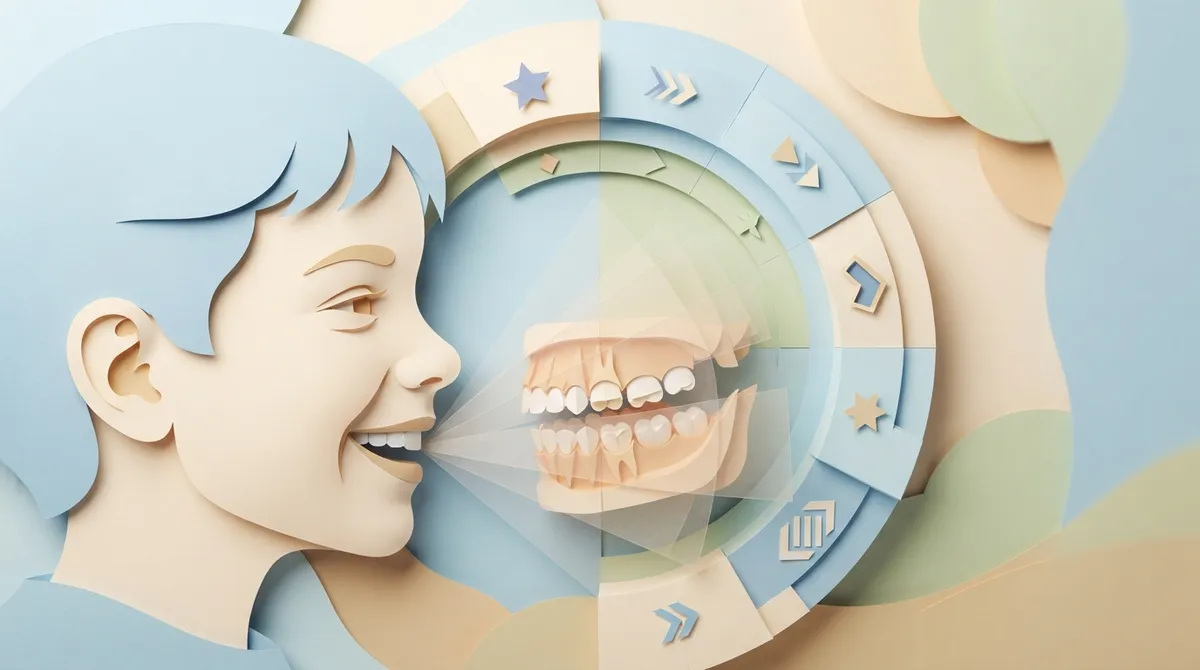
At age 7, your child usually has a mix of baby teeth and permanent teeth. This gives an orthodontist a clear picture of how the jaw is growing and whether teeth are coming in the way they should. Think of it like a routine check-up for a growing smile, not a sign that braces are coming right away.
Why Age 7 Is the Magic Number
You might be wondering why 7 specifically, and not 6 or 9. Here’s the simple reason: by this age, the first adult molars have usually erupted, and the front teeth have often come in too. This combination lets an orthodontist spot:
- Crowding or spacing issues before they get worse
- Problems with how the upper and lower jaw meet (the bite)
- Extra or missing teeth
- Habits like thumb sucking that may affect tooth position
- Early signs of crossbite or underbite
Catching these issues early doesn’t always mean starting treatment right away. In fact, most kids screened at age 7 don’t need braces yet. But knowing what’s happening beneath the surface helps your family plan ahead with confidence.
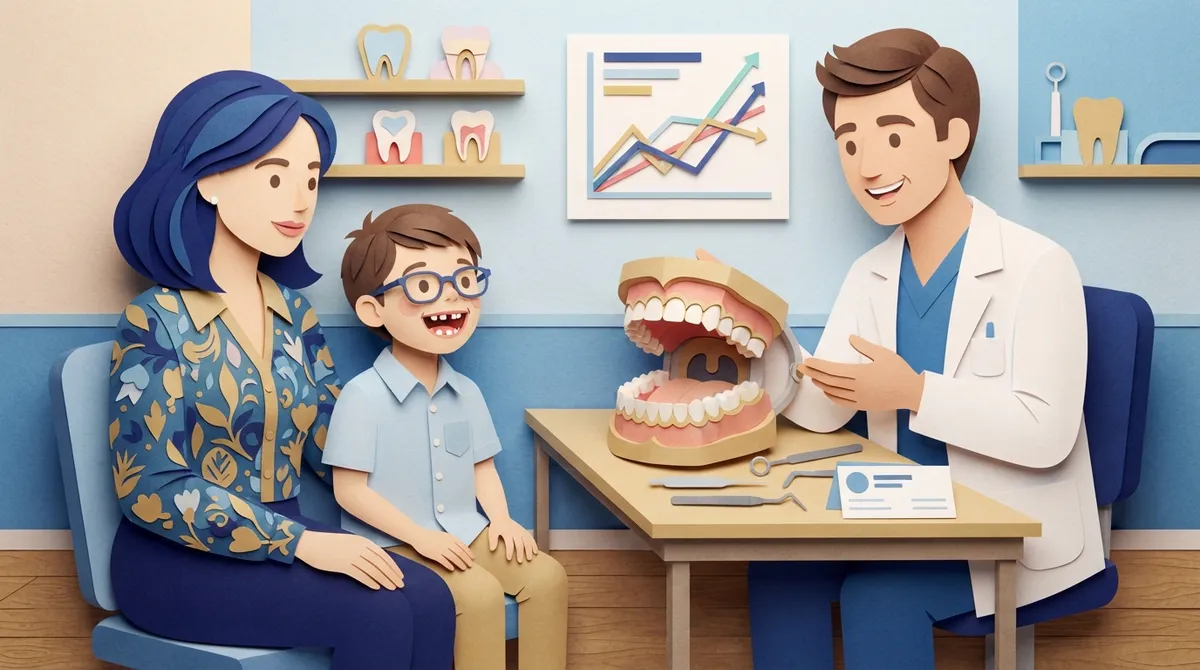
Mistake #2: Assuming Every 7-Year-Old Needs Braces Immediately
Here’s some good news that surprises a lot of parents: the vast majority of children who get an early screening will not need treatment right away. Some orthodontic practices report that roughly 90 to 95 percent of 7-year-olds screened don’t require early intervention at all.
So why go to the appointment if nothing happens? Because that early visit is about watching and waiting with a trained eye. If your orthodontist sees a developing problem, they can recommend the right time to start treatment, rather than letting an issue quietly get more complicated.
What Actually Happens at That First Visit
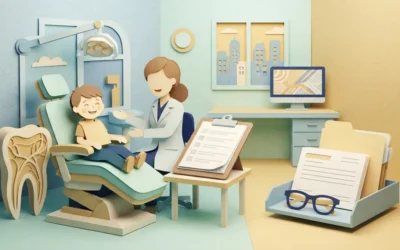
A first orthodontic consultation is usually simple and stress-free. Here’s what you can typically expect, in order:
- A friendly conversation about your child’s dental history and any concerns you have
- A visual exam of the teeth, bite, and jaw
- Digital images or X-rays, if needed, to see how teeth and jaws are developing
- A discussion of findings, explained in a way that’s easy to understand
- A recommendation, whether that’s “let’s just watch and see,” or a plan for early treatment
At Brockway Orthodontics, we make sure this first visit feels welcoming for both kids and parents. Nobody likes uncertainty, so we take time to explain everything clearly before moving forward with any plan.
Mistake #3: Ignoring Warning Signs Before Age 7
While age 7 is the general guideline, it’s not a hard rule for every situation. Some children show signs that mean they should be seen sooner. Waiting for a birthday to pass isn’t always the safest choice.
Talk to your dentist or an orthodontist sooner if you notice any of these signs in your child:
- Early or very late loss of baby teeth
- Difficulty chewing or biting food
- Mouth breathing on a regular basis
- Thumb sucking that continues past age 5
- Teeth that don’t meet correctly, or a jaw that shifts when biting
- Speech difficulties related to tooth position
- Crowded, misplaced, or blocked-out teeth
If any of these sound familiar, don’t wait. It’s always better to check early and be told everything is fine, rather than waiting and discovering a problem has grown more complicated. Our early treatment program is designed exactly for these situations.
What Age Groups Typically Need Which Type of Care
Orthodontic care isn’t one-size-fits-all. Different ages call for different approaches. Here’s a simple breakdown to help you understand the general timeline.
| Age Range | What to Expect | Common Treatment Options |
|---|---|---|
| Age 7 (first screening) | Evaluation only, watching jaw and tooth development | Usually none, sometimes early guidance appliances |
| Ages 9-11 | Some early treatment may begin if issues are found | Palate expanders, space maintainers, limited braces |
| Ages 11-15 | Most common age for full treatment to start | Traditional braces, ceramic braces |
| Teens 13+ | Full treatment, often for social and aesthetic reasons | Spark clear aligners, braces |
| Adults 18+ | Treatment for bite issues, relapse, or aesthetics | Clear aligners, discreet braces |
As you can see, many kids who eventually need braces don’t start until they’re between 9 and 14 years old, once more permanent teeth have come in. The early visit simply sets the stage for the right treatment at the right time.
What About Teens and Adults? Is There an Age Limit?
Great news: there’s no upper age limit for orthodontic care. Healthy teeth and gums are what matter most, not your birth year. We regularly see patients in their 30s, 40s, and beyond who are finally ready to fix a smile they’ve been unhappy with for years.
For teenagers, treatment is often tied to big life moments, like starting high school or getting ready for photos and graduation. For working professionals, discreet options like Spark clear aligners make treatment possible without disrupting a busy schedule. And for those who had braces years ago but noticed their teeth shifting back, we offer solutions built specifically for retainer and relapse care.
Quick Comparison: Kids vs. Teens vs. Adults
| Patient Type | Main Goal | Popular Treatment |
|---|---|---|
| Children (7-10) | Guide jaw growth, catch issues early | Early intervention appliances |
| Teens (11-18) | Straighten teeth before adulthood | Braces or clear aligners |
| Adults (18+) | Improve bite, function, and confidence | Clear aligners, ceramic braces |
Do You Need a Referral to See an Orthodontist?
Not at all. This is one of the most common questions we get, and the answer is simple: you don’t need a referral from your dentist to see an orthodontist. Parents and adults alike can schedule a consultation directly whenever they have a concern.
That said, dentists often spot early warning signs during regular checkups and will suggest an orthodontic evaluation. Either way works, direct or through your dentist’s suggestion. If you’re ready to get answers, you can simply book an appointment online and get started.
Steps to Take If You Think It’s Time for an Evaluation
If you’re on the fence about scheduling that first visit, here’s a simple plan to follow:
- Check your child’s age. If they’re 7 or older, it’s time for a screening.
- Look for warning signs listed earlier in this article, regardless of age.
- Talk to your family dentist about any concerns during a regular visit.
- Schedule a consultation with a trusted orthodontist near you.
- Ask questions during the visit so you fully understand any recommendations.
- Follow up as suggested, whether that’s a “wait and watch” plan or starting treatment.
Simple, right? The hardest part is usually just making that first phone call or booking the appointment.
Why Families in Clearwater Trust Brockway Orthodontics
Dr. Brockway has spent her career helping families throughout Clearwater feel confident about their smiles, at every age and every stage. She takes time to explain what’s happening with your child’s teeth in a way that actually makes sense, no confusing jargon involved.
Our office is equipped with modern tools like digital imaging, so we can spot potential issues clearly without the guesswork. We also offer a full range of services for every age group, from early treatment for young kids to adult orthodontic care for grown-ups ready for a change. And because we know life gets busy, we offer same-day treatment options in certain cases so families don’t have to juggle multiple visits.
Curious what other families have experienced? You can visit us on Google to read Brockway Orthodontics reviews and see why so many Clearwater families keep coming back. You can also connect with us on Facebook or follow along on Instagram for smile tips and updates from our team.
A Few More Things Worth Knowing
Before we wrap up, here are a few extra facts that might help ease your mind:
- Orthodontic guidance is backed by organizations like the American Dental Association, which supports early screening as part of good oral health habits.
- Local groups such as the Florida Association of Orthodontists also encourage families to schedule early evaluations to support healthy dental development.
- Early screening does not mean early cost. Many practices, including ours, offer a free initial consultation.
- Your child’s confidence often improves once a plan is in place, even if treatment doesn’t start for a few years.
Bringing It All Together
So, what age to see an orthodontist? For most kids, the answer is simple: by age 7. This early check-in helps catch problems before they grow, even though most children won’t need treatment right away. And if you notice warning signs earlier, don’t wait, sooner is always safer than later.
For teens and adults, there’s truly no wrong time to explore your options. Whether you’re a parent trying to do right by your child, a teenager dreaming of straighter teeth before graduation, or an adult finally ready to invest in your smile, we’re here to help every step of the way.
Ready to find out where your smile stands? Get in touch with our Clearwater team today and let’s build a plan that fits your family, your schedule, and your smile goals.
FAQs
Q: What age should a child first see an orthodontist?
A: The general rule of thumb is age 7. That’s when your child has a mix of baby teeth and permanent teeth, giving an orthodontist a clear view of how everything is developing. Don’t worry, it doesn’t mean braces are coming right away!
Q: Does a 7-year-old usually need braces after their first visit?
A: Nope, most don’t! In fact, around 90 to 95 percent of kids screened at age 7 won’t need any treatment yet. The visit is really about watching and planning, not jumping straight into braces.
Q: What signs mean my child should see an orthodontist earlier than age 7?
A: Keep an eye out for things like early or late loss of baby teeth, mouth breathing, thumb sucking past age 5, or a jaw that shifts when biting. If you spot any of these, it’s worth scheduling a visit sooner rather than later.
Q: Can adults see an orthodontist, or is treatment just for kids?
A: Adults are absolutely welcome, and there’s no age limit! As long as your teeth and gums are healthy, you can start orthodontic treatment at any age, whether that’s your 20s, 40s, or beyond.
Q: Do I need a referral from my dentist to see an orthodontist?
A: Not at all. You can schedule a consultation directly, no referral needed. Many families do get a nudge from their dentist during a regular checkup, but it’s totally fine to book on your own too.
Our Service Area