Key Takeaways
-
Growth timing depends on the bite problem, how permanent teeth are erupting, and how much facial growth remains, not on age alone.
-
Growth does not reliably straighten crowded teeth or create more room, so overlapping teeth still warrant a check rather than waiting to see.
-
Certain crossbites and narrow upper jaws may benefit from earlier assessment, since growth can allow jaw-width changes during the teen years.
-
Two-phase treatment is not automatically better; a Cochrane review found early treatment mainly reduced front-tooth injury for prominent upper front teeth.
-
The AAO recommends an orthodontist screening by age 7, which is a check-up to confirm progress rather than a sign that braces should start then.
-
Retainers are important during growth, since teeth can drift as the jaws and face keep changing even after braces come off.
If you have a teenager, you already know growth can feel unpredictable. One month the jeans fit. The next month, they are suddenly short at the ankles. The same thing happens inside the mouth. A teen’s jaws, face, and teeth are all changing at once, and that matters a lot for braces and aligners.
Here is the big idea: how growth affects a teenager’s orthodontic plan depends on the type of bite problem, how the teeth are coming in, and how much facial growth is left. It does not depend on age alone. There is no single perfect age or magic growth-spurt calendar that fits every kid.
In this guide, we will walk through what growth really changes, when timing matters, and when waiting is a smart choice. We will also clear up a few common myths. By the end, you will feel more confident about the questions to ask at your next visit. The team at Brockway Orthodontics loves helping Clearwater families make these choices with clear, friendly answers.
Why Growth Matters in Orthodontics
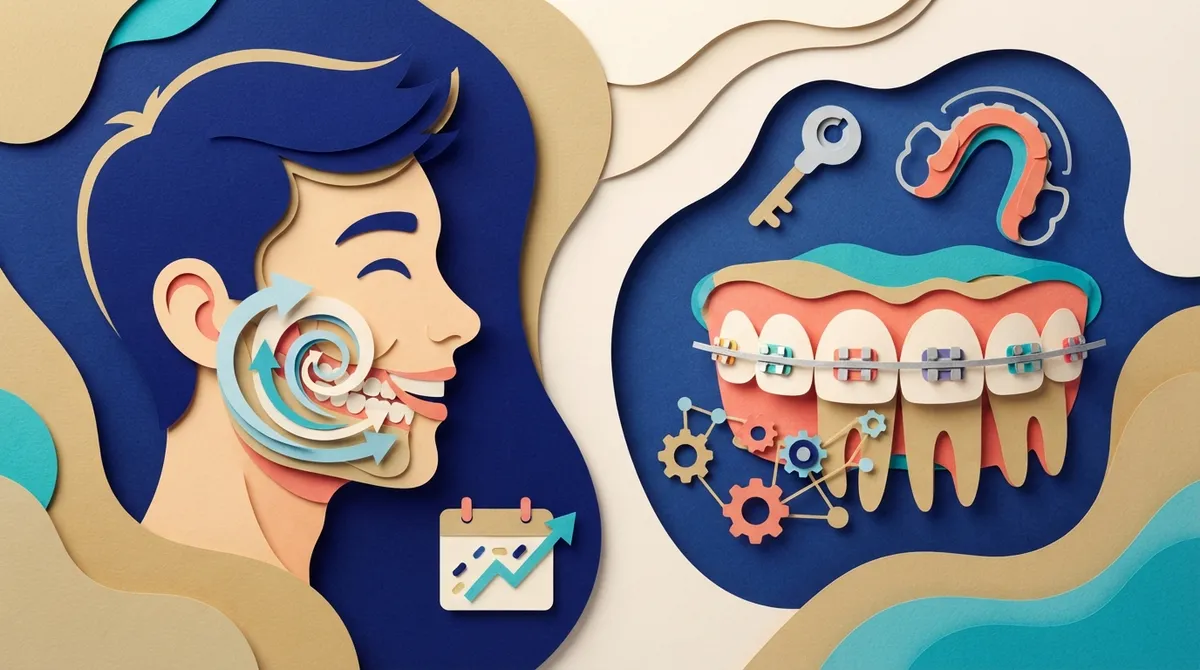
Teeth do not sit alone in the mouth. They sit in the upper and lower jaws, and those jaws are still growing during the teen years. That growth can help, hurt, or simply change the timing of treatment.
An orthodontist looks at three main things when planning care for a teen:
- The type of bite or jaw issue. A crowded tooth is very different from an underbite or a narrow upper jaw.
- Dental development. Are all the permanent teeth in, or are some baby teeth still hanging around?
- Remaining facial growth. Is the jaw still growing, or is growth almost finished?
Notice that age is not on the list. Two thirteen-year-olds can be at very different stages. One may be done growing fast, while the other is just getting started. That is why a personal exam matters more than a birthday.
Growth Can Open a Window for Some Treatments
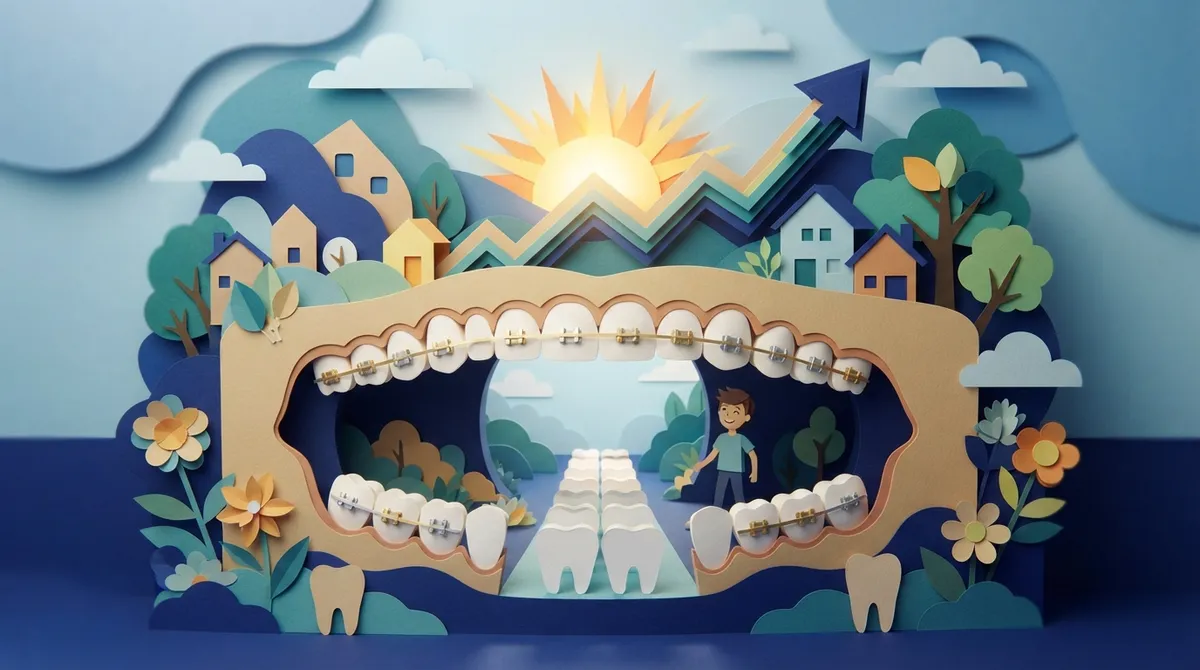
For certain bite problems, growth can create a helpful window of time. During this window, some appliances may guide how the jaws develop. For example, an orthodontist may consider a functional appliance for some bite differences while a teen is still growing.
Here is the honest part. The effect depends on the individual and on the timing. It is not a guarantee, and it does not work the same way for every patient. Some teens respond well, and others may need a different plan.
That is why a careful exam is so important. Dr. Brockway looks at the whole picture before suggesting a path. You can learn more about Dr. Brockway and her approach to care on our website.
What About Jaw Width?
Some teens have an upper jaw that is narrow. This can lead to a crossbite, where upper teeth sit inside the lower teeth. Certain crossbites, underbites, and jaw-width differences may benefit from earlier assessment. Whether treatment is right depends on the exact diagnosis.
If you want to read more, our guide on how crossbite correction works explains the basics in plain language.
Growth Does Not Fix Crowded Teeth
Here is a myth we hear all the time: “Don’t worry, they will grow into it.” It sounds hopeful, but growth does not reliably straighten crowded teeth. It also does not reliably create more room for them.
Even when the jaws and face develop in a normal way, teeth can still come in crooked or crowded. Orthodontic treatment may still be needed after the permanent teeth erupt. So if you notice overlapping teeth, it is worth getting a quick look rather than waiting and hoping.
For more on this topic, see our article on what causes crowded teeth.
Treat Now, Monitor, or Use Stages?
When an orthodontist sees a teen, there are usually three paths. None of them is a mistake. They are simply different timing choices.
- Treat now. The teeth and bite are ready, and starting braces or aligners makes sense.
- Monitor. The teen is not quite ready, so the orthodontist checks in over time. This is an active timing decision, not a sign that something was missed.
- Use staged care. A first phase handles a specific growth-related issue, followed by a pause and then a second phase if needed.
Monitoring gets misunderstood a lot. During these check-ins, the orthodontist tracks jaw growth, tooth eruption, and any changes in the bite. Think of it like watching a garden. You do not pull the plant out early. You wait for the right moment.
Does Every Teen Need Two-Phase Treatment?
No. This is one of the most common questions parents ask. Two-phase treatment is not automatically better, and research backs this up.
A Cochrane review looked at early treatment versus treatment in adolescence for prominent upper front teeth. It found that early treatment reduced injury to the front teeth compared with one course of treatment in adolescence. But the review found no other clear advantages for early two-phase treatment. The quality of the evidence ranged from low to moderate.
What does that mean for your family? It means the plan should fit your child’s specific diagnosis. It should not follow a one-size-fits-all rule. If you are curious about how timing works for younger kids, read our page on early treatment.
The Role of the Age 7 Check-Up
The American Association of Orthodontists (AAO) recommends that kids see an orthodontist no later than age 7. That can sound early, so let us be clear. This is a screening visit. It is not a recommendation to start braces at age 7.
The goal is simple. A quick look can spot problems early, and it can also confirm that everything is on track. For many kids, the answer is “come back in a year or two.” To dig deeper, check out our article on when your child should first see an orthodontist.
How Teen Growth Changes the Plan: A Quick Comparison
The table below shows how different growth situations can shape the plan. It is a general guide, not a diagnosis. Every teen is different.
| Situation | What Growth Means | Possible Approach |
|---|---|---|
| Mild crowding, all permanent teeth in | Growth will not reliably make more room | Braces or clear aligners |
| Narrow upper jaw or certain crossbites | Growth may allow jaw-width changes | Earlier assessment, possible expander |
| Some bite differences (like overbite) | Growth may help guide jaw development | Functional appliance, then braces |
| Not enough teeth in yet | Teeth are still erupting | Monitor with regular check-ins |
| Significant jaw concerns after growth ends | Fewer growth-based options remain | Case-specific plan, sometimes surgery |
Can Braces Change Jaw Growth?
This is a great question, and the answer needs care. Braces mainly move teeth. They do not reshape the jaw on their own. Some appliances are designed to work with growth, but the effect depends on the person and the timing.
If you want a clearer picture of how jaw changes and treatment connect, our article on how orthodontics shapes healthy jaw development is a helpful read.
What If Growth Is Almost Finished?
Sometimes a teen shows up with a bigger jaw concern when most growth is already done. Options at that point may look different from the options available during growth.
For many teens, braces or aligners can still do a great job. For severe skeletal differences, an orthodontist may talk about orthognathic (jaw) surgery. This is case-specific, and it is not common for every teen. A careful evaluation will show whether it is even part of the conversation.
If you are curious about complex cases, you can read about surgical orthodontics facts to learn the basics.
Braces or Clear Aligners for Growing Teens?
Many teens want a discreet look, and that is totally understandable. The good news is that growth does not rule out either option. The right choice depends on the bite and on how well a teen can follow the plan.
- Braces work well for many bite problems and do not rely on a teen remembering to wear them.
- Ceramic braces offer a tooth-colored option for teens who want something less noticeable.
- Spark™ Clear Aligners are removable and nearly invisible, and they are a more affordable alternative to Invisalign.
To explore each choice, visit our pages on all about braces and Spark™ Clear Aligners. You can also read our guide to braces vs. clear aligners for kids.
Why Retainers Matter During Growth
Growth does not stop just because braces come off. Teeth can drift as the face and jaws keep changing, so a retainer is a big part of the plan. Wearing it as directed helps protect the results you worked so hard for.
Learn more about your options on our retainers page.
Questions to Ask at Your Teen’s Visit
A good consult should feel like a conversation, not a sales pitch. Here are some friendly questions to bring along:
- Is my teen still growing, and how can you tell?
- Does the bite problem benefit from treatment now, or can we wait?
- Do we need one phase or two, and why?
- What are the options if growth finishes before treatment starts?
- How often will you check progress?
Not sure what to expect on day one? Our page on your first visit walks you through it step by step. If your teen is in the Clearwater area, you may also like our guide to teen braces in Clearwater.
A Friendly Word on Cost and Timing
Many parents worry that waiting will cost more, or that starting early will cost more. The truth is that cost depends on the plan, and the plan depends on the diagnosis. We keep things clear and flexible, with payment options for different budgets. You can read about financing and insurance to see how it works.
For general dental health guidance, the American Dental Association is a trusted resource. For local professional information, the Florida Association of Orthodontists is also worth a visit. And for national guidance on early check-ups, the AAO’s child orthodontics page explains the age 7 screening in detail.
Our Approach at Brockway Orthodontics
At Brockway Orthodontics, we believe timing should fit your teen, not a calendar. Dr. Brockway takes time to listen, explain, and plan. We use modern tools like digital impressions and 3D imaging, so we can see how your teen’s teeth and jaws are developing. In some cases, we can even offer same-day treatment to keep life simple for busy families.
Want to hear from other families? See what neighbors say about us on Google. Visit us on Google — Brockway Orthodontics and read the reviews from our Clearwater community.
The Bottom Line
Growth is a big piece of the puzzle, but it is not the whole puzzle. A teen’s plan depends on the bite problem, the stage of tooth development, and how much growth remains. Some teens are ready now. Some benefit from a watchful wait. A few need a staged plan. And no teen needs treatment just because of a number on a birthday cake.
The best step is a simple, friendly exam. Dr. Brockway can look at your teen’s growth, explain the options, and help you pick a plan that makes sense. Ready to talk it through? Book your free consultation online or contact our team with any questions. We would love to meet you and your teen!
FAQs
Q: How does a teenager’s growth spurt affect braces or orthodontic treatment?
A: A growth spurt can change how the jaws and bite develop, which may affect the timing of some treatments. Some appliances may work with growth for certain bite problems, but results depend on the teen. Your orthodontist will check your teen’s growth and bite before suggesting a plan.
Q: When is the best age for a teenager to get braces?
A: There is no single best age for every teen. The right time depends on the bite problem, how many permanent teeth are in, and how much growth is left. A quick exam helps your orthodontist decide whether to start now or monitor for a while.
Q: Will a teenager’s teeth straighten as they grow?
A: Usually not on their own. Growth does not reliably straighten crowded teeth or create more room for them. Braces or clear aligners are often still needed once the permanent teeth come in.
Q: Does every teenager need two-phase orthodontic treatment?
A: No. Two-phase treatment is not automatically better, and many teens do well with one course of treatment. Your orthodontist will recommend phases only if your teen’s specific diagnosis calls for it.
Q: What happens if a teenager’s jaw problem is treated after growth is complete?
A: The options can look different once growth is nearly finished. Many cases can still be treated with braces or aligners. For severe jaw differences, jaw surgery may be discussed, but that is case-specific and not needed for most teens.
Our Service Area