Key Takeaways
-
Multiple treatment options exist for misaligned teeth including metal braces, ceramic braces, and clear aligners, each with different visibility levels and suitability for various bite problems.
-
Clear aligners require at least 22 hours daily wear to be effective; inconsistent use significantly slows tooth movement compared to fixed braces that work continuously.
-
Treatment timeline typically ranges from 12 months to 2.5 years depending on complexity, jaw growth, appointment attendance, and how well you follow care instructions like wearing elastics.
-
Retainer wear after treatment is essential to prevent teeth from drifting back over time; many patients need to wear retainers nightly long-term to maintain results.
-
Early orthodontic treatment for children ages 7-10 can guide jaw growth and create space for adult teeth, potentially making later treatment simpler or unnecessary.
-
Proper oral hygiene during treatment is critical; brush after meals, floss daily, and avoid hard or sticky foods with braces to prevent cavities, gum problems, and permanent enamel damage.
If you have ever caught yourself smiling with your lips closed, or felt a little nervous before a photo, you are in good company. Crooked, crowded, or gappy teeth are some of the most common reasons people walk into an orthodontist’s office. The good news? You have more options than ever to fix misaligned teeth, and almost all of them are gentler and more discreet than people expect.
Misaligned teeth, also called malocclusion, are not just about looks. They can include crowding, gaps, protruding teeth, and bite problems like an overbite, underbite, crossbite, or open bite. Treatment can improve how your teeth line up and how your upper and lower teeth meet.
In this friendly guide, we will walk through five proven ways to fix misaligned teeth, who each option fits best, how long things usually take, and how to protect your results for life. Whether you are a parent planning for your child, a teen with a big event coming up, or an adult finally ready to smile freely, there is a path that fits you.
First, What Counts as Misaligned Teeth?
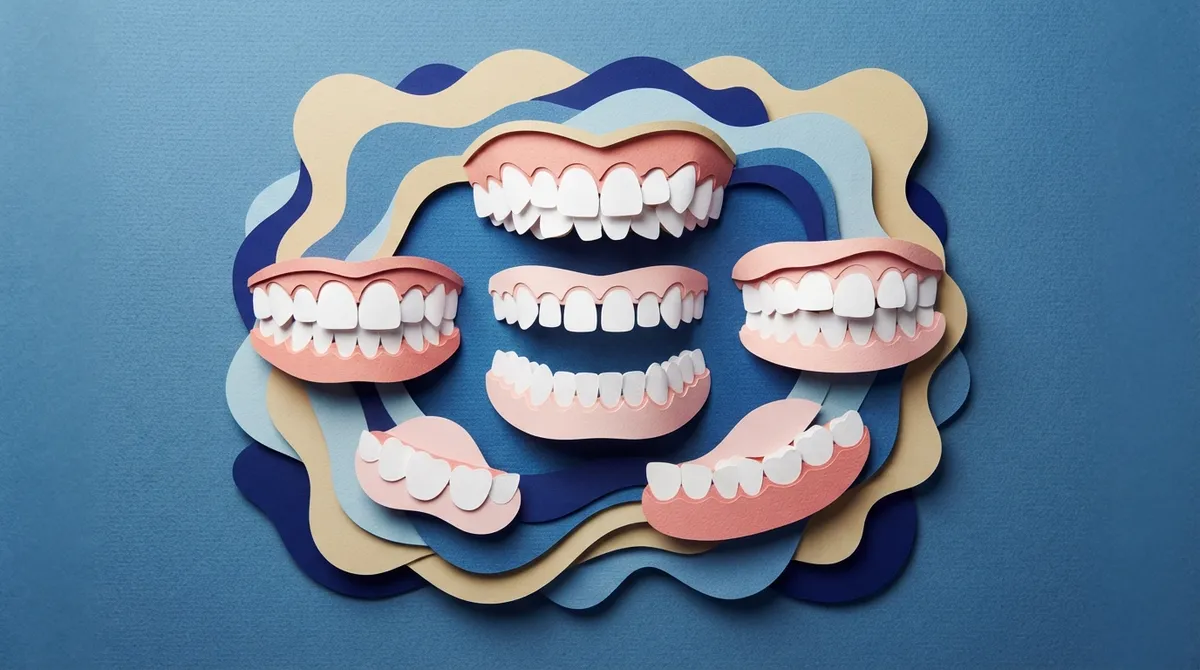
Before we dive into the fixes, it helps to know what you are dealing with. Misalignment comes in a few common forms, and many people have more than one at the same time.
- Crowding: Teeth overlap or twist because there is not enough room in the jaw.
- Spacing: Gaps between teeth, often from small teeth, missing teeth, or a larger jaw.
- Overbite: Upper front teeth sit too far over the lower teeth.
- Underbite: Lower teeth sit in front of the upper teeth.
- Crossbite: Some upper teeth sit inside the lower teeth when you bite down.
- Open bite: Front teeth do not touch when the back teeth are closed.
A proper in-person exam is the best way to know which type you have. An orthodontist looks at your teeth, bite, and jaw together, so the plan fits you instead of a one-size-fits-all guess. If you are curious how this works, here is what happens at your first visit.
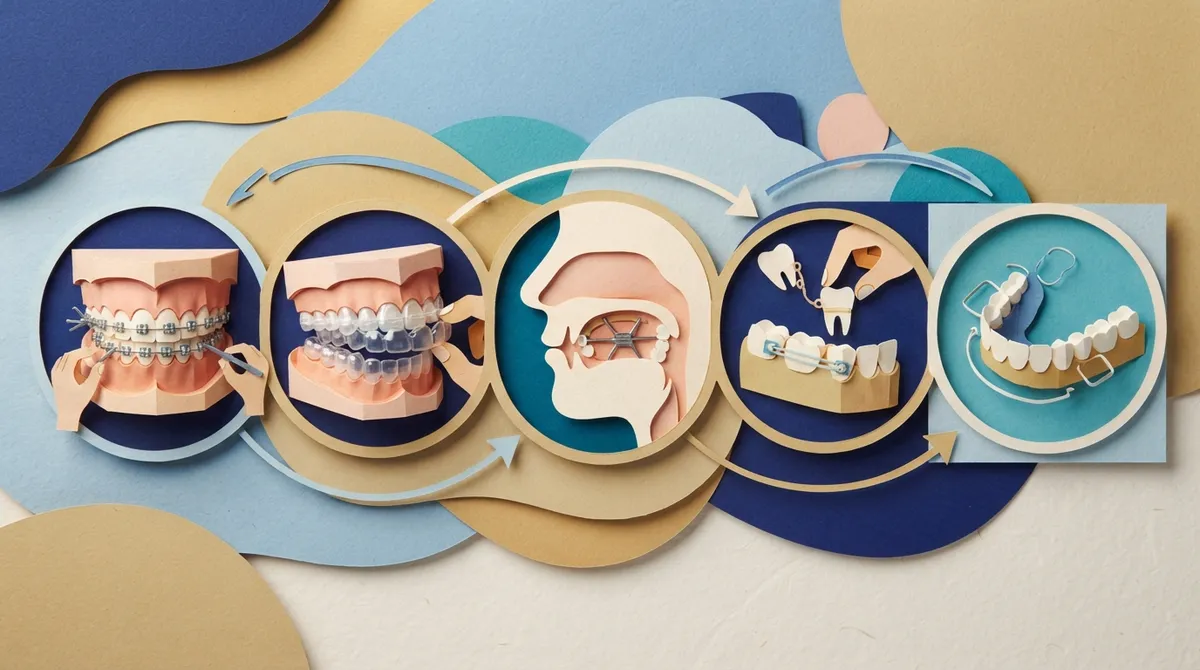
5 Ways to Fix Misaligned Teeth
1. Traditional Metal Braces
Metal braces are the tried-and-true classic, and for good reason. Small brackets are bonded to your teeth and joined by a thin wire. Gentle, steady pressure slowly moves teeth into their new spots. Today’s braces are smaller and more comfortable than the ones your parents may remember.
Fixed braces can address a very wide range of alignment and bite problems, including complex cases. They work around the clock, so there is no tray to forget. They are also a popular pick for kids and teens, and they come with fun color options for those who want to show some personality.
Curious about the details? Take a peek at our guide on all about braces, or compare options in types of braces.
2. Ceramic (Clear) Braces
Ceramic braces work just like metal braces, but the brackets are tooth-colored or clear. They blend in with your teeth, which makes them a favorite for adults and teens who want a more subtle look without removable trays.
Because they are fixed to your teeth, they keep working all day. They do need a little extra care, since lighter brackets and bands can pick up stains from coffee, tea, and dark sauces. A good brushing routine goes a long way.
If you are weighing the two styles, our post on metal vs. clear braces breaks down the pros and cons in plain language.
3. Clear Aligners
Clear aligners are custom-made, see-through trays that move your teeth a little at a time. You swap to a new set on a schedule set by your orthodontist, often about once a week, though it varies by plan. They are removable, so you can eat your favorite foods and brush and floss as usual.
The American Association of Orthodontists notes that aligners are typically worn at least 22 hours a day and only taken out for meals and cleaning. That commitment is the secret ingredient. Aligners work beautifully when you wear them, and slowly when you do not.
At Brockway Orthodontics in Clearwater, we offer Spark™ Clear Aligners, a more affordable alternative to Invisalign. They are a great fit for busy adults, college students, and teens who want a modern, low-profile way to straighten their smile. Not sure how aligners stack up against braces? Our friendly breakdown of clear aligners vs. braces can help.
4. Early (Phase One) Treatment for Kids
Sometimes the best way to fix misaligned teeth is to start before all the adult teeth even arrive. Early treatment, often between ages 7 and 10, can guide jaw growth, create room for incoming teeth, and fix certain bite problems while a child’s bones are still growing.
This might involve a palatal expander, a partial set of braces, or other gentle appliances. The goal is not always a finished smile. It is to set the stage so later treatment is simpler, shorter, and sometimes avoided altogether.
Parents often ask, “Is my child too young?” A quick check-up is a calm, low-pressure way to find out. You can learn more about early treatment and see what every parent should know about orthodontics for kids.
5. Retreatment for Relapse
Did you have braces years ago, but your teeth have drifted since? You are not alone, and it is not a failure. Teeth can move over time, especially if retainers were worn less than recommended. The good news is that relapse is often very fixable.
Many relapse cases need only a short round of aligners or limited braces to bring teeth back into line. A fresh assessment shows how much has moved and which option makes the most sense. Our adult treatment options are designed for exactly this kind of comeback.
Braces vs. Aligners at a Glance
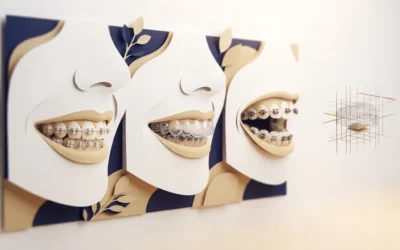
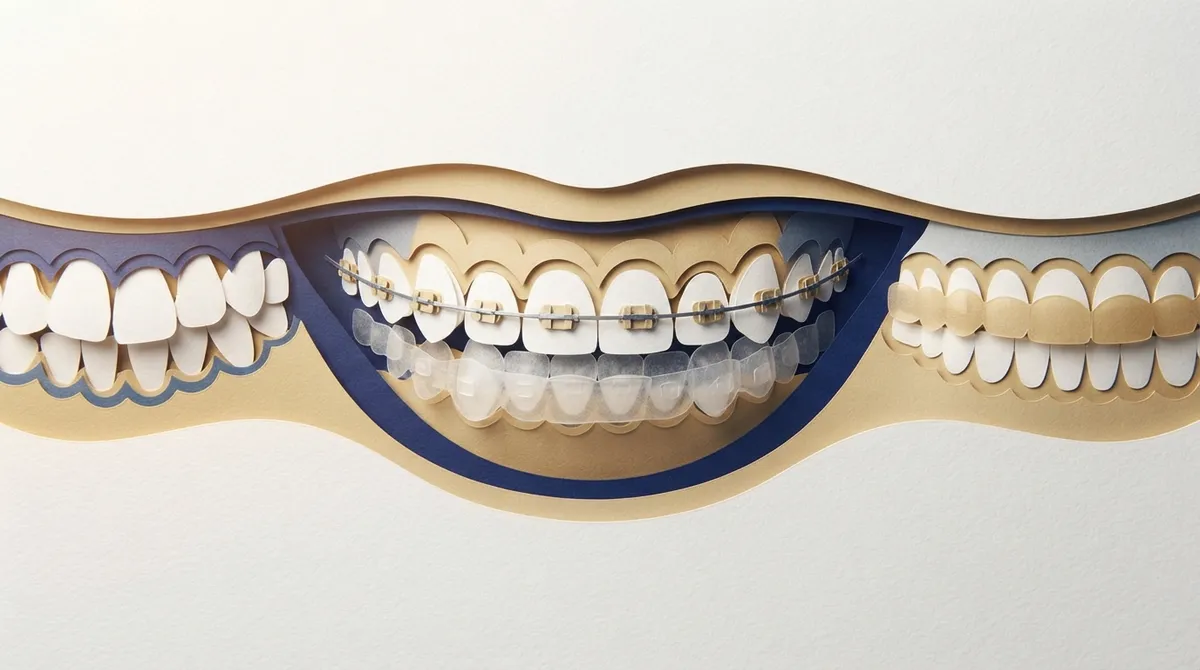
Here is a quick side-by-side to help you picture how the main options compare. Remember, your orthodontist will tell you what fits your bite best.
| Feature | Metal Braces | Ceramic Braces | Clear Aligners |
|---|---|---|---|
| Visibility | Most visible | Blends with teeth | Nearly invisible |
| Removable | No | No | Yes |
| Best for complex bites | Excellent | Very good | Depends on the case |
| Depends on patient habits | Less | Less | A lot (22+ hours daily) |
| Eating restrictions | Yes, some foods | Yes, some foods | Remove for meals |
| Great for | Kids, teens, complex cases | Teens and adults wanting subtle | Adults and teens wanting discreet |
A 2025 systematic review of 21 randomized trials with 970 participants found no significant advantage for clear aligners over fixed braces in straightforward, non-extraction cases. The researchers also noted the evidence quality was low and called for more high-quality studies. In plain terms, both can work well, and the right choice depends on your teeth and your lifestyle.
How Long Does It Take to Fix Misaligned Teeth?
This is the question everyone asks, and the honest answer is: it depends. NHS guidance gives a typical range of about 12 months to 2.5 years, and more complex cases can take longer. Appointments are usually needed every 4 to 10 weeks.
Several things shape your timeline:
- Complexity: Mild crowding moves faster than a significant bite problem.
- Growth: Kids and teens may need extra time as their jaws develop.
- Attendance: Keeping appointments keeps things on track.
- Care: Broken brackets or missed aligner hours can add months.
- Following instructions: Elastics, aligner wear, and cleaning all matter.
Want a deeper look? Our friendly timeline guide on how long braces take walks through what to expect.
Which Option Fits Your Life?
The best treatment is the one you can stick with and that actually fixes your bite. Here is a simple way to think about it, depending on who you are.
For Parents of Kids and Teens
If you are planning for a child, think about growth and habits. Younger kids may benefit from early treatment, while teens often do well with braces or aligners depending on how responsible they are with wearing trays. Our adolescent treatment page shows how we tailor care for growing smiles.
For Teens and Young Adults
Got graduation, prom, or a big trip coming up? Discreet options like ceramic braces or aligners are popular. Be honest about whether you will keep aligners in all day. If not, fixed braces may get you to the finish line faster.
For Busy Adult Professionals
Adults often love clear aligners for their low profile and flexibility, especially for client-facing jobs. Ceramic braces are a solid choice if you want something that works without any daily decisions. It is never too late, either. See why so many adults are choosing treatment in 2026.
The Step Most People Forget: Retainers
Here is the part that protects all your hard work. After active treatment, you will need retainers to help keep your teeth from drifting back. Teeth have a natural tendency to move, and that can happen even years after braces or aligners come off.
Your orthodontist may recommend a removable retainer, a thin wire bonded behind your teeth, or both. Many patients wear them at night for the long term. Think of it like a seatbelt for your smile: simple, quick, and worth it.
Learn more about retainers and the best habits to keep your smile straight for life.
Keeping Your Teeth Healthy During Treatment
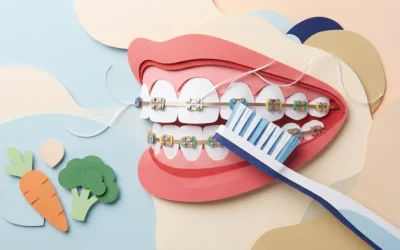
Straight teeth are wonderful, but healthy teeth are the goal. Braces can trap food and plaque, and poor cleaning can lead to cavities, gum problems, or permanent white or brown marks on enamel. A few simple habits make a big difference.
- Brush after every meal and before bed, angling the brush at the gumline and around each bracket.
- Floss daily using floss threaders, a water flosser, or small interdental brushes.
- Clean aligners gently each day and brush your teeth before putting them back in.
- Skip the troublemakers like hard, sticky, or chewy foods if you have braces.
- Keep your dental check-ups alongside your orthodontic visits.
Need a refresher? Our step-by-step guide to brushing teeth with braces makes it easy.
Are There Risks to Know About?
Orthodontic treatment is very safe and widely used, but it is smart to know the possibilities. Some people feel temporary soreness after adjustments or when starting a new aligner. Gum irritation can happen, especially if cleaning slips. In some cases, root tips can shorten slightly during tooth movement.
How likely any of this is depends on you, your teeth, and how closely the plan is followed. A great orthodontist will talk through your personal risks openly so there are no surprises. Questions are always welcome.
Why Families Choose Brockway Orthodontics in Clearwater
When you are ready to fix misaligned teeth, the team behind your care matters. Dr. Brockway takes time to listen to your goals and explain your options in simple, friendly language, so you feel informed and comfortable from your very first visit. You can read more about Dr. Brockway and her approach.
Our Clearwater practice offers metal braces, ceramic braces, and Spark™ Clear Aligners for kids, teens, and adults. We use modern technology like digital impressions and 3D imaging to plan your treatment with precision, and in certain cases we can offer same-day treatment to fit your busy schedule. Curious what others think? See what Brockway Orthodontics patients say on Google.
You can also explore all of our services, and if cost is on your mind, we walk you through financing and insurance options so there are no surprises.
Making Your Decision with Confidence
The right plan starts with a conversation. Professional organizations like the Florida Association of Orthodontists and the American Dental Association both encourage patients to seek care from qualified providers and to ask plenty of questions. That is great advice.
Here are a few good questions to bring to your first appointment:
- What type of misalignment do I have?
- Which treatment do you recommend for me, and why?
- How long will it likely take?
- What will it cost, and what payment options exist?
- What will my retainer plan look like afterward?
Conclusion: Your Straighter Smile Starts Here
Fixing misaligned teeth is more doable than most people think. From metal and ceramic braces to clear aligners, early treatment for kids, and retreatment for relapse, there is a thoughtful option for nearly every smile and every stage of life. Add good hygiene and consistent retainer wear, and your results can last for years to come.
The first step is simply getting a clear picture of your teeth and your options. We would love to be part of that journey with you or your family. Book your free consultation online and let us help you take the first step toward a smile you are proud to share. Prefer to chat first? Feel free to contact us with any questions.
FAQs
Q: How can I fix misaligned or crooked teeth?
A: The most common ways are metal braces, ceramic braces, and clear aligners, with early treatment or retreatment for certain cases. The right choice depends on your bite, goals, and habits, so a quick exam with an orthodontist is the best first step.
Q: Can clear aligners fix an overbite, underbite, or crowded teeth?
A: Clear aligners can help many cases of crowding and some bite problems, but suitability depends on how complex your bite is. Some cases respond better to braces, and your orthodontist will tell you honestly which option fits you best.
Q: Can adults get orthodontic treatment for crooked teeth?
A: Absolutely! There is no age limit for a healthy, straighter smile, and many adults choose braces or clear aligners every year. As long as your teeth and gums are healthy, you can be a great candidate.
Q: Do I need to wear a retainer after braces or aligners?
A: Yes, retainers help keep your teeth from shifting back after treatment. Many patients wear them at night long term, and your orthodontist will give you a plan that fits your smile.
Q: How do I keep my teeth clean while wearing braces or aligners?
A: Brush after meals, floss daily, and use small brushes or a water flosser to clean around brackets. With aligners, brush before putting them back in and clean the trays gently each day to keep teeth and trays fresh.
Our Service Area