Key Takeaways
-
Retainers have no fixed replacement date; replace or repair them when they are cracked, warped, loose, painful to wear, lost, or no longer fit correctly.
-
Check your retainer in good light every few weeks for cracks, thin spots, or missing chunks, and call your orthodontist rather than gluing or patching it yourself.
-
Never force a tight retainer that won't seat fully; teeth may have moved or the retainer may have warped, so have an orthodontist evaluate it.
-
A loose or detached bonded wire should be reported right away, since teeth can start shifting once the wire lets go and shouldn't wait for a routine visit.
-
Clear plastic retainers typically last about 1–3 years, while Hawley wire-and-acrylic retainers often last 5–10+ years, depending on care and condition.
-
Always store your retainer in its case, keep it away from heat and pets, and bring it to checkups, since retention is typically needed for life.
You’ve done the hard part. You wore braces or aligners, you showed up for your visits, and you earned that straight, confident smile. Now there’s one more small thing that protects all of it: your retainer. So when should retainers be replaced? It’s a great question, and the honest answer might surprise you. There is no magic calendar date. Retainers should be replaced or repaired when they are damaged, warped, loose, or no longer fit the way they should.
That matters because teeth can shift when retention stops, even for a short time. A cracked or lost retainer isn’t just an annoyance. It can put your results at risk. In this friendly guide, we’ll walk you through six clear signs that point to a replacement, what to do right away, and how to help your retainer last longer. Whether you’re a parent keeping track of a teen’s retainer, a busy professional, or someone who finished treatment years ago, you’ll find simple answers here.
The Short Answer: Fit and Condition Matter Most
Many people search for a number, like “every two years.” But orthodontic experts don’t use one universal timetable. The better rule is simple: replace or repair a retainer when it is damaged, distorted, or doesn’t fit correctly, or when your orthodontist tells you it’s time.
Retainer life depends on a few things:
- The type of retainer: clear plastic, wire-and-acrylic, or bonded
- How often you wear it: nightly wear adds up over the years
- The material: some materials wear down faster than others
- How you care for it: heat, pets, and rough handling shorten its life
Think of it like a good pair of running shoes. They don’t expire on a set date, but you’ll know when they’ve worn out. Your retainer works the same way, and your orthodontist can help you spot the signs during routine checkups.
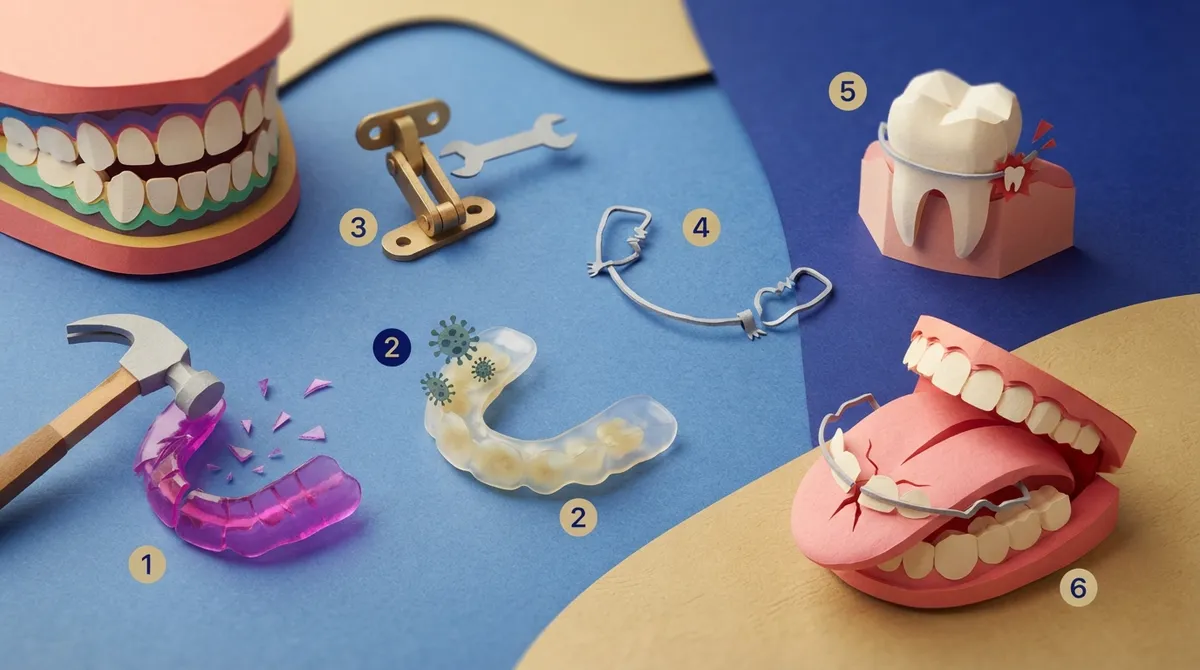
6 Signs It’s Time to Replace Your Retainer
1. It Has Cracks, Chips, or Visible Wear
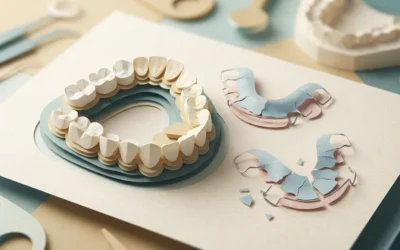
Small cracks may seem harmless, but they can grow quickly. A cracked clear retainer can break apart while you’re wearing it. It can also develop rough edges that irritate your tongue and cheeks.
Look at your retainer in good light every few weeks. If you see cracks, thin spots, or chunks missing, it’s time to call your orthodontist. Please don’t glue or patch it yourself. Home fixes can change the shape and make the fit worse.
2. It Looks Warped or Misshapen
A retainer that has lost its shape can’t hold your teeth in place. Warping often happens when a retainer gets too hot. Common culprits include hot water, a car dashboard, a hot dishwasher, or a spot near a heater.
If your retainer looks bent, wavy, or just “off,” don’t try to bend it back. A distorted retainer may push on your teeth in the wrong way. Your orthodontist can check it and let you know if a new one is needed.
3. It Feels Tight, Painful, or Won’t Seat Fully
This one is important. If your retainer suddenly feels very tight, hurts, or won’t click all the way into place, don’t force it. Pushing a retainer that doesn’t fit can strain your teeth or damage the retainer.
A tight fit can mean your teeth have moved a little. It can also mean the retainer itself has changed shape. Either way, an orthodontist should look at it. They can decide whether you need an adjustment, a replacement, or a little corrective treatment to get things back on track.
If you’ve gone a while without wearing your retainer and it feels snug, you’re not alone. It happens to lots of patients. The best move is to reach out sooner rather than later.
4. It’s Loose or Doesn’t Hold Snugly Anymore
The opposite problem matters too. A retainer that feels loose, slides around, or doesn’t grip your teeth may have stretched or worn out. A loose retainer can’t do its job of keeping your teeth steady.
You might notice it pops out while you sleep or shifts when you talk. That’s a sign the fit has changed. Book a visit so your orthodontist can check both the retainer and your tooth alignment.
5. A Bonded Wire Is Loose, Bent, or Detached
Some people have a bonded (permanent) retainer, which is a thin wire attached behind the front teeth. These are tough, but they can come loose or break. A detached wire means that section of your teeth isn’t protected anymore.
Signs to watch for include:
- A wire that feels loose or moves when you touch it
- A sharp or poking end that bothers your tongue
- A bent wire or a spot where the bond has popped off
- A new gap or twist in the teeth near the wire
Don’t bend it or try to glue it. Call right away. Teeth can start to move once the wire lets go, so you shouldn’t wait for your next routine appointment. For more on this topic, see our guide on what to do if your retainer breaks.
6. It’s Lost, Damaged by a Pet, or Gone Missing
Let’s be real. Retainers get lost in napkins, left in cafeteria trays, and chewed by curious dogs. It happens to the best of us, and there’s no shame in it. A lost retainer needs to be replaced, and the sooner the better.
The longer your teeth go without support, the more they can drift. So if your retainer goes missing, don’t wait for your next regular visit. Contact your orthodontist promptly. If you’ve lost yours, our tips on what to do next after losing a retainer can help you get moving fast.
How Long Do Different Retainers Usually Last?
While there’s no official replacement schedule, some orthodontic practices share general estimates. Treat these as rough guides, not rules. Your own retainer’s condition and fit should lead the way.
| Retainer Type | General Lifespan Estimate | Common Reasons for Replacement |
|---|---|---|
| Clear plastic (Essix-style) | About 1–3 years | Cracks, cloudiness, warping, worn-down edges |
| Hawley (wire and acrylic) | About 5–10+ years | Bent wire, cracked acrylic, loose fit |
| Bonded (permanent) wire | Varies; can last many years | Loose or broken bond, bent or detached wire |
Clear plastic retainers often need replacing more often than a well-cared-for Hawley retainer. That’s because thin plastic wears down faster, especially if you grind your teeth at night. Still, these numbers are estimates only. A clear retainer that’s in great shape at year four doesn’t need to be tossed, and one that cracks at month eight does.
If you’d like to learn more about your options, take a look at our page on retainers or read about fixed vs. removable retainers.
Why Replacing a Retainer Doesn’t Mean You’re Done Wearing One
Here’s something many patients are surprised to learn. According to the American Association of Orthodontists, retainers are typically needed for a lifetime. The wearing schedule often gets lighter over time, but retention itself is long-term.
So a replacement isn’t a sign you’ve “failed” or that you’re starting over. It simply means your protective tool wore out, which is normal after months or years of use. Your orthodontist sets the right schedule for you based on how stable your alignment is.
This is especially helpful to know if you’re an adult who had braces years ago and noticed some shifting. Teeth can move at any age. A fresh retainer, or a quick check-in, can often help you keep what you worked so hard for. If you’re curious how to wear one the right way, here’s a handy guide on how to wear a retainer after braces.
What to Do Right Away If Your Retainer Is Lost or Broken
If something goes wrong, stay calm. Here’s a simple plan to follow:
- Stop wearing a damaged retainer. If it’s cracked, sharp, or bent, don’t put it in your mouth.
- Keep all the pieces. Even a broken retainer can help your orthodontist see what happened.
- Don’t force, bend, or glue it. Home repairs can warp the shape or hurt your teeth.
- Call your orthodontist promptly. Don’t wait for your next routine visit, because teeth can shift without retention.
- Ask about a replacement or repair. Your orthodontist can tell you which option makes sense.
If you’d like help right away, you can contact our team and we’ll point you in the right direction. We know a broken retainer can feel stressful, and we’re here to make it easy.
How to Help Your Retainer Last Longer
A little daily care goes a long way. These habits can help your retainer stay strong and fit well for as long as possible:
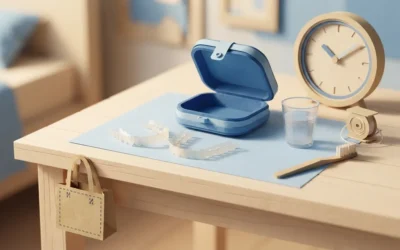
- Always use the case. Wrapping a retainer in a napkin is the number one way retainers get tossed in the trash.
- Keep it away from heat. Hot water, hot cars, and hot dishwashers can distort plastic.
- Protect it from pets. Dogs love the smell of retainers. Store yours out of reach.
- Clean it as directed. Use a soft toothbrush and cool or lukewarm water, or follow the steps your orthodontist gave you.
- Bring it to checkups. We can spot early wear before it becomes a bigger problem.
Teens, this one’s for you: treat your retainer like your phone. You’d never leave it on a lunch tray, right? A little care keeps your smile looking great for the big moments, like graduation, prom, and every photo in between.
Why Regular Checkups Make Replacement Easier
Routine visits give your orthodontist a chance to look at your retainer and your teeth together. We can check the fit, look for wear, and catch small shifts early. That means fewer surprises and, often, simpler fixes.
If you ever notice a change in how your teeth feel or look, don’t wait. Early action usually means easier and more affordable care. And if you’re an adult dealing with some drift after past treatment, you have options. Learn more about our adult treatment approach or our adolescent treatment options for younger patients.
Your Smile Deserves a Retainer That Fits
At Brockway Orthodontics, we believe retainers are one of the most important parts of your whole treatment. Dr. Brockway takes the time to explain your options in a friendly, easy way so you always know what to expect. As a trusted Clearwater, Florida orthodontic practice, we welcome kids, teens, and adults who want help with a lost, broken, or worn-out retainer. You can also visit us on Google — Brockway Orthodontics to see what our patients say about their experience.
Want to learn more about how modern orthodontic care keeps smiles steady for years? You can read about the Brockway difference, or review general oral health guidance from the American Dental Association and find a professional community through the Florida Association of Orthodontists.
Final Thoughts
So, when should retainers be replaced? Not on a fixed date, but the moment your retainer is cracked, warped, loose, painful, lost, or no longer fits well. Watch for the six signs above, take good care of your appliance, and reach out early when something feels off. Your retainer is a small tool that protects a big investment in your smile.
If your retainer is worn out or missing, we’d love to help. Book an appointment online and let’s get your smile back on solid ground.
FAQs
Q: How often should I replace a clear plastic retainer?
A: There’s no set schedule, but clear plastic retainers often last about 1–3 years. Replace yours sooner if it cracks, turns cloudy, warps, or stops fitting snugly. Your orthodontist can check the fit at your next visit.
Q: How long do Hawley retainers last?
A: A well-cared-for Hawley retainer can last roughly 5–10 years or even longer. These are general estimates, though, not rules. If the wire bends, the acrylic cracks, or the fit feels loose, it’s time to have it looked at.
Q: Should I wear a retainer that feels tight or no longer fits?
A: No, please don’t force it. A tight or painful retainer may mean your teeth have shifted or the retainer has warped. Call your orthodontist so they can check it and decide whether it needs an adjustment, a replacement, or a little corrective care.
Q: How quickly can teeth shift after losing a retainer?
A: Teeth can start to move without retention, and the timing is different for each person. That’s why it’s best to call your orthodontist as soon as a retainer is lost or broken instead of waiting for a routine visit.
Q: Do I need to wear a retainer for the rest of my life?
A: According to the American Association of Orthodontists, retainers are typically needed for a lifetime. The good news is that the wearing schedule often gets lighter over time, and your orthodontist will tell you what’s right for your smile.
Our Service Area