Key Takeaways
-
Only a professional orthodontic exam can definitively determine if you need braces; crooked teeth alone don't automatically require treatment.
-
Crowded or overlapping teeth increase cavity and gum disease risk due to difficulty cleaning, making early exploration of treatment options important.
-
Bite problems like overbites, underbites, and crossbites may not be visible in the mirror but can cause jaw strain, speech issues, and uneven tooth wear.
-
The American Association of Orthodontists recommends children have their first orthodontic check-up by age 7 to catch developing issues early, even if immediate treatment isn't needed.
-
Adults experiencing tooth shifting, jaw discomfort, or unhappy with their smile have effective modern options like clear aligners that are more discreet than traditional metal braces.
-
Functional problems like frequent cheek biting, difficulty chewing, or speech changes can indicate alignment issues requiring professional evaluation beyond cosmetic concerns.
Staring in the mirror and wondering, “do I need braces?” You’re definitely not alone. Whether you’re a parent watching your child’s smile change, a teen dreaming of straight teeth for prom photos, or a busy professional finally ready to fix that bite you’ve ignored for years, this question pops up more often than you’d think. Here’s the good news: figuring out the answer doesn’t have to be stressful or confusing.
The truth is, only a real orthodontic exam can tell you for sure if you need braces. Crooked-looking teeth alone don’t automatically mean treatment is required. Sometimes what looks like a big problem is totally fine, and sometimes a subtle issue actually needs attention. That’s why we’re breaking down the six clearest signs to watch for, so you can walk into your next appointment feeling informed and confident. Let’s dig in together.
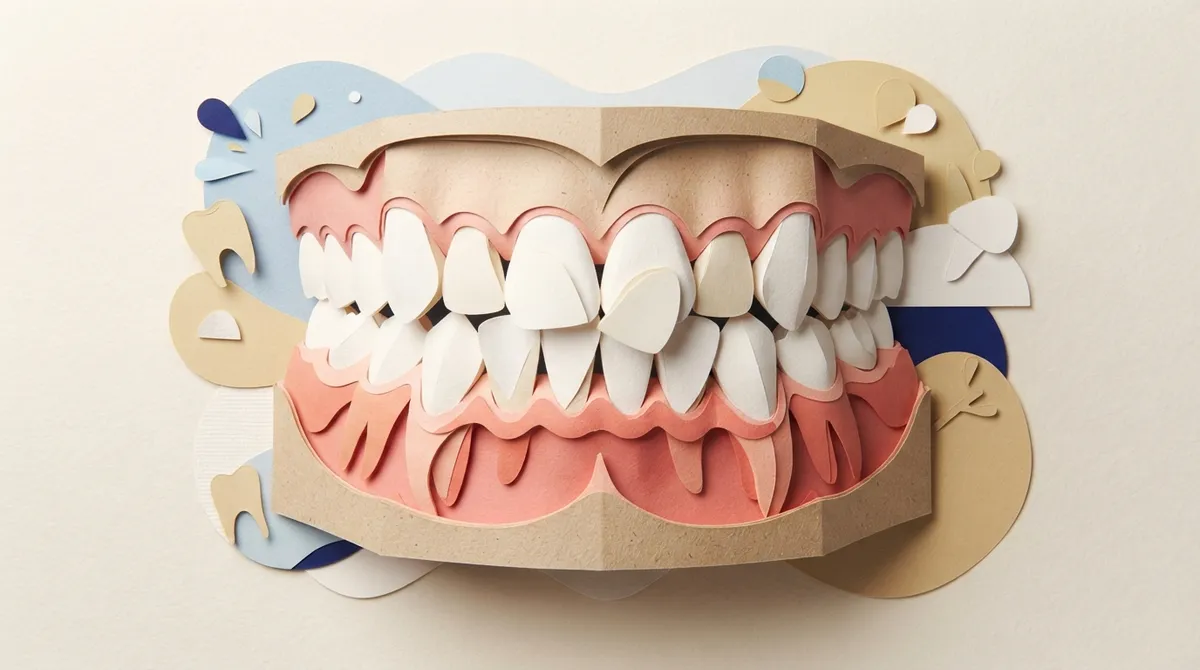
1. Your Teeth Are Crowded or Overlapping
Crowded teeth are one of the most common reasons people start thinking about braces. This happens when there isn’t enough room in your jaw for all your teeth to line up neatly. You might notice teeth twisting, overlapping, or sitting at odd angles.
Crowding isn’t just a cosmetic concern, either. Overlapping teeth can be harder to clean properly, which raises your risk of cavities and gum problems down the road. If you’ve noticed crowding getting worse over time, it’s worth exploring your orthodontic treatment options sooner rather than later.
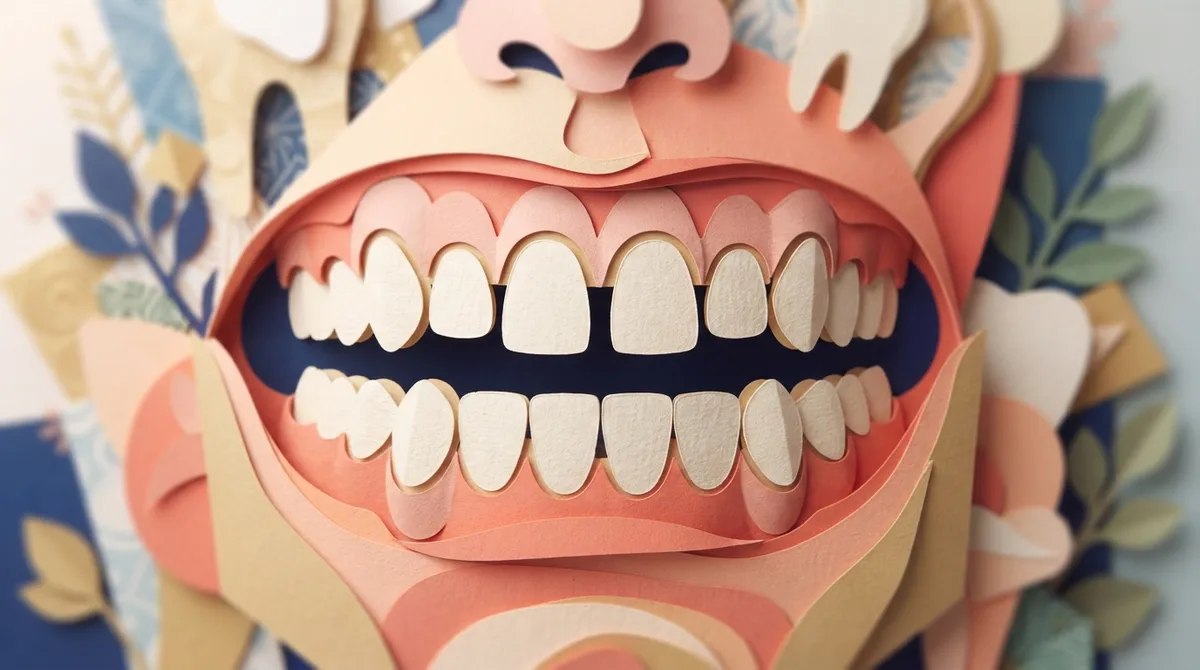
2. You Have Noticeable Gaps Between Teeth
On the flip side, some people deal with the opposite problem: too much space. Gaps between teeth can happen for lots of reasons, including missing teeth, small teeth, or extra room in the jaw.
While a small gap might not bother you, larger spacing issues can affect your bite and even your speech. Many patients find that Spark™ Clear Aligners work wonderfully for closing these gaps discreetly, especially for adults who want a more subtle treatment option.
3. Your Bite Doesn’t Line Up Right
This one’s a biggie, and it’s not always obvious just by looking in the mirror. A bad bite (dentists call this malocclusion) includes overbites, underbites, crossbites, and open bites. Here’s a quick breakdown of what each one looks like:
| Bite Issue | What It Looks Like | Why It Matters |
|---|---|---|
| Overbite | Upper teeth stick out far past lower teeth | Can cause jaw strain and uneven wear |
| Underbite | Lower teeth sit in front of upper teeth | May affect chewing and speech |
| Crossbite | Some upper teeth sit inside lower teeth | Can cause jaw shifting or asymmetry |
| Open Bite | Front teeth don’t touch when biting down | Makes biting food difficult |
If your jaw shifts or clicks when you bite down, that’s another clue worth mentioning at your next visit. Learning how braces fix a deep overbite can help you understand what treatment might involve.
4. You Struggle With Chewing, Speaking, or Frequent Cheek Biting
Sometimes the signs aren’t about how your smile looks at all. They’re about how your mouth actually works. If you find yourself biting your cheeks often, struggling to chew certain foods, or noticing changes in your speech, these could point to an alignment issue.
These signs aren’t always caused by orthodontic problems. Other dental issues can cause similar symptoms. Still, it’s smart to get things checked out. A quick visit for what to expect during your orthodontic exam can help clear up any confusion.
5. Your Child Is Approaching Age 7 (Or Already Past It)
Here’s a fact that surprises a lot of parents: the American Association of Orthodontists recommends kids have their first orthodontic check-up by age 7. That doesn’t mean every 7-year-old needs braces. It just means this is a great age for an orthodontist to spot developing issues early.
At this age, some baby teeth and adult teeth are both present, giving orthodontists a clearer picture of how the jaw and bite are developing. Early evaluation can catch things like:
- Crossbites that could affect jaw growth
- Severe crowding that will only get worse
- Thumb-sucking habits affecting tooth position
- Early or delayed loss of baby teeth
- Jaw growth patterns that may need guiding
Many kids are simply monitored for a few years before starting any treatment. Others may benefit from early intervention. Either way, getting that first check-up is a smart move. You can learn more about early treatment options designed just for growing smiles.
6. You’re an Adult With Shifting Teeth or Old Orthodontic Relapse
Think braces are just for kids and teens? Think again. A growing number of adults are seeking orthodontic care, whether it’s their first time or a redo after their teeth shifted back following earlier treatment.
This is incredibly common. Teeth naturally shift over time, especially if you stopped wearing your retainer years ago. If you’re noticing your smile isn’t quite what it used to be, don’t be embarrassed. It happens to lots of people, and there are great solutions available for adult orthodontic treatment today.
Common Reasons Adults Seek Treatment
- Teeth have shifted since childhood braces
- Never had orthodontic treatment as a child or teen
- Jaw pain or discomfort has developed over time
- Wanting a more confident smile for career or social reasons
- Discovering that treatment is more comfortable and faster than expected
Whatever your reason, modern options like clear aligners make treatment far more discreet than old-school metal brackets. This is especially appealing for professionals who don’t want a mouth full of metal during important meetings.
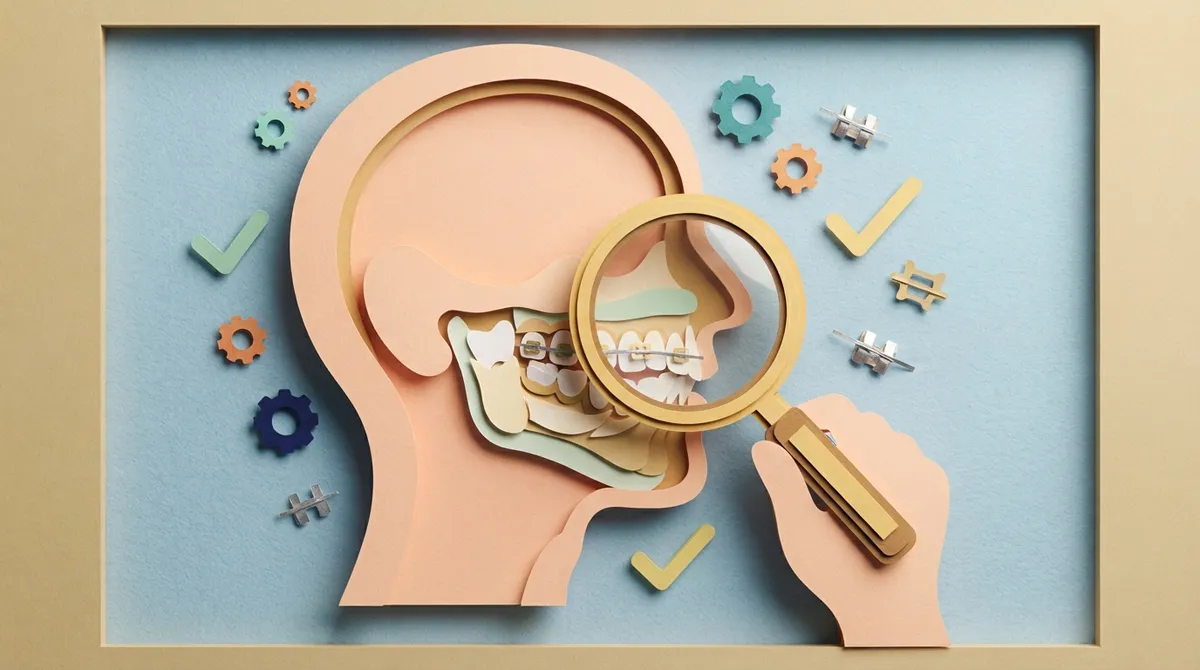
What Actually Happens at an Orthodontic Consultation
So you’ve noticed one (or several) of these signs. What’s next? Here’s a simple breakdown of the process:
- Initial exam: The orthodontist looks at your teeth, gums, and bite alignment.
- Digital scans or X-rays: These help see what’s happening beneath the surface, including root positions and jaw structure.
- Photos and impressions: These create a clear picture of your starting point for treatment planning.
- Treatment discussion: You’ll learn whether braces, clear aligners, or simply monitoring makes the most sense for you.
- Questions and answers: This is your time to ask anything, from cost to timeline to comfort.
It’s important not to try to diagnose yourself using online photos or symptom checklists. Every mouth is different, and a hands-on exam gives far more accurate answers. If you want to know more about the process, check out our guide on what happens during your first visit.
Braces vs. Clear Aligners: Which Fits Your Life?
Once you know you need treatment, the next question is usually which option fits your lifestyle best. Here’s a simple side-by-side look:
| Feature | Traditional Braces | Clear Aligners |
|---|---|---|
| Visibility | Visible metal or ceramic brackets | Nearly invisible |
| Removable? | No, fixed until treatment ends | Yes, removable for eating and brushing |
| Best For | Complex bite issues, all ages | Mild to moderate cases, discreet preference |
| Maintenance | Requires careful brushing around brackets | Easy to clean, just remove and brush |
Both options can deliver fantastic results. It really comes down to your specific needs, your bite complexity, and your personal preferences. Our team can walk you through all about braces or explore whether clear aligners might be the better fit for your goals.
Why Choosing the Right Orthodontist Matters
Not every dental provider has the specialized training needed to handle complex orthodontic cases. Orthodontists complete years of additional education beyond dental school, focusing specifically on tooth movement and jaw alignment.
At Brockway Orthodontics in Clearwater, Dr. Brockway brings genuine care and extensive experience to every patient interaction. She takes time to listen to your concerns and goals, making sure you feel comfortable every step of the way. Whether you’re a nervous first-timer or an adult ready for a second round of treatment, you’ll be treated like family, not just another appointment on the schedule.
We also believe technology should make your experience better, not more complicated. That’s why we use digital impressions instead of messy molds, plus 3D imaging for precise treatment planning. In select cases, we can even offer same-day treatment starts, perfect for busy families juggling packed schedules.
Curious what real patients say about their experience? You can visit us on Google — Brockway Orthodontics to read honest reviews from families just like yours right here in Clearwater. You can also follow along on Instagram or connect with us on Facebook for smile transformations and helpful tips.
Signs It’s Time to Book That Consultation
Still on the fence? Here’s a simple checklist to help you decide if now’s the time to reach out:
- You or your child are experiencing any of the six signs above
- Your child is turning 7 and hasn’t had an orthodontic check-up yet
- You’ve noticed changes in your bite or jaw comfort
- Your teeth have shifted since previous orthodontic treatment
- You’re simply curious about your options and want expert guidance
According to the American Dental Association, regular dental and orthodontic check-ups play a key role in catching issues early, before they become bigger (and more expensive) problems. The Florida Association of Orthodontists also emphasizes that early evaluation, even if treatment isn’t needed right away, gives families peace of mind and better long-term outcomes.
Your Next Step Toward a Confident Smile
Wondering “do I need braces” is completely normal, and getting a clear answer is easier than you might think. The only way to truly know is through a professional evaluation, and that’s exactly what we’re here for at Brockway Orthodontics.
Whether you’re bringing in your 7-year-old for their very first check-up, exploring discreet options as a busy professional, or finally addressing that relapse from years ago, our Clearwater team is ready to help. We’ll walk you through every option, answer every question, and make sure you feel completely comfortable before starting any treatment.
Ready to find your answer? Book your appointment online today and take the first step toward the smile you’ve been dreaming about. Have questions before you schedule? Contact our friendly team anytime, we’re always happy to help.
FAQs
Q: How can I tell if I need braces?
A: The best way is to schedule an evaluation with an orthodontist who can examine your bite, jaw alignment, and tooth positioning. Signs like crowding, gaps, bite problems, or jaw discomfort are good reasons to book a check-up. Remember, crooked-looking teeth alone don’t always mean treatment is necessary, so a professional exam gives you the real answer.
Q: At what age should a child see an orthodontist?
A: The American Association of Orthodontists recommends kids have their first orthodontic check-up by age 7. This doesn’t mean treatment starts right away. It simply gives an orthodontist the chance to catch developing issues early and plan ahead if needed.
Q: Can I need braces even if my teeth look straight?
A: Absolutely, yes! Bite problems like overbites, underbites, and crossbites aren’t always visible just by looking at your smile. That’s why a hands-on evaluation matters so much, since some issues hide beneath the surface.
Q: Can adults get braces, and how do I know if I need them?
A: Adults get braces all the time, and it’s more common than ever these days! If your teeth have shifted, you never had treatment as a kid, or you’re dealing with bite discomfort, it’s worth exploring your options. Many adults love clear aligners for their discreet, comfortable design.
Q: What happens at an orthodontic consultation?
A: You’ll get a friendly exam, possibly some digital scans or photos, and a clear conversation about your treatment options. It’s a relaxed, no-pressure visit where you can ask questions and learn exactly what your smile needs. We’ll walk you through everything step by step.
Our Service Area