Key Takeaways
-
Orthodontists diagnose bite problems using digital scans and X-rays to identify issues like crowding, overbites, and underbites early, preventing future jaw pain and tooth wear.
-
Orthodontists create personalized treatment plans tailored to your age, lifestyle, and severity of bite issues, offering options from traditional braces to clear aligners like Spark™.
-
After treatment ends, orthodontists provide retainers to prevent teeth from shifting back, requiring consistent wear to protect your investment in your new smile.
-
The American Association of Orthodontists recommends children get their first evaluation by age 7 to catch jaw growth issues early while bones are still developing.
Ever wonder what really happens behind the scenes at an orthodontist’s office? You’re not alone. Many parents, teens, and adults have questions about what do orthodontists do beyond just “putting on braces.” The truth is, orthodontists wear many hats. They’re detectives who spot bite problems early, planners who map out your smile’s future, and coaches who guide you through every step of treatment.
At Brockway Orthodontics in Clearwater, Florida, we love helping our community understand this journey. Whether you’re a parent bringing in your seven-year-old for a first check, a teenager dreaming of a graduation-ready smile, or an adult professional finally ready to fix that shifting bite, knowing what your orthodontist actually does can ease your worries. Let’s break down the six core things orthodontists do, so you can feel confident and informed before your first visit.
1. They Diagnose Bite and Alignment Problems
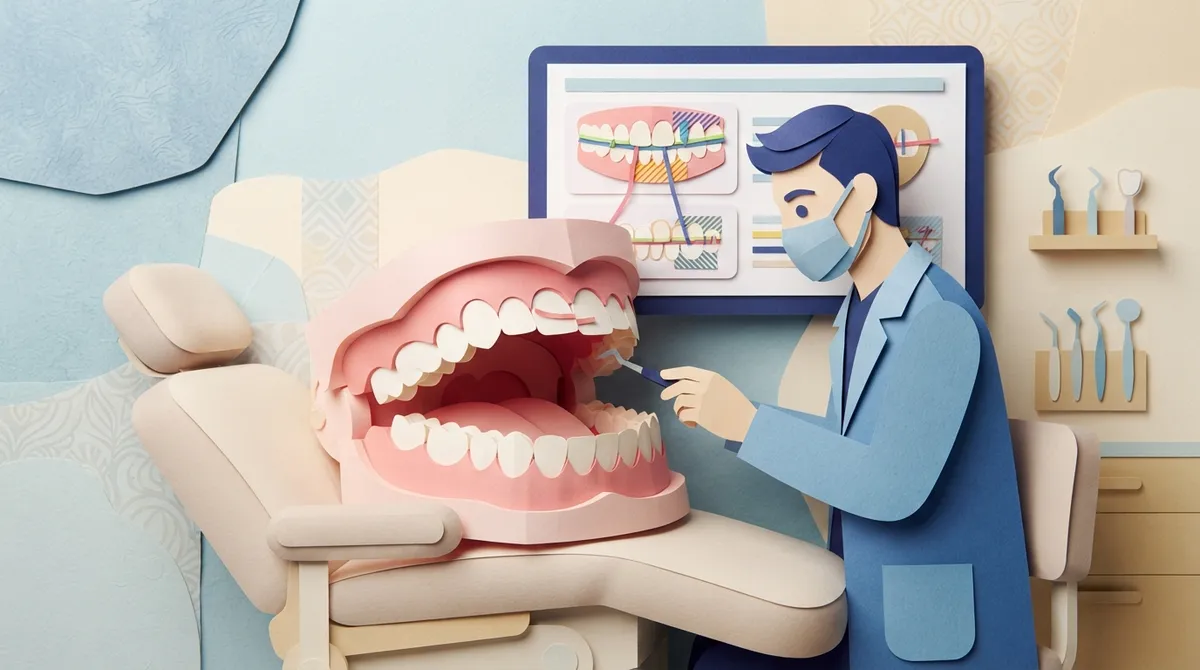
Orthodontists are specialists trained to spot issues with how your teeth and jaws fit together. This is called a malocclusion, which is just a fancy word for a bad bite. They look for crowding, gaps, overbites, underbites, crossbites, and open bites.
During your first visit, Dr. Brockway will take a close look at your teeth, jaw, and facial structure. She uses digital scans and X-rays to see what’s happening beneath the surface. This step is critical because it shapes everything that comes next in your care.
Catching these issues early matters. According to the Florida Association of Orthodontists, untreated bite problems can lead to bigger issues later, including jaw pain and uneven wear on your teeth.
2. They Create a Personalized Treatment Plan
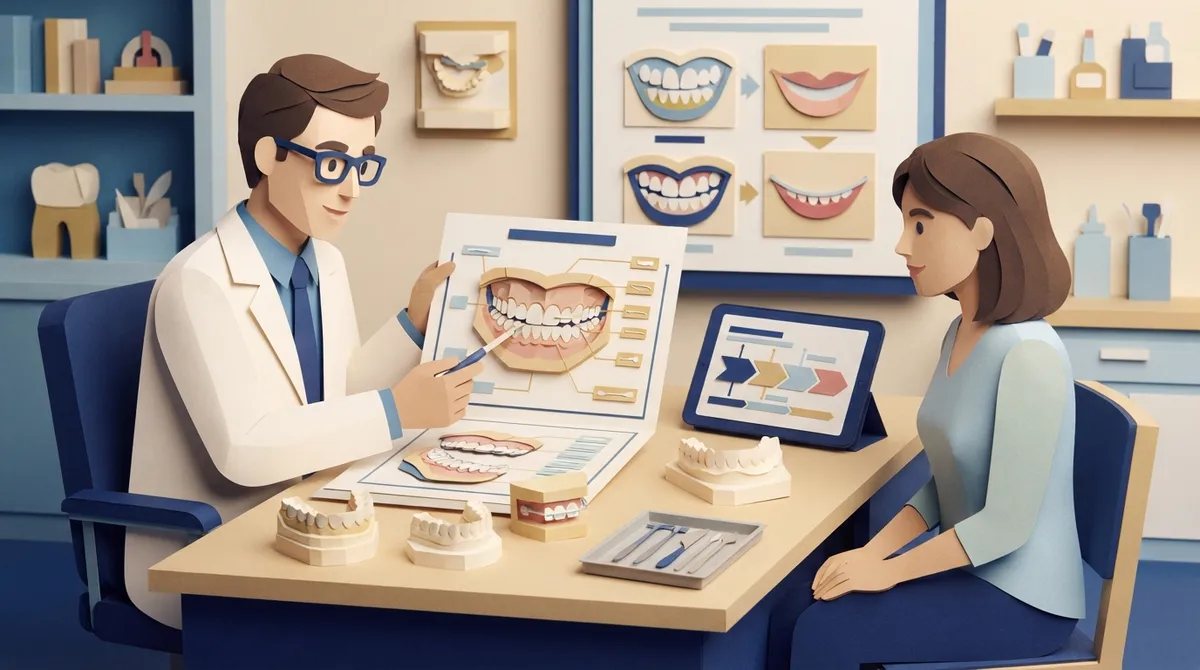
No two smiles are the same, so orthodontists don’t use a one-size-fits-all approach. After diagnosing your specific needs, they build a treatment plan just for you. This plan considers your age, the severity of your bite issue, and your lifestyle goals.
For a busy professional who needs something discreet, that might mean recommending Spark™ Clear Aligners. For a teenager who wants options with some personality, colorful traditional braces might be the better fit. Parents of younger kids often explore early treatment options to guide jaw growth before all the permanent teeth even arrive.
Here’s a quick look at how treatment plans can vary by patient type:
| Patient Type | Common Concerns | Typical Treatment Options |
|---|---|---|
| Children (ages 7-11) | Jaw growth, crowding, early bite issues | Palatal expanders, early phase braces |
| Teenagers | Crooked teeth, confidence, social events | Traditional braces, ceramic braces, clear aligners |
| Adult Professionals | Discreet options, minimal disruption | Clear aligners, ceramic braces |
| Relapse Patients | Shifting after previous treatment | Retainers, short-term aligner treatment |
3. They Apply and Adjust Orthodontic Appliances
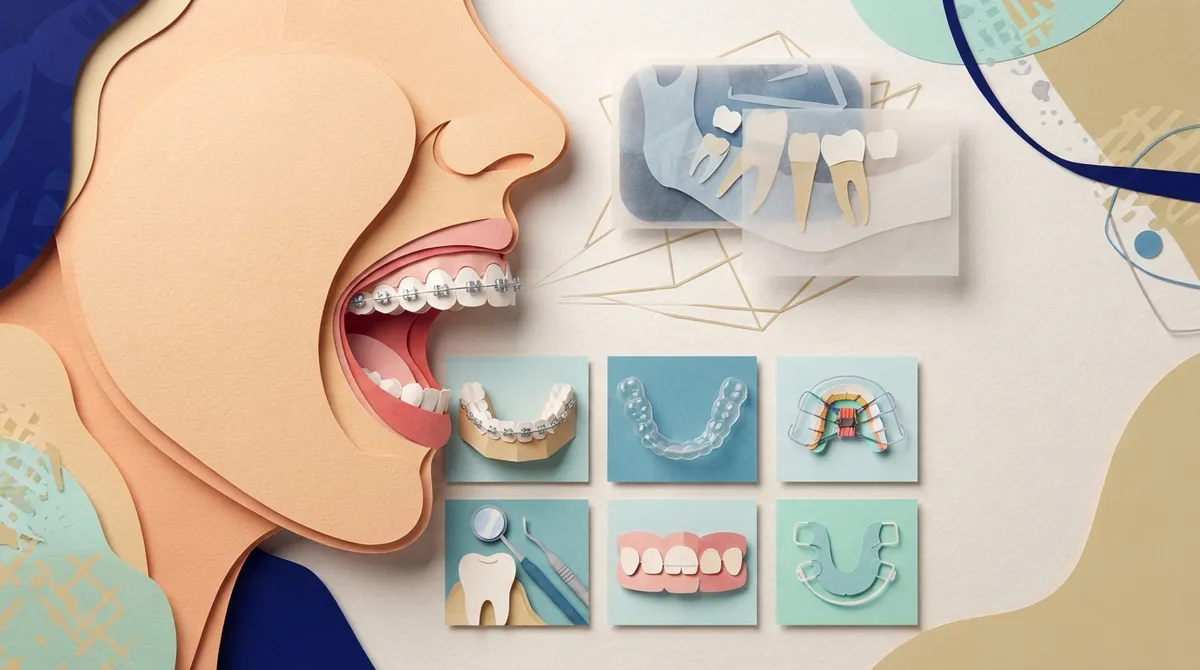
This is probably what most people picture: braces, wires, and aligners. Orthodontists are trained to place these appliances safely and adjust them over time to slowly move your teeth into the right position.
Common tools include:
- Traditional metal braces
- Ceramic (clear) braces for a more subtle look
- Clear aligners, like our popular Spark™ system
- Palatal expanders for younger patients with narrow jaws
- Elastics and archwires to fine-tune bite alignment
- Temporary anchorage devices for more complex cases
According to the American Association of Orthodontists, most patients with braces visit their orthodontist every 6 to 10 weeks for adjustments. These regular check-ins help keep your treatment moving smoothly and on schedule. If you’re weighing your options, our guide on traditional braces vs. clear aligners can help you decide what fits your life best.
4. They Monitor Your Progress Over Time
Orthodontic treatment isn’t a one-and-done deal. It’s a journey that takes time, and orthodontists track your progress at every step. They check how your teeth are moving, tighten wires, swap out aligner trays, and make small adjustments as needed.
Treatment length varies a lot. Some minor corrections take just a few months. More complex bite corrections can take a couple of years, according to the American Association of Orthodontists. Your orthodontist will keep you updated so you always know where you stand.
This ongoing care is one reason why choosing the right provider matters so much. Dr. Brockway takes pride in explaining every step clearly, so you’re never left wondering what’s happening with your smile. You can read more about her approach on our Meet Dr. Brockway page.
5. They Guide Jaw Growth and Development in Kids
This part of orthodontics is sometimes called dentofacial orthopedics. It’s a big term, but it simply means guiding how a child’s jaw and face grow. This is especially important for younger patients whose bones are still developing.
The American Association of Orthodontists recommends that kids get their first orthodontic evaluation by age 7. Why so early? Because this is when orthodontists can spot developing problems, like a narrow palate or a crossbite, while there’s still time to guide growth in a healthier direction.
Not every child needs treatment at this age, but an evaluation can catch problems before they become bigger and more expensive to fix later. Our adolescent treatment page has more details on what to expect if your child needs care during these growing years. Parents in Clearwater can find helpful tips on our page about orthodontics for kids.
6. They Provide Retention Care After Treatment
Here’s something many people don’t realize: the work isn’t over once your braces come off or your last aligner tray is done. Orthodontists provide retainers to help your teeth stay in their new positions.
Your bone and gum tissue need time to settle around your teeth’s new alignment. Skipping this step, or not wearing your retainer as directed, can lead to relapse. That’s when teeth start shifting back toward their old positions.
If you’ve experienced this frustrating situation before, you’re not alone. Many adults return for retreatment because life got busy and retainer wear slipped. We offer several retainer options designed to fit comfortably into your daily routine and protect your investment in your smile.
When Should You See an Orthodontist?
Timing matters when it comes to orthodontic care. Here’s a simple breakdown of when different age groups typically benefit from a visit:
- Age 7: First orthodontic evaluation, even if teeth look straight
- Pre-teen and teen years: Most comprehensive treatment with braces or aligners begins
- Young adulthood: Great time for discreet treatment before career or social milestones
- Any age as an adult: It’s never too late to start, whether it’s your first treatment or a retreatment after relapse
No matter your age or stage, an orthodontist can help. We always encourage families in Clearwater to explore their adult treatment options if they’ve been putting off a straighter smile.
How Orthodontists Work with Your Broader Dental Team
Orthodontists don’t work alone. They often coordinate with your general dentist and, in more complex cases, with oral surgeons. This teamwork ensures your entire mouth stays healthy while your teeth are being moved.
The American Dental Association encourages patients to keep up with regular dental cleanings and checkups throughout orthodontic treatment. Braces and aligners can make brushing trickier, so staying on top of oral hygiene is more important than ever during this time.
For patients with more severe jaw discrepancies, orthodontists may recommend orthognathic surgery in partnership with an oral surgeon. This is rare, but it’s part of the comprehensive care an orthodontist provides when a case calls for it.
Why Choose Brockway Orthodontics in Clearwater
We know Clearwater families have plenty of choices, and we don’t take that trust lightly. Dr. Brockway combines advanced training with a genuinely warm, patient approach. She takes time to answer your questions, whether you’re curious about our full range of services or wondering if clear aligners are right for your lifestyle.
Our office uses modern technology like digital impressions and 3D imaging, so you skip the messy molds and get a more precise treatment plan from day one. In certain cases, we even offer same-day treatment starts, because we know your schedule is valuable.
Curious what other patients think? You can visit us on Google — Brockway Orthodontics to read real reviews from our Clearwater community. You can also follow along with patient smiles and office updates on our Instagram and Facebook pages.
Ready to Start Your Smile Journey?
Understanding what do orthodontists do is the first step toward feeling confident about your care. From that very first evaluation to your final retainer check, an orthodontist’s job is to guide, monitor, and support your smile every step of the way.
If you’re ready to see what’s possible for your smile, our team at Brockway Orthodontics would love to meet you. Book appointment online today and take the first step toward a smile you’ll love. Have questions first? Feel free to contact us anytime, we’re happy to help.
FAQs
Q: What does an orthodontist do that a dentist does not?
A: Great question! While dentists focus on overall oral health, orthodontists specialize in fixing bite problems and aligning teeth and jaws. Think of orthodontists as dentists who went on to get extra years of specialized training just for straightening smiles and correcting bites.
Q: When should my child first see an orthodontist?
A: The American Association of Orthodontists recommends an evaluation by age 7. Don’t worry if their teeth still look a little wild at that age, this early visit just helps us catch any jaw or bite issues while there’s still time to guide growth naturally.
Q: Do adults really need to see an orthodontist too?
A: Absolutely, and you’re definitely not alone! Many adults come to us wanting a straighter smile or needing retreatment after their teeth shifted back over time. It’s never too late to invest in your smile, and we have discreet options like clear aligners that fit right into busy adult life.
Q: How long does orthodontic treatment usually take?
A: It really depends on your unique smile. Simple fixes might take just a few months, while more involved bite corrections can take a couple of years. Dr. Brockway will walk you through a realistic timeline during your first visit, so there are no surprises.
Q: Why do I need to wear a retainer after braces or aligners?
A: Think of your retainer as your smile’s best friend after treatment! Your teeth need time to settle into their new spots, and skipping retainer wear can let them drift back. Wearing it as directed protects all the hard work you put into your new smile.
Our Service Area