Key Takeaways
-
Soreness typically peaks on day one after braces are placed, then steadily decreases—most patients feel back to normal by the end of the first week with proper pain management.
-
The actual braces placement appointment is painless; soreness begins 4+ hours later as teeth start shifting, so don't be alarmed if you feel fine during the appointment but sore that evening.
-
Soft foods, orthodontic wax, warm salt-water rinses, and over-the-counter pain relief are proven, practical strategies that help most patients manage discomfort within 1-2 days.
-
Call your orthodontist if pain feels severe, worsens over time, lasts more than a few days, or if you have a broken bracket or poking wire—normal soreness is manageable but persistent pain needs professional evaluation.
So you’re wondering, “are braces painful?” You’re not alone! It’s probably one of the top questions we hear at our Clearwater office. The good news? Braces are much more comfortable than most people expect. Yes, there’s some soreness now and then, but it’s temporary, manageable, and honestly a small price to pay for a smile you’ll love forever.
Whether you’re a parent looking into adolescent treatment for your kiddo, a teen counting down to picture day, or an adult finally getting the smile you’ve always wanted, we get it: nobody wants surprises when it comes to discomfort. So let’s break down exactly what to expect, backed by real research, and share our favorite tips for staying comfortable every step of the way. Grab a cozy blanket (or some pudding), and let’s dig in!
1. Getting Braces Put On Doesn’t Hurt (But Soreness Comes Later)
Here’s a fun fact that surprises a lot of our patients: the actual appointment to get braces put on isn’t painful at all. Dr. Brockway simply bonds the brackets to your teeth and threads the wire through. No needles, no drilling, nothing scary!
The soreness usually shows up later, often several hours after you leave our office. Research shows discomfort tends to start around 4 hours after your appliance is placed, though this can vary from person to person. So don’t be alarmed if you feel totally fine at your appointment and then notice some tenderness that evening. That’s completely normal, and it means your teeth are starting to shift into their new, straighter positions.
2. The First Day Is Usually the Toughest (Then It Gets Better)
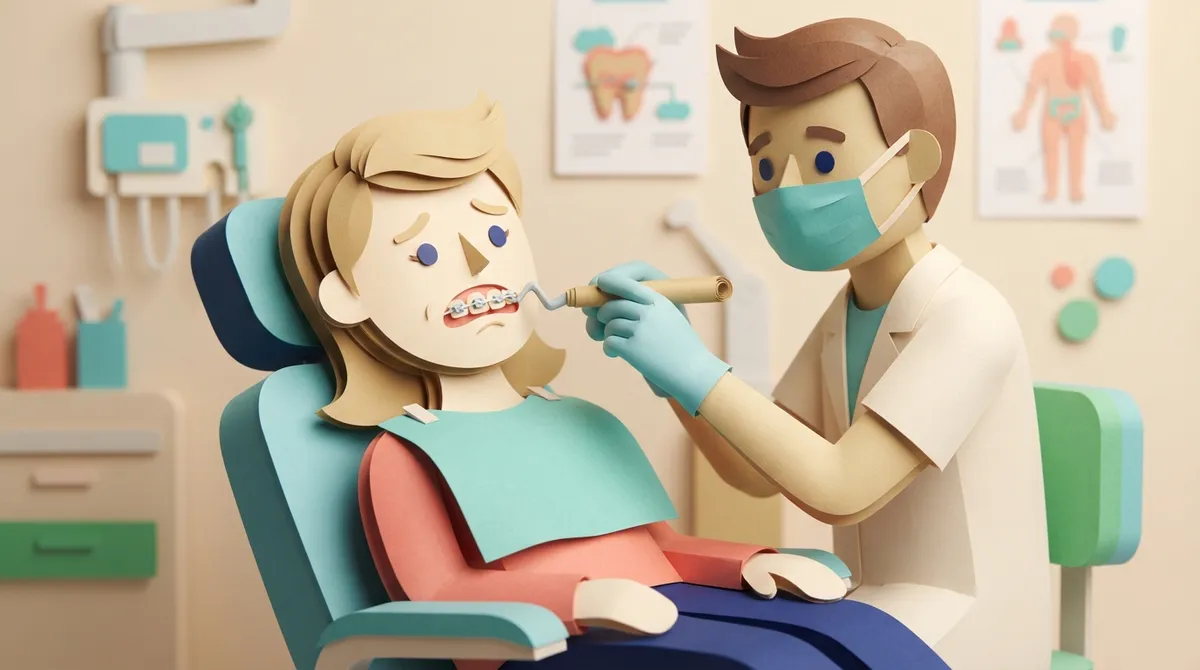
If you’re going to feel sore, day one is typically when it peaks. A 2023 review of clinical studies found that pain scores rise noticeably on the first day after braces are placed, then start dropping steadily after that. By the end of the first week, most patients report the soreness has faded to barely noticeable.
Here’s a simple timeline of what many patients experience:
- Day of placement: Little to no discomfort during or right after the appointment.
- Hours 4-12: Mild pressure or tenderness begins to set in.
- Day 1: Discomfort typically peaks — think dull ache or soreness when biting.
- Days 2-4: Soreness gradually eases up.
- End of week 1: Most patients feel back to normal, with minimal lingering tenderness.
Every mouth is different, so your experience might be a little faster or slower. If you want a deeper dive into what your first week might look like, check out our guide on what to expect your first week with braces.
3. What Braces Pain Actually Feels Like
Let’s get specific, because “pain” can mean a lot of different things! Most patients describe braces discomfort as:
- A dull ache or pressure, especially when chewing
- Tenderness in the teeth that feels similar to a mild bruise
- Minor irritation where brackets or wires rub against your lips or cheeks
- A tight feeling after adjustments, almost like your teeth are being gently squeezed
It’s rarely sharp or intense. If you’re feeling something closer to sharp, stabbing pain, that’s worth a call to our office rather than something to just push through.
4. Adjustment Visits Cause Soreness Too (But It’s Milder)
Many patients ask if the soreness comes back every time you get your braces tightened. The honest answer is: usually yes, but it tends to be milder than that first round of discomfort. Your teeth are already used to gentle pressure by this point, so subsequent adjustments typically feel like a smaller version of what you experienced initially.
This is actually a good sign! It means your treatment is progressing and your teeth are responding to the plan Dr. Brockway created just for you. If you’re curious about how the whole treatment journey unfolds, our All About Braces page walks through everything from start to finish.
5. Simple Tricks That Actually Help With Soreness
We’ve helped thousands of Clearwater patients get comfortable with braces, and these tried-and-true tips make a real difference:
| Remedy | How It Helps |
|---|---|
| Soft foods | Reduces pressure on sore teeth (think mashed potatoes, yogurt, smoothies) |
| Orthodontic wax | Covers brackets or wires that rub against your cheeks or lips |
| Warm salt-water rinse | Soothes irritated gum tissue and small sores |
| Over-the-counter pain relief | Eases dull aches; always check the label or ask a pharmacist first |
| Cold water or ice packs | Numbs soreness and reduces any swelling |
A quick word of caution: always read medication labels carefully, and check with your doctor or pharmacist before giving anything to a child. Every family’s situation is a little different, so when in doubt, just give us a call. For more food-related tips, take a look at our list of good foods for braces.
6. When Braces Pain Means You Should Call Us
Most soreness is totally normal and nothing to worry about. But there are a few signs that mean it’s time to reach out to our team instead of waiting it out:
- Pain that feels severe or is getting worse instead of better
- Discomfort that lasts more than a few days without improvement
- A broken bracket, loose wire, or wire poking into your cheek
- Gums that are very red, swollen, or bleeding
Never try to bend, cut, or fix a wire yourself unless we’ve specifically told you how. It’s always safer to let us take a look. According to the American Dental Association, persistent oral pain of any kind should always be evaluated by a professional rather than assumed to be normal. And remember, pain isn’t actually a sign that your treatment is working better or faster; it’s just your body adjusting.
Comparing Braces Pain to Clear Aligners
A lot of our adult patients ask how braces stack up against Spark™ Clear Aligners when it comes to comfort. Here’s a quick side-by-side:
| Factor | Traditional Braces | Spark™ Clear Aligners |
|---|---|---|
| Initial soreness | Mild to moderate, peaks around day one | Mild pressure with each new tray |
| Rubbing or irritation | Possible from brackets/wires | Rare, smooth plastic edges |
| Adjustment discomfort | Occurs at each tightening visit | Occurs with each new aligner (usually weekly) |
| Overall experience | Very manageable with wax and soft foods | Generally described as gentler |
Curious which option might be the better fit for your lifestyle? Our Spark™ Clear Aligners page breaks down the details, or you can compare both options directly on our Clear Aligners vs. Braces guide.
Why Families Trust Brockway Orthodontics With Their Comfort
At Brockway Orthodontics, we know that walking into an orthodontist’s office can feel a little intimidating, especially for kids and first-time patients. That’s why Dr. Brockway takes the time to explain every step, answer every question, and make sure you feel completely comfortable before, during, and after treatment. We proudly serve families throughout Clearwater, Florida, offering everything from traditional metal braces to ceramic options and Spark™ Clear Aligners.
We also use modern technology like digital impressions and 3D imaging, so your treatment plan is precise and your experience stays as smooth as possible. Want to see what other patients say about their journey with us? Feel free to visit us on Google — Brockway Orthodontics and read real reviews from our community. You can also learn more about our approach on our Meet Dr. Brockway page.
For general guidance on braces care, the Florida Association of Orthodontists also offers helpful patient resources worth checking out.
Your Comfort Comes First
So, are braces painful? Mostly, they’re just a little sore now and then, especially in that first day or two after getting them placed or tightened. With soft foods, wax, salt-water rinses, and the right pain relief, most patients breeze through it without much trouble at all. And if anything feels off or the discomfort seems bigger than expected, we’re always just a phone call away.
Ready to start your smile journey with a team that truly cares about your comfort? Book appointment online today and let’s chat about the best treatment option for you or your child. Have questions before then? Contact us anytime, we’re happy to help! You can also follow along with patient stories and smile transformations on our Facebook page.
FAQs
Q: Do braces hurt when they are first put on?
A: Nope, the actual appointment is pain-free since it’s just bonding brackets and placing a wire. Soreness usually shows up several hours later that same day, once your teeth start feeling the gentle pressure.
Q: How long do braces hurt after they are fitted?
A: Most patients feel the most soreness on day one, and it steadily fades over the following days. By the end of the first week, you’ll likely feel back to your normal, comfortable self.
Q: Do braces hurt after an adjustment or tightening?
A: You might feel some mild soreness after tightening visits, but it’s typically gentler than the initial discomfort. Think of it as a smaller, more familiar version of what you felt at the start.
Q: What can I do to relieve soreness from braces?
A: Soft foods, orthodontic wax, warm salt-water rinses, and appropriate over-the-counter pain relief all work wonders. These simple tricks help most patients feel comfortable within a day or two.
Q: When should I call my orthodontist about braces pain?
A: Reach out if pain feels severe, keeps getting worse, or lasts more than a few days without easing up. Also give us a call right away if you have a broken bracket, poking wire, or very swollen gums.
Our Service Area