Key Takeaways
-
Wear your retainer consistently as prescribed by your orthodontist during the critical first several months (typically 20-22 hours daily), then transition to nightly wear, as teeth can shift back faster than expected without proper retention.
-
Clean removable retainers with cool water and a soft toothbrush, never use hot water or dishwashers as heat warps plastic, and always store in a protective case to prevent damage and bacterial buildup.
-
Three main retainer types exist—Hawley (durable, adjustable), clear plastic trays (discreet), and bonded wire (maintenance-free)—each with different lifespans and costs, so choose based on your lifestyle and orthodontist's recommendation.
-
Replacement retainers typically cost $150-$400 per arch and last 2-5 years for removable types, so budget accordingly and inspect regularly for cracks, looseness, or warping that indicate replacement is needed.
-
Most patients need lifelong retainer wear, even if just a few nights weekly after the initial period, since teeth naturally shift with age and bite changes, making retention an ongoing commitment not a temporary phase.
-
Seek immediate professional evaluation if your retainer feels significantly painful, won't fit properly, has visible damage, or if your teeth have shifted noticeably, as wearing a damaged retainer is ineffective and can irritate gums.
So you (or your teen) just got braces off, or finished a round of clear aligners. Congratulations! That’s a huge milestone worth celebrating. But here’s the truth nobody tells you enough: the real work of keeping your smile straight starts now, with your dental retainer. Skipping this step is one of the most common regrets we hear about at Brockway Orthodontics in Clearwater, and we don’t want that for you.
Retainers aren’t just a formality your orthodontist mentions at your last appointment. They’re the quiet heroes that hold your teeth exactly where your braces or Spark™ Clear Aligners worked so hard to place them. Without one, teeth can drift back toward their old positions faster than you’d think. Whether you’re a parent guiding your teen through this stage, an adult professional protecting your investment, or someone dealing with relapse from years ago, this guide breaks down everything you need to know about dental retainers in simple, friendly terms.
1. Understand What Dental Retainers Actually Do
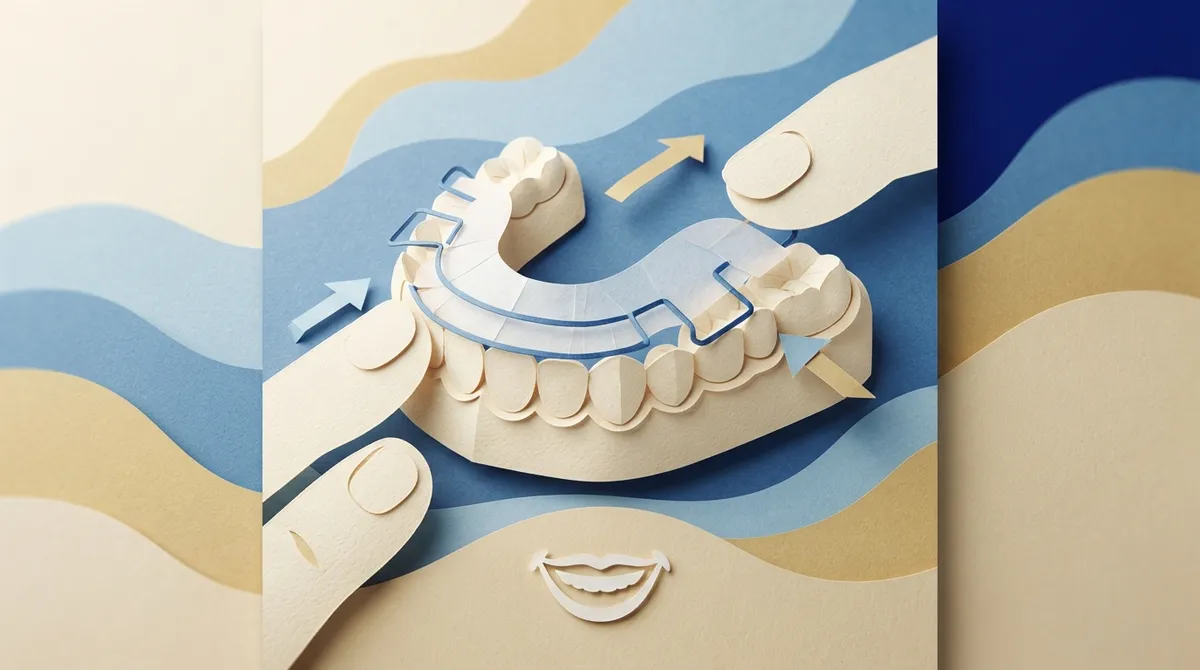
A dental retainer is an orthodontic appliance you wear after braces or aligner treatment. Its job is simple: hold your teeth in their new, corrected positions while the bone and gum tissue around them settle in. According to the American Association of Orthodontists, retainers reduce the chance of relapse, which is when teeth slowly shift back toward where they started.
Think of it like wet cement. Right after your braces come off, your teeth are still a little “movable.” Wearing your retainer as directed gives everything time to firm up. Skip this step, and you risk undoing months or years of hard work and money.
2. Know Your Retainer Options
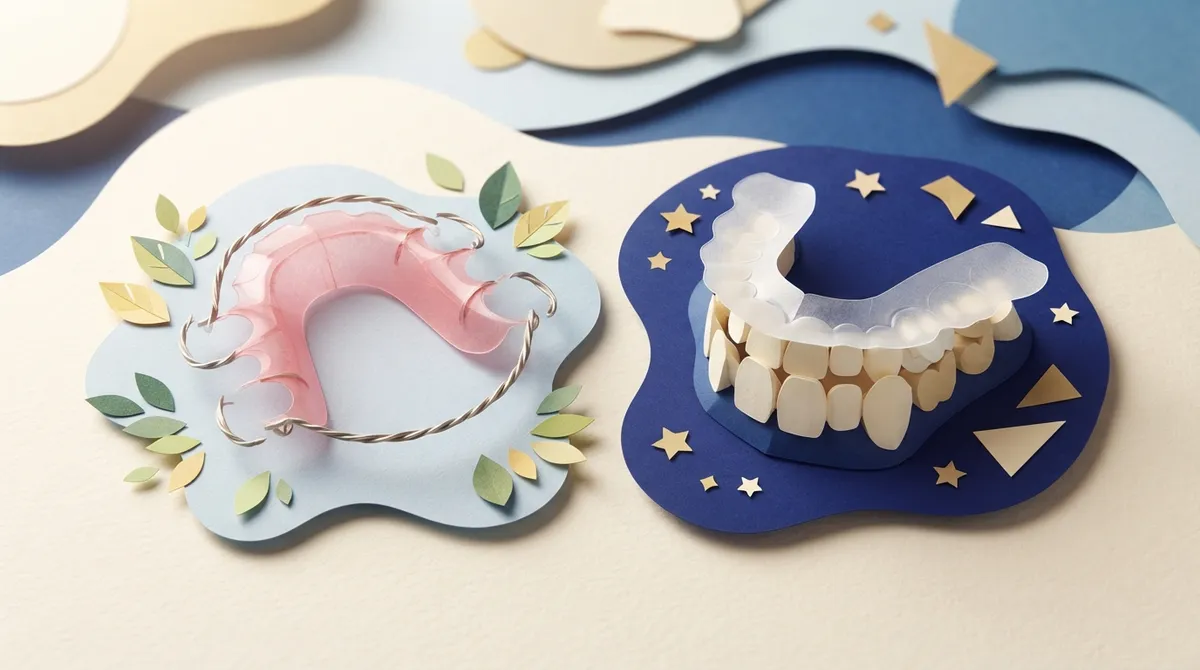
Not all retainers look or feel the same. Your orthodontist will recommend the type that best fits your treatment plan, lifestyle, and budget. Here’s a simple breakdown of the three main types used today.
| Retainer Type | What It’s Made Of | Best For |
|---|---|---|
| Hawley Retainer | Acrylic base with a metal wire | Durability and easy adjustments |
| Clear Removable (Essix-style) | Clear plastic tray, similar to aligners | Patients who want a nearly invisible option |
| Fixed/Bonded Retainer | Thin wire bonded behind teeth | Long-term retention without daily removal |
Each option has its own pros and cons. Clear trays are more discreet, Hawley retainers tend to hold up well over time, and bonded retainers work quietly behind the scenes since you don’t have to remember to put them in. If you’re unsure which one is right for you, our team can walk you through the choices during a visit. Check out our full range of services to see how retainers fit into your overall treatment plan.
3. Follow Your Personalized Wear Schedule
Here’s where things get a little confusing for a lot of patients: there’s no single “correct” retainer schedule that works for everyone. Your orthodontist will give you a plan based on your specific case, age, and how your teeth moved during treatment.
- Many orthodontists recommend near full-time wear right after treatment, often around 20 to 22 hours a day, for the first several months.
- Some guidance, including recommendations from Stanford Children’s Health, suggests about 12 hours a day for the first six months, followed by nighttime wear.
- A 2010 survey of orthodontists found many professionals recommended full-time wear for about nine months before switching to nights only.
- After the initial period, most patients transition to wearing retainers only at night.
- Long-term or even lifelong nighttime wear is common, since teeth can shift with age, bite changes, and natural bone remodeling.
The bottom line? Always follow what your orthodontist tells you, not a generic schedule you found online. If you’re not sure what’s expected of you, reach out and contact us to clarify your plan.
4. Clean and Store Your Retainer the Right Way
A retainer sitting in your mouth every day (or night) picks up plaque and bacteria just like your teeth do. Good habits keep it fresh, clear, and free of odor.
- Rinse your retainer with cool or lukewarm water after removing it.
- Gently brush it with a soft toothbrush and a non-abrasive cleaner.
- Avoid hot water entirely. Heat can warp plastic and acrylic retainers, ruining the fit.
- Skip the dishwasher, boiling water, or direct sunlight in a hot car.
- Never use bleach or alcohol-based cleaners, which can damage the material.
- Always store it in its protective case when it’s not in your mouth.
If you have a fixed retainer, cleaning looks a little different. You’ll need to brush and floss carefully around the bonded wire. Floss threaders, interdental brushes, or a water flosser can make this much easier. Regular dental checkups matter here too, since your dentist can spot loose bonding or plaque buildup you might miss at home.
5. Watch for Warning Signs Your Retainer Needs Attention
Retainers aren’t meant to last forever without a little TLC. Knowing the signs of trouble helps you catch problems early, before they turn into bigger (and more expensive) issues.
Signs of a Tight or Ill-Fitting Retainer
If your retainer feels slightly tight but doesn’t hurt, the AAO suggests wearing it more often for a few days to help it settle back into place. But if it’s significantly painful, won’t seat properly, or has visible cracks and sharp edges, don’t force it. Call your orthodontist right away instead.
Signs of Physical Damage
- Cracks or chips in the plastic or acrylic
- A bent or distorted wire
- A fixed retainer that feels loose or has detached from a tooth
- Persistent bad odor even after cleaning
- Visible discoloration or cloudiness
Continuing to wear a damaged retainer can be ineffective at best and irritating to your gums and cheeks at worst. If something feels off, it’s always better to get it checked than to guess.
6. Plan for Replacement Costs and Timelines
Retainers don’t last forever, even with great care. Knowing what to expect helps you budget and avoid surprises down the road.
| Retainer Type | Typical Lifespan | Estimated Replacement Cost (Per Arch) |
|---|---|---|
| Removable (Hawley or Clear) | Roughly 2 to 5 years | Approximately $150 to $400 |
| Fixed/Bonded | Roughly 5 to 15 years | Varies based on repair vs. full replacement |
Keep in mind these are general estimates, not guarantees. Prices vary by provider, materials, and location, so it’s always smart to ask your orthodontic office for a personalized quote. Our financing and insurance options page can help you understand what to expect when it’s time for a replacement.
7. Commit to Long-Term Retention for a Lifelong Smile
Here’s something that surprises a lot of patients: retention isn’t a “few months and you’re done” kind of deal. The AAO notes that retainer wear may be necessary for a lifetime, even though the frequency usually decreases over time.
Why? Because teeth are always subject to change. Periodontal remodeling, natural aging, growth, and everyday bite forces all play a role in gradual shifting. Many people simply wear their retainer a few nights a week for life once they’re well past the initial retention period. It’s a small habit that protects a big investment.
This is especially important for anyone who’s already experienced relapse. If you had braces years ago and your teeth have drifted, you’re not alone, and it’s not too late to fix it. Our team frequently works with adults exploring adult orthodontic treatment to correct relapse and get their smile back on track.
Retainers vs. Active Treatment: What’s the Difference?
It helps to understand that retention is a different phase than active treatment. Braces and aligners are designed to move teeth into new positions. Retainers, on the other hand, are meant to hold teeth still, not shift them significantly. If your retainer no longer fits because your teeth have moved, that usually means a clinical evaluation is needed, and in some cases, a short round of treatment before a new retainer can be made.
This is why routine visits matter so much, even after your active treatment ends. Your orthodontist and dentist can check your bite, gum health, and the condition of your retainer at the same time. The American Dental Association also recommends keeping up with regular dental exams and cleanings throughout retention, since healthy gums support a healthy, stable smile.
Why Families in Clearwater Trust Brockway Orthodontics for Retention Care
At Brockway Orthodontics, we treat retention as seriously as we treat active orthodontic care. Dr. Brockway takes time to explain your options in plain language, whether you’re a parent managing your teen’s Hawley retainer or an adult professional wearing a clear tray you can barely notice. We use digital impressions and modern imaging to design retainers that fit comfortably from day one, and we’re proud members of organizations like the Florida Association of Orthodontists, which keeps us current on best practices for retention care.
We also know life gets busy. That’s part of why we offer same-day options in certain cases, so families don’t have to juggle multiple appointments just to get a replacement retainer made. You can learn more about what to expect during your first visit on our first visit page, or explore our approach to care for growing smiles on our adolescent treatment page.
Curious what real patients say about their experience? You can visit us on Google — Brockway Orthodontics to read reviews from Clearwater families just like yours. We also love connecting with our community on Facebook and sharing smile transformations on Instagram.
And if you’re looking for other ways to feel your best while managing a busy schedule around appointments, many of our patients also enjoy relaxing self-care between visits, like booking a session with Mobile Area Massage of Tampa Bay to unwind after a long week.
Simple Daily Habits That Protect Your Retainer Investment
Small, consistent habits make a big difference in how long your retainer lasts and how well it works. Here’s a quick checklist to keep in mind.
- Always remove your retainer before eating, unless your orthodontist says otherwise.
- Rinse it before putting it back in, especially after meals.
- Keep your case with you when traveling or at school to avoid losing it.
- Never wrap your retainer in a napkin, it’s the number one way retainers get accidentally thrown away.
- Bring your retainer to every checkup so your orthodontist can inspect the fit.
These small steps take just seconds but can save you hundreds of dollars in replacement costs and months of frustration if your teeth start to shift.
Your Next Step Toward a Smile That Lasts
Your retainer might be small, but its job is mighty. It’s the final piece that protects everything your braces or clear aligners accomplished. Whether you need your first retainer, a replacement, or you’re dealing with relapse and want to explore your options, our Clearwater team is here to help every step of the way. Ready to talk retention or start your smile journey? Book your appointment online today and let’s keep your smile exactly where it belongs.
FAQs
Q: How long do you need to wear a retainer after braces?
A: Most orthodontists recommend near full-time wear, about 20 to 22 hours a day, for the first several months after braces. After that, many patients switch to nighttime-only wear. Your exact schedule depends on your case, so always follow what your orthodontist tells you personally.
Q: Do I have to wear my retainer for the rest of my life?
A: For many patients, yes, though usually just a few nights a week once you’re well past the initial retention period. Teeth naturally shift over time due to aging and bite changes, so long-term wear helps protect your smile. Think of it as a small habit that keeps your results looking great for years to come.
Q: What should I do if my retainer feels tight or no longer fits?
A: If it’s only mildly tight and not painful, try wearing it more often for a few days to help it settle back in. But if it’s genuinely painful, cracked, or won’t seat properly, don’t force it, give our office a call so we can take a look. Sometimes minor shifting needs a professional evaluation before a new retainer is made.
Q: How much do replacement retainers cost?
A: Replacement retainers typically run somewhere between $150 and $400 per arch, though this varies by material, provider, and location. We’re happy to give you a personalized quote based on your specific needs. It’s always worth asking about financing options if cost is a concern.
Q: Can a retainer straighten teeth that have already shifted?
A: Generally, no, retainers are designed to hold teeth in place, not move them significant distances. If your teeth have shifted and your retainer no longer fits, you may need a clinical evaluation and possibly some limited treatment first. The good news is it’s never too late to get your smile back on track.
Our Service Area