Key Takeaways
-
Wire retainers fail about 28% of the time overall, with failure rates climbing to nearly 42% by year five or six, making regular checkups essential to catch loose wires early.
-
Adhesive failure is the primary cause of wire retainer failure, not the wire itself breaking, so contacting your orthodontist immediately when you notice looseness or sharp edges prevents unwanted tooth movement.
-
Bonding the wire to every tooth in the treated area works significantly better than only bonding at end teeth, distributing pressure evenly and reducing relapse risk through precision placement.
-
Proper cleaning requires floss threaders and interdental brushes to remove plaque around the wire; many patients combine a fixed wire retainer with a removable one worn at night for maximum protection.
So you just got your braces off, or maybe you finished your last tray of clear aligners. Congratulations! That new smile deserves a round of applause. But here’s the thing nobody tells you enough: the real work of keeping that smile straight is just getting started. That’s where wire retainers come in, and honestly, they’re one of the most misunderstood parts of orthodontic care. At Brockway Orthodontics, we talk to patients every day who have questions about these tiny wires bonded behind their teeth. So let’s clear things up, friend to friend, with the facts you actually need.
1. What Wire Retainers Actually Are
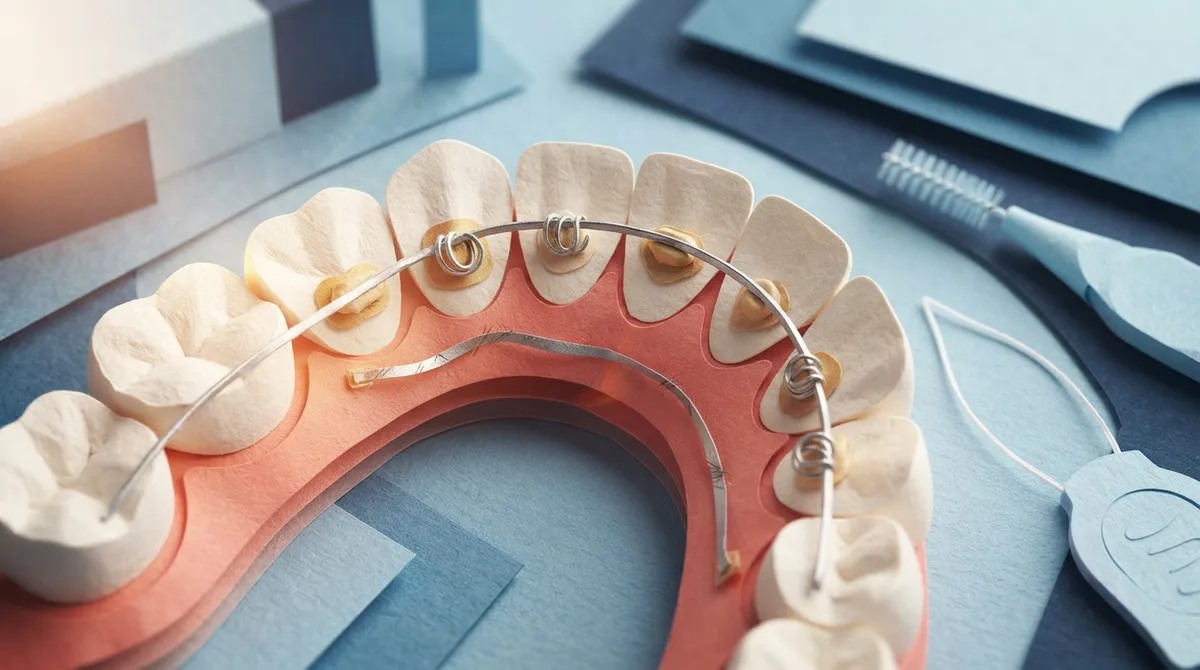
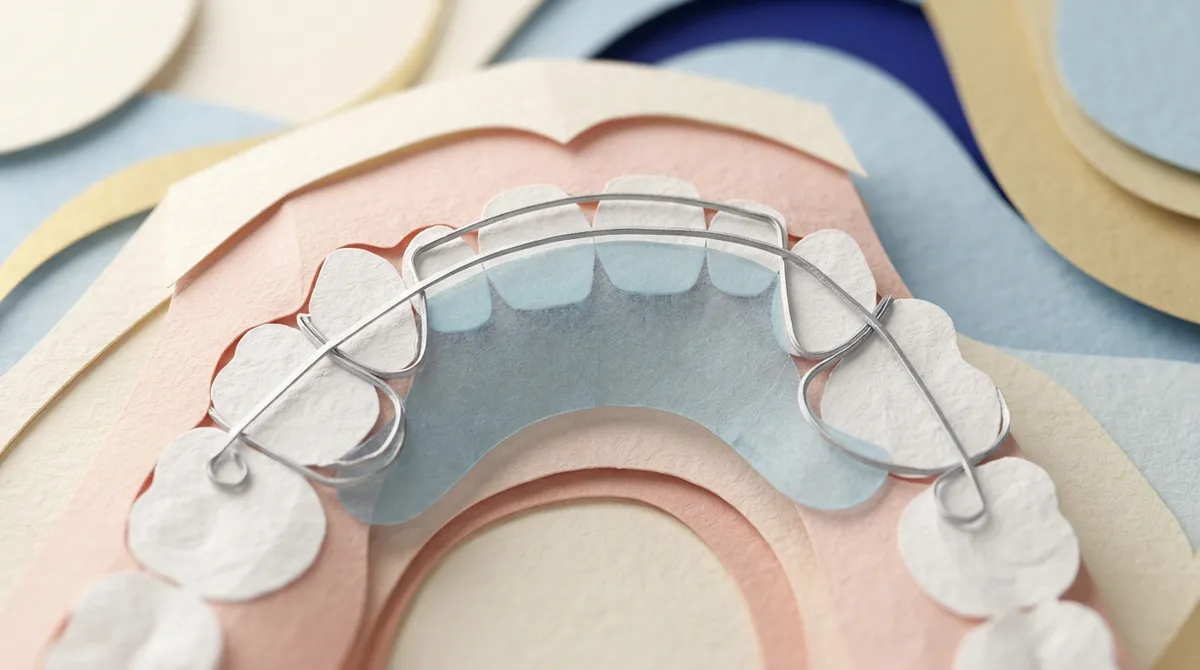
Wire retainers, sometimes called fixed, bonded, or permanent retainers, are thin metal wires. They get bonded to the back of your teeth, usually the lower or upper front teeth. Unlike a removable retainer you pop in and out, this wire stays put. It works around the clock, holding your teeth in their new, straighter positions without you having to remember a thing.
This makes them a favorite pick after treatment that involved big rotations, closing gaps, or straightening lower front teeth. If your orthodontic services included complex movement, your orthodontist may lean toward a fixed wire for extra insurance against relapse.

2. Why Dentists Recommend Them After Braces or Aligners
Teeth are sneaky. Even after months or years in braces or Spark™ Clear Aligners, they still want to drift back toward their old spots. This is called relapse, and it’s incredibly common. A wire retainer acts like a quiet guardrail, gently keeping teeth from wandering while your bone and gum tissue settle into their new normal.
Dr. Brockway often explains it like this: braces do the heavy lifting, but retainers protect that investment. Without proper retention, all that time in braces could slowly unravel.
3. They Don’t Guarantee Perfect Teeth Forever
Here’s an honest truth: a fixed wire retainer is not a magic force field. Teeth can still shift a little because of aging, gum changes, or normal wear and tear. That’s just biology doing its thing. Many patients pair their wire retainer with a removable one too, worn at night, for extra backup.
Think of it less like a permanent fix and more like ongoing maintenance. Just like you’d get regular oil changes for a car, your smile needs regular checkups to stay on track.
4. Failure Rates Are Higher Than You Might Think
This might surprise you. A 2023 review of 31 studies found that fixed retainers fail about 28% of the time overall. Lower retainers failed around 28% of the time, while upper retainers failed closer to 36%. And failure rates climb the longer you wear them, jumping from about 22% within the first year to nearly 42% by year five or six.
These numbers aren’t meant to scare you. They’re meant to show why regular checkups matter so much. Catching a loose wire early can save you from unwanted tooth movement down the road.
5. The Most Common Way They Fail
According to research published by the American Dental Association, adhesive failure is the number one reason wire retainers stop working. In plain English, the bonding glue holding the wire to your tooth can weaken or crack over time. It’s not usually the wire itself that breaks first.
Other issues include the wire bending, snapping, or pulling away from one or more teeth. This is exactly why we ask patients to call us right away instead of waiting it out.
Common Signs Something Is Wrong
- The wire feels loose or wiggly when you touch it with your tongue
- You notice a sharp edge poking your cheek or tongue
- The wire looks bent or twisted compared to before
- A tooth suddenly feels like it’s shifting position
- You feel a piece of the retainer has come off completely
6. How to Keep Your Wire Retainer Clean
Cleaning around a bonded wire takes a little extra effort, but it’s totally doable. Plaque and tartar love to hide around wires, and that can lead to gum irritation if you’re not careful.
- Use a floss threader or special orthodontic floss to get under the wire.
- Try an interdental brush to clean tight spaces between teeth.
- Brush gently but thoroughly around the wire every morning and night.
- Consider a water flosser for an easier daily rinse.
- Visit your orthodontist regularly so we can check for buildup you might miss.
The Florida Association of Orthodontists emphasizes that good hygiene habits are just as important as the retainer itself when it comes to protecting your smile long term.
7. Wire Retainers vs. Removable Retainers
Patients often ask us which type is better. Honestly, it depends on your situation. Here’s a simple side-by-side comparison to help you understand the differences.
| Feature | Wire (Fixed) Retainer | Removable Retainer |
|---|---|---|
| Daily Effort | None, works automatically | Must be worn as directed |
| Visibility | Hidden behind teeth | Can be clear or noticeable |
| Cleaning | Requires floss threaders | Easy to remove and clean |
| Risk of Loss | Low, it’s bonded in place | Higher, can be misplaced |
| Best For | High relapse risk cases | General long-term retention |
Many patients actually use both. A wire retainer up front, plus a removable one for nighttime wear, gives you double the protection.
8. Placement Matters More Than You’d Guess
Not all wire retainers are installed the same way. Research shows that bonding the wire to every single tooth in the treated area works better than only bonding it at the two end teeth. This full-contact method helps distribute pressure evenly and reduces the chance of a tooth drifting out of line.
This is one reason why choosing an experienced provider matters so much. Precision during bonding really does affect how well your retainer holds up over the years.
9. What to Do If Your Retainer Breaks or Feels Loose
Please resist the urge to fix it yourself. We know it’s tempting to grab tweezers or nail clippers, but bending or removing the wire on your own can cause more harm than good. Sometimes it can even push a tooth out of place.
Instead, give us a call as soon as you notice something’s off. Most repairs are quick, and catching problems early keeps your smile on track. If you’re not sure whether it’s an emergency, our FAQ page covers a lot of common questions, or you can simply reach out directly.
10. Why Regular Checkups Are Non-Negotiable
We get it, life is busy. But skipping retainer checkups is one of the biggest mistakes patients make. Regular visits let us catch small issues, like a hairline crack in the bonding, before they become bigger problems.
Whether you’re a parent managing your teen’s adolescent treatment or an adult who finished adult treatment a few years ago, staying consistent with retainer checks protects the results you worked so hard for.
A Few Frequently Missed Questions Answered
Wondering how retainers fit into your bigger orthodontic journey? Our retainers page breaks down everything from cost to care in simple terms. And if you’re still deciding between treatment types, our guide on braces versus clear aligners can help you understand what retention looks like after each option.
Why Families in Clearwater Trust Brockway Orthodontics
Dr. Brockway has built her practice around genuine care, not just straight teeth. She takes time to explain every step, including what happens after your braces come off. We use modern tools like digital impressions and 3D imaging, so your first visit and every visit after feels comfortable and clear.
Curious what other patients think? You can visit us on Google — Brockway Orthodontics to read real reviews from families just like yours. You can also follow along on Instagram or connect with us on Facebook for smile tips and behind-the-scenes updates from our Clearwater office.
Your Smile Deserves Long-Term Protection
Wire retainers are small, but they play a huge role in protecting your orthodontic results. They’re not perfect, and they do need care and attention, but with the right team behind you, they can help your smile stay beautiful for years to come. If your retainer feels off, or if it’s just time for a checkup, don’t wait around wondering. Book your appointment online today, and let’s make sure your smile stays exactly where it belongs.
FAQs
Q: How long should I wear a wire retainer after braces?
A: Many patients keep their wire retainer in place for several years, and some keep it much longer with proper care. Dr. Brockway will check your specific case and let you know what timeline makes sense for your smile.
Q: Are permanent wire retainers really permanent?
A: Not exactly! While they’re designed to stay bonded long-term, they aren’t truly forever. Bonding material can wear down over time, so regular checkups help make sure everything stays secure.
Q: What is the difference between a wire retainer and a clear removable retainer?
A: A wire retainer is bonded behind your teeth and works all day without any effort from you. A removable retainer pops in and out and needs to be worn as directed. Many patients actually benefit from using both types together.
Q: Can a wire retainer damage my teeth or gums?
A: When properly placed and cared for, wire retainers are safe and gentle. The main risk comes from plaque buildup if cleaning is skipped, so a little extra flossing effort goes a long way.
Q: What should I do if my permanent retainer breaks or comes loose?
A: Give us a call right away instead of trying to fix it yourself. Attempting a DIY repair can accidentally shift your teeth, so it’s always best to let our team handle it quickly and safely.
Our Service Area